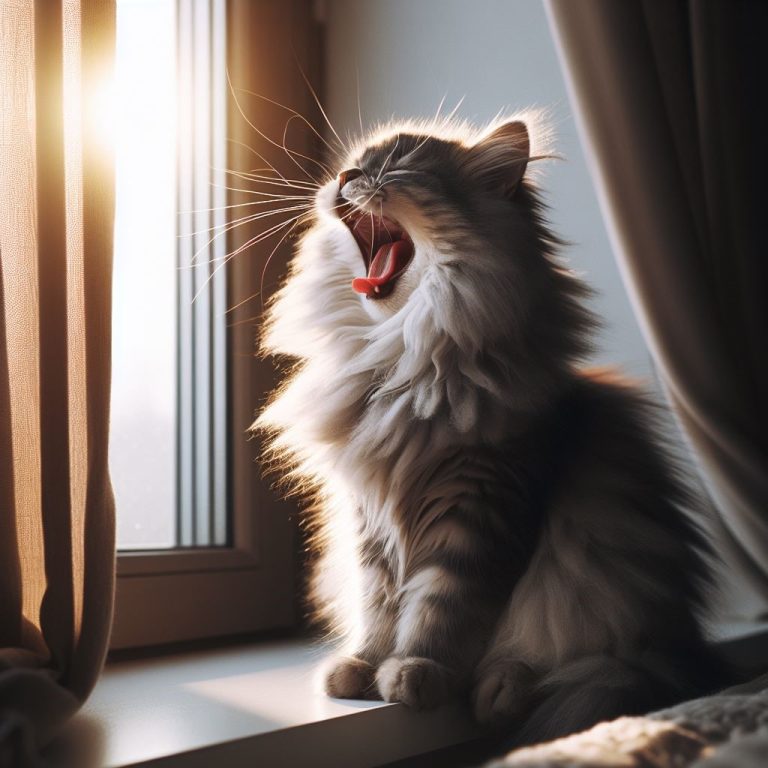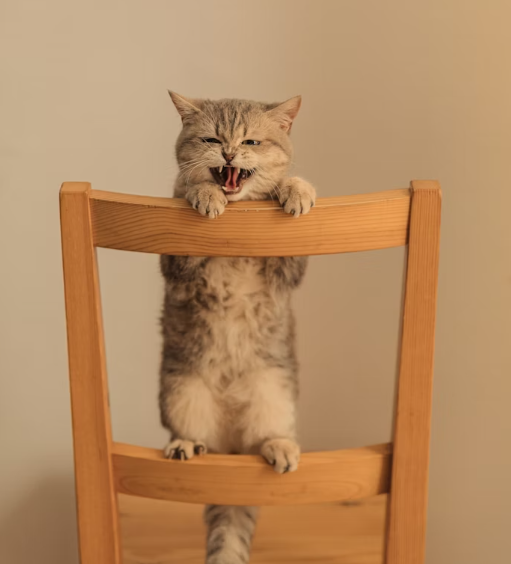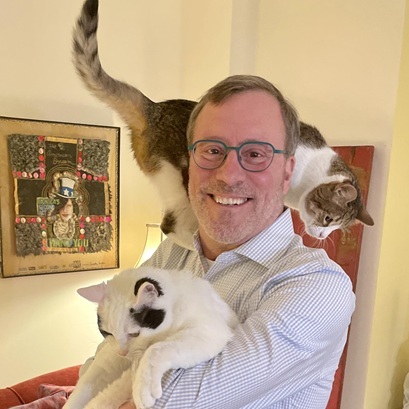
Cats are mysterious creatures. Unlike dogs, who often wear their emotions on their sleeves…or rather, their tails…cats communicate in subtler ways. For cat owners, understanding cat body language is important to ensure your feline friend is happy, comfortable, and healthy. But how can you tell if your cat is happy from its body language? This guide breaks down the signs to look for, from tail movements to ear positions, so you can better connect with your cat. (more…)
Category: Cat Behavior

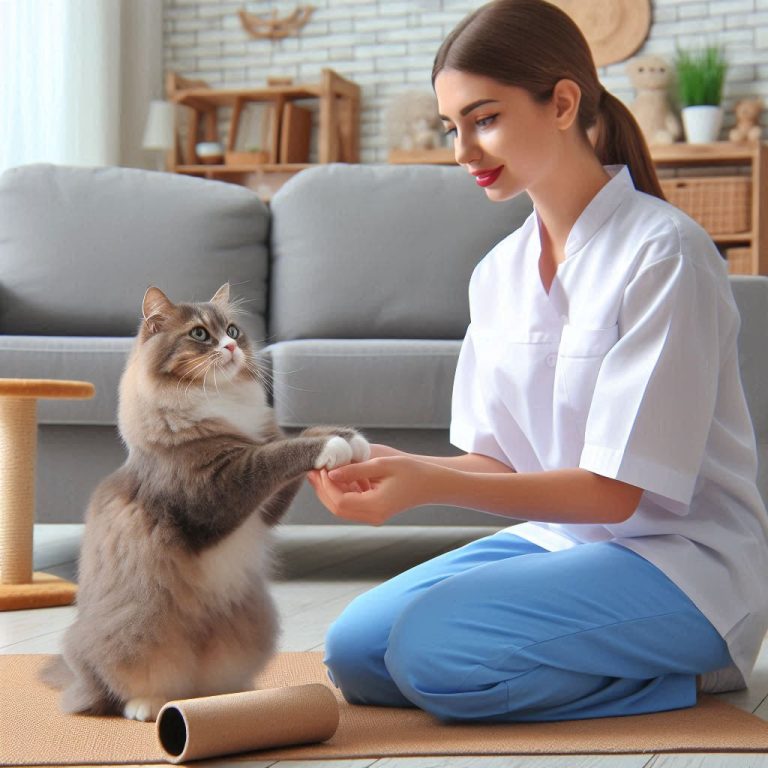
A cat behaviorist is a professional who specializes in understanding and addressing feline behavior issues. These experts possess deep knowledge of cat psychology, communication, and environmental needs, allowing them to identify the root causes of problematic behaviors such as aggression, litter box issues, excessive meowing, and destructive scratching.
When hired, a cat behaviorist typically conducts an in-depth consultation with the cat’s owner to gather information about the cat’s history, daily routines, and specific behaviors. They may also observe the cat in its home environment to assess its interactions and stress triggers. Based on their findings, the behaviorist creates a customized behavior modification plan, which may include changes to the cat’s environment, adjustments to the owner’s interactions with the cat, and specific training techniques designed to modify unwanted behaviors.
The behaviorist works closely with the cat’s owner, providing guidance, support, and follow-up sessions to ensure the effectiveness of the plan. They may also collaborate with veterinarians to rule out or address any medical conditions that could be contributing to the cat’s behavior.
Hiring a pro can generally run between $100 and $300 per session, depending on factors like the behaviorist’s experience, location, and the complexity of the cat’s issues. Initial consultations, which often include a thorough assessment of the cat’s behavior and environment, tend to be on the higher end of the scale, ranging from $150 to $300. Follow-up sessions are usually less expensive, averaging around $100 to $200. Some behaviorists also offer package deals or remote consultations, which can reduce the overall cost. It’s important to invest in a qualified behaviorist to ensure effective results. The ultimate goal of a cat behaviorist is to improve the cat’s well-being and foster a harmonious relationship between the cat and its owner, ensuring a peaceful and happy household.
The 2026 Busy Cat Parent’s Guide to Raising a Manx Kitten
Manx Kittens: A Guide to Their Care and Happiness. Manx kittens are renowned for their tailless or short-tailed appearance, captivating personalities, and playful nature. As a breed that traces its origins to the Isle of Man, these kittens stand out not only for their unique physical traits but also for their charm and adaptability. Owning a Manx kitten is a joyful experience, but understanding their needs is essential to provide them with the best possible care.
2026 Maine Coon Cat Prices
Maine Coon Cat Prices Throughout the United States. Maine Coon cats are among the most popular and sought-after cat breeds in the United States. Known for their large size, fluffy coats, and affectionate personalities, these cats can be a significant investment. The cost of purchasing a Maine Coon cat varies depending on factors such as breeder reputation, location, pedigree, and whether the cat is intended for pet, show, or breeding purposes. This article explores the price range of Maine Coon cats across different states, along with factors that influence their cost.
What Are The Best Cat Breeds For Apartment Living?
Living in an apartment doesn’t mean you have to give up the joy of having a cat. In fact, many cats thrive in cozy spaces where they can nap in the sun, watch the world through a window, and enjoy a peaceful indoor life. The key is choosing a breed that fits your lifestyle, your space, and your personality. Some cats are naturally calm, quiet, and adaptable. Perfect companions for apartment dwellers. (more…)
2026 Cat Care Wellness Guide
Proper Cat Care: Wellness, Nutrition, and Behavior. Cats are more than just pets…they are cherished family members who rely on us for their health and happiness. Proper cat care encompasses wellness, nutrition, and behavior management, each playing a vital role in ensuring your feline friend lives a long, fulfilling life. By understanding these aspects, cat moms and cat dads can create a safe, healthy, and loving environment for their pets.
Cat Wellness: Laying the Foundation for a Healthy Life
Wellness is the cornerstone of cat care. Routine veterinary visits, vaccinations, and preventive treatments are essential to monitor and maintain your cat’s overall health. Most veterinarians recommend at least one checkup per year, although senior cats or those with health issues may require more frequent visits.
Key Aspects of Cat Wellness:
- Vaccinations: Vaccines protect cats from diseases like rabies, feline leukemia virus (FeLV), and feline distemper (panleukopenia). Kittens need a series of vaccines, while adult cats require regular boosters.
- Parasite Control: Fleas, ticks, and worms can cause discomfort and severe health problems. Monthly preventatives help keep these pests at bay.
- Dental Care: Regular dental checkups, brushing, and dental treats can prevent periodontal disease, a common issue in cats.
- Spaying and Neutering: Sterilization not only prevents unwanted litters but also reduces the risk of certain cancers and territorial behaviors.
Providing a stress-free environment is another essential component of wellness. Cats are sensitive creatures that thrive on routine. A predictable daily schedule for feeding, playtime, and rest minimizes anxiety, fostering emotional well-being. Even consulting with a cat chiropractor can potentially help your cat live her best life!
Nutrition: Feeding Your Cat for Optimal Health
Nutrition plays a pivotal role in your cat’s overall health and wellness. A balanced diet supports a strong immune system, a shiny coat, and proper digestion. Since cats are obligate carnivores, their diet must include animal-based proteins to meet their nutritional needs.
Components of a Healthy Diet:
- Protein: High-quality animal protein, such as chicken, fish, or turkey, is the foundation of a cat’s diet. Protein supports muscle maintenance and energy production.
- Fats: Healthy fats provide essential fatty acids like omega-3s and omega-6s, which promote a glossy coat and healthy skin.
- Vitamins and Minerals: Nutrients such as taurine, vitamin A, and calcium are vital for vision, bone health, and heart function.
- Hydration: Cats have a low thirst drive, making proper hydration crucial. Wet food or a combination of wet and dry food can help increase water intake.
When choosing cat food, look for options labeled “complete and balanced” by the Association of American Feed Control Officials (AAFCO). For cats with specific health conditions, consult a veterinarian or a feline nutritionist to develop a tailored diet plan.
Avoid Human Foods: Many human foods, such as onions, garlic, chocolate, and alcohol, are toxic to cats. Stick to cat-specific treats and food to avoid accidental poisoning.
Portion Control: Overfeeding can lead to obesity, which is linked to diabetes, arthritis, and other health issues. Use a measuring cup to ensure proper portions based on your cat’s age, weight, and activity level.
“Many decades of working with cats allows me to see the world from their perspective. I design wellness plans that work with the unique feline nature. Every cat doesn’t need every test or every supplement. They are cats, and we work with that in mind! I promise to be fair, logical, and honest. If I feel that I can’t help your cat, I’ll say so. If I know of free resources that will work for you without a consultation, I’ll tell you that, too.” – Dr. Jean, Feline Veterinarian
Behavior: Understanding and Managing Feline Conduct
Cats are complex animals with unique personalities and behaviors. Proper behavior management and meeting with a cat behaviorist helps foster a harmonious relationship between you and your feline friend.
Understanding Normal Cat Behavior:
- Scratching: Cats scratch to mark territory, stretch their muscles, and maintain their claws. Provide scratching posts to redirect this natural behavior away from furniture.
- Play: Playtime stimulates a cat’s hunting instincts and provides exercise. Toys like feather wands, laser pointers, and interactive puzzles can keep your cat engaged.
- Sleeping: Cats sleep an average of 12-16 hours a day. A comfortable, quiet sleeping area is essential for their rest.
Addressing Behavioral Issues:
- Litter Box Problems: Refusing to use the litter box can signal stress, a medical issue, or dissatisfaction with the box’s cleanliness. Keep the box clean, ensure it’s in a quiet location, and provide one box per cat plus an extra.
- Aggression: Aggression can stem from fear, territorial disputes, or pain. Observe triggers and consult a veterinarian or behaviorist for guidance.
- Anxiety: Changes in routine, moving, or the introduction of new pets can cause anxiety. Calming sprays, pheromone diffusers, and gradual introductions can help ease the transition.
Socialization is equally important. Cats need positive interactions with their owners and other pets to build trust and feel secure. Daily petting, grooming, and interactive play strengthen the bond between you and your cat.

Are you finding this article useful? Would you like 100% free access to more articles like these, and free access to over 5,000 vetted pet care service professionals throughout the United States? Sign up here for a free Petworks account, and we’ll email you a 10% discount code, good towards your first pet care services booking on Petworks!
Creating an Enriched Environment
A stimulating environment keeps cats mentally and physically healthy. Include the following in your cat’s space:
- Vertical Spaces: Cat trees, shelves, or perches give cats a place to climb, observe, and feel secure.
- Hiding Spots: Provide boxes, tunnels, or covered cat beds for times when your cat seeks solitude.
- Interactive Toys: Rotate toys to keep your cat’s interest and prevent boredom.
Outdoor time, such as supervised walks on a leash or enclosed “catio” spaces, allows cats to explore safely while minimizing risks from traffic, predators, or disease.
Senior Cat Care
As cats age, their needs change. Senior cats may develop arthritis, kidney disease, or other age-related conditions. Regular veterinary checkups, a diet tailored for seniors, and accommodations like heated beds or ramps can improve their quality of life. Monitor your senior cat for changes in appetite, behavior, or mobility, and address any concerns promptly with your veterinarian.
The Importance of Regular Monitoring
Cats are masters at hiding illness, so early detection is key. Monitor your cat’s weight, appetite, grooming habits, and activity levels. Any sudden changes may indicate a health issue requiring professional attention.
Cat Wellness FAQ: Tips for a Healthy Cat
1. What is the best diet for my cat?
Feed high-quality protein, essential vitamins, and minerals. Wet food helps hydration, while dry food supports dental health. A balanced diet is key to long-term cat wellness.
2. How much exercise does a cat need?
At least 20–30 minutes of daily play. Toys, climbing trees, and safe outdoor time keep cats active and healthy.
3. How can I maintain a healthy weight for my cat?
Measure portions, limit treats, and encourage daily play. Regular vet check-ups help track your cat’s weight.
4. What are signs of stress in cats?
Hiding, over-grooming, loss of appetite, or aggression may indicate stress. Enrichment and predictable routines improve cat wellness.
5. How often should I visit the vet?
Healthy cats need annual check-ups; seniors or cats with chronic conditions may require visits every 6 months.
6. Which vaccinations and preventative care are essential?
Core vaccines include rabies, FVRCP, and FeLV for at-risk cats. Parasite prevention and dental care are crucial for a healthy cat.
7. How can I care for my cat’s teeth?
Brush regularly, use dental treats, and schedule professional cleanings to prevent dental disease.
8. Are supplements safe for cats?
Omega-3s and taurine may help coat, joint, and heart health—consult your vet before use.
9. How do I prevent common cat illnesses?
Balanced diet, regular activity, healthy weight, and routine vet visits help prevent kidney disease, diabetes, and other conditions.
10. How can I care for a senior cat?
Provide comfortable resting areas, easy access to litter boxes, gentle play, and senior-specific diets. Regular vet care is critical for age-related wellness.
Building a Lifetime of Health and Happiness
Caring for a cat goes beyond providing food and shelter…it’s about nurturing their physical, emotional, and mental well-being. By focusing on wellness, nutrition, and behavior, you can give your cat the best possible life. Whether through regular veterinary care, a balanced diet, or understanding their unique behaviors, your efforts will create a loving, healthy environment where your feline friend can thrive.
About Petworks
In 2021, Dr. Marty Goldstein DVM joined the pet care platform Petworks as an advisor in its Animal Nutrition care division. Dr Marty Nature’s Blend is on a mission to help your pets live their healthiest lives possible. Dr. Marty’s pet nutrition expertise and guidance has helped Petworks evolve and become the preeminent animal and pet nutrition consultation service for pet parents in North America.
In 2022, Blue Buffalo Founder Bill Bishop Jr. joined Petworks as Senior Advisor in our Animal Nutrition Care Division. Bill brings his extensive expertise in pet food innovation and business leadership. His guidance helps Petworks enhance our pet nutrition service offerings, helping to ensure that pet parents throughout the world receive trusted, science-backed nutritional support for their dogs, cats, and animals.
About The Author
Petworks Co-Founder Kevin Kinyon is a life-long animal lover who works tirelessly to improve the lives of pets and their parents. Human and animal qualities he values most are integrity, humor, and empathy.