Book a Certified Cat Behaviorist Online Serving Atlanta, Georgia
-
 12BOOKINGS
 -
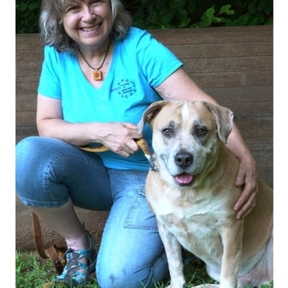
 Cherie Mascis
- AllPets Training and Behavior Solutions - Columbus, NC
-
 (2 reviews)
 -
 PETWORKS
PICK
PETWORKS
PICK
 INSTANT
CHECKOUT
INSTANT
CHECKOUT
 SCHEDULING
ENABLED
SCHEDULING
ENABLED
 CERTIFIED
CPDT-KA
CERTIFIED
CPDT-KA
 AKC CGC
EVALUATOR
AKC CGC
EVALUATOR
- Columbus, NC - I am a Pet Professional Guild Multispecies Training Professional, a Certified Professional Dog Trainer-knowledge assessed (CPDT-KA), an Association of Professional Dog Trainers (APDT) Canine Life and Social...
-
- Licensed
- Certified
- Insured
- Online Sessions
- Mobile Services
-
 38BOOKINGS
 -
CatIntel
- Certified Feline Behavior Specialist - Pensacola, FL
-
(9 reviews)
-
PETWORKS
PICK
SCHEDULING
ENABLED
 RAPID
RESPONDER
RAPID
RESPONDER
- Pensacola, FL - As a Certified Feline Behavior Specialist, I pride myself on being your go-to cat translator, adept at turning feline mysteries into clear communication. With credentials as a...
-
- Licensed
- Certified
- Online Sessions
- Mobile Services
-
 67BOOKINGS
 -
Christine Epp
- Peaceful Consulting Animal Behaviorist - Florida, USA
-
(26 reviews)
-
PETWORKS
PICK
INSTANT
CHECKOUT
SCHEDULING
ENABLED
 RED CROSS
CERTIFIED
RED CROSS
CERTIFIED
- Florida, USA - Are you struggling with pet routines, multi-pet dynamics, or household stress? I specialize in creating calm and balanced homes by offering remote behavioral and routine consulting tailored...
-
- Certified
-
 11BOOKINGS
 -
Adriana Delgado
- Compassionate - Solutions Driven - Cat Behavior Specialist - West Palm Beach, FL
-
(1 review)
-
PETWORKS
PICK
INSTANT
CHECKOUT
SCHEDULING
ENABLED
 IAABC
CERTIFIED
IAABC
CERTIFIED
- West Palm Beach, FL - If your cat is peeing outside the litter box, fighting with another cat, or acting stressed—you’re not alone, and this can be fixed. I specialize...
-
- Certified
- Online Sessions
-
 70BOOKINGS
 -
Laura P
- Kitty Faerie - Cat Behaviorist In Person - Sunny Isles Beach, FL
-
(19 reviews)
-
PETWORKS
PICK
INSTANT
CHECKOUT
- Sunny Isles Beach, FL - In-Person Cat Behavior Support. I am a Feline Enrichment and Feline Behavioral Specialist, as well as Fear Free Pets certified professional, providing enrichment visits and...
-
- Certified
-
 26BOOKINGS
 -
The Pet Behaviorist
- The Pet Behaviorist - Pennsylvania, USA
-
(3 reviews)
-
PETWORKS
PICK
INSTANT
CHECKOUT
SCHEDULING
ENABLED
CERTIFIED
CPDT-KA
- Pennsylvania, USA - I’m Christine Pazdalski, a certified animal behavior consultant and professional dog trainer providing compassionate, science-based pet behavior support through convenient online consultations. I earned my certificate in...
-
- Licensed
- Certified
- Insured
- Online Sessions
-

-
Heather Crane
- Veterinary-Supervised Multi-Species Behavior Solutions - Houston, TX
-

-
INSTANT
CHECKOUT
SCHEDULING
ENABLED
- Houston, TX - At Sea Dog Animal Training (SDAT), we specialize in science-based, fear-free behavior training for dogs, cats, and exotic/non-traditional pets. Our mission is simple: Training Saves Lives. We...
-
- Online Sessions
-
 11BOOKINGS
 -
Krista Schulte - Feline Behaviour Coach
NEW
- Certified Cat Behavior Consultant & Fear Free Specialist - Toronto, ON
-
(41 reviews)
-
 PREMIUM
PRO
PETWORKS
PICK
INSTANT
CHECKOUT
SCHEDULING
ENABLED
RAPID
RESPONDER
IAABC
CERTIFIED
PREMIUM
PRO
PETWORKS
PICK
INSTANT
CHECKOUT
SCHEDULING
ENABLED
RAPID
RESPONDER
IAABC
CERTIFIED
- Toronto, ON - 5-Star Rated Feline Behaviour Coach (68+ Google Reviews) Welcome! I am Krista Schulte, a Certified Cat Behaviour Consultant (CCBC through the IAABC), Fear Free Certified Professional, Low...
-
- Licensed
- Certified
- Insured
- Online Sessions
-

- PetWorks Concierge ❤
- Cat Behaviorists - New York, NY
-
-
RAPID
RESPONDER
 BBB
ACCREDITED
BBB
ACCREDITED
- New York, NY - For those in New York, NY, or anywhere in the U.S., finding a reliable and skilled cat behaviorist in New York, NY, is easier than...
-
- Licensed
- Certified
- Insured
- BBB Accredited
- Background Checked
- Online Sessions
- Mobile Services
-
 3BOOKINGS
 -
Stephen Quandt
- Stephen Quandt, CFTBS | Fear Free Certified Cat Behaviorist - New York, NY
-
(27 reviews)
-
INSTANT
CHECKOUT
SCHEDULING
ENABLED
RAPID
RESPONDER
- New York, NY - Specializing in cat on human and cat on cat aggression, I am dedicated to understanding and transforming your cat's behavior with empathy and expertise. I am...
-
- Certified
- Online Sessions
- Mobile Services
-
 4BOOKINGS
 -
Brittany Manolias
- Purrfect Behavior - Certified Feline Behavior help - Queens, NY
-
(1 review)
-
INSTANT
CHECKOUT
SCHEDULING
ENABLED
RAPID
RESPONDER
IAABC
CERTIFIED
- Queens, NY - 🐈⬛ Living with cats shouldn’t be a constant source of stress. I help cat owners understand unwanted behaviors and create practical, force-free solutions that actually work at...
-
- Licensed
- Certified
- Online Sessions
-
- Stacy Ferrara
- Pawsitive Potential - Certified Feline Behaviorist & Trainer - Plainview, NY
-
-
RED CROSS
CERTIFIED
- Plainview, NY - We offer in-home and remote consultations to help retrain unwanted behaviors your cat is exhibiting. Problems such as not using the litter box, displaying aggression towards other...
-
- Licensed
- Certified
- Mobile Services
-

- PetWorks Concierge ❤
- Cat Behaviorist - Austin, TX
-
-
RAPID
RESPONDER
BBB
ACCREDITED
- Austin, TX - For those in Austin, TX, or anywhere in the U.S., finding a reliable and knowledgeable cat behaviorist in Austin, TX is simple and convenient! Petworks provides...
-
- Licensed
- Certified
- Insured
- BBB Accredited
- Background Checked
- Online Sessions
- Mobile Services
-
 1BOOKINGS
 -
Allison Hunter-Frederick
- Allison Helps Cats - Cat Trainer and Feline Behaviorist - Lincoln, NE
-
-
INSTANT
CHECKOUT
IAABC
CERTIFIED
- Lincoln, NE - Sometimes we all need a little (or a lot of) help with our cats. My mission is to help cats become cherished family members through the educational...
-
- Licensed
- Certified
- Insured
- Background Checked
- Online Sessions
-
 1BOOKINGS
 -
Kelsey Donohue
- Feline Behavior Support for Understanding Your Cat Better - Clifton Park, NY
-
-
INSTANT
CHECKOUT
SCHEDULING
ENABLED
- Clifton Park, NY - I’m a dedicated cat enthusiast with years of hands‑on experience living with, caring for, and helping cats of all personalities. While I’m not a veterinarian or...
-
- Online Sessions
-
 53BOOKINGS
 -
Shauna Crowley
- Shauna Crowley - Cat Behaviorist and Trainer - Worcester, MA
-
(9 reviews)
-
PREMIUM
PRO
PETWORKS
PICK
INSTANT
CHECKOUT
RAPID
RESPONDER
BBB
ACCREDITED
- Worcester, MA - Having trouble with your feline fur child? Take advantage of my twenty five years of experience helping cats with all kinds of issues such as litter box...
-
- BBB Accredited
- Online Sessions
- Mobile Services
-
 4BOOKINGS
 -
Heather Alvey
- Felidae Behavior Consulting - Cat Training Specialist - Minneapolis, MN
-
-
INSTANT
CHECKOUT
SCHEDULING
ENABLED
- Minneapolis, MN - Are your cats fighting? Is your cat peeing outside the litter box, waking you up at night, scratching furniture, or showing aggressive behavior? I am a Certified...
-
- Certified
- Online Sessions
-
-
Jaime Kuhn
- Feline Behavior Support - Whole Household Harmony Framework - Englewood, CO
-
(3 reviews)
-
PREMIUM
PRO
INSTANT
CHECKOUT
SCHEDULING
ENABLED
IAABC
CERTIFIED
- Englewood, CO - START HERE: Before purchasing a feline behavior support package, please contact me to schedule a 20 Minute Complimentary Discovery Call. We’ll discuss your concerns and decide together...
-
- Certified
- Bonded
- Insured
- Online Sessions
- Mobile Services
more info
🐱 Cat Behaviorist Services for Pet Parents in Atlanta, Georgia
What Does a Cat Behaviorist Do?
A cat behaviorist is a trained professional who specializes specifically in feline behavior, communication, and the environmental factors that can influence how cats behave. Rather than simply trying to stop an unwanted behavior, a cat behaviorist works to understand why the behavior is occurring and develops practical, humane strategies based on the individual cat and its environment.
Through PetWorks, pet parents in Atlanta can connect with certified and experienced cat behaviorists through online consultations. PetWorks is a nationwide pet care services marketplace, so you are not limited to finding a specialist physically located in Atlanta. You can compare feline behavior professionals based on their experience, credentials, services, reviews, and areas of expertise, then book an online consultation from your own home.
During a consultation, a behaviorist can discuss your cat's history, daily routine, environment, relationships with other pets, and specific behavioral concerns. When appropriate, the behaviorist can also discuss the home environment where the behavior occurs, helping identify potential triggers and develop a personalized plan.
Common Cat Behavior Problems a Behaviorist Can Help With
Cat behaviorists can provide guidance for a wide range of feline-specific behavioral concerns:
Litter box problems: Avoiding the litter box, urinating outside the box, defecating outside the box, or changes in normal bathroom habits.
Urine marking and spraying: Territorial marking or inappropriate urination associated with environmental or household changes.
Cat aggression: Aggressive behavior toward people, unfamiliar visitors, other cats, or other household pets.
Cat anxiety and stress: Hiding, fearful behavior, excessive vigilance, or difficulty adjusting to changes.
Excessive scratching: Scratching furniture, carpets, doors, or other unwanted surfaces.
Overgrooming: Excessive licking or grooming that may be associated with stress or environmental factors.
Excessive vocalization: Persistent meowing, yowling, or disruptive nighttime activity.
Multi-cat conflict: Chasing, fighting, resource competition, territorial tension, or difficulty maintaining peaceful relationships.
Introducing cats: Guidance for introducing a new cat or kitten into a household with an existing cat.
Every cat is different. An effective behavior plan considers the cat's history, personality, environment, routine, relationships, and the circumstances surrounding the behavior rather than applying a generic solution.
Benefits of Working With an Atlanta Cat Behaviorist Online
Online cat behavior consultations allow Atlanta pet parents to get professional guidance without transporting their cat to an unfamiliar location. This can be particularly valuable for cats that become anxious during travel or are uncomfortable in unfamiliar environments.
The home environment is also where feline behavior actually occurs. A cat may behave very differently at home than it would in a veterinary office or other unfamiliar setting. During an online consultation, the discussion can focus on the cat's actual living space, daily routine, household relationships, and environmental triggers.
Atlanta offers a wide variety of living environments for cats, from high-rise and apartment living in Midtown, Downtown Atlanta, Buckhead, and Old Fourth Ward to townhomes and larger single-family homes throughout the city and surrounding communities. The amount of space available, the number of household pets, and how resources are distributed throughout the home can all influence feline behavior.
Atlanta's warm climate can also mean that cats spend substantial amounts of time indoors, particularly during periods of intense summer heat and humidity. For indoor cats, providing appropriate opportunities for play, scratching, climbing, hiding, resting, and exploration can be important for maintaining a healthy behavioral environment.
For cats that have access to windows, screened porches, balconies, patios, or other outdoor viewing areas, sights and sounds from outside can also become relevant. Seeing unfamiliar cats, birds, wildlife, or other activity outside the home can sometimes contribute to territorial behavior, vocalization, frustration, or redirected aggression.
A cat behaviorist can help Atlanta pet parents evaluate these environmental factors and determine whether changes to the cat's routine, resources, enrichment, or living space could improve the situation.
Whether you live in Midtown, Buckhead, Virginia-Highland, Inman Park, Old Fourth Ward, Grant Park, or another Atlanta neighborhood, you can connect with a cat behaviorist through PetWorks based on expertise rather than geographic proximity.
How to Book a Cat Behaviorist in Atlanta on PetWorks
Pet parents searching for a cat behaviorist in Atlanta can browse PetWorks profiles, compare professional experience and credentials, read reviews, review available services and pricing, and select a specialist whose experience fits their cat's needs.
Because consultations are conducted online, you do not have to limit your search to behaviorists located within Atlanta. This gives you the ability to prioritize feline-specific expertise and experience with the particular behavioral issue affecting your cat.
Before scheduling, it can be helpful to make notes about when the behavior began, how frequently it occurs, what appears to trigger it, and whether anything changed in the household around the same time. Changes involving another pet, a move, furniture, visitors, daily routines, litter boxes, feeding arrangements, or access to particular areas of the home may all provide useful context.
Photos or videos of relevant behavior and areas of the home may also be useful when appropriate. Since the consultation takes place online, your behaviorist can discuss the environment where your cat actually lives and help you determine which changes may be worth trying.
How Much Does a Cat Behaviorist Cost in Atlanta?
The cost of an online cat behavior consultation varies according to the behaviorist's experience, credentials, consultation length, services provided, and complexity of the behavioral concern. Some professionals offer individual consultations, while others provide follow-up sessions or packages for situations requiring additional support.
PetWorks allows Atlanta pet parents to compare individual behaviorists and review their available pricing and services before booking. Because PetWorks is a nationwide marketplace, there can be meaningful differences in experience, specialization, consultation format, and pricing between professionals.
Some behavioral concerns may be addressed with one detailed consultation and a personalized plan for changes at home. More complicated or long-standing issues, including serious multi-cat conflict, may benefit from follow-up consultations. Your cat behaviorist can recommend an appropriate approach based on your cat's individual circumstances.
How to Choose the Right Cat Behaviorist in Atlanta
Not every cat behaviorist has the same experience or areas of specialization. When comparing professionals on PetWorks, look for someone with meaningful experience working specifically with cats and with behavioral concerns similar to the one affecting your household. A specialist who regularly works with litter box problems, multi-cat conflict, anxiety, aggression, scratching, or other feline-specific concerns may be a particularly good fit depending on your situation.
Credentials and professional background can also be useful when evaluating a cat behaviorist. Look for relevant education, certifications, professional experience, and a clear explanation of the methods they use. Reviews can provide additional insight into how a behaviorist communicates with pet parents and approaches situations similar to yours.
The right specialist should take time to understand your cat's history and environment rather than immediately recommending a generic solution. A thorough consultation should consider your cat's daily routine, relationships with other pets, access to food and water, litter box setup, resting areas, scratching locations, and recent changes within the household.
For Atlanta pet parents, online consultations make it possible to choose a specialist based on feline experience and expertise rather than geographic proximity. Whether you live in Midtown, Buckhead, Virginia-Highland, Inman Park, Old Fourth Ward, Grant Park, or another Atlanta neighborhood, you can connect with a cat behaviorist through PetWorks from your own home.
Cat Behaviorist FAQs for Atlanta Pet Parents
What problems can a cat behaviorist help with?
Cat behaviorists can help pet parents understand and address many feline-specific behavioral concerns, including litter box avoidance, spraying, scratching, aggression, anxiety, excessive vocalization, overgrooming, hiding, territorial behavior, multi-cat conflict, and difficulties introducing a new cat. The appropriate approach depends on the individual cat, the household environment, and the circumstances surrounding the behavior.
How does an online cat behavior consultation work?
After booking, you connect with your cat behaviorist through an online video or audio consultation. The behaviorist will typically ask about your cat's history, routine, environment, and the behavior you are concerned about. When appropriate, you may also be able to show parts of your home environment or demonstrate relevant situations during the consultation. Your behaviorist can then provide personalized recommendations and discuss practical steps to take at home.
Can a cat behaviorist help with litter box problems?
Yes. Litter box avoidance and inappropriate elimination are common reasons pet parents seek feline behavior guidance. A cat behaviorist can help evaluate factors such as litter box location, cleanliness, number of boxes, household dynamics, changes in routine, and other environmental factors that may be contributing to the problem.
If your cat has suddenly stopped using the litter box or has experienced a significant change in bathroom habits, consulting your veterinarian is also important because medical conditions can sometimes contribute to these changes.
Can a cat behaviorist help with aggression between cats?
Yes. Cat behaviorists can help pet parents understand tension and conflict between cats living in the same household. They may evaluate interactions involving territory, resources, feeding areas, litter boxes, resting spaces, introductions, and changes in the household. A personalized plan can then focus on reducing conflict and improving the cats' ability to coexist.
Can a cat behaviorist help an anxious or fearful cat?
Yes. A cat behaviorist can help identify environmental factors and situations that may be contributing to fearful or anxious behavior. Depending on the circumstances, recommendations may involve changes to the home environment, routines, resources, interactions, enrichment, and gradual exposure to situations that cause distress.
Can a cat behaviorist help with scratching?
Yes. Scratching is a normal feline behavior, but problems can arise when a cat consistently scratches furniture, carpets, doors, or other unwanted surfaces. A cat behaviorist can help determine why a cat may be choosing particular scratching locations and recommend ways to make appropriate scratching areas more appealing while protecting household furnishings.
Can online cat behavior consultations work for cats in Atlanta?
Yes. Online consultations can be a practical option for many feline behavioral concerns because the cat remains in its familiar home environment. This can be especially useful for cats that become stressed by travel or unfamiliar surroundings.
A virtual consultation also allows the behaviorist to discuss the actual environment where the behavior occurs. The layout of an apartment, condominium, townhome, or house, the location of litter boxes and feeding areas, access to vertical space, interactions between cats, and household routines can all be relevant to understanding feline behavior.
Can Atlanta's heat and humidity affect my cat's behavior?
Hot weather does not automatically cause behavioral problems, but Atlanta's warm, humid summers can influence how cats spend their time. Many indoor cats may spend even more time inside during particularly hot periods, making the quality of their indoor environment especially important.
A cat behaviorist can help pet parents evaluate whether an indoor cat has adequate opportunities for play, scratching, climbing, hiding, resting, and exploration. Changes in activity and routine can be particularly relevant when a cat is already displaying boredom, frustration, anxiety, or attention-seeking behavior.
Can outdoor activity affect my indoor cat's behavior?
It can. Cats that regularly watch birds, squirrels, neighborhood animals, or other cats through windows or screened outdoor areas may sometimes become highly stimulated by what they see. In some cases, this can contribute to vocalization, territorial behavior, frustration, or redirected aggression toward another cat or person inside the home.
A cat behaviorist can help identify potential triggers and suggest practical environmental changes when outside activity appears to be contributing to unwanted behavior.
Can a cat behaviorist help with multiple cats in an Atlanta home?
Yes. Multi-cat households can present behavioral challenges when cats must share food, water, litter boxes, resting spaces, and territory. A cat behaviorist can help identify potential sources of competition and develop strategies for improving the cats' environment.
Recommendations may involve resource placement, additional vertical territory, separate resting areas, hiding spaces, feeding arrangements, and gradual behavior changes designed around the individual cats.
Can a cat behaviorist help if my cat is scratching furniture?
Yes. Scratching is a normal and important feline behavior, so the goal is generally not to eliminate scratching altogether. Instead, a behaviorist can help determine what makes particular furniture or surfaces attractive and recommend appropriate scratching alternatives, placement strategies, environmental changes, and reinforcement techniques.
Can moving to a new Atlanta home affect my cat's behavior?
Yes. Moving can be a significant environmental change for cats. Moving between apartments, condominiums, townhomes, and single-family homes can introduce unfamiliar sounds, smells, rooms, people, and routines. Some cats may respond by hiding, vocalizing more, changing litter box habits, becoming more territorial, or showing tension toward other pets.
A cat behaviorist can help pet parents establish predictable routines and create an environment that makes the transition easier for the cat.
Can a cat behaviorist help with introducing a new cat?
Yes. Introducing a new cat can be challenging, particularly in households with an existing cat that is territorial or easily stressed. A cat behaviorist can help pet parents develop a gradual introduction process and make adjustments to resources, routines, separation areas, and interactions based on the cats' individual responses.
Do I need to take my cat to a veterinarian before seeing a behaviorist?
For some behavioral changes, a veterinary evaluation is an important first step. Medical issues can sometimes cause or contribute to changes such as litter box avoidance, aggression, excessive grooming, changes in appetite, or unusual vocalization. A veterinarian can help determine whether a medical issue should be addressed before or alongside behavioral guidance.
How many cat behavior consultations will my cat need?
There is no single number of consultations that applies to every cat. Some situations may be addressed with one detailed consultation and a plan for changes at home, while long-standing behaviors, multi-cat conflict, or situations involving multiple contributing factors may require follow-up support. Your behaviorist can recommend an appropriate approach after learning more about your cat and household.
Do cat behaviorists use punishment?
Reputable feline behavior professionals generally emphasize humane, evidence-based approaches rather than punishment. Punishment can increase fear and stress and may make some unwanted behaviors more difficult to address. A cat behaviorist can instead help identify the circumstances surrounding a behavior and recommend practical ways to encourage more appropriate responses.
What areas near Atlanta can use PetWorks cat behaviorists?
PetWorks connects pet parents throughout Atlanta and surrounding communities with cat behaviorists available for online consultations. Because PetWorks is a nationwide pet care services marketplace, you do not need to find a behaviorist located in your specific neighborhood or nearby community. You can focus on finding a qualified feline behavior specialist whose experience matches your cat's needs.
Get Cat Behavior Help Online Through PetWorks
If your cat is experiencing litter box problems, aggression, anxiety, scratching, excessive vocalization, multi-cat conflict, or another feline-specific behavioral concern, PetWorks makes it easy to explore professional support from home. Browse certified cat behaviorist profiles, compare experience and services, read reviews, and find an online specialist who is a good fit for your cat and household.
Whether you live in an Atlanta apartment, condominium, townhome, or single-family home, you can connect with a cat behaviorist through PetWorks without transporting your cat to an unfamiliar location. Start exploring certified cat behaviorists online and find personalized guidance to help create a more comfortable and harmonious home.

 petworks tm