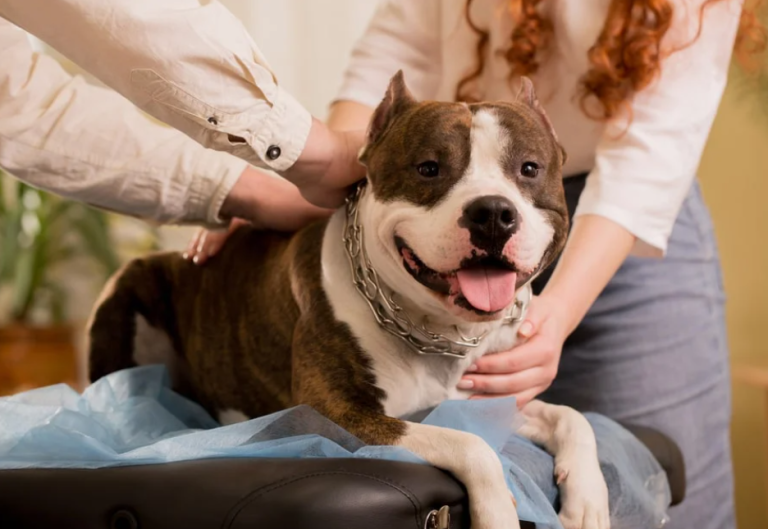
Most dog behavior problems don’t stay the same. They escalate over time. What many dog owners don’t realize is that behavior issues are rarely static, and a small problem today can quickly become a much bigger challenge tomorrow if it is ignored or unintentionally reinforced. Behaviors like leash pulling, barking, anxiety, or reactivity don’t simply fade away on their own; instead, they often become more ingrained, more emotionally charged, and significantly harder to correct as time passes. That’s why early intervention matters more than most people think. (more…)
Category: Animal Behavior Help

How to get animal behavior help. Certified animal behaviorists specialize in understanding and modifying the behaviors of dogs and cats. They offer invaluable assistance to pet parents seeking positive changes. Animal behavior specialists analyze the root causes of specific pet behaviors. And they develop tailored strategies to encourage positive changes. Collaborating with pet parents, animal behaviorists provide guidance and support. This nurtures desirable behaviors, enhancing the bond between pets and their parents.
Whether addressing aggression, anxiety, or obedience, a veterinary behaviorist employs evidence-based techniques to promote harmony between pets and families. The cost of hiring an animal behaviorist for consultations can vary widely. There are factors like location, the behaviorist’s level of expertise, and the complexity of the behavioral issues being addressed. Animal behavior help can be gotten via remote consultations, which can be slightly less expensive, ranging from $75 to $150 per hour, depending on the platform used and the behaviorist’s expertise. Browse reviews from pet parents, get free quotes, and book remote video sessions or in-person consultations on Petworks today.
How Pets Improve Your Mental Health (Backed by Science)
How Pets Improve Mental Health: Science-Backed Benefits of Animal Companionship. Pet mental health is becoming an increasingly important topic as more people recognize the emotional and psychological benefits of animal companionship. From reducing anxiety and depression to improving mood and lowering stress, pets play a powerful role in supporting overall mental well-being.
Whether you own a dog, cat, or another companion animal, research shows that the human-animal bond can have measurable effects on mental health.
🧠 What Is Pet Mental Health?
Pet mental health refers to how animals positively influence human emotional and psychological well-being. It includes the effects pets have on:
- Stress levels
- Anxiety and depression symptoms
- Emotional regulation
- Loneliness and isolation
- Overall mood and happiness
In short, pet mental health is about how pets help improve human mental wellness through companionship, routine, and emotional connection.
💛 How Pets Improve Mental Health (Key Science-Backed Benefits)
1. Pets Reduce Stress and Lower Cortisol
One of the strongest findings in pet mental health research is stress reduction.
Interacting with pets can:
- Lower cortisol (stress hormone)
- Reduce blood pressure and heart rate
- Promote relaxation within minutes
Even simple actions like petting a dog or cat can activate the parasympathetic nervous system, helping the body calm down naturally.
2. Pets Improve Anxiety and Depression Symptoms
Pets provide consistent emotional support, which can significantly help people experiencing anxiety or depression.
Benefits include:
- Reduced feelings of loneliness
- Emotional grounding during anxiety episodes
- Increased feelings of safety and comfort
- A sense of companionship during depressive states
This is why emotional support animals are often recommended in mental health care settings.

Are you finding this article useful? Would you like 100% free access to more articles like these, and free access to over 5,000 vetted pet care service professionals throughout the United States? Sign up here for a free Petworks account, and we’ll email you a 10% discount code, good towards your first pet care services booking on Petworks!
3. Pets Increase Oxytocin and Emotional Bonding
The bond between humans and pets triggers the release of oxytocin, often called the “love hormone.”
This leads to:
- Stronger emotional attachment
- Reduced stress response
- Increased feelings of trust and calm
- Improved mood and emotional stability
This biochemical response is a core reason pets have such a strong impact on pet mental health.
“Studies show that dogs reduce stress, anxiety and depression. They ease loneliness, encourage exercise and improve your overall health… Just playing with a dog has been shown to raise levels of the feel-good brain chemicals oxytocin and dopamine.” – American Heart Association
4. Pets Help Reduce Loneliness and Social Isolation
Loneliness is a major factor in poor mental health outcomes.
Pets help by:
- Providing constant companionship
- Encouraging daily social interaction (walks, parks, vet visits)
- Acting as social connectors between people
Dog owners, in particular, often report higher levels of social engagement and community interaction.
“Dogs are very present. If someone is struggling with something, they know how to sit there and be loving.” – Dr. Ann Berger, Physician & Researcher, NIH Clinical Center
5. Pets Encourage Physical Activity, Supporting Mental Health
Physical movement is strongly linked to better mental health.
Pets (especially dogs) encourage:
- Daily walking and exercise
- Outdoor activity and sunlight exposure
- Routine physical engagement
Exercise releases endorphins, which naturally improve mood and reduce symptoms of depression and anxiety.
6. Pets Create Routine, Structure, and Purpose
A major but often overlooked part of pet mental health is routine.
Pets require:
- Feeding schedules
- Walks and exercise
- Grooming and care
- Daily attention and interaction
This structure helps people:
- Maintain consistency
- Reduce feelings of chaos or overwhelm
- Build a sense of purpose and responsibility
This is especially beneficial for individuals struggling with depression or burnout.
7. Pets Improve Overall Mood and Emotional Stability
Regular interaction with pets is linked to:
- Improved daily mood
- Greater emotional resilience
- Reduced emotional volatility
- Increased feelings of happiness and fulfillment
- Improved Animal Behavior
The simple presence of a pet can provide emotional grounding during stressful moments.
“Our dedication is to happier, healthier pets, and their families.” – Kevin Kinyon, Co-Founder & President, PetWorks.
🧪 What The Research Says
Scientific studies from major psychological and medical organizations consistently show that pet ownership is associated with:
- Lower stress levels
- Reduced anxiety symptoms
- Decreased depression risk
- Improved emotional well-being
- Higher life satisfaction
While pets are not a replacement for professional mental health treatment, they are a powerful complementary support system.
🐶 Types of Pets and Their Mental Health Benefits
Different animals support pet mental health in different ways:
Dogs
- Encourage routine and exercise
- Provide strong emotional bonding
- Increase social interaction
Cats
- Offer calming companionship
- Reduce stress through quiet presence
- Support emotional regulation
Small Pets (rabbits, hamsters, etc.)
- Provide routine and caregiving structure
- Offer comfort with low maintenance demands
⚠️ Important Note on Pet Mental Health
While pets can significantly improve mental health, they are not a substitute for professional care. If you are experiencing severe anxiety, depression, or emotional distress, it is important to seek support from a licensed mental health professional.
❓ FAQs About Mental Health & Pets
What is pet mental health?
Pet mental health refers to how animals positively impact human emotional and psychological well-being, including stress reduction and emotional support.
How do pets improve mental health?
Pets improve mental health by lowering stress hormones, increasing oxytocin, reducing loneliness, and encouraging routine and physical activity.
Can pets help with anxiety and depression?
Yes. Research shows pets can reduce symptoms of anxiety and depression by providing companionship, emotional stability, and routine.
Which pet is best for mental health?
Dogs and cats are most commonly associated with mental health benefits, but the best pet depends on lifestyle and emotional needs.
About PetWorks
In 2021, Dr. Marty Goldstein DVM joined the pet care platform PetWorks as an advisor in its Animal Nutrition care division. Dr Marty Nature’s Blend is on a mission to help your pets live their healthiest lives possible. Dr. Marty’s pet nutrition expertise and guidance has helped PetWorks evolve and become the preeminent animal and pet nutrition consultation service for pet parents in North America.
In 2022, Blue Buffalo Founder Bill Bishop Jr. joined PetWorks as Senior Advisor in our Animal Nutrition Care Division. Bill brings his extensive expertise in pet food innovation and business leadership. His guidance helps PetWorks enhance our pet nutrition service offerings, helping to ensure that pet parents throughout the world receive trusted, science-backed nutritional support for their dogs, cats, and animals.
About The Author
PetWorks Co-Founder Kevin Kinyon is a life-long animal lover who works tirelessly to improve the lives of pets and their parents. Human and animal qualities he values most are integrity, humor, and empathy.
The Rise of Holistic Pet Care: Building Your Pet’s Dream Team
Holistic pet care is transforming the way modern pet parents think about their animals’ health and well-being. Instead of relying solely on traditional veterinary visits, more pet owners are now taking a whole-pet approach—addressing physical health, emotional balance, behavior, nutrition, and even stress levels.
This shift reflects a simple truth: pets are complex beings, and no single provider can meet every need. That’s why a new model is emerging—the holistic pet care team, sometimes called a “pet care stack.” It brings together specialists who each play a unique role in supporting your pet’s full quality of life. In this guide, you’ll learn what holistic pet care really means, why it matters, and how to build the right team for your pet.
What Is Holistic Pet Care?
Holistic pet care is an approach that focuses on the entire well-being of a pet—not just isolated symptoms or illnesses.
It considers:
- Physical health (disease prevention, treatment)
- Emotional well-being (stress, anxiety, fear)
- Behavior and training
- Nutrition and diet
- Lifestyle and environment
- Preventative and alternative therapies
Rather than treating issues in isolation, holistic pet care looks at how all these areas work together.
🌿 Let’s Hear From An Expert Vet:
“Holistic veterinary medicine can be defined as therapy that is aimed at treating the whole pet. Conventional, or Western veterinary medicine, focuses on finding a solution or solutions to the problem that your pet is having. Holistic veterinary medicine, in contrast, takes into account an individual pet’s overall well-being and treats the ‘whole pet,’ not just the problem.” – — Dr. Sarah Wooten, DVM
Why Holistic Pet Care Is Growing in Popularity
1. Pets Are Living Longer
Advances in veterinary medicine mean pets are living longer than ever before. With that longevity comes more complex, long-term health needs that require coordinated care.
2. Behavior and Anxiety Issues Are Increasing
Modern environments—apartments, busy households, less social interaction—have contributed to rising cases of:
- Separation anxiety
- Reactivity
- Stress-related behaviors
This has led many pet parents to seek trainers and behaviorists as part of a broader care plan.
3. Pet Parents Want Preventative Care
Instead of reacting to illness, owners are investing in:
- Animal Nutrition optimization
- Stress reduction
- Early animal behavioral intervention
- Wellness tracking
The goal is long-term health, not just emergency care.
4. Pets Are Considered Family
The emotional bond between humans and pets continues to deepen. As a result, owners are more willing than ever to invest in comprehensive, high-quality care.
The Core Elements of a Holistic Pet Care Team
A true holistic pet care approach often includes multiple specialists working together.
🩺 Veterinarian (The Foundation)
Your veterinarian remains the cornerstone of care.
They provide:
- Preventative checkups and vaccinations
- Diagnosis and treatment of illness
- Chronic disease management
In a holistic model, vets often collaborate with other pet professionals to ensure complete care.
🐾 Trainer or Behaviorist (Emotional & Behavioral Health)
Training is essential for both communication and emotional balance.
They help with:
- Anxiety and fear-based behaviors
- Aggression and reactivity
- Socialization and obedience
- Puppy development
Behavioral health is a major pillar of holistic pet care.
🥗 Pet Nutrition Specialist (Fuel for Health)
Nutrition has a direct impact on energy, behavior, and longevity.
A pet nutritionist can:
- Design balanced, customized diets
- Address allergies or sensitivities
- Support weight and digestive health
Food is often the foundation of wellness in holistic care.

Are you finding this article useful? Would you like 100% free access to more articles like these, and free access to over 5,000 vetted pet care service professionals throughout the United States? Sign up here for a free PetWorks account, and we’ll email you a 10% discount code, good towards your first pet care services booking on PetWorks!
🌿 Holistic Therapies (Complementary Support)
Many pet parents are exploring natural and supportive therapies such as:
These services may help with:
- Stress reduction
- Pain management
- Mobility issues
- Recovery support
While not replacements for veterinary care, they can enhance overall well-being when used appropriately.
✂️ Groomers (Preventative Wellness)
Grooming supports both hygiene and health detection.
It helps with:
- Skin and coat maintenance
- Early identification of health issues
- Comfort and mobility
For anxious pets, the right groomer can also reduce stress significantly.
🕊️ End-of-Life & Emotional Support Care
A truly holistic approach includes compassionate support during life’s final stage.
This may involve:
- In-home euthanasia services
- Pet hospice care
- Grief counseling for families
This ensures dignity, comfort, and emotional support when it matters most.
How to Build Your Holistic Pet Care Team
Creating a care team doesn’t need to be overwhelming. It should be intentional and tailored.
Step 1: Understand Your Pet’s Needs
Ask:
- Is my pet anxious or reactive?
- Are there ongoing health issues?
- Is my pet aging or entering a new life stage?
This helps determine priority areas.
Step 2: Start with the Essentials
Every pet should begin with:
- A trusted veterinarian
- Basic grooming support (as needed)
- Behavioral help if challenges exist
Step 3: Add Specialists as Needed
Expand your team gradually:
- Nutrition support for diet concerns
- Trainers for behavior issues
- Holistic therapies for pain or stress
Step 4: Focus on Collaboration
The best holistic care happens when professionals communicate and align.
Look for providers who:
- Respect other disciplines
- Share insights openly
- Focus on whole-pet wellness
Step 5: Use Trusted Platforms
Finding qualified professionals is key.
Use platforms that:
- Vet providers carefully
- Offer transparent reviews
- Make comparison and booking easy
Benefits of Holistic Pet Care
✔️ Whole-Body Wellness
Every aspect of your pet’s life is considered, not just symptoms.
✔️ Early Problem Detection
Multiple experts often catch issues sooner.
✔️ Improved Quality of Life
Better behavior, better health, and better emotional balance.
✔️ Reduced Stress for Pet Parents
You’re not navigating care alone—you have a team.
Is Holistic Pet Care Right for Every Pet?
Not necessarily.
Some pets do perfectly well with basic veterinary care alone. Others—especially those with chronic conditions, behavioral challenges, or age-related needs—benefit significantly from a more complete care approach.
The key is balance, not excess.
The Future of Holistic Pet Care
Holistic pet care is no longer a niche idea—it’s becoming the new standard.
As pet parents continue to demand more personalized, preventative, and emotionally aware care, the industry is responding with specialized services and collaborative care models.
The future of pet wellness is not one provider—it’s a connected care ecosystem.
FAQs
What is holistic pet care?
Holistic pet care is an approach that focuses on a pet’s overall well-being, including physical health, behavior, nutrition, emotional balance, and lifestyle factors.
Is holistic pet care safe?
Yes—when used alongside traditional veterinary care. Many holistic therapies are complementary and should be discussed with your veterinarian before starting.
What services are included in holistic pet care?
Common services include veterinary care, training, nutrition counseling, grooming, acupuncture, chiropractic care, and end-of-life support.
Do I need a full holistic pet care team?
Not always. You can build your team gradually based on your pet’s needs and life stage.
How do I find holistic pet care providers?
Use trusted platforms that verify professionals, show reviews, and allow you to compare services easily.
Final Thoughts
Holistic pet care isn’t about doing more—it’s about doing what’s right for the whole pet.
By building a thoughtful, coordinated care team, you’re not just treating issues as they arise—you’re actively supporting a longer, healthier, and more balanced life for your pet.
And that’s the real future of pet care.
About PetWorks
In 2021, Dr. Marty Goldstein DVM joined the pet care platform PetWorks as an advisor in its Animal Nutrition care division. Dr Marty Nature’s Blend is on a mission to help your pets live their healthiest lives possible. Dr. Marty’s pet nutrition expertise and guidance has helped PetWorks evolve and become the preeminent animal and pet nutrition consultation service for pet parents in North America.
In 2022, Blue Buffalo Founder Bill Bishop Jr. joined PetWorks as Senior Advisor in our Animal Nutrition Care Division. Bill brings his extensive expertise in pet food innovation and business leadership. His guidance helps PetWorks enhance our pet nutrition service offerings, helping to ensure that pet parents throughout the world receive trusted, science-backed nutritional support for their dogs, cats, and animals.
About The Author
PetWorks Co-Founder Kevin Kinyon is a life-long animal lover who works tirelessly to improve the lives of pets and their parents. Human and animal qualities he values most are integrity, humor, and empathy.
What Is An Animal Behaviorist?
Understanding animal behaviorists and enhancing the well-being of dogs and cats. Within the domain of pet care services, animal behaviorists wield a profound and transformative influence. Armed with a profound grasp of animal psychology and behavior, canine and feline behaviorists provide priceless insights and interventions to uplift the welfare of our cherished furry friends. Whether mitigating behavioral challenges or nurturing harmonious bonds between pets and their caretakers, animal behaviorists serve as linchpins in cultivating a gratifying and enriching existence for both dogs and cats. In this discourse, we delve into the realm of animal behaviorists, dissecting their methodologies, interventions, and the profound positive effects they exert on the lives of pets and their human companions. (more…)
Reactive Dogs: Fearsome Beasts or Simply Misunderstood?
Reactive Dogs by Frankie Jackson, CCPDT Certified Professional Dog Trainer & owner of Canine Counseling. Imagine the scene. It’s a beautiful day, you’re strolling through the park and spot a sweet little Goldendoodle racing around. Suddenly she spots another dog, this one is on-leash, and races towards them to say hello. “It’s ok, she’s friendly!”, the owner of the Doodle yells, laughing as their errant pup ignores their attempts to call them back. To many dog owners this may sound far from worrisome but for those among us with reactive dogs the same scenario could be a potential nightmare. (more…)