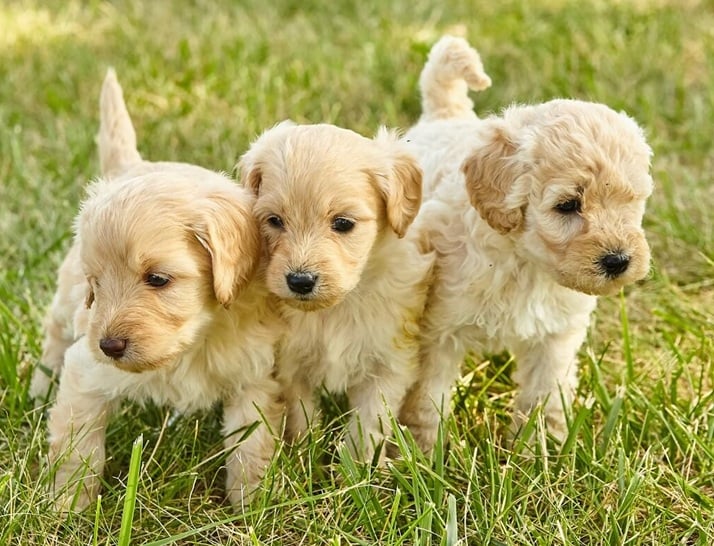
The Ultimate Guide to Taking Care of Mini Goldendoodle Puppies. Mini Goldendoodles are a delightful mix of a Golden Retriever and a Miniature Poodle. Their friendly personalities, hypoallergenic coats, and manageable size make them an ideal companion for families, singles, and seniors alike. However, raising a Mini Goldendoodle puppy requires dedication and knowledge. This guide will cover essential aspects of Mini Goldendoodle care, including nutrition, transportation, and training.
Category: Puppy Transport Tips

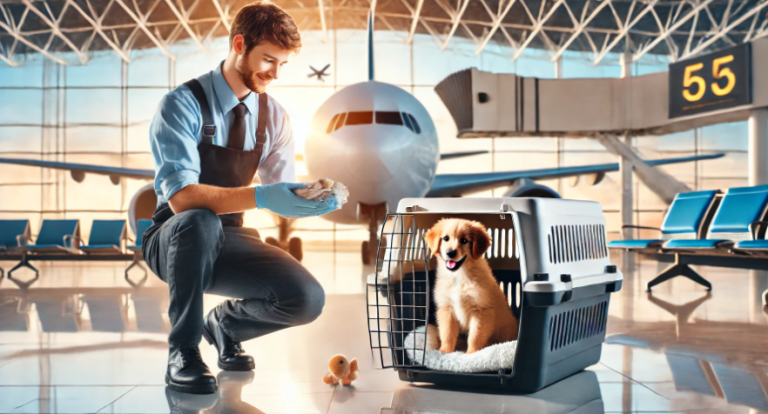
Using a reputable puppy transportation service is crucial for ensuring the safety and well-being of your puppy during travel. These specialized services are equipped with the necessary expertise, resources, and experience to handle the unique needs of young dogs, minimizing stress and potential health risks.
Reputable transporters adhere to strict guidelines and regulations. This helps ensure that puppies are transported in climate-controlled environments, with adequate breaks for food, water, and exercise. They are trained to monitor the puppy’s condition throughout the journey, responding promptly to any signs of distress. Also, puppy transport services provide peace of mind to pet parents. They offer tracking options and regular updates on the puppy’s status.
Choosing a trusted provider reduces the risk of delays, mishandling, or exposure to unsafe conditions, which can be particularly harmful to puppies. Ultimately, a reputable puppy transportation service prioritizes the animal’s welfare. This helps ensure that your puppy arrives at its destination healthy, and happy. And ready to begin life in a new home.
Are Min Pin Puppies Actually Related To Dobermans?
Min Pin Puppies. Best Care for Miniature Pinscher Puppies: A Comprehensive Guide. Miniature Pinschers, often affectionately referred to as Min Pins, are small, spirited dogs known for their lively personalities and sleek, elegant appearance. While their compact size and playful demeanor make them a popular choice among dog lovers, caring for Min Pin puppies requires specific attention to their unique needs. Here’s a detailed guide to ensuring your Min Pin puppy thrives in its new home.
What Is The Safest Way To Transport A Bulldog Puppy?
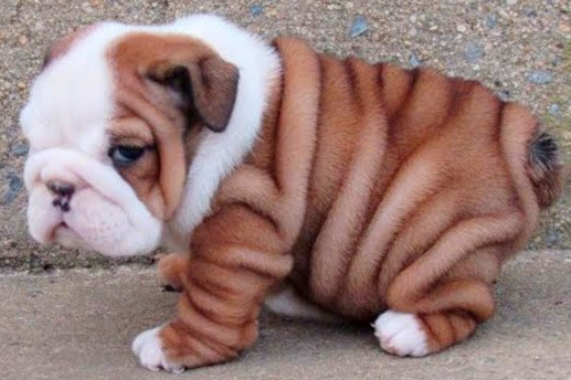
Transportation for Bulldog Puppies: Best Practices for New Owners. Welcoming a bulldog puppy into your family is an exciting and joyful experience. However, ensuring their safe, affordable, and reliable transportation during the initial days and months of ownership is a super important aspect of responsible pet care.
Bulldogs, with their unique physical characteristics and health sensitivities, require special attention when being transported. This article outlines best practices to guarantee your bulldog puppy’s comfort and safety while keeping costs manageable.
Transportation For Bulldog Puppies
Preparing for the Initial Journey Home
The journey from the breeder, shelter, or rescue to your home is your bulldog puppy’s first significant experience outside their previous environment. Here are steps to ensure a smooth transition:
1. Choose the Right Transportation Method
- Personal Pickup: Whenever possible, pick up your puppy in person. This minimizes stress and allows you to monitor their well-being throughout the journey.
- Pet Transport Services: If you’re unable to pick up your puppy yourself, consider hiring a reputable pet transportation company that specializes in short-nosed breeds like bulldogs. Ensure they’re experienced in handling brachycephalic dogs.
2. Select an Appropriate Carrier
- Invest in a well-ventilated, airline-approved pet carrier. The carrier should be large enough for your puppy to stand, turn around, and lie down comfortably.
- Line the carrier with soft, absorbent bedding to keep your bulldog puppy cozy and to manage any accidents during transit.
3. Plan for Frequent Breaks
Bulldogs are prone to overheating due to their short snouts. If traveling by car, plan to stop every 1-2 hours to allow your puppy to stretch, hydrate, and relieve themselves.
4. Pack a Puppy Essentials Kit
- Include items such as water, a portable bowl, puppy pads, a leash, a favorite toy, and a small portion of their current food.
- Keep vaccination records and health certificates handy, especially if crossing state or international borders.
Traveling by Air: Special Considerations for Bulldogs
Air travel can be challenging for brachycephalic breeds like bulldogs due to their respiratory vulnerabilities. If air travel is necessary, follow these guidelines:
Choose a Bulldog-Friendly Airline
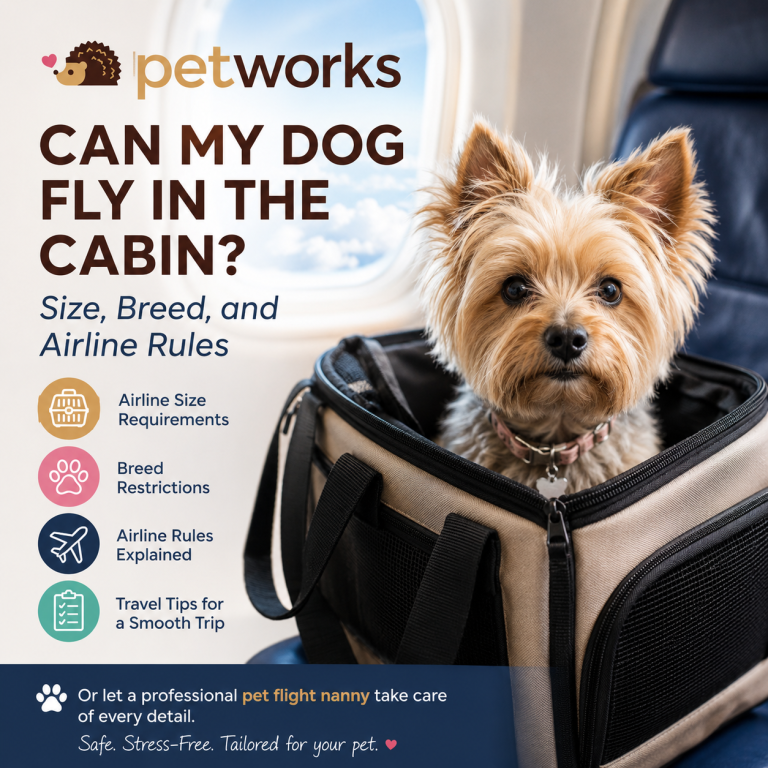
Some airlines have specific policies or restrictions for short-nosed breeds. Research airlines that prioritize the safety of brachycephalic dogs and offer cabin travel options.
Book Direct Flights
Direct flights reduce the stress and health risks associated with layovers and extended travel times.
Request Cabin Travel
If your puppy meets the size requirements, opt for in-cabin travel. This allows you to monitor them closely and ensures they remain in a climate-controlled environment.
Time Your Travel Wisely
Avoid traveling during extreme weather conditions. Early morning or evening flights are ideal in warmer months, while midday flights are better in colder seasons.

Are you finding this article useful? Would you like 100% free access to more articles like these, and free access to over 5,000 vetted pet care service professionals throughout the United States? Sign up here for a free PetWorks account, and we’ll email you a 10% discount code, good towards your first pet care services booking on PetWorks!
Settling Your Bulldog Puppy at Home
Once you’ve safely transported your puppy to their new home, the next phase involves acclimating them to their environment while preparing for future outings and trips.
Create a Comfortable Space
Designate a quiet, cozy area where your puppy can rest and feel secure. Use the same bedding from their carrier to provide a sense of familiarity.
Introduce Gradual Socialization
Allow your puppy to explore their surroundings at their own pace. Gradual introductions to family members and pets help prevent overwhelming your new companion.
Monitor Health and Behavior
Schedule a veterinary checkup within the first week to establish a baseline for your puppy’s health. Discuss vaccination schedules, deworming, and dietary recommendations with your veterinarian.
“Brachycephalic breeds, like Bulldogs, have anatomical abnormalities that make it difficult for them to breathe and regulate their body temperature. This makes them extremely vulnerable to heat stress and respiratory distress during travel. For these dogs, the journey must be managed with extreme care, prioritizing climate control and constant monitoring over cost or convenience.” – Dr. Nelva Bryant, veterinarian and pet travel expert who formerly worked for the CDC and now consults on safe animal transport.
Best Practices for Local Travel During the First Few Months
Whether it’s a trip to the vet, a visit to the park, or a family outing, local travel is a regular part of your bulldog puppy’s routine. Here’s how to ensure safe and stress-free trips:
Use a Secure Car Seat or Carrier
Invest in a pet-specific car seat, harness, or carrier to keep your puppy secure during car rides. This reduces the risk of injury in case of sudden stops or accidents.
Keep the Temperature Comfortable
Bulldogs are highly sensitive to temperature extremes. Ensure your car is well-ventilated and avoid leaving your puppy unattended, even for a few minutes.
Plan Short, Positive Trips
Gradually acclimate your puppy to car rides by starting with short trips to enjoyable destinations, such as a nearby park or a pet-friendly store.
Practice Patience
Some puppies may experience motion sickness or anxiety during car rides. Consult your veterinarian for solutions, such as anti-nausea medications or calming aids.
Managing Costs Without Compromising Safety
Transporting a bulldog puppy doesn’t have to break the bank. Here are tips to keep costs affordable while maintaining high standards of safety and reliability:
Compare Service Providers
Research and compare prices from multiple pet transportation service companies to find the best value. Look for companies with positive reviews and experience with brachycephalic breeds.
Book Early
Advance bookings often come with discounts and ensure availability, especially during peak travel seasons.
Opt for Local Resources
If possible, choose local breeders or shelters to reduce travel distances and costs.
Leverage Technology
Use apps and websites to find affordable pet-friendly accommodations, transportation options, and veterinary services.
Emergency Preparedness During Travel
Being prepared for emergencies can make all the difference when transporting your bulldog puppy:
Carry a First Aid Kit
Include essentials such as gauze, antiseptic wipes, tweezers, and any medications prescribed by your veterinarian.
Know Emergency Contacts
Keep a list of nearby veterinarians, pet hospitals, and 24/7 emergency services along your travel route.
Stay Calm
In case of an emergency, remain calm and prioritize your puppy’s safety. Contact a professional immediately if you notice signs of distress, such as excessive panting, vomiting, or lethargy.
Building Positive Transportation Habits
The first few months are critical for shaping your bulldog puppy’s attitude toward travel. By following these best practices, you can make transportation a positive and stress-free experience for your furry friend:
- Practice Desensitization: Expose your puppy to different environments, sounds, and vehicles in a controlled and gradual manner.
- Reward Good Behavior: Use treats and praise to reinforce calm and cooperative behavior during travel.
- Maintain a Routine: Establish consistent travel habits, such as using the same carrier or car seat, to provide a sense of security.
When it comes to transporting a Bulldog puppy, the questions reflect a high level of “breed-specific anxiety.” Because Bulldogs are brachycephalic (flat-faced), travel isn’t just a logistics challenge—it’s a health risk.
Important FAQs about Transporting A Bulldog Puppy:
1. “Can my Bulldog puppy fly in the airplane cargo hold?”
The short answer: No. In 2026, almost every major commercial airline has a permanent ban on Bulldogs (English, French, and American) traveling in the cargo hold.
-
Why it’s asked: Many owners are surprised to find that while a Lab puppy can fly cargo, a Bulldog cannot.
-
The Risk: Cargo holds can experience temperature fluctuations and air pressure changes that are fatal to Bulldogs, whose narrow airways make it impossible for them to regulate their body temperature effectively.
-
The Workaround: Owners often ask this because they are looking for “Flight Nannies”—professionals who carry the puppy in-cabin under the seat.
2. “What is the maximum safe temperature for transport?”
The consensus: 75°F (24°C) is the danger zone. Bulldog owners are hyper-aware of heatstroke, leading to frequent searches about climate control.
-
The “Snub-Nose” Rule: Most experts and transport agencies (like IPATA) advise that Bulldogs should never be transported if ground temperatures exceed 75°F-80°F at any point in the journey.
-
Search Intent: People often ask this when planning summer moves. They are looking for “climate-controlled ground transport” or “refrigerated pet couriers” to ensure the puppy stays in a constant 65°F–70°F environment.
3. “Do I need a special ‘oversized’ crate for a Bulldog?”
The expert answer: Yes, the “10% Rule.” One of the most technical but common FAQs involves the IATA (International Air Transport Association) crate requirements for snub-nosed breeds.
-
The Requirement: For Bulldog safety, crates must generally be 10% larger than the standard size required for other breeds of the same dimensions.
-
Why it matters: Extra space is not for “comfort”—it is for ventilation. Larger crates allow for better airflow and prevent the puppy’s own body heat from creating a “sauna effect” inside the carrier.
Transporting your bulldog puppy safely, affordably, and reliably requires thoughtful planning and attention to their unique needs. From the initial journey home to everyday outings and longer trips, prioritizing your puppy’s comfort and well-being ensures a smooth transition into their new life with you. By following these best practices, you can create positive travel experiences that strengthen your bond and set the foundation for a lifetime of happy adventures together.
About PetWorks
In 2021, Dr. Marty Goldstein DVM joined the pet care platform PetWorks as an advisor in its Animal Nutrition care division. Dr Marty Nature’s Blend is on a mission to help your pets live their healthiest lives possible. Dr. Marty’s pet nutrition expertise and guidance has helped PetWorks evolve and become the preeminent animal and pet nutrition consultation service for pet parents in North America.
In 2022, Blue Buffalo Founder Bill Bishop Jr. joined PetWorks as Senior Advisor in our Animal Nutrition Care Division. Bill brings his extensive expertise in pet food innovation and business leadership. His guidance helps PetWorks enhance our pet nutrition service offerings, helping to ensure that pet parents throughout the world receive trusted, science-backed nutritional support for their dogs, cats, and animals.
About The Author
PetWorks Co-Founder Kevin Kinyon is a life-long animal lover who works tirelessly to improve the lives of pets and their parents. Human and animal qualities he values most are integrity, humor, and empathy.
How Much Exercise Does A Rottweiler Puppy Need?
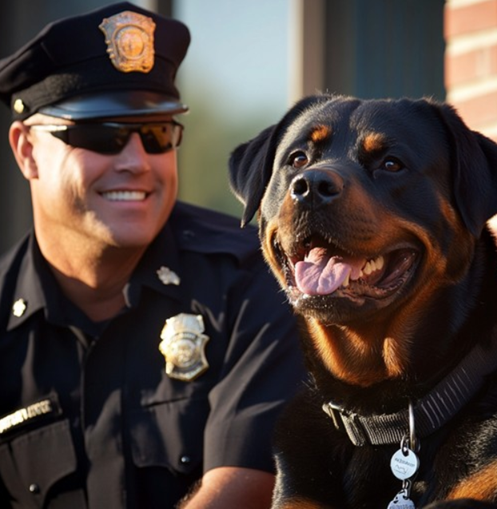
Raising Rottweiler Puppies: Health Care and Wellness Plan. Rottweilers are one of the most loyal, intelligent, and protective dog breeds, making them excellent companions for families and individuals alike. Originating from Germany, these robust working dogs have a long history of serving as herders, guard dogs, and police canines. Raising a Rottweiler puppy requires proper knowledge of their health care, transportation, nutrition, training, and overall wellness. In this article, we explore everything you need to know to provide the best life for your Rottweiler puppy.
Do Lhasa Apso Puppies Grow Into Good Family Pets?
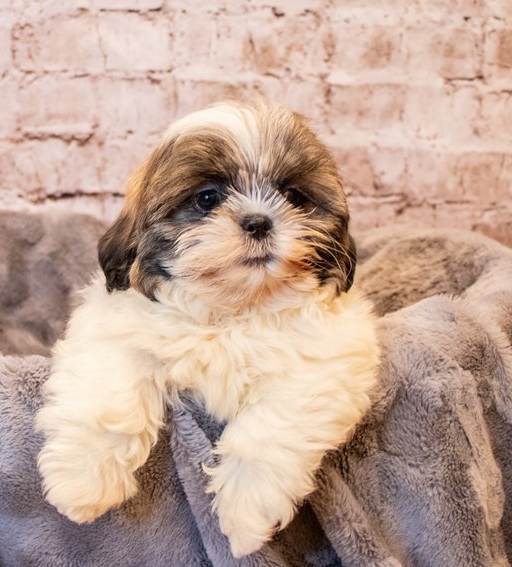
Lhasa Apso Puppies. Adopting a Lhasa Apso puppy can be a rewarding experience, bringing a loyal and affectionate companion into your home. This ancient breed, originating from Tibet, displays a distinctive appearance and an endearing personality. Potential adopters should learn about adoption and rescue costs across the United States, transportation expenses, wellness needs such as nutrition, grooming, and veterinary care, and the breed’s history and suitability as a family pet.
Adoption and Rescue Costs Across the United States
The cost of adopting a Lhasa Apso can vary significantly depending on the source…whether through a breeder, rescue organization, or animal shelter. Purchasing a Lhasa Apso puppy from a reputable breeder typically ranges from $600 to $1,500, though prices can vary widely based on factors like lineage and location.
Adoption fees from rescue organizations or shelters are generally more affordable and often cover initial veterinary care, vaccinations, and spaying or neutering. For instance, Niagara Dog Rescue lists their adoption fees as follows:
- Dogs under 1 year: $850
- Dogs aged 1 to under 8 years: $695
- Seniors (8+ years): $450
- Special needs dogs: $450
It’s important to note that these fees can vary based on the organization’s policies and the dog’s age, health status, and other factors.
“Lhasa Apso puppies can grow into excellent family companions when they’re properly socialized and trained early. They’re loyal, intelligent dogs that thrive in homes where their independent nature is understood and respected.” – paraphrased from guidance by Dr. Marty Becker, DVM, veterinarian and pet behavior expert.
Transportation Costs
If you’re adopting a Lhasa Apso from a distant location, transportation costs should be considered. These expenses can vary widely based on distance, mode of transport, and the organization’s arrangements. For example, Charming Pet Rescue charges a transport fee of $300 for dogs, which is paid at checkout when choosing transport as the delivery method. You can book a puppy transportation pro yourself as well.
In some cases, rescue organizations collaborate with volunteer pilots or non-profit groups to transport animals, potentially reducing costs. Organizations like Pilots To The Rescue aim to prevent at-risk animals from being euthanized by transporting them via air and ground transportation to give them the best chance at adoption. It’s advisable to discuss transportation arrangements and associated costs with the adoption agency during the adoption process.
Overall Wellness: Nutrition, Grooming, and Veterinary Care
Ensuring the health and well-being of your Lhasa Apso involves attention to nutrition, grooming, and regular veterinary care.
Nutrition:
A balanced diet is important for the health of a Lhasa Apso. High-quality commercial dog food that meets the nutritional standards set by the Association of American Feed Control Officials (AAFCO) is recommended. Portion control is essential to prevent obesity, a common issue in small breeds. Consulting with a veterinarian can help determine the appropriate diet and portion sizes based on your dog’s age, weight, and activity level.
Grooming:
Lhasa Apsos possess a dense, straight, and heavy coat requiring consistent maintenance. To prevent matting and ensure coat health, regular grooming is crucial. While a full, flowing coat is traditional, many owners prefer a shorter “puppy cut” (approximately 1-2 inches) for easier upkeep. Brush the coat frequently (ideally several times a week) and schedule periodic professional grooming. Perform routine hygiene tasks as well, including nail trimming, ear cleaning, and dental care.
Veterinary Care:
Consistent veterinary check-ups are essential for maintaining the health of your Lhasa Apso. Although generally healthy, the breed is predisposed to conditions such as hip dysplasia, patellar luxation, and various eye disorders. Early detection through regular veterinary visits allows for more effective management of potential health issues. Routine veterinary care should encompass vaccinations, parasite prevention, and dental hygiene.

Are you finding this article useful? Would you like 100% free access to more articles like these, and free access to over 5,000 vetted pet care service professionals throughout the United States? Sign up here for a free Petworks account, and we’ll email you a 10% discount code, good towards your first pet care services booking on Petworks!
Breed History
The Lhasa Apso is an ancient breed from Tibet, dating back over a thousand years. Named after the holy city of Lhasa, these dogs were bred by Buddhist monks to act as sentinels for temples and monasteries. Their keen hearing and alert nature made them excellent watchdogs, alerting monks to any intruders who managed to get past the outdoor guard dogs, often Tibetan Mastiffs.
The breed’s name, loosely translated, means “bearded lion dog,” reflecting their appearance and esteemed status in Tibetan culture.
Fun Facts About Lhasa Apso Puppies
-
Ancient Lineage: Recent DNA studies indicate that the Lhasa Apso is among the 14 most ancient breeds recognized by the American Kennel Club (AKC).
-
Spiritual Significance: In Tibetan culture, Lhasa Apsos were considered sacred. It was believed that when a Lhasa Apso’s owner died, the human soul entered the dog’s body.
-
Royal Gifts: The 14th Dalai Lama introduced the breed to the United States in the late 1940s by gifting Lhasa Apsos to visitors, spreading their popularity beyond Tibet.
Lhasa Apsos as Family Pets
Lhasa Apsos are playful and fun-loving, yet they also possess a strong independent streak. Their alertness and natural instinct to protect make them excellent watchdogs.
Lhasa Apsos and Children:
- Early socialization with children is crucial for Lhasa Apsos. This helps prevent potential aggression.
- While well-socialized Lhasa Apsos generally do well with children, adult supervision is always recommended to ensure the safety of both the child and the dog.
Lhasa Apsos and Other Dogs:
- Due to their protective nature, Lhasa Apsos require careful supervision around other dogs.
- Early and consistent socialization allows them to coexist peacefully with other dogs.
- They may become defensive if their personal space is challenged by another dog.
Allergies and Cleanliness:
Lhasa Apsos produce few allergens, which makes them suitable for allergy sufferers. Their silky coat sheds minimally, contributing to this hypoallergenic quality. They also maintain cleanliness by rarely drooling or slobbering, which helps keep homes tidy.
Lhasa Apso Puppies Overall Temperament and Suitability:
- Lhasa Apsos are excellent companions for families seeking a small, watchful dog.
- With early training and socialization, they develop into loyal, playful, and sociable pets.
- They naturally are protective, which makes them a good watch dog.
FAQs
Do Lhasa Apso puppies become good family dogs as adults?
Yes, with proper training and socialization, Lhasa Apso puppies typically grow into loyal, well-mannered family companions.
Are adult Lhasa Apsos good with children?
They do best with calm, respectful children and families that understand their independent nature.
Do Lhasa Apsos stay affectionate as they mature?
Yes, they remain affectionate and devoted to their families, often forming close bonds with one or two people.
Does early training affect family behavior later on?
Absolutely. Early socialization and consistent training play a big role in shaping a friendly, confident adult Lhasa Apso.
Are adult Lhasa Apsos good for busy households?
They adapt well to quieter homes and moderate activity levels rather than very loud or chaotic environments.
Lhasa Apsos are known for…
their affectionate and loyal nature, making them excellent companions for families!
About Petworks
In 2021, Dr. Marty Goldstein DVM joined the pet care platform Petworks as an advisor in its Animal Nutrition care division. Dr Marty Nature’s Blend is on a mission to help your pets live their healthiest lives possible. Dr. Marty’s pet nutrition expertise and guidance has helped Petworks evolve and become the preeminent animal and pet nutrition consultation service for pet parents in North America.
In 2022, Blue Buffalo Founder Bill Bishop Jr. joined Petworks as Senior Advisor in our Animal Nutrition Care Division. Bill brings his extensive expertise in pet food innovation and business leadership. His guidance helps Petworks enhance our pet nutrition service offerings, helping to ensure that pet parents throughout the world receive trusted, science-backed nutritional support for their dogs, cats, and animals.
About The Author
Petworks Co-Founder Kevin Kinyon is a life-long animal lover who works tirelessly to improve the lives of pets and their parents. Human and animal qualities he values most are integrity, humor, and empathy.