Posted on

Mini Goldendoodle Puppy Care: The Complete Guide for New Owners

Mini Goldendoodle Puppy Care

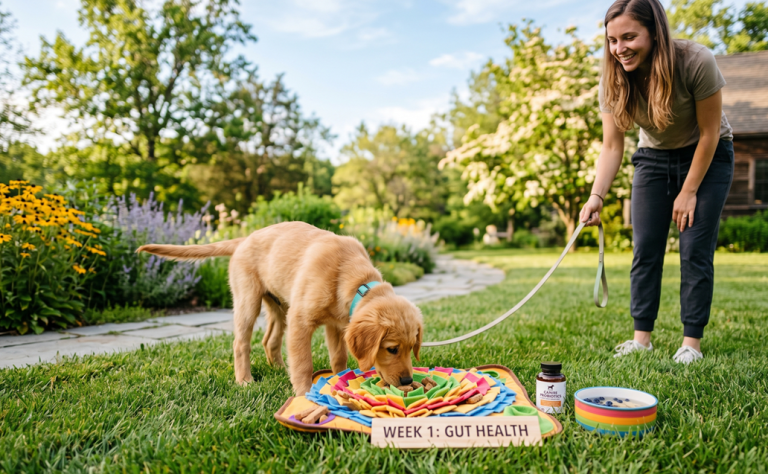
The Ultimate Guide to Taking Care of Mini Goldendoodle Puppies. Mini Goldendoodles are a delightful mix of a Golden Retriever and a Miniature Poodle. Their friendly personalities, hypoallergenic coats, and manageable size make them an ideal companion for families, singles, and seniors alike. However, raising a Mini Goldendoodle puppy requires dedication and knowledge. This guide will cover essential aspects of Mini Goldendoodle care, including nutrition, transportation, and training.

(more…)

Posted on

Private Dog Training vs Group Classes: Is It Worth the Cost?

personal dog trainer

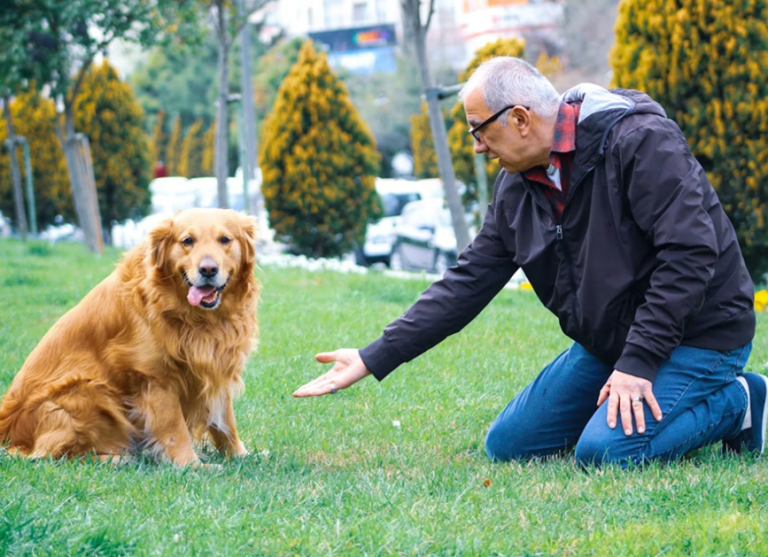
Choosing the right dog training option can feel overwhelming. Should you hire a personal dog trainer for one-on-one attention, or enroll your dog in group training classes for structure and socialization? The truth is: there’s no one-size-fits-all answer. The best choice depends on your dog’s personality, behavior challenges, age, and your own goals as a pet parent. (more…)

Posted on

How Much Exercise Does A Rottweiler Puppy Need?

Raising Rottweiler Puppies

Raising Rottweiler Puppies: Health Care and Wellness Plan. Rottweilers are one of the most loyal, intelligent, and protective dog breeds, making them excellent companions for families and individuals alike. Originating from Germany, these robust working dogs have a long history of serving as herders, guard dogs, and police canines. Raising a Rottweiler puppy requires proper knowledge of their health care, transportation, nutrition, training, and overall wellness. In this article, we explore everything you need to know to provide the best life for your Rottweiler puppy.

(more…)

Posted on

Is This Just a Puppy Phase or a Real Problem?

Puppy Phase

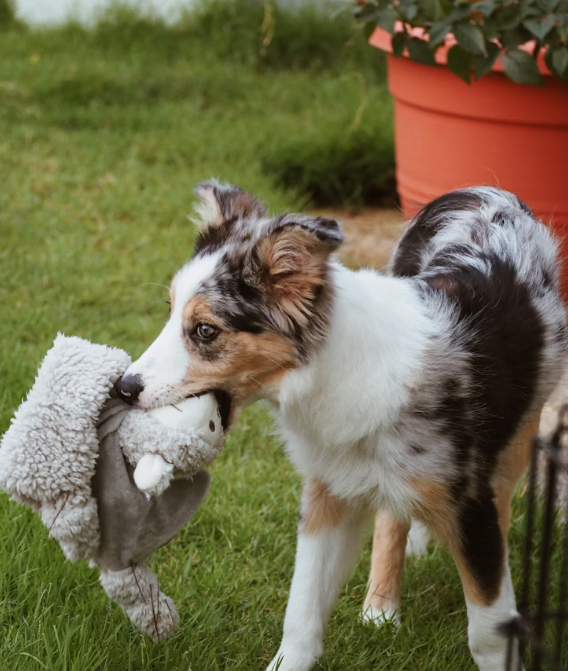
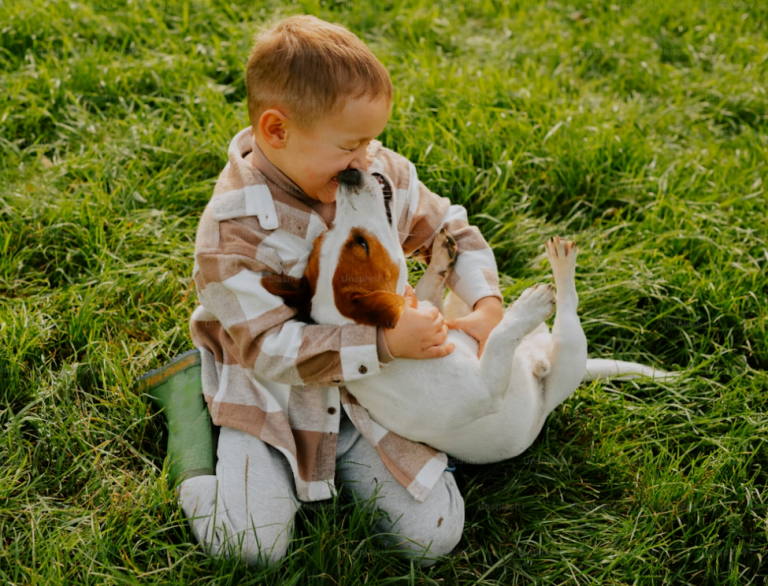
If you’ve ever brushed off your puppy’s behavior with “They’ll grow out of it,” you’re not alone. Jumping, biting, barking, pulling on the leash, chewing furniture. Many pet parents assume these behaviors are just part of puppyhood. Sometimes, they are. But sometimes, waiting is the most expensive decision you can make.

Knowing the difference between a normal puppy phase and a developing behavior problem can save you stress, money, and heartbreak later.

What Counts as a Normal Puppy Phase?

Puppies experience predictable developmental stages, especially in their first 18 months. During these phases, certain behaviors are expected.

Common puppy-phase behaviors include:

  • Mouthiness and nipping during teething

  • Short attention spans

  • Occasional accidents during house training

  • Temporary fear periods

  • Bursts of high energy followed by deep sleep

These behaviors usually improve with consistent guidance, structure, and age.

Puppy Phase“Puppies explore the world with their mouths and emotions. What matters isn’t that these behaviors exist. It’s whether they’re improving over time.” – Dr. Ian Dunbar, Veterinarian & Animal Behaviorist


When “They’ll Grow Out of It” Becomes a Problem

The red flag isn’t the behavior itself — it’s the pattern.

If a behavior is intensifying, spreading, or causing safety concerns, it’s no longer just a phase.

Signs It’s More Than a Puppy Phase

  • Biting that breaks skin or escalates with age

  • Jumping that knocks people over

  • Fear responses that turn into avoidance or aggression

  • Barking that worsens instead of settling

  • Destructive behavior linked to anxiety

  • Leash reactivity toward people or dogs

  • Inability to calm down even after exercise

is this a Puppy Phase“Time alone doesn’t fix behavior. Skills fix behavior. And the longer a habit is practiced, the harder it is to undo.” – Pat Miller, Certified Professional Dog Trainer & Author


Why Waiting Often Makes Behavior Problems Worse

Behavior is learned through repetition. When puppies rehearse unwanted behaviors — even unintentionally — those behaviors become default coping mechanisms.

What starts as:

  • playful nipping

  • mild fear

  • excitement barking

can evolve into:

  • adult biting

  • reactivity

  • chronic anxiety

And adult dogs don’t get the same social grace as puppies.

is this normal puppy behavior“People tolerate behaviors in puppies that would be unacceptable in adult dogs. By the time they seek help, the dog has had months or years of practice.” – Karen Pryor, Behavioral Scientist & Trainer


The Hidden Cost of “Waiting It Out”

Many pet parents delay training to save money — but early intervention is almost always cheaper.

Delaying help can lead to:

  • More intensive (and expensive) training later

  • Limited housing or travel options

  • Injuries to people or other pets

  • Emotional burnout for pet parents

  • Rehoming or surrender in severe cases

Early guidance often means fewer sessions, faster results, and less stress.

can cats eat human food

Are you finding this article useful? Would you like 100% free access to more articles like these, and free access to over 5,000 vetted pet care service professionals throughout the United States? Sign up here for a free Petworks account, and we’ll email you a  10% discount code, good towards your first pet care services booking on Petworks!

Puppy Phase vs. Real Problem: A Quick Comparison

Likely a Puppy Phase if:

  • Behavior improves week to week

  • Puppy responds to redirection

  • Intensity decreases with structure

  • No fear or aggression involved

Likely a Real Problem if:

  • Behavior escalates with age

  • Puppy ignores or resists guidance

  • Fear, anxiety, or aggression appears

  • Daily life revolves around managing behavior


When to Seek Professional Help

You don’t need to wait for a crisis to get support.

Consider working with a puppy trainer or animal behavior professional if:

  • You feel overwhelmed or frustrated

  • Progress has stalled

  • Safety is a concern

  • Advice online feels contradictory

  • You’re saying “maybe next month” — repeatedly

puppy phases“The best time to get help is when you first ask yourself whether you need it.” – Victoria Stilwell, Dog Trainer & Behavior Expert


It’s Not a Failure — It’s Responsible Parenting

Needing help doesn’t mean you failed your puppy. It means you’re paying attention.

Most serious behavior problems don’t start as emergencies — they start as small concerns that were easy to ignore.

should I wait to train my puppy“Most serious behavior problems don’t start as emergencies. They start as small issues pet parents were told to wait out. Time doesn’t change behavior. Guidance does.” – Kevin Kinyon, Co-Founder, PetWorks

Frequently Asked Questions

Will my puppy grow out of biting?

Some mouthiness improves naturally, but biting that escalates, causes injury, or continues past teething often needs professional guidance.

At what age do dogs calm down?

Many dogs mature emotionally between 18–36 months, but without training, unwanted behaviors often remain — just in a larger body.

Can separation anxiety go away on its own?

True separation anxiety rarely resolves without intervention and often worsens if untreated.

Is it ever too early to hire a dog trainer?

No. Early guidance is usually faster, cheaper, and more effective than fixing ingrained behaviors later.

Am I overreacting by getting help?

Most pet parents who seek help early wish they’d done it sooner — not later.

If you’re asking “Is this just a phase?” that question alone is worth listening to.

Puppies grow.
Habits grow faster.

About PetWorks

Dr Marty Goldstein Nature's Blend - Petworks NutritionMarty Goldstein DVM joined the pet care platform PetWorks as an advisor in its Animal Nutrition care division. Dr Marty Nature’s Blend is on a mission to help your pets live their healthiest lives possible. Dr. Marty’s pet nutrition expertise and guidance has helped PetWorks evolve and become the preeminent animal and pet nutrition consultation service for pet parents in North America.

Bill Bishop Blue Buffalo Pet NutritionIn 2022, Blue Buffalo Founder Bill Bishop Jr. joined PetWorks as Senior Advisor in our Animal Nutrition Care Division. Bill brings his extensive expertise in pet food innovation and business leadership. His guidance helps PetWorks enhance our pet nutrition service offerings, helping to ensure that pet parents throughout the world receive trusted, science-backed nutritional support for their dogs, cats, and animals.

About The Author

Kevin Kinyon PetWorks Pet Care Service ProfessionalPetWorks Co-Founder Kevin Kinyon is a life-long animal lover who works tirelessly to improve the lives of pets and their parents. Human and animal qualities he values most are integrity, humor, and empathy.

Posted on

How Long Does It Take to House Train a Puppy?

puppy house training

House training a puppy is one of the most important steps in welcoming a new furry friend into your home. Every new puppy parent asks the same question: how long does it take to house train a puppy? The answer isn’t one-size-fits-all, but with the right approach, patience, and consistency, your puppy can learn to eliminate outside and avoid accidents indoors. (more…)