How Canine Chiropractic Care Supports Active Pups on the Gulf Coast

signs your dog needs a chiropractor

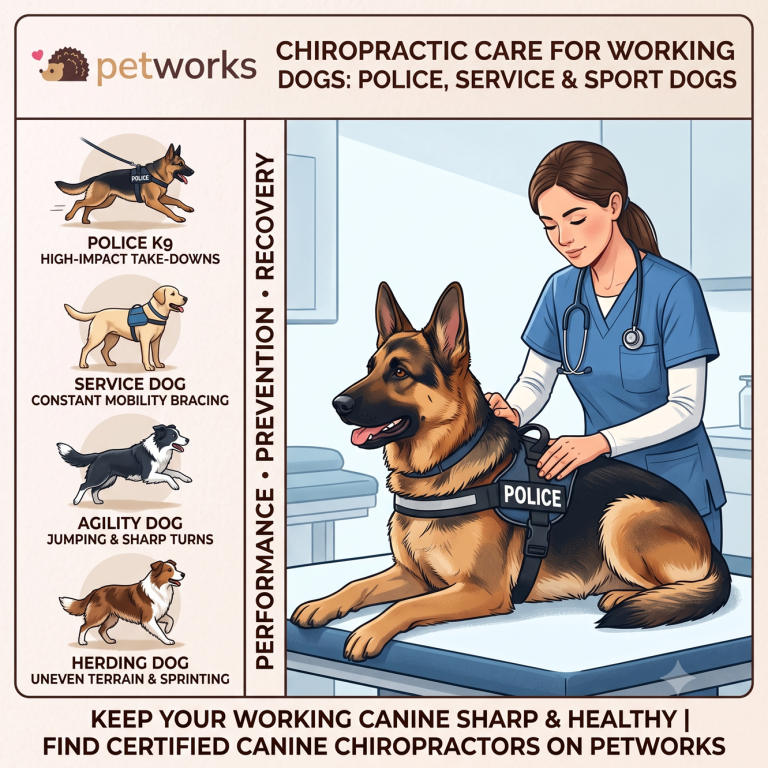
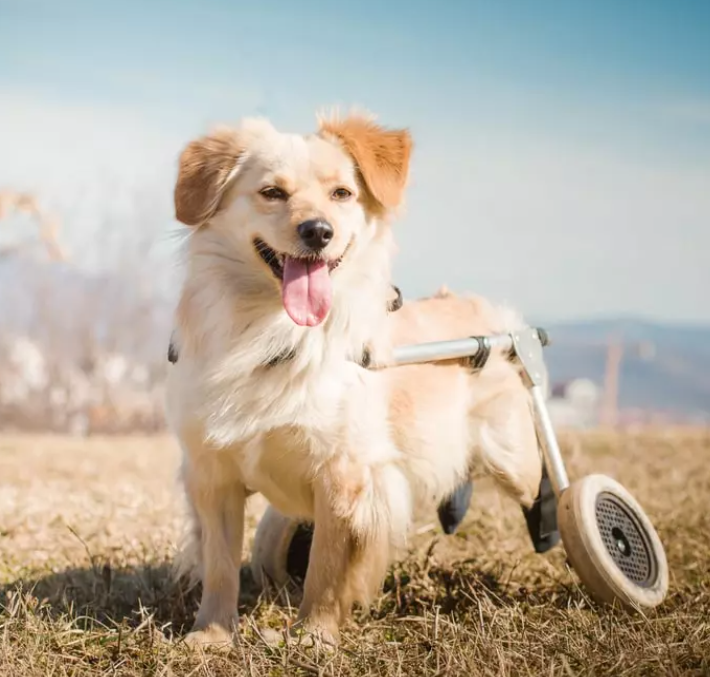
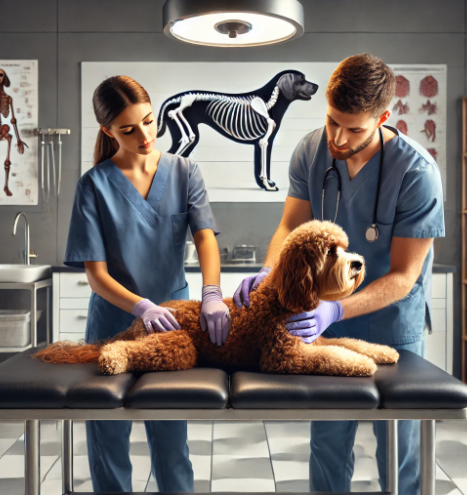
Let’s discuss the signs that your dog needs a chiropractor. From chasing flying discs across the wide shores of Brohard Paw Park to navigating the pristine, rolling sands of Siesta Key, dogs living along Florida’s Gulf Coast enjoy an incredibly dynamic, outdoor-centric lifestyle. The combination of year-round sunshine, ocean water, and expansive coastlines makes the region a paradise for high-energy canines. However, this active environment places unique physical demands on a dog’s musculoskeletal system that differ substantially from traditional inland environments. (more…)

Is Your Senior Dog Slowing Down? The 5-Point Mobility Audit

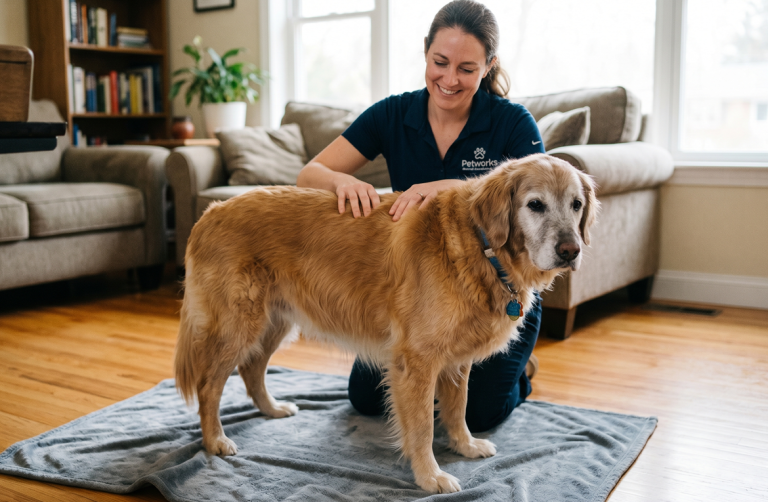
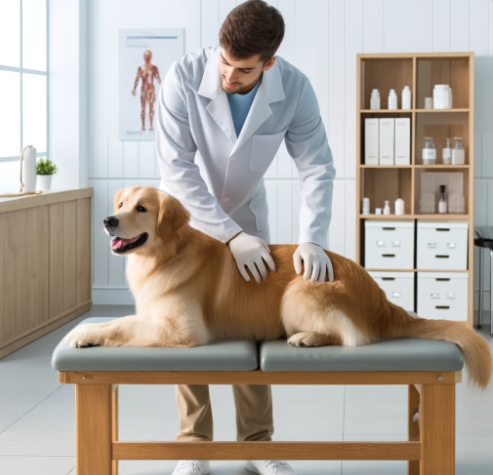
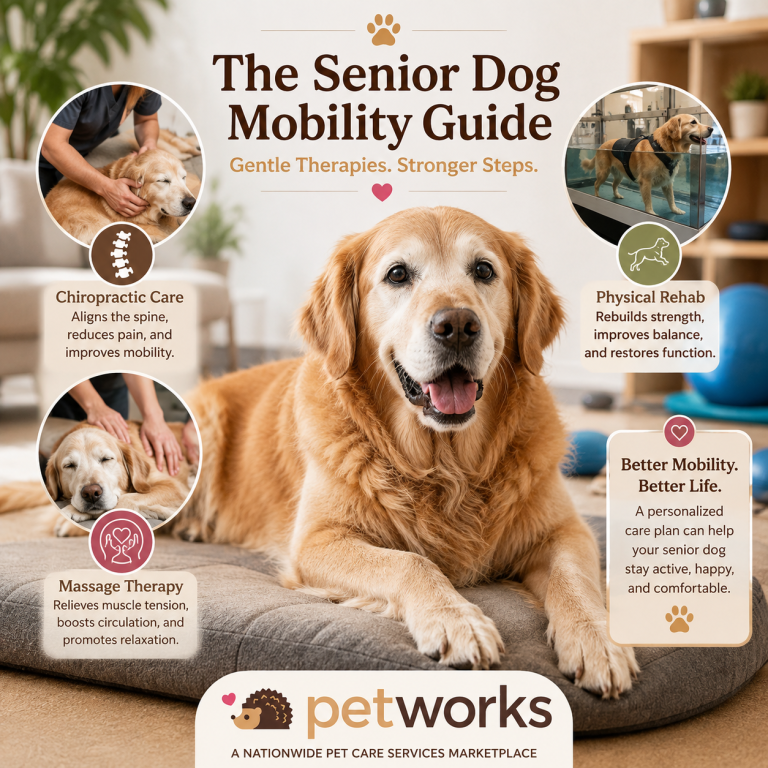
Senior dog mobility audit: a golden retriever receiving a gentle spinal checkup

As our dogs enter their golden years, we observe senior dog mobility issues, and often expect them to “slow down.” We watch them struggle to get off the rug or hesitate at the bottom of the stairs, and we sigh, thinking, “Well, they’re just getting old.” But what if it isn’t just “old age”? In many cases, what looks like inevitable aging is actually a build-up of spinal misalignment and joint restriction. When a dog’s spine isn’t moving correctly, it creates a “kink in the hose” for their nervous system, leading to stiffness, muscle wasting, and hidden pain. Is your dog truly “slowing down,” or is their back holding them back? Use this 5-point mobility audit to find out. (more…)

Your Dog May Need Chiropractic Care: Signs, Causes, and What to Do

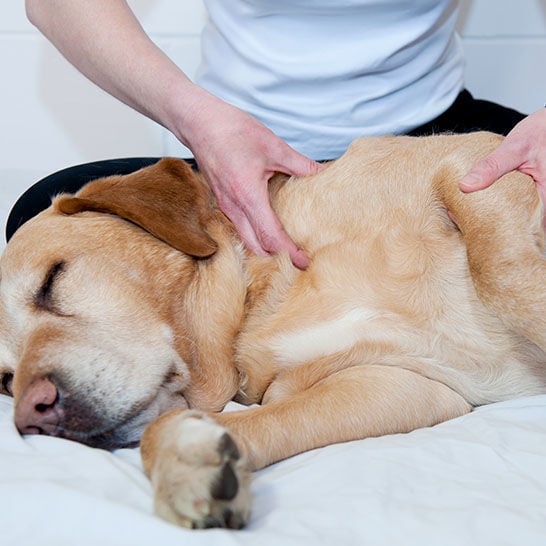
signs dog needs chiropractic care

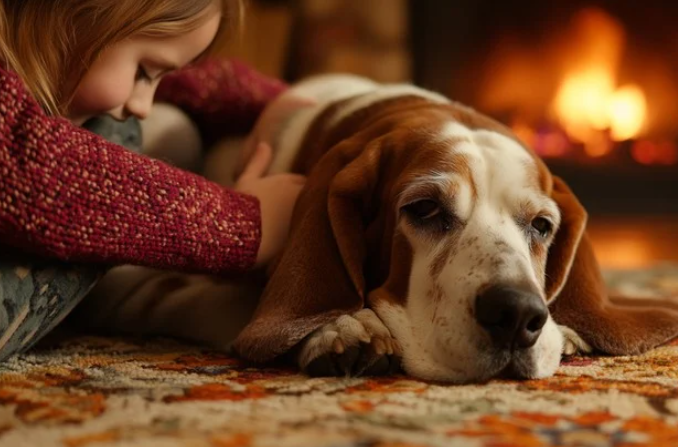
Dogs often hide signs of discomfort. Slowing down or acting older may actually reflect changes in joint mobility, spinal alignment, or muscle tension.

Canine chiropractic care is a non-invasive method that helps support proper joint and spinal function to improve mobility and comfort.

So how can you tell when your dog might need it?

🐶 Signs Your Dog May Need Chiropractic Care

The most common signs are stiffness, reduced mobility, and changes in how your dog moves or behaves.

If your dog is experiencing mobility issues, you may notice:

  • stiffness after resting or sleeping
  • reluctance to jump, climb stairs, or enter vehicles
  • limping or uneven gait
  • decreased activity or playfulness
  • sensitivity when touching the back, neck, or hips
  • difficulty standing up or lying down
  • changes in posture or head position

👉 These signs often suggest restricted joint movement or musculoskeletal discomfort.


🧠 Why Dogs Develop Mobility Problems

Mobility issues in dogs usually develop gradually and are often linked to aging, activity, or past injury.

Common causes include:

  • natural aging and joint wear
  • repetitive strain from activity or sport
  • minor injuries that altered movement patterns
  • spinal or joint compensation over time
  • muscle imbalance or reduced flexibility

👉 Many dogs adapt to discomfort, which is why symptoms can be subtle at first.


🦴 What Canine Chiropractic Care Supports

Canine chiropractic care focuses on improving joint motion and spinal alignment to support better movement and comfort.

It is commonly used to help with:

  • improved mobility and flexibility
  • reduced stiffness
  • better posture and movement patterns
  • overall comfort and quality of life

👉 It is typically used alongside veterinary care as part of a broader wellness approach.


🐕 Senior Dogs and Mobility Changes

Mobility decline in senior dogs is often assumed to be normal aging, but it may also involve treatable joint or spinal restriction.

Signs in older dogs may include:

  • stiffness after rest
  • slower movement or reduced activity
  • hesitation with stairs or jumping
  • difficulty rising or lying down

👉 Early evaluation may help support comfort and mobility as dogs age.


🏃 Active Dogs and Repetitive Strain

Active dogs can develop subtle mobility issues from repeated impact, strain, or performance activity.

Common signs include:

  • reduced performance or endurance
  • uneven stride during movement
  • stiffness after exercise
  • reluctance to repeat certain motions (jumping, turning, sprinting)

👉 These changes often develop gradually and may go unnoticed at first.

signs dog needs chiropractic care

Are you finding this article useful? Would you like 100% free access to more articles like these, and free access to over 5,000 vetted pet care service professionals throughout the United States? Sign up here for a free PetWorks account, and we’ll email you a  10% discount code, good towards your first pet care services booking on PetWorks!

🩺 When to Seek a Certified Animal Chiropractor

If your dog shows ongoing stiffness, mobility changes, or discomfort, a professional evaluation may help identify underlying joint or spinal restriction.

Consider seeking care if:

  • symptoms persist or worsen over time
  • movement appears restricted or uneven
  • behavior changes suggest discomfort during activity
  • your dog avoids normal movement patterns

👉 A certified animal chiropractor can evaluate whether chiropractic care may be appropriate.


❓ Frequently Asked Questions

Is chiropractic care safe for dogs?

Yes, when performed by a certified animal chiropractor, it is a non-invasive approach focused on improving mobility and comfort.

How quickly do results appear?

Some dogs respond quickly, while others improve gradually depending on condition and severity.

Does it replace veterinary care?

No. It is a complementary approach and should be used alongside veterinary guidance when needed.

Can young dogs benefit from chiropractic care?

Yes. Active young dogs may benefit from evaluation if they show movement imbalances or strain.

How often should dogs receive chiropractic care?

Frequency depends on the dog’s condition, activity level, and professional recommendation.


🐾 Find a Certified Dog Chiropractor

If your dog is showing signs of stiffness, reduced mobility, or discomfort, you can connect with canine chiropractors on PetWorks.

About PetWorks

Dr Marty Goldstein Nature's Blend - Petworks NutritionIn 2021, Dr. Marty Goldstein DVM joined the pet care platform PetWorks as an advisor in its Animal Nutrition care division. Dr Marty Nature’s Blend is on a mission to help your pets live their healthiest lives possible. Dr. Marty’s pet nutrition expertise and guidance has helped PetWorks evolve and become the preeminent animal and pet nutrition consultation service for pet parents in North America.

Bill Bishop Blue Buffalo Pet NutritionIn 2022, Blue Buffalo Founder Bill Bishop Jr. joined PetWorks as Senior Advisor in our Animal Nutrition Care Division. Bill brings his extensive expertise in pet food innovation and business leadership. His guidance helps PetWorks enhance our pet nutrition service offerings, helping to ensure that pet parents throughout the world receive trusted, science-backed nutritional support for their dogs, cats, and animals.

About The Author

PetWorks Co-Founder Kevin Kinyon is a life-long animal lover who works tirelessly to improve the lives of pets and their parents. Human and animal qualities he values most are integrity, humor, and empathy. 

Dog Chiropractic Care: Benefits, Safety, and What Every Dog Owner Should Know

canine chiropractic care

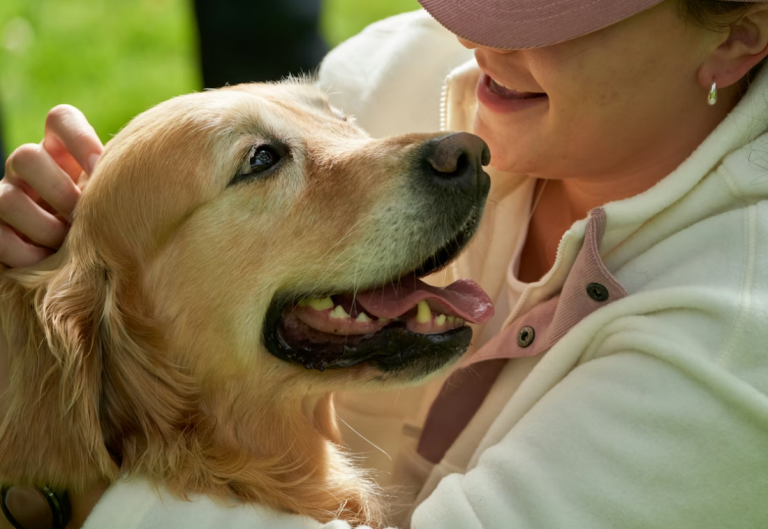
Chiropractic care for dogs is becoming an increasingly popular part of integrative veterinary wellness. Pet owners are turning to canine chiropractic treatments to help improve mobility, support recovery from injury, and enhance overall comfort—especially in aging dogs and active working breeds. But what exactly does dog chiropractic care involve, and is it right for your pet? (more…)

What Is IVDD In Dogs?

IVDD In Dogs

Understanding IVDD in Dogs: A Comprehensive Guide to Affected Breeds and Treatment Options. What is IVDD in Dogs? Intervertebral Disc Disease (IVDD) is a degenerative spinal condition that affects a dog’s intervertebral discs, leading to pain, nerve damage, and, in severe cases, paralysis. IVDD occurs when the cushioning discs between the vertebrae become damaged or rupture, compressing the spinal cord. This condition is particularly common in dogs with long backs and short legs but can affect any breed. The disease is classified into two types: Hansen Type I, which involves a sudden disc rupture, and Hansen Type II, which is a gradual degeneration of the discs over time.

(more…)