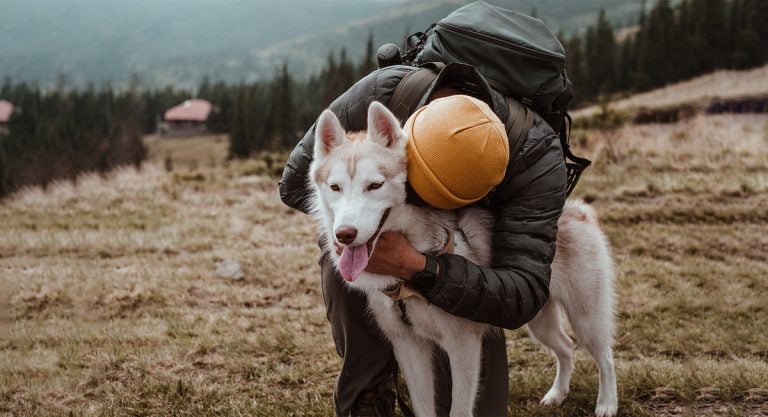
5 Tips to Heal After the Loss of a Beloved Pet

Pet Loss Healing

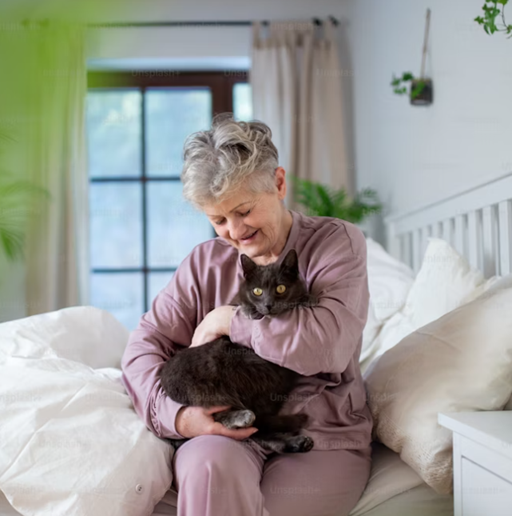
Healing After the Loss of a Beloved Pet. Originally published in July 2023. Many pet owners cannot imagine how life was before they had their lovable pet around. However, losing a pet is an experience that many of us, unfortunately, will face at some point in our lives.  Our furry companions bring us immeasurable joy, spread unconditional love, and become an integral part of our families. When they pass away, the pain can be overwhelming, leaving a void that seems impossible to fill. Healing and dealing with grief after losing a pet is hard for any pet parent.

The Rainbow Bridge

Today, I find myself grappling with these exact emotions as I mourn the loss of my beloved dog, Isabella. After nine years of unwavering companionship, Isabella crossed the rainbow bridge yesterday, leaving a void in my heart that words cannot adequately describe. Drawing from my personal and professional experience, I aim to explore the emotional journey of losing a beloved pet. The most important thing I want to do for Pet Parents who have experienced a loss is to offer comfort, support, and insight about this extremely challenging experience.

Five Tips On Pet Loss Healing:


Pet Loss Healing1. The Bond Between Humans and Pets

Pets have an incredible ability to touch our lives in ways that words alone cannot express. The bond we form with them is built on trust, loyalty, and unwavering love through a unique form of nonverbal communication. Despite everything, our pets become our confidants and our companions through thick and thin. The presence of our pets brings us immeasurable comfort and happiness. This is why healing after losing a pet and dealing with that grief can be especially difficult. However, recognizing and celebrating the unique and profound connection we share with our pets is an important part of the grieving process. Appreciating the life and connection you had with your pet and acknowledging their everlasting spirit is crucial.

2. Understanding Grief and Loss

Losing a pet can evoke a wide range of emotions, and it’s important to acknowledge and embrace these feelings in order to heal . Grief is a natural response to loss, and everyone experiences it differently. It is essential to give ourselves permission to grieve, allowing the emotions to flow and seeking support from loved ones who understand the depth of the bond we had with our pets. Harboring your emotions from yourself and others is a common response to grief. However, even though it may seem easier. this is an unhealthy tactic that should be avoided in order to allow you to grow and heal.

3. Honoring Our Pets’ Legacies

Honoring your pet’s memory is a beautiful way to heal. Creating a memorial or tribute can provide a sense of closure. It allows you to reflect on the joy they brought into your life. Consider creating a scrapbook of cherished memories or planting a tree in their honor. You could also make a donation to an animal welfare organization in their name. The spirit of your pet and the importance they had in your life should live beyond your pet’s years.

Support and Moving Forward…

4. Finding Support

During this difficult time, reach out to understanding friends and family. You can also find support groups dedicated to pet loss. Surrounding yourself with empathetic people provides comfort. It creates a safe space to share your stories, memories, and emotions. Connecting with others who have gone through similar experiences can remind us that we are not alone in our grief. Book an online session with a certified pet loss grief counselor.

Pet Loss Healing5. Moving Forward with Love

The pain of losing a pet may never fully go away. However, it is possible to find peace as you move forward. Embrace the love and memories you shared. This helps you heal and eventually opens your heart to a new furry friend. Remember, your departed pets would want you to find happiness. Likewise, continuing to provide love and care to other animals can be a source of inspiration.

counseling for pet loss

Are you finding this article useful? Would you like 100% free access to more articles like these, and free access to over 5,000 vetted pet care service professionals throughout the United States? Sign up here for a free Petworks account, and we’ll email you a  10% discount code, good towards your first pet care services booking on Petworks!

Pet Loss Healing

Losing a pet is a deeply personal and profound experience that touches the hearts of millions worldwide. It is a testament to the incredible impact animals have on our lives and the love we have for them. Through understanding and supporting one another, we can navigate the grief and loss that comes with saying goodbye to our beloved companions. May their memories live on, reminding us of the beautiful bonds we shared. And, may our hearts find healing and peace as we honor their legacies with love and gratitude.

About the AuthorPet Loss HealingI am a dedicated professional who supports others in finding their inner strength and reclaiming their lives after loss. My private coaching sessions provide you with personalized support, allowing for deep exploration of your grief, identification of obstacles, and creation of a roadmap towards healing and transformation. Together, we will unlock the power within you to heal, thrive, and embrace life once more.

Frequently Asked Questions About Pet Loss and Healing

Why is the loss of a pet so painful?

Losing a pet is often compared to losing a family member because the bond is based on unconditional love and shared daily routines. Unlike many human relationships, the connection with a pet is uncomplicated and constant. When they pass, the “deafening silence” in the home and the disruption of your daily caretaking schedule can trigger intense emotional distress and bereavement.

How long does the grieving process take after losing a pet?

There is no set timeline for pet loss grief. For some, the initial sharp pain begins to fade after a few weeks; for others, the healing journey can take months or even years. Factors like the circumstances of the death (sudden vs. expected) and how much your life revolved around the pet can influence the duration. It is important to be patient with yourself and realize that grief is not linear.

Is it normal to feel guilty after a pet’s death or euthanasia?

Yes, guilt is one of the most common stages of pet loss. Many owners experience “bargaining” thoughts, such as “Did I euthanize too soon?” or “Could I have done more?” It is important to remember that choosing euthanasia is often a final act of love to prevent suffering. Focus on the quality of life you provided rather than the final moments.

How can I help my surviving pets grieve the loss?

Animals also experience a sense of loss when a companion passes. You may notice your surviving pets becoming withdrawn, losing their appetite, or searching the house. To help them, maintain a consistent routine for feeding and exercise, provide extra attention, and consult a veterinarian if their behavior doesn’t improve, as they are also sensitive to your emotional state.

When is the right time to get a new pet?

The right time depends entirely on your personal readiness. Some find that adopting a new pet quickly helps them heal by filling the void of companionship, while others feel “disloyal” and need months of mourning first. Ensure you are not trying to “replace” the previous pet but are ready to welcome a new, unique personality into your heart.

What are the best ways to memorialize a pet?

Creating a pet memorial is a powerful step in the healing process. Popular ideas include:

  • Planting a memorial garden or a “legacy tree.”

  • Creating a photo book or a framed portrait.

  • Ordering pet cremation jewelry or a custom urn.

  • Making a donation to an animal shelter in your pet’s name.

Where can I find pet loss support groups?

If your grief feels overwhelming, you are not alone. There are many pet loss hotlines and online support communities like the Association for Pet Loss and Bereavement (APLB) or Lap of Love. Speaking with a grief counselor who specializes in the human-animal bond can also provide the validation and coping strategies needed to heal.

About PetWorks

Dr Marty Goldstein Nature's Blend - Petworks NutritionIn 2021, Dr. Marty Goldstein DVM joined the pet care platform PetWorks as an advisor in its Animal Nutrition care division. Dr Marty Nature’s Blend is on a mission to help your pets live their healthiest lives possible. Dr. Marty’s pet nutrition expertise and guidance has helped PetWorks evolve and become the preeminent animal and pet nutrition consultation service for pet parents in North America.

Bill Bishop Blue Buffalo Pet NutritionIn 2022, Blue Buffalo Founder Bill Bishop Jr. joined PetWorks as Senior Advisor in our Animal Nutrition Care Division. Bill brings his extensive expertise in pet food innovation and business leadership. His guidance strengthens PetWorks’ nutrition offerings. As a result, pet parents everywhere get science-backed support for their animals. This includes expert care for dogs, cats, and more.

PetWorks Co-Founder Kevin Kinyon is a life-long animal lover who works tirelessly to improve the lives of pets and their parents. Human and animal qualities he values most are integrity, humor, and empathy. 

What Is Pet Hospice Care? A Compassionate Guide for Pet Parents

Pet Hospice Care At Home

When a beloved pet reaches the final stage of life, pet parents often ask, “What is pet hospice care?” Pet hospice care, also known as end-of-life care for pets, is a compassionate, supportive service designed to keep animals comfortable, pain-free, and emotionally supported as they approach the end of their lives. Rather than focusing on curing a terminal illness, pet hospice prioritizes comfort, dignity, and quality of life in a familiar environment, often at home. (more…)

Dealing with Pet Loss

Pet Loss

Pet Loss. Losing a pet is devastating. Our animal friends provide us with so much during their short life. They give us companionship, emotional support, and even physical guidance. Everyone has a unique relationship with their pet. For some, the loss of a pet is fairly unemotional and recovery is quick. For others, a pet death can trigger intense feelings of grief. Whatever your experience, you may find you need help dealing with this difficult time.

(more…)

Implementing Balance in Your Pet’s Health and Wellness Care

Homeopathic Vet

Homeopathic Vet. A Conventional Meets Complimentary Pet Health Protocol. If your dog has just been diagnosed with Congestive Heart Failure or a similar unpredictable disease, you may be wondering what to do now. If you are a devoted pet parent like me, you might freak out a bit.

My 13-year-old Portuguese Podengo Pequeno Sophie, the light of my life, had started having head tremors a week before and presented one morning looking unwell. It was time to take her to the ER.

Sophie

Sophie was in Congestive Heart Failure (CHF). Her heart’s left side had failed; her right was very enlarged and full of pressure trying to do the work for both. Her abdomen had fluid. Her mitral valves were very leaky and the artery walls around them were very thickened. It was strongly advised she get on heart meds immediately.

What goes through our minds when we hear bad news about our beloved pet’s health is different for each of us. We may think about the mortality of this wonderful creature we’ve gone through so much with. We may think about what we could’ve done better. We may start shoring our own hearts up for the direct hit we feel is coming. I did all of this in a matter of seconds.

That was about 6 weeks ago. And, I’m happy to report that today she’s doing well. I am here to reassure you that you have options, some of which most pet parents don’t even know. 

As a Pet Health Coach, I dove down that rabbit hole to do the best I could for my girl. I made the decision early to share our journey to help other pet parents struggling with this, too, and you can find the full story in five parts on my blog. 

Approximately 10% of all dogs, and 75% of senior dogs, have some form of heart dis-ease, so it’s not out of the realm of possibility your dog might develop this. Here is what I did, step by step. 

Homeopathic VetFirst, I Brought In A Homeopathic Vet

I did this before Sophie was ever diagnosed; when I’d first noticed tremors and some coughing. Because tremors spelled neurological to me, I wanted an expert – a homeopathic vet. So, I reached out to Dr. Adriana Sagrera.  

She suggested a homeopathic remedy for the tremors, cough and other symptoms Sophie was presenting at that time. With homeopathy, sometimes you have to try a couple of remedies before you get the right one.

Homeopathic VetThen, I Brought In A Holistic Vet

I know this may sound a bit over the top, but there was a method to my madness. My former vet, when I lived in New York, was Dr. Marty Goldstein, the iconic maverick of complementary veterinary medicine, clinical pet nutritionist, and an advisor on the Petworks Team.

While Dr. Marty isn’t practicing anymore, there’s a vet he mentored at his practice whom he recommended highly: Dr. Jacqueline Ruskin is the vet Dr. Marty sent all of his cardiac patients because she’d developed a protocol that was working.

When Conventional Meets Complementary Works Best

As a natural medicine pet health coach, it is my mission to help pet parents understand their options. This involves the balance of avoiding damaging pharmaceuticals where possible with learning complementary methods.

However, there are times when avoiding conventional medicines is not wise. Heart disease is one of them, especially in a case as far along as Sophie’s. 

The three core conventional meds used to treat congestive heart disease work; they’ve been working for years. Dr. Ruskin calls them crutches: your dog needs them until their body becomes stronger and you can attempt to peel them away.

So, I already knew Sophie would be starting medications right away, something I’d avoided her whole life. I was also determined to get her on a great complementary protocol as well. 

The Conventional Protocol 

The conventional meds are used to dry up the fluid build-up around the heart, lungs, or abdomen, to increase blood flow capabilities to bring more oxygen to the heart, brain, and organs, and to take some of the pressure and workload from the heart. 

Here is what Sophie is on now:

 Furosimide (Lasix), which is a powerful diuretic to quickly take the pressure off the heart and drain the fluid from her lungs, abdomen, and around her heart.

– Pimobendan (Vetmedin) – this improves heart function and helps delay the onset of heart failure. It is generally well-tolerated in dogs.

– Sildenafil – this lowers the pressure in the lungs so Sophie can breathe easier.

Spironolactone – this mildly reduces fluid retention and decreases the workload on the heart

The Complementary Protocol We Added Via A Homeopathic Vet

Dr. Ruskin’s:

BioCardio by ThorneVetcombines the antioxidant and heart support of CoQ10 with other cardio-protective nutrients and botanicals, like taurine, L-carnitine( which has been shown to improve appetite and exercise tolerance in dogs), Crataegus laevigata (hawthorn extract),  Terminalia arjuna (arjuna extract) which contribute to healthy heart muscle function, and Eleutherococcus senticosus (eleuthero root extract) which supports physical stamina.

Many conventional vets will tell you Hawthorn can be dangerous with conventional heart meds. However, after having a couple of in-depth conversations with Dr. Ruskin, whose own dog with congestive heart failure is on this product and doing great, I decided to go with it. 

– Systemic Enzymes by Pet Health and Nutrition Center – This contains something called nattokinase, an enzyme derived from the ancient food, natto. Natto  has been used inJapan for centuries for health benefits. Studies since 1990 have shown nattokinase rapidly dissolves clots and promotes health cardiovascular blood flow. The other ingredient in this product that Dr. Ruskin likes is Rutin. Rutin is a bioflavanoid that helps promote healthy circulation, maintains collagen, and blocks the release of histamines for pets with allergies.

– Kidney & Heart Glandular Drops by Best For Your Pet – this has extracts of mammalian (bovine) glands and organs that support the kidneys and heart. It is based on the same concept I teach and talk about with clients and students; when you want to support an organ in the body, feed that same organ to your pet because it has strengthening and tonic-like actions.

Dr. Sagrera’s:

– Standard Process Ligaplex II – This is interesting because it’s a joint and muscle support supplement. Dr. Sagrera has seen great results in helping to strengthen the heart walls.

– Dandelion and parsley tea, mixed and given 1 tablespoon in her food. Both dandelion and parsley are natural diuretics and dandelion is a great bitter herb that supports the liver. Both are great antioxidants and have lots of vitamins and minerals.  The hope is this will eventually take the place of Furosimide, either in allowing us to wean Sophie down from 3x/day to 1, or get her completely off at some point.

– Chlorine Dioxide (ClO2) – Oxygen has been shown to be a powerful healing force in heart disease. The two molecules in ClO2 bathe the cells, helping to repair them and also boost energy from the extra oxygen molecule. I am using a small spray bottle with a 1ml Clo2/1L of filtered water and spraying each side of her mouth 3-4x/day.

 Homeopathy – Dr. Sagrera and I worked together to do Sophie’s homeopathic case and agreed that Sepia in a 12C potency was a good first choice based on the way Sophie was uniquely expressing her symptoms.

The Sepia benefitted her. About one hour after the dose, she started barking with Ani, my other dog, at a squirrel in the backyard. I opened the door and the two of them took off after it. Sophie hadn’t done something like that in about two weeks. Later that day, she wanted to go for a walk, something she hasn’t wanted to do every day since this started. She was trotting a lot and after about 30 minutes outside, mom wanted to go back, but Sophie didn’t! These were amazing signs. We are still giving the Sepia time to continue doing its work in her body. With Homeopathy, depending on the condition along with the vital force of the animal and the potency of the remedy, you can give a dose once and wait a week to re-dose, or longer. The remedy, once it matches with the energy of the illness in the animal, stimulates the body’s healing powers. 

Mine:

 HighVibe Mushrooms  an amazing product I have been giving the dogs for a couple of months and also take myself that has increased my energy and clarity. There are ten medicinal mushrooms in this product, which is sourced through a 30+ year mycologist who grows the mushrooms and harvests them himself. I think it is an important superfood to support Sophie’s body and help it heal. Full transparency, I am also an Ambassador for this brand, and you are able to receive a discount when ordering through the link above.

MuttGut an unusual pre, pro and post biotic, new to the market that includes 33 strains of bacteria put through a “boot camp” so the surviving strains make it through the high acid content of the pet’s stomach and get to the colon –  where it does it’s work.

 The Solex AO Scanner This incredible machine will scan you or your pet’s body and identify the out of balance frequencies and then optimize them. We are all energy; everything around us is energy. This is why homeopathy works: reiki, massage, any hands-on technique, for that matter.  I’ve been scanning Sophie every day to optimize her out of balance frequencies, so she will feel better and it will support her body to heal. A pet’s Vitals scan also will include four music files with supportive frequencies embedded into the music that you can play for them so they feel better. I love this company and machine and encourage everyone to look into it. I have experienced and seen the good it can do, and am an affiliate for this product.

Homeopathic Vets on Petworks

Homeopathic Vet

Did you find this article useful? Would you like 100% free access to more articles like these, and free access to over 5,000 vetted pet care service professionals throughout the United States? Sign up here for a free Petworks account, and take 10% off your first booking, on us!

Where We Are Now

Homeopathic Veterinarian

Today, Sophie continues to improve. Time will tell how much normalcy we can work towards; Sophie shows moments of her “old” self, when she wants to play with her toy, rolls around on the carpet in joy, or runs up the street. I cherish those moments and pray they will continue and grow. 

The Benefits Of A Homeopathic Vet

I’ve learned a lot about this dis-ease and how it can be managed. I am heartened to hear stories often about pets living for years with congestive heart failure and doing well. Beyond that, I feel grateful to know a protocol combining conventional with complementary that has worked for many dogs and is now working for Sophie, too. I hope you find this information useful and wishing your babies their best health ever!


About the Author

Jody Teiche

Jody L. Teiche is a Pet Health Expert and Coach. She’s been helping pet parents naturally solve health challenges in their dogs and cats, so they can avoid pharmaceutical drugs and have healthier, more energetic pets. One of her specialties is Pet Anxiety. Her site is TheHoundHealer.com, and her podcast, called The Hound Healer, is heard on PetLifeRadio.com, as well as all other major podcast platforms.