Service dogs play an essential role in the lives of many people, providing not only companionship but also crucial assistance that enhances their quality of life. These specially trained dogs can perform a variety of tasks to help people with disabilities, from guiding visually impaired individuals to detecting changes in blood sugar levels for diabetics. The process of training a service dog is rigorous and tailored to the specific needs of the handler. My article below delves into the multifaceted roles of service dogs, the benefits of their training, and how to find and hire a professional service dog trainer.
Category: Service Dog Training Guides
Welcome to Petworks Service Dog Training Guides. Service dog training is a specialized process that equips dogs with the skills needed to assist individuals with disabilities, enhancing their independence and quality of life. This rigorous training typically begins when the dog is a puppy and can take up to two years to complete. The process involves teaching the dog specific tasks tailored to the needs of the individual, such as retrieving objects, opening doors, providing balance support, or alerting to medical conditions like seizures or low blood sugar. Service dogs must also learn to remain calm and focused in various environments, including crowded public spaces, ensuring they can perform their duties without distraction. Positive reinforcement is a key component of this training, helping dogs associate their tasks with rewards and encouragement. The bond between a service dog and their handler is vital, as it fosters trust and seamless communication, enabling the dog to respond quickly and accurately to their handler’s needs. Once fully trained, service dogs provide invaluable support, allowing their handlers to navigate daily challenges with greater confidence and independence. These dogs are not only trained for functional tasks but also for emotional support, often providing comfort and companionship in difficult situations. The impact of a well-trained dog is profound, offering their handlers a greater sense of autonomy and improving their overall quality of life.
Service Dog Training: How to Choose the Right Trainer
Service dogs are more than companions. They are highly trained working animals that provide life-changing support to people with physical disabilities, PTSD, autism, anxiety, and other medical conditions. If you’re considering a service dog for yourself or a loved one, one of the most critical steps is choosing the right service dog trainer. Professional, accredited training ensures the dog can safely and reliably assist with specific tasks. At Petworks, we make it easy to find and book certified service dog trainers who can help you on this journey. Here’s what you need to know. (more…)
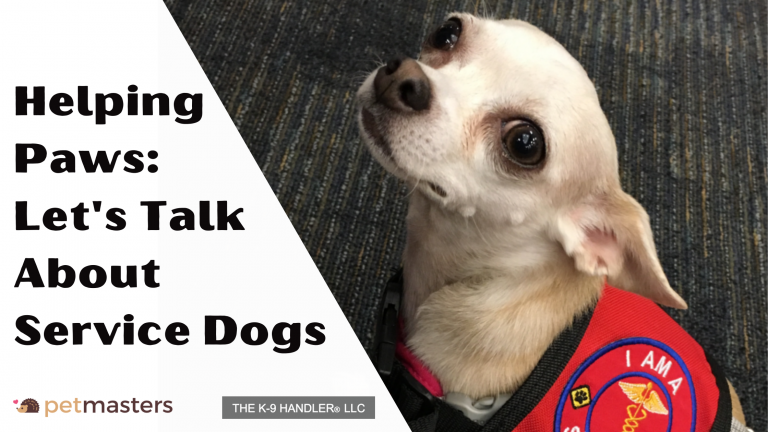
Helping Paws
Service Dog Trainers. We all need a furry friend to help make our days brighter. Some people rely on trained service animals to make life more accessible.
What is a Service Dog?
By definition, service dogs are trained working animals that specialize in helping a person with disabilities.
Trained service dogs help with a variety of tasks. For example, service dogs can alert owners of ringing phones, beeping oven timers, and even a crying child.
Do service dogs fall under the Americans with Disabilities Act?
Yes! The ADA §35.104 defines Service Dogs as “any guide dog, signal dog, or other animal who is trained to provide assistance to an individual with a disability.”

How does a dog train to be a service animal?
Service dogs undergo extensive training for many basic obedience commands and any necessary behavior changes to pass a Public Access Certification Test (PACT). After training, a dog becomes an ADA Certified Service Dog.
Service Dog Trainers
Becoming a service dog trainer requires specialized education, hands-on experience, and a deep understanding of canine behavior. Many trainers start by working with animals in shelters or obedience classes before pursuing certification through organizations like Assistance Dogs International (ADI) or the Certification Council for Professional Dog Trainers (CCPDT). Courses in animal behavior, positive reinforcement techniques, and disability awareness are essential. Gaining apprenticeship experience with experienced trainers further refines skills needed to train service dogs effectively.
Are there any “fake” service dog training companies out there?
Unfortunately, yes. No national certification exists for service dogs in this country. Above all, it’s important to do your research for safe training places. Book a service dog trainer on Petworks today.
About the Author
Ira Smith trains in Fundamental Obedience to a maximum proficiency level. With over 40 years of training experience, and no need to invest in additional equipment, The K-9 Handler® training is the best value around.
Real or Fake – What Difference Does it Make?
By Marianne McKiernan, author of Let the Dogs Speak!
We are a nation of pet lovers. According to the American Pet Products Association, in 2015 65% of U.S. households owned a pet, and we spent over $60 billion on pet care services. In particular, 54 million households owned upwards of 77 million dogs. Now, most of those dogs are happily hanging out in the yard, snoozing on the sofa, romping at the dog park or keeping a wary eye on the cookie jar. A disturbing trend among some dog owners, however, is to feel that Fluffy is somehow unfulfilled in canine pursuits at home, and must accompany her human on all excursions, including the grocery, the mall, the movie theater, a restaurant, and even an airplane.