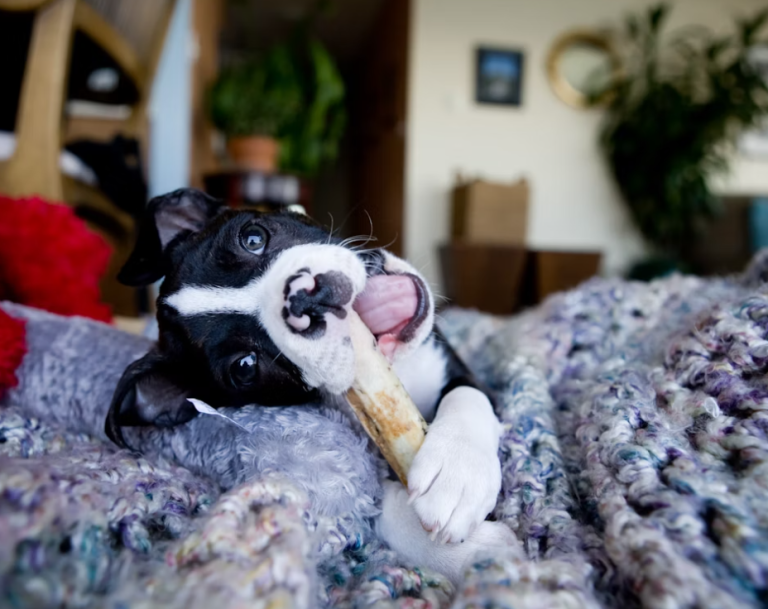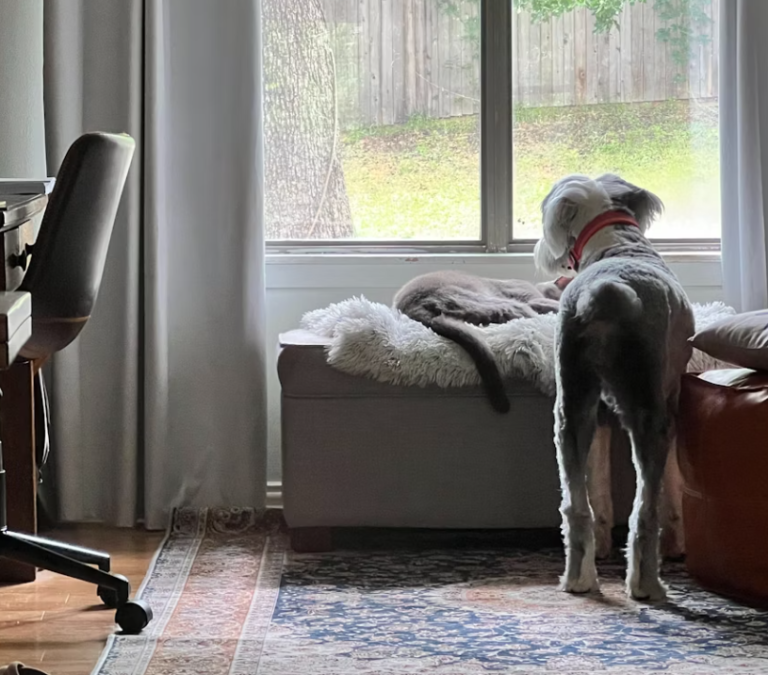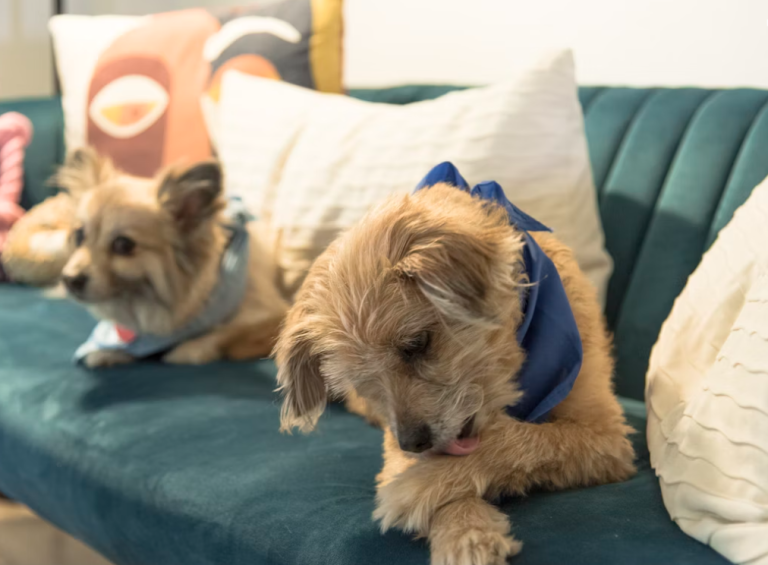
PetGPT: How AI and ChatGPT Are Changing the Way We Understand Our Pets. Artificial intelligence is transforming how we work, shop, and communicate. But it’s also changing how we care for our pets. From decoding dog behavior to understanding feline anxiety, more pet parents are turning to AI tools like ChatGPT for answers. This emerging trend has a name: PetGPT. (more…)
Category: Animal Behavior Help

How to get animal behavior help. Certified animal behaviorists specialize in understanding and modifying the behaviors of dogs and cats. They offer invaluable assistance to pet parents seeking positive changes. Animal behavior specialists analyze the root causes of specific pet behaviors. And they develop tailored strategies to encourage positive changes. Collaborating with pet parents, animal behaviorists provide guidance and support. This nurtures desirable behaviors, enhancing the bond between pets and their parents.
Whether addressing aggression, anxiety, or obedience, a veterinary behaviorist employs evidence-based techniques to promote harmony between pets and families. The cost of hiring an animal behaviorist for consultations can vary widely. There are factors like location, the behaviorist’s level of expertise, and the complexity of the behavioral issues being addressed. Animal behavior help can be gotten via remote consultations, which can be slightly less expensive, ranging from $75 to $150 per hour, depending on the platform used and the behaviorist’s expertise. Browse reviews from pet parents, get free quotes, and book remote video sessions or in-person consultations on Petworks today.
What Pet Pros Notice in the First 5 Minutes That Owners Miss
Let’s talk about animal body language. Most pet owners believe they know their pets better than anyone else, and in many ways, they do. But when a professional pet trainer, sitter, groomer, or behaviorist meets an animal for the first time, they’re often observing an entirely different set of clues. Within just a few minutes, trained pet professionals can spot subtle behaviors, physical signals, and emotional patterns that even the most loving owners may overlook. (more…)
Can AI Help Me Understand My Pet’s Anxiety?
Pet parents are turning to artificial intelligence for everything from meal planning to therapy prompts. So it’s no surprise they’re now asking: Can AI help me understand my pet’s anxiety? Search queries like “Is my dog anxious?”, “Why does my cat hide all day?”, and “Can AI interpret pet behavior?” are becoming increasingly common.
While AI tools can’t replace hands-on pet professionals, they can help owners recognize patterns, learn the language of stress, and take smarter next steps.Here’s what AI can do, what it can’t, and when your pet’s anxiety requires expert support.
What Is Pet Anxiety?
Pet anxiety is a state of heightened stress that can affect dogs, cats, and other companion animals. It may be situational (triggered by a specific event) or chronic (ongoing and deeply ingrained).
Common causes include:
-
Separation from owners
-
Loud noises (thunder, fireworks, construction)
-
Changes in routine or environment
-
Past trauma or lack of early socialization
-
Medical issues or age-related cognitive decline
Left unaddressed, anxiety can impact a pet’s physical health, emotional wellbeing, and quality of life.
Signs of Anxiety in Pets
Many pet parents ask AI questions because the signs aren’t always obvious. Anxiety doesn’t always look like panic. It often shows up subtly.
Common Signs of Anxiety in Dogs
-
Excessive barking or whining
-
Destructive behavior when alone
-
Pacing, panting, trembling
-
Hiding or clinging
-
Loss of appetite
-
Regression in training
Dog owners are increasingly seeking AI tools to help enhance animal behaviorist care.
Common Signs of Anxiety in Cats
-
Hiding for long periods
-
Litter box avoidance
-
Overgrooming or hair loss
-
Aggression or withdrawal
-
Excessive vocalization
-
Changes in appetite
These feline behaviors often prompt owners to search online or ask AI tools for explanations. Owners also seek real human beings who are cat behaviorists.

Are you finding this article useful? Would you like 100% free access to more articles like these, and free access to over 5,000 vetted pet care service professionals throughout the United States? Sign up here for a free Petworks account, and we’ll email you a 10% discount code, good towards your first pet care services booking on Petworks!
How AI Can Help Pet Parents Understand Anxiety
AI excels at pattern recognition and education—two things that are incredibly helpful in the early stages of identifying anxiety.
1. Explaining Behavior Patterns
AI can help pet parents understand:
-
Why pacing or vocalizing may signal stress
-
How body language reflects emotional states
-
Differences between boredom, fear, and anxiety
For example, AI can explain that a dog who destroys furniture only when left alone may be experiencing separation anxiety, not defiance.
2. Translating Body Language
Many owners ask questions like:
-
“What does tail tucking mean?”
-
“Why does my cat’s body get stiff?”
-
“What does yawning mean in dogs?”
AI can break down common body-language cues in easy-to-understand terms, helping owners notice stress earlier.
3. Helping Owners Ask Better Questions
AI often helps pet parents:
-
Organize symptoms before calling a professional
-
Track patterns (time of day, triggers, duration)
-
Understand what information matters
This makes consultations with trainers, behaviorists, or veterinarians more productive. Petworks recommends ChatGPT for the best AI experience
What AI Cannot Do for Pet Anxiety
Despite its usefulness, AI has critical limitations—especially when it comes to emotional and behavioral health.
AI Cannot:
-
Diagnose anxiety or medical conditions
-
Observe micro-behaviors in real time
-
Assess tone, posture, or environment accurately
-
Adapt training or treatment plans dynamically
-
Replace professional judgment or experience
Anxiety is rarely one-size-fits-all. Two dogs with identical symptoms may need completely different solutions.
When Anxiety Needs a Real Pet Professional
AI is a starting point—not a solution—especially if anxiety is affecting daily life.
You should seek professional help if your pet shows:
-
Aggression or fear-based reactions
-
Self-injury or excessive destruction
-
Panic when left alone
-
Sudden behavior changes
-
Long-term withdrawal or depression
-
Regression in house training or litter habits
These cases require certified trainers, veterinary behaviorists, or fear-free professionals who can assess the full picture.
Expert Insight
“Behavior problems are the number one reason pets are relinquished to shelters.” – the late Dr. Sophia Yin, DVM, MS
How AI and Pet Professionals Work Best Together
The most effective approach to pet anxiety is not AI vs. experts…it’s AI + experts.
A Smart Workflow for Pet Parents
Use AI to learn
Understand symptoms, terminology, and common triggers.
Observe your pet closely
Track behaviors, timing, and environmental factors.
Consult a professional
Share your observations and get a tailored plan.
Adjust and support long-term
Anxiety management is often ongoing—not instant.
This combination leads to faster progress, clearer expectations, and better outcomes for pets.
Can AI Replace a Trainer or Behaviorist?
No. While AI can educate and guide, it cannot:
-
Build trust with your pet
-
Read subtle emotional cues
-
Modify techniques in real time
-
Account for household dynamics
Professional pet care is relational, observational, and adaptive—qualities that require human expertise.
FAQ: AI and Pet Anxiety
Can AI diagnose my pet’s anxiety?
No. AI can explain symptoms but cannot diagnose or treat anxiety.
Is anxiety the same as bad behavior?
Often not. Many “behavior problems” are stress responses.
Can AI help calm my pet?
AI may suggest general calming strategies, but persistent anxiety requires professional intervention.
Who should I hire for an anxious pet?
Certified trainers, veterinary behaviorists, and fear-free professionals are best equipped to help.
The Future of AI in Pet Care
AI will continue to play a growing role in:
-
Early education for pet parents
-
Symptom awareness
-
Better communication with professionals
But it will never replace the value of hands-on, experienced pet experts who understand behavior in real-world contexts.
So, can AI help you understand your pet’s anxiety?
Yes—as a tool for education, awareness, and preparation.
But when anxiety affects your pet’s wellbeing, behavior, or safety, real expertise matters. The best outcomes happen when technology supports—not replaces—professional care.
Your pet doesn’t need an algorithm. They need understanding, patience, and the right help at the right time.
About Petworks
In 2021, Dr. Marty Goldstein DVM joined the pet care platform Petworks as an advisor in its Animal Nutrition care division. Dr Marty Nature’s Blend is on a mission to help your pets live their healthiest lives possible. Dr. Marty’s pet nutrition expertise and guidance has helped Petworks evolve and become the preeminent animal and pet nutrition consultation service for pet parents in North America.
In 2022, Blue Buffalo Founder Bill Bishop Jr. joined Petworks as Senior Advisor in our Animal Nutrition Care Division. Bill brings his extensive expertise in pet food innovation and business leadership. His guidance helps Petworks enhance our pet nutrition service offerings, helping to ensure that pet parents throughout the world receive trusted, science-backed nutritional support for their dogs, cats, and animals.
About The Author
Petworks Co-Founder Kevin Kinyon is a life-long animal lover who works tirelessly to improve the lives of pets and their parents. Human and animal qualities he values most are integrity, humor, and empathy.
New Year’s Eve Noise Prep: Keeping Your Pets Calm and Safe
The countdown to New Year’s Eve is exciting for many, but for pets, it can be a stressful and even frightening time. Fireworks, loud music, and unexpected guests can trigger anxiety in dogs, cats, and other animals. At Petworks, we want every pet to ring in the new year safely and comfortably.
In this guide we’ll cover:
- New Year’s Eve pets
- pet anxiety
- fireworks effect on pets
- keeping pets calm
- safe pets for holidays
Here’s how you can help your furry friends enjoy a stress-free celebration:
1. Create a Safe, Quiet Space
One of the most effective ways to reduce New Year’s Eve anxiety is to give your pet a calm, secure space.
-
Choose a quiet room away from the main festivities.
-
Add familiar items like their bed, favorite toys, or blankets.
-
Consider using calming scents or pheromone diffusers designed for pets.
Having a designated “safe zone” gives your pet a place to retreat if the noise becomes overwhelming.
2. Keep the Routine Consistent
Pets thrive on routine, and sudden changes can increase anxiety.
-
Stick to regular feeding times, walks, and play sessions.
-
Avoid leaving pets alone for long stretches if celebrations are going on.
-
If possible, provide mental stimulation, like puzzle toys, to distract them from outside noises.
Even small touches of consistency can make a big difference in keeping pets calm.
3. Reduce Exposure to Fireworks and Loud Noises
Fireworks are often the main source of stress for pets on New Year’s Eve.
-
Close windows, doors, and curtains to muffle outside sounds.
-
Play soft music or white noise to help mask fireworks.
-
Keep pets indoors during fireworks displays.
For extremely anxious pets, consult your veterinarian about short-term solutions or calming aids well in advance.
4. Comfort Without Encouraging Fear
It’s natural to want to comfort a pet during stress, but the way you do it matters.
-
Speak in a calm, reassuring tone.
-
Avoid excessive coddling that could reinforce anxious behaviors.
-
Redirect attention with a favorite toy or treat instead of focusing on the noise itself.
A calm, confident owner can help pets feel more secure.

Are you finding this article useful? Would you like 100% free access to more articles like these, and free access to over 5,000 vetted pet care service professionals throughout the United States? Sign up here for a free Petworks account, and we’ll email you a 10% discount code, good towards your first pet care services booking on Petworks!
5. Monitor for Signs of Stress
Even with preparation, pets may still show signs of anxiety. Watch for:
-
Panting, pacing, or drooling
-
Hiding or trying to escape
-
Excessive vocalization or destructive behavior
If your pet exhibits severe anxiety, consult your veterinarian for guidance. Early preparation and observation can prevent injuries or stress-related health issues. Also consider meeting online with a cat behaviorist or animal behaviorist prior to the big party.
“Pets can have real panic attacks during fireworks,” says Veterinarian Katrin Jahn, noting that “consistency and predictability help reduce anxiety; maintain routines and provide a safe, quiet space to help pets cope.”
6. Plan Ahead for Overnight Care
Some pets may benefit from spending the night in a secure area if celebrations are loud or prolonged.
-
Keep food and water accessible.
-
Ensure litter boxes are available for cats.
-
Consider temporarily moving small animals to quieter rooms.
Planning ahead ensures pets have everything they need without stress.
7. Reflect on 2025 and Celebrate Safely
New Year’s Eve is also a time for reflection. Share your pet’s milestones from 2025, like training achievements, new tricks, or memorable adventures. Celebrating your pet’s accomplishments strengthens your bond and sets a positive tone for the year ahead.
By taking these simple steps, you can help your pet stay calm and safe while you enjoy the New Year’s festivities. At Petworks, we’re committed to helping pets and their families thrive through every celebration. Start your year off right. Happy pets, happy owners, and a joyful 2026!
About Petworks
In 2021, Dr. Marty Goldstein DVM joined the pet care platform Petworks as an advisor in its Animal Nutrition care division. Dr Marty Nature’s Blend is on a mission to help your pets live their healthiest lives possible. Dr. Marty’s pet nutrition expertise and guidance has helped Petworks evolve and become the preeminent animal and pet nutrition consultation service for pet parents in North America.
In 2022, Blue Buffalo Founder Bill Bishop Jr. joined Petworks as Senior Advisor in our Animal Nutrition Care Division. Bill brings his extensive expertise in pet food innovation and business leadership. His guidance helps Petworks enhance our pet nutrition service offerings, helping to ensure that pet parents throughout the world receive trusted, science-backed nutritional support for their dogs, cats, and animals.
About The Author
Petworks Co-Founder Kevin Kinyon is a life-long animal lover who works tirelessly to improve the lives of pets and their parents. Human and animal qualities he values most are integrity, humor, and empathy.
Christmas Morning From Your Pet’s Point of View
Let’s think about Christmas pet behavior. Christmas morning feels magical to you. But for your pet, it can be confusing, exciting, and a little overwhelming all at once. The new smells, crinkly wrapping paper, unfamiliar routines, and sudden bursts of energy all hit before breakfast. This is Christmas morning from your pet’s point of view. Where love is everywhere, but calm is the greatest gift of all. (more…)