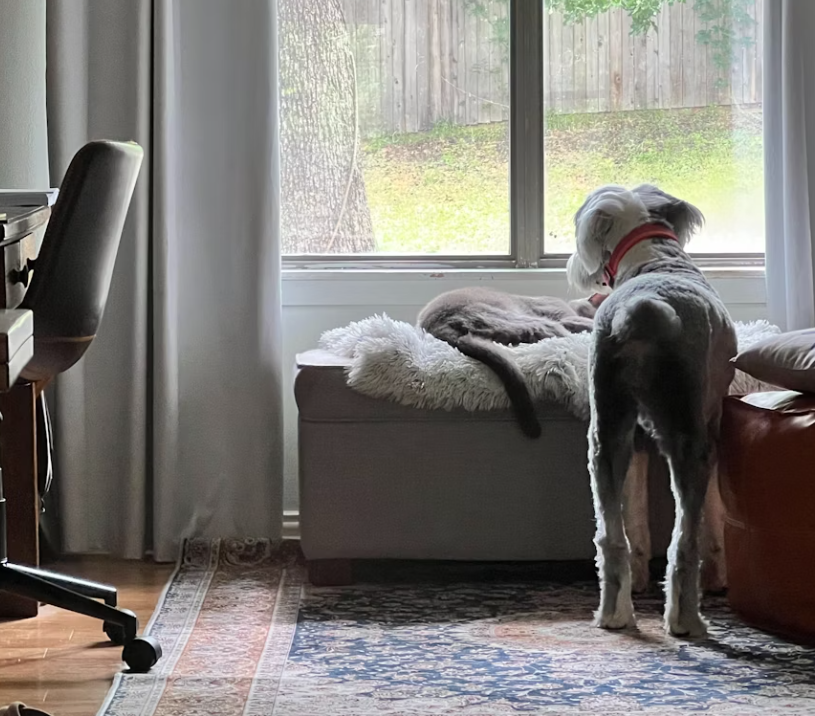
Is your dog changing behavior? Dogs are creatures of habit. They thrive on routine, predictability, and a stable environment. While we often focus on major life changes. Like moving homes or introducing a new pet, it’s the subtle, everyday shifts that can have a profound impact on your dog’s well-being. These “micro-stressors” are small environmental or routine changes that, over time, can lead to noticeable behavioral shifts. Understanding and mitigating these stressors is crucial for maintaining a happy and healthy canine companion.
What Are Micro-Stressors in Dogs?
Micro-stressors are minor alterations in a dog’s environment or daily routine that may seem insignificant to us but can cause anxiety or discomfort for our pets. These can include:
-
Changes in feeding times or locations
-
Rearranging furniture or moving belongings
-
Introducing new scents or sounds
-
Alterations in walking routes or schedules
-
Changes in household dynamics, like new people or pets
While each change might seem trivial, the cumulative effect can lead to increased stress levels in dogs.
How Do Micro-Stressors Affect Dog Behavior?
Dogs are highly sensitive to their surroundings. Even minor disruptions can trigger stress responses. Over time, these responses can manifest in various behavioral changes, such as:
-
Increased barking or whining
-
Destructive chewing or digging
-
Loss of appetite or changes in eating habits
-
Excessive grooming or licking
-
Withdrawal or hiding
-
Aggression or irritability
These behaviors are often signs that your dog is struggling to cope with the changes in their environment.
The Science Behind Stress in Dogs
Research has shown that environmental stress can have a significant impact on a dog’s health and behavior. Chronic stress can suppress the immune system, making dogs more susceptible to illness, and can also lead to digestive issues, poor coat condition, and sleep disturbances.
A study published in Frontiers in Veterinary Science highlighted that sudden, loud noises are among the most common triggers for fearful behaviors in dogs. While much of the research has focused on dramatic infrequent sounds like thunderstorms or fireworks, everyday household noises can also cause anxiety in dogs.
Recognizing the Signs of Stress in Your Dog
It’s essential to be vigilant and recognize the subtle signs that your dog may be stressed due to micro-stressors. Some common indicators include:
-
Changes in behavior: Sudden aggression, withdrawal, or clinginess.
-
Physical symptoms: Excessive shedding, drooling, or gastrointestinal issues.
-
Altered routines: Sleeping more or less than usual, changes in appetite.
-
Vocalizations: Increased barking, whining, or howling.
If you notice any of these signs, it’s important to assess recent changes in your dog’s environment or routine that might be contributing to their stress.
 Expert Insights on Managing Micro-Stressors
Dr. Emily Thompson, a veterinary behaviorist, emphasizes the importance of consistency in a dog’s routine: “Dogs find comfort in predictability. Even small changes, like altering their feeding schedule or changing the location of their bed, can cause anxiety.”
Similarly, Dr. Mark Johnson, a canine psychologist, notes, “It’s not always the big events that affect dogs; it’s often the accumulation of small, seemingly insignificant changes that can lead to stress and behavioral issues.”

Are you finding this article useful? Would you like 100% free access to more articles like these, and free access to over 5,000 vetted pet care service professionals throughout the United States? Sign up here for a free Petworks account, and we’ll email you a 10% discount code, good towards your first pet care services booking on Petworks!
Strategies to Mitigate Micro-Stressors
To help your dog cope with potential micro-stressors, consider the following strategies:
-
Maintain a consistent routine: Feed, walk, and play with your dog at the same times each day.
-
Introduce changes gradually: If you need to make alterations to your dog’s environment or routine, do so slowly to allow them to adjust.
-
Provide a safe space: Ensure your dog has a quiet, comfortable area where they can retreat when feeling overwhelmed.
-
Use calming aids: Products like pheromone diffusers or anxiety wraps can help alleviate stress.
-
Engage in regular exercise: Physical activity can help reduce anxiety and improve overall well-being.
When to Consult a Professional
If your dog’s stress-related behaviors persist despite your efforts, it may be time to consult a professional. A veterinary behaviorist or animal behavior expert can assess your dog’s behavior and develop a tailored plan to address their specific needs.
FAQs
Q1: How can I tell if my dog is stressed due to micro-stressors?
A1: Look for subtle changes in behavior, such as increased barking, destructive chewing, or withdrawal. Also, monitor for physical signs like changes in appetite or excessive grooming.
Q2: Can micro-stressors lead to long-term behavioral issues?
A2: Yes, if left unaddressed, the cumulative effect of micro-stressors can lead to chronic anxiety and behavioral problems.
Q3: Are certain breeds more susceptible to stress from micro-stressors?
A3: Some breeds are more sensitive to changes in their environment. However, individual temperament and previous experiences also play significant roles.
Q4: How long does it take for a dog to adjust to changes in their environment?
A4: Adjustment periods vary. Some dogs may adapt quickly, while others may take several weeks. Gradual changes and consistent routines can help ease the transition.
Q5: Can micro-stressors affect my dog’s health?
A5: Yes, chronic stress can weaken the immune system, lead to digestive issues, and cause sleep disturbances. It’s essential to address stressors promptly to maintain your dog’s health.
By understanding and addressing micro-stressors, you can help ensure that your dog remains happy, healthy, and well-adjusted. Regularly assess your dog’s environment and routine, and make changes thoughtfully to minimize stress. Your attentiveness can make all the difference in your dog’s well-being.
About Petworks
 In 2021, Dr. Marty Goldstein DVM joined the pet care platform Petworks as an advisor in its Animal Nutrition care division. Dr Marty Nature’s Blend is on a mission to help your pets live their healthiest lives possible. Dr. Marty’s pet nutrition expertise and guidance has helped Petworks evolve and become the preeminent animal and pet nutrition consultation service for pet parents in North America.
 In 2022, Blue Buffalo Founder Bill Bishop Jr. joined Petworks as Senior Advisor in our Animal Nutrition Care Division. Bill brings his extensive expertise in pet food innovation and business leadership. His guidance helps Petworks enhance our pet nutrition service offerings, helping to ensure that pet parents throughout the world receive trusted, science-backed nutritional support for their dogs, cats, and animals.
About The Author
 Petworks Co-Founder Kevin Kinyon is a life-long animal lover who works tirelessly to improve the lives of pets and their parents. Human and animal qualities he values most are integrity, humor, and empathy.

 petworks tm