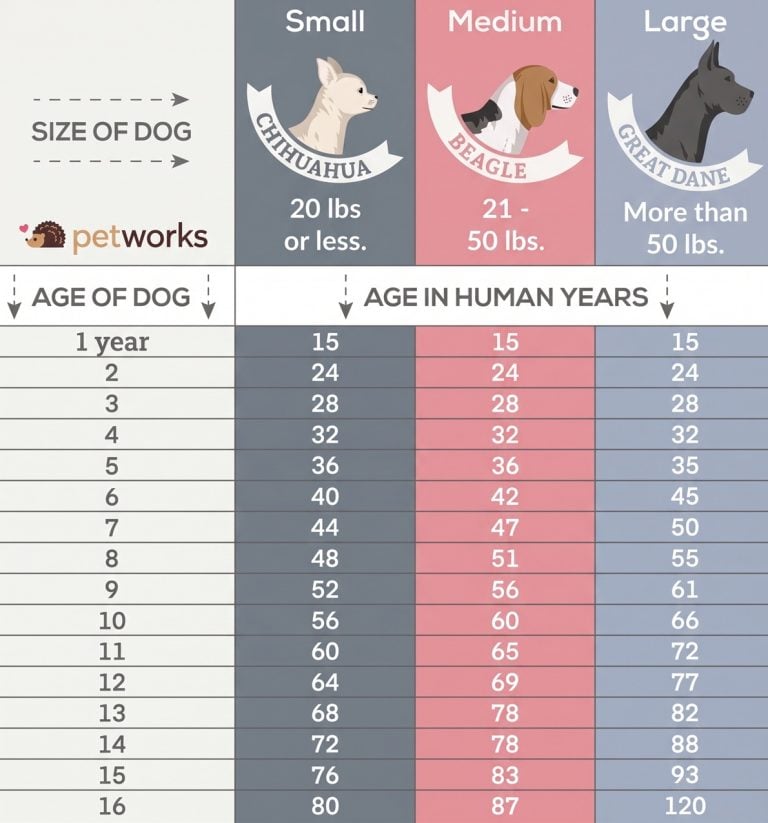
Is the 1 Dog Year = 7 Human Years Rule Accurate? (Dog Age Explained)
How to Compare Dog Years to Human Years: A Guide for Dog Owners. For generations, dog owners have been told that one…
How to Compare Dog Years to Human Years: A Guide for Dog Owners. For generations, dog owners have been told that one…
Knowing how many calories your dog should eat each day is one of the most important…and most confusing – parts of responsible…
Optimal Health and Wellness Care for your Greater Swiss Mountain Dog. The Greater Swiss Mountain Dog, affectionately known as the “Swissy,” is…
Feeding your puppy the right food is one of the most important things you can do as a new dog owner. Puppies…
The Newfoundland Family Dog : A Gentle Giant and Loyal Companion. The Newfoundland dog, often referred to as the “Newfie,” originates from…
In recent years, grain-free dog food has become one of the most debated topics in canine nutrition. Grain-free diets were once touted…
Golden Retrievers are more than one of America’s most beloved dog breeds. They are a near-perfect example of why holistic dog care…
Becoming a Foster Parent for Dogs: The Process and the Rewarding Outcome. Every year, countless dogs find themselves in shelters, waiting for…
Diabetes in dogs is not exactly the same as diabetes in humans, although the underlying problem, difficulty regulating blood sugar, is similar.…
Let’s talk about winter dog wellness. As the days grow shorter and temperatures drop, many dog owners face a common challenge: keeping…
Proper nutrition is essential for your dog’s health, energy, and longevity. While commercial dog foods claim to provide balanced diets, understanding the…
The Best Diets for Golden Retrievers: A Comprehensive Guide. Golden Retrievers are one of the most popular dog breeds, prized for their…
Consulting with a dog nutritionist offers numerous benefits that can significantly enhance your dog's overall health and well-being. A dog nutritionist specializes in understanding the specific dietary needs of different breeds, ages, and health conditions. This allows them to create a personalized nutrition plan tailored to your dog’s unique requirements. This customized approach can help prevent and manage common issues such as obesity, allergies, and digestive problems. And even behavioral concerns that may be linked to diet.
Additionally, a nutritionist can guide you in choosing the highest quality ingredients and the right balance of nutrients, ensuring your dog receives optimal nourishment for a long, healthy life. By addressing specific health concerns and promoting overall vitality, a canine nutritionist can also help extend your pet's lifespan, reduce the need for medical interventions, and improve their quality of life.
The cost of hiring a canine nutritionist can vary depending on location, expertise, and the complexity of your dog's dietary needs. On average, a session with a canine nutritionist ranges from $75 to $200. Initial consultations, which typically involve a detailed assessment and custom meal planning, may be on the higher end of this spectrum. Follow-up sessions are often less expensive, especially if they involve minor adjustments to an existing plan. Whether you’re dealing with a health issue or simply want to ensure your dog is receiving the best possible care, a consultation with a canine nutritionist provides valuable insights and support to help your dog thrive.

 petworks tm