
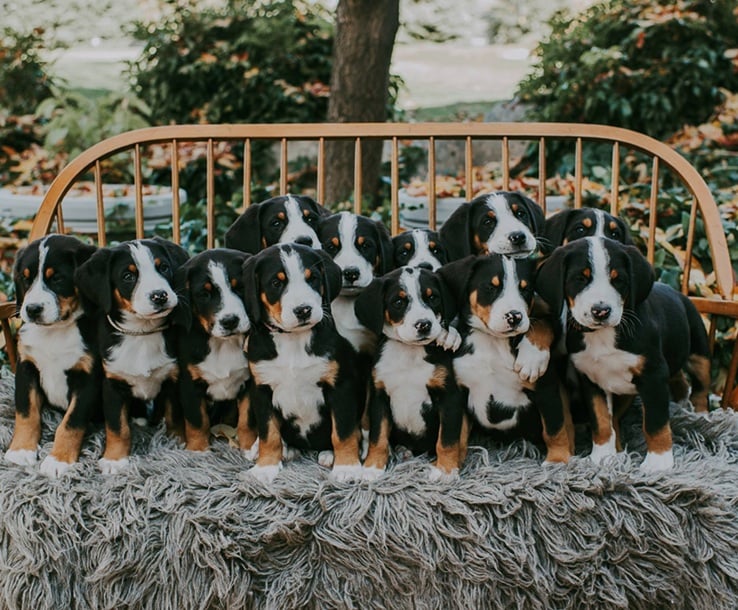
Optimal Health and Wellness Care for your Greater Swiss Mountain Dog. The Greater Swiss Mountain Dog, affectionately known as the “Swissy,” is a powerful and affectionate breed with deep historical roots. Known for their strong work ethic and gentle nature, these dogs thrive when provided with proper nutrition, training, grooming, and overall wellness care. If you’re considering adding, or have already added a Swissy to your family, understanding their unique health and wellness needs will ensure a happy and healthy life for your canine companion.
A Brief History of the Greater Swiss Mountain Dog
The Greater Swiss Mountain Dog originates from the Swiss Alps, where they were bred as working dogs. They were used for pulling carts, herding livestock, and guarding farms. This breed is believed to be one of Switzerland’s oldest, descending from large mastiff-type dogs brought by Roman legions. Despite their historical significance, the breed nearly went extinct in the early 1900s but was revived thanks to dedicated breeders. Today, the Swissy is cherished as both a working dog and a devoted family companion.
So How Big Do Greater Swiss Mountain Dogs Get?
Greater Swiss Mountain Dogs are a giant working breed known for their strength, size, and solid build. Fully grown adults typically weigh 85 to 140 pounds and stand 23.5 to 28.5 inches tall at the shoulder. Males are generally larger and heavier than females.
Because of their size, Swissies mature more slowly than smaller breeds. Most reach their full height by around 18 months, but they often continue filling out and gaining muscle until they are 2 to 3 years old.
Their large frame means they require:
-
Sturdy leashes, crates, and bedding
-
Controlled exercise during puppyhood to protect joints
-
A diet formulated for large or giant breeds
While they may appear imposing, Greater Swiss Mountain Dogs are typically calm indoors and known for their steady, dependable temperament when properly trained and socialized.
 Nutrition: Fueling a Strong and Healthy Swissy
A well-balanced diet is essential for the health of a Greater Swiss Mountain Dog. Due to their large size and active nature, they require high-quality protein sources, healthy fats, and complex carbohydrates to support muscle maintenance and energy levels.
- Protein: Choose a diet rich in lean meats such as chicken, beef, fish, and lamb.
- Healthy Fats: Incorporate omega-3 and omega-6 fatty acids found in fish oil and flaxseed to support joint health and a shiny coat.
- Carbohydrates: Opt for complex carbs like sweet potatoes, brown rice, and vegetables to maintain steady energy levels.
- Portion Control: Due to their predisposition to bloat (gastric torsion), it is essential to monitor portion sizes and avoid feeding one large meal per day. Instead, divide their meals into two or three smaller portions.
- Hydration: Always provide fresh water to prevent dehydration, especially after exercise.
Consult your veterinarian or clinical canine nutritionist for personalized dietary recommendations based on your dog’s age, weight, and activity level.
 Training and Mental Stimulation
Training a Greater Swiss Mountain Dog requires patience and consistency. They are intelligent but can be stubborn, making early dog training and socialization paramount.
- Basic Obedience: Start with fundamental commands such as sit, stay, come, and heel.
- Positive Reinforcement: Reward-based training using treats and praise works best.
- Socialization: Expose your Swissy to various environments, people, and animals from an early age to prevent shyness or aggression.
- Work-Based Training: Because they were bred for work, they enjoy tasks like cart pulling, agility training, and herding exercises.
- Avoid Overexertion: Since they are prone to joint issues, avoid excessive jumping or long runs, especially while they are still growing.
Mobile Grooming: Keeping Your Swissy Looking and Feeling Great
The Greater Swiss Mountain Dog has a dense, short coat that sheds moderately year-round, with heavier shedding in the spring and fall.
- Brushing: Brush their coat once or twice a week to remove loose hair and distribute natural oils.
- Bathing: Bathe only when necessary, using a mild dog shampoo to maintain coat health.
- Nail Trimming: Regularly trim their nails to prevent discomfort and joint issues.
- Ear Care: Check and clean ears weekly to prevent infections.
- Dental Hygiene: Brush their teeth regularly and provide dental chews to promote oral health.
Common Health Concerns and Preventative Care
Like many large breeds, the Greater Swiss Mountain Dog is prone to specific health issues. Being aware of these conditions and taking preventive measures will enhance their quality of life.
- Hip and Elbow Dysplasia: Ensure regular vet checkups, maintain a healthy weight, and provide joint supplements if necessary.
- Bloat (Gastric Torsion): Avoid rapid eating and exercise right after meals.
- Splenic Torsion: A rare but serious condition requiring immediate veterinary attention.
- Obesity: Monitor their weight, as excessive weight can strain their joints and lead to other health issues.
- Eye Conditions: Swissies can develop cataracts and progressive retinal atrophy, so regular eye checkups are important.
Routine veterinary visits, vaccinations, and preventative medications (such as flea, tick, and heartworm prevention) will help keep your Swissy in optimal health.

Are you finding this article useful? Would you like 100% free access to more articles like these, and free access to over 5,000 vetted pet care service professionals throughout the United States? Sign up here for a free Petworks account, and we’ll email you a 10% discount code, good towards your first pet care services booking on Petworks!
Why Greater Swiss Mountain Dogs Make Great Family Pets
The Greater Swiss Mountain Dog is an excellent choice for families due to their affectionate and loyal temperament. Here are some reasons why they make fantastic companions:
- Gentle Giants: Despite their large size, they are known for being gentle and good with children.
- Loyal and Protective: Swissies form strong bonds with their families and make excellent watchdogs.
- Playful and Fun-Loving: They enjoy outdoor activities and can be great hiking or walking partners.
- Social and Friendly: They generally get along well with other pets when properly socialized.
- Adaptable: While they thrive in homes with large yards, they can adapt to various living environments with adequate exercise.
“Because Greater Swiss Mountain Dogs are large and strong, proper early socialization and consistent training are essential to ensure they grow into well-mannered adults. Their size and temperament mean they thrive when owners provide structured exercise, positive reinforcement training, and regular health checks.” – Shawna Garner, DVM, U.S. Lead Veterinarian at FirstVet.
“Greater Swiss Mountain Dogs are powerful, intelligent dogs that grow into true gentle giants. Because of their size and slow maturity, proper care early on. Including controlled exercise, nutrition for large breeds, and consistent training, plays a huge role in setting them up for a healthy, well-balanced life.”- Kevin Kinyon, Co-Founder, PetWorks.
Fun Facts About the Greater Swiss Mountain Dog
Swiss Heritage: They are one of four Swiss Mountain Dog breeds, alongside the Bernese Mountain Dog, Entlebucher Mountain Dog, and Appenzeller Sennenhund.
Hardworking Dogs: They were originally bred as farm dogs and excelled in cart pulling and herding.
Slow Maturity: Swissies take longer to mature than most breeds, often remaining puppy-like for several years.
Cold Weather Lovers: Due to their thick coats, they prefer cooler climates and love playing in the snow.
Rare Breed: Despite their popularity among enthusiasts, they remain a relatively rare breed outside of Switzerland.
Greater Swiss Mountain Dog FAQ
Q: How big do Greater Swiss Mountain Dogs get?
A: Adult Greater Swiss Mountain Dogs typically weigh 85–140 pounds and stand 23.5–28.5 inches tall at the shoulder. Males are usually larger than females, and they continue filling out until around 2–3 years old.
Q: When do Greater Swiss Mountain Dogs stop growing?
A: Most reach full height by 18 months, but muscle and body mass continue developing until 2–3 years of age.
Q: What is the proper care for a Greater Swiss Mountain Dog?
A: Proper care includes:
-
Controlled exercise to protect growing joints
-
Large-breed diet to support healthy growth
-
Routine grooming to manage shedding
-
Regular veterinary checkups for hips, elbows, and heart health
Q: Are Greater Swiss Mountain Dogs prone to health issues?
A: Like other giant breeds, they may develop hip and elbow dysplasia, bloat, and joint problems, so preventive care and responsible breeding are important.
Caring for Your Greater Swiss Mountain Dog
Owning a Greater Swiss Mountain Dog is a rewarding experience, but it requires commitment to their health, nutrition, training, and grooming needs. By providing a balanced diet, regular exercise, early training, and routine veterinary care, your Swissy will lead a long and fulfilling life. Their loyal, affectionate, and hardworking nature makes them excellent family pets, ensuring they bring joy and companionship to their owners for years to come. Whether as a working dog or a loving family member, the Swissy’s charm and devotion make them a truly special breed.
About PetWorks
 Marty Goldstein DVM joined the pet care platform PetWorks as an advisor in its Animal Nutrition care division. Dr Marty Nature’s Blend is on a mission to help your pets live their healthiest lives possible. Dr. Marty’s pet nutrition expertise and guidance has helped PetWorks evolve and become the preeminent animal and pet nutrition consultation service for pet parents in North America.
 In 2022, Blue Buffalo Founder Bill Bishop Jr. joined PetWorks as Senior Advisor in our Animal Nutrition Care Division. Bill brings his extensive expertise in pet food innovation and business leadership. His guidance helps PetWorks enhance our pet nutrition service offerings, helping to ensure that pet parents throughout the world receive trusted, science-backed nutritional support for their dogs, cats, and animals.
About The Author
 PetWorks Co-Founder Kevin Kinyon is a life-long animal lover who works tirelessly to improve the lives of pets and their parents. Human and animal qualities he values most are integrity, humor, and empathy.

 petworks tm









You really make it seem so easy with your presentation! Greater Swiss Mountain Dog Care is great.
Greater Swiss Mountain Dog Care is a really good read.
The articles you write help me a lot…Greater Swiss Mountain Dog Care is fantastic!
I found this article very insightful!