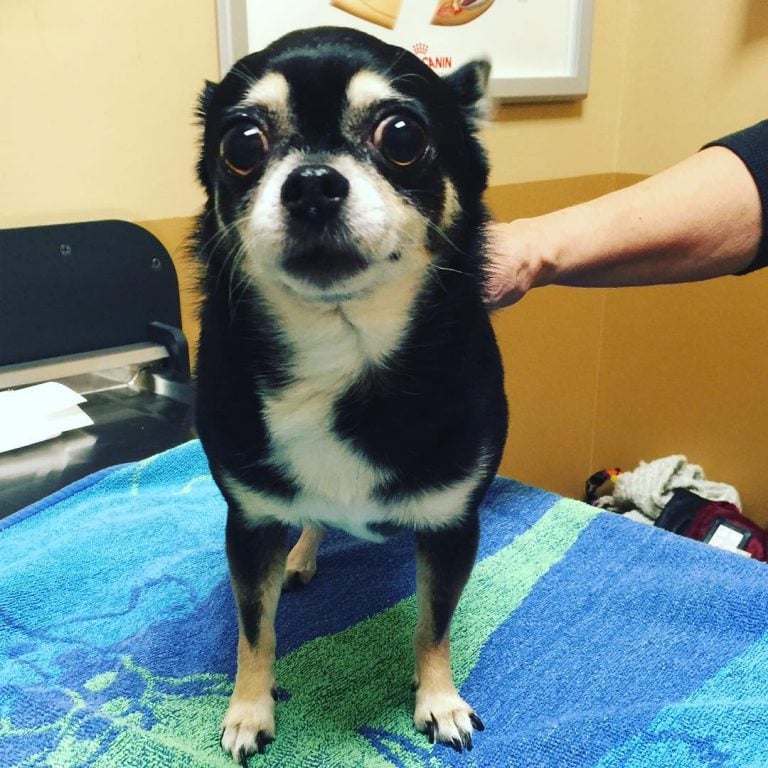
Let’s talk dog wellness. As the winter months roll in, pet owners often focus on keeping themselves warm, but our canine companions require special care too. Cold weather, shorter days, and seasonal changes can impact a dog’s physical and mental well-being. Holistic care focuses on supporting the whole dog—body, mind, and spirit—through natural approaches to nutrition, exercise, and preventative care. In this guide, we’ll explore practical strategies to keep your pup healthy, happy, and thriving during winter. (more…)
Category: Animal Wellness

Modern animal wellness care has evolved significantly, focusing on holistic approaches that encompass both physical and emotional health. Today’s pet care goes beyond traditional veterinary medicine. It incorporates therapies like chiropractic care, acupuncture, massage, and Reiki to promote overall well-being. These complementary treatments address issues such as chronic pain, anxiety, and mobility problems, providing pets with a more balanced and comfortable life.
Nutrition has also become a critical component of wellness care, with tailored diets designed to meet specific health needs, often guided by certified animal nutritionists. Moreover, behavioral health is increasingly recognized as vital, with animal behaviorists and trainers playing a crucial role in addressing behavioral issues that can impact a pet’s quality of life.
Preventative care remains a cornerstone, emphasizing regular check-ups, vaccinations, and dental care, but it is now paired with personalized wellness plans that consider the unique needs of each animal.
The integration of telemedicine and mobile services has made it easier for pet owners to access high-quality care. This helps ensure that pets receive timely attention even in remote areas. This comprehensive approach reflects a growing awareness that pets are not just animals but beloved family members. Their well-being is paramount. As a result, modern animal wellness care is more attuned to the diverse needs of pets, helping them lead healthier, happier lives through a combination of traditional and innovative practices.
Cold Weather Pet Safety: How to Keep Your Pets Warm and Healthy
As temperatures drop and winter sets in, pet owners face unique challenges in keeping their furry friends safe, comfortable, and healthy. Cold weather can be harsh not only for humans but also for pets, and many common winter hazards can pose serious risks if pet owners aren’t careful. From frostbite to slippery sidewalks and indoor hazards, knowing how to protect your pets during the winter months is essential. This guide will cover practical strategies, tips, and expert advice to ensure your pets thrive during the colder seasons. (more…)
Indoor Jungle Guide: The Best and Worst Houseplants for Pets
The Indoor Jungle Safely Shared: The Best (and Worst) Houseplants for Pet Owners. In the modern home, the desire for lush, vibrant indoor greenery often clashes with the responsibility of keeping our beloved pets safe. A stylish urban jungle and a furry companion can absolutely coexist, but it requires vigilance and knowledge.
Toxic Plants For Dogs And Cats
Before you purchase that beautiful, tall fiddle-leaf fig or that stunning, striped calathea, you need to understand which plants are simply harmless décor and which ones pose a genuine, life-threatening risk to your dogs, cats, or even exotic birds.
This comprehensive guide will arm you with the knowledge you need to create a gorgeous, pet-friendly environment. We’ll break down the best non-toxic plants to bring into your home and, crucially, the most dangerous, highly toxic varieties you must avoid or keep completely out of reach.
Part I: The Safety First List – Highly Toxic Plants to Avoid
When it comes to pet safety, the rule is simple: if a plant is known to be toxic, it is best to avoid it entirely. Even plants that cause “mild” symptoms can lead to costly vet bills and unnecessary distress for your pet.
The following plants are frequently found in homes but contain toxins that can cause severe, sometimes fatal, reactions if ingested.
⚠️ The Absolute Must-Avoid List for Dog & Cat Owners
| Plant Name (Common) | Scientific Name | Toxic Principle | Symptoms of Ingestion |
| Sago Palm | Cycas revoluta | Cycasin (Neurotoxin) | Vomiting, bloody diarrhea, jaundice, liver failure, death. (Extremely high fatality rate.) |
| Lilies | Lilium spp. (Tiger, Asiatic, Easter, Stargazer) | Unknown Nephrotoxin | Highly toxic to cats. Can cause acute kidney failure, even from small amounts of pollen, leaves, or water in the vase. |
| Daffodils & Tulips | Narcissus/Tulipa spp. | Alkaloids | Vomiting, diarrhea, abdominal pain, cardiac problems (especially the bulbs). |
| Oleander | Nerium oleander | Cardiac Glycosides | Severe vomiting, irregular heart function, often fatal. |
| Dieffenbachia (Dumb Cane) | Dieffenbachia spp. | Insoluble Calcium Oxalates | Intense pain, oral irritation, difficulty swallowing, drooling, swelling of the mouth/throat. |
| Pothos | Epipremnum aureum | Insoluble Calcium Oxalates | Oral irritation, vomiting. (Common, but risky.) |
A Closer Look at Common Offenders
1. The Feline Foe: All Lilies
If you own a cat, it is critical to understand that all plants in the Lilium and Hemerocallis (Daylily) family are catastrophic. The entire plant is toxic—the leaves, the flowers, the stem, the pollen, and even the water the cut flowers sit in. Just a small exposure can cause irreversible kidney failure in a cat. If you suspect your cat has ingested any part of a lily, seek emergency veterinary care immediately.
2. The Dangerous Decorator: Sago Palm
The Sago Palm, with its trendy, architectural look, is one of the deadliest houseplants. Every part of the plant, especially the seeds or “nuts,” is highly toxic due to a potent toxin called Cycasin. Ingestion can rapidly lead to severe gastrointestinal issues, neurological damage, and acute liver failure in both dogs and cats. The fatality rate is shockingly high, making this a plant to ban from any pet-friendly home.
3. The Irritants: Pothos, Philodendron, and Peace Lily
These plants are incredibly popular and relatively easy to care for, but they all contain insoluble calcium oxalates. When chewed, these crystal structures embed in the soft tissues of the mouth, throat, and digestive tract. While rarely fatal, they cause immediate, intense pain, burning, drooling, and swelling, which usually deters the pet from eating more. However, the discomfort is severe and requires veterinary attention to manage pain and ensure the airway is not compromised.
“Sago palms usually are not labeled in stores, so people will buy them not knowing how toxic they can be. It’s important that pet owners do some research before bringing a plant into their home.” – Dr. Tina Wismer, DVM, Medical Director of the ASPCA Animal Poison Control Center.
Part II: The Pet-Friendly Picks – Non-Toxic Houseplants
Creating a safe haven is easy when you choose plants from the following list. These plants have been verified by organizations like the ASPCA as non-toxic to cats and dogs.
💚 The Safe & Stylish Houseplant Champions
| Plant Name (Common) | Care Level | Style/Aesthetic | Why They Are Safe |
| Prayer Plant | Easy to Moderate | Striking patterned leaves that fold at night. | Marantaceae family is beautiful and non-toxic. |
| Spider Plant | Easy | Classic, cascading ‘spiderettes’ ideal for hanging. | A durable, air-purifying, and completely safe option. |
| Parlor Palm | Easy | Tropical, upright structure perfect for floor placement. | Provides height and a lush, jungle feel without the risk. |
| Cast Iron Plant | Very Easy | Dark green, resilient leaves. Tolerates low light. | Extremely tough, hence the name, and pet-friendly. |
| African Violet | Moderate | Small, fuzzy leaves and vibrant purple or pink flowers. | Safe for consumption (though still best to discourage it). |
| Peperomia | Easy | Comes in many varieties (Watermelon, Baby Rubber Plant). | A huge family of stylish, compact, non-toxic plants. |
| Boston Fern | Easy | Lush, traditional hanging or pedestal plant. | A safe, natural way to add texture and volume. |

Are you finding this article useful? Would you like 100% free access to more articles like these, and free access to over 5,000 vetted pet care service professionals throughout the United States? Sign up here for a free Petworks account, and we’ll email you a 10% discount code, good towards your first pet care services booking on Petworks!
A Note on “Non-Toxic”
While the plants above are classified as non-toxic, this does not mean they are harmless in every circumstance.
-
Vomiting is Still Possible: Ingesting any large amount of plant material (even grass or a safe houseplant) can cause digestive upset, stomach irritation, and subsequent vomiting or diarrhea.
-
Choking Hazard: The stems, leaves, or even large clumps of potting soil could pose a choking risk, especially to puppies or very small animals.
-
Fertilizer and Pesticides: The safety classification only applies to the plant material itself. Any chemical fertilizers, pesticides, or fungicides used on the plant can be highly toxic. Always use organic, pet-safe products.
Part III: Proactive Pet-Proofing Strategies
Knowledge is the first line of defense, but smart placement and training are equally important. Use these strategies to ensure a harmonious home for both your plants and your pets.
1. Use Vertical Space
-
Hanging Baskets: This is the most effective solution. Use sturdy, ceiling-mounted hooks to place plants like Spider Plants, Boston Ferns, and non-toxic trailing plants like the Hoyas completely out of paw’s reach.
-
High Shelves: Install floating shelves specifically for your plants. Ensure the shelf is high enough that a determined cat cannot jump onto it from nearby furniture (or jump onto the furniture to then jump onto the shelf).
2. Create Deterrents
-
Gravel or Pebbles: Pets often dig in the soil because it is soft and sometimes smells interesting. Place a layer of large, decorative river stones or gravel over the topsoil. This makes the surface uncomfortable and unappealing for digging.
-
Citrus or Spices: Dogs and cats are often deterred by strong citrus smells. You can place lemon or orange peels on the topsoil, or spray the leaves with a heavily diluted citrus-based spray (always spot-test the plant first). A light sprinkling of cayenne pepper on the soil can also deter chewing and digging, but be careful of accidental ingestion.
-
Training: If you catch your pet investigating a plant, firmly interrupt the behavior with a loud “No!” or clap, and redirect them immediately to an appropriate toy or activity. Positive reinforcement training works best.
3. Crate Off the Danger
If you have a large, highly toxic plant that you absolutely cannot part with (like a Sago Palm left behind by a previous owner), it must be placed in a room that is completely inaccessible to your pets at all times, such as an office with a securely closed door. A small nibble is all it takes to cause a life-threatening emergency.
❓ Frequently Asked Questions About Toxic Plants for Dogs and Cats
What are the most dangerous toxic plants for dogs and cats?
A: The Sago Palm (Cycas revoluta) ranks among the most hazardous toxic plants for dogs and cats. Every part of this plant is poisonous, especially the seeds. Ingestion can cause severe vomiting, neurological problems, liver failure, and even death. It’s critical to remove Sago Palms from any home with pets.
Why are lilies so toxic to cats, and are they safe for dogs?
A: True Lilies (Lilium and Hemerocallis species, including Easter, Tiger, and Daylilies) contain toxins that cause acute kidney failure in cats, even with minimal exposure like licking pollen or water from a vase. While dogs are less susceptible to kidney damage, lilies can still trigger vomiting and gastrointestinal upset. Avoid lilies entirely if you have pets.
What should I do if my pet eats a toxic plant?
A: Immediate action is crucial when a dog or cat ingests a toxic plant:
-
Remove any remaining plant material from your pet’s mouth and surroundings.
-
Contact your veterinarian or a pet poison control center right away. In the U.S., the ASPCA Animal Poison Control Center (APCC) and Pet Poison Helpline provide expert guidance.
-
Have the plant’s name ready to help professionals identify the toxin and recommend appropriate treatment.
Are Pothos and Philodendron truly toxic to pets?
A: Yes. Pothos (Epipremnum aureum) and many Philodendron varieties contain insoluble calcium oxalate crystals. Chewing these plants causes intense pain, burning, drooling, and swelling in the mouth and throat. While they rarely cause death, these toxic plants for dogs and cats can lead to severe discomfort and difficulty swallowing.
Can I safely keep toxic plants if they’re placed out of reach?
A: Placing toxic plants on high shelves or in hanging baskets reduces risk but does not guarantee safety. Cats and some dogs are surprisingly agile and may reach these plants. Highly toxic plants, like Sago Palms and Lilies, should be removed from the home entirely. For mildly irritating toxic plants, secure hanging baskets and supervise your pets carefully.
Creating an indoor garden while sharing your home with pets is an achievable goal. By making educated choices, you can select plants that enrich your environment without endangering your beloved companions. Stick to the non-toxic champions like the Prayer Plant and Parlor Palm, use clever vertical placement, and be absolutely ruthless in eliminating the most dangerous varieties like the Sago Palm and any type of Lily.
Your vigilance will pay off in a home that is beautiful, healthy, and, most importantly, completely safe for every member of your family, furry ones included.
About Petworks
In 2021, Dr. Marty Goldstein DVM joined the pet care platform Petworks as an advisor in its Animal Nutrition care division. Dr Marty Nature’s Blend is on a mission to help your pets live their healthiest lives possible. Dr. Marty’s pet nutrition expertise and guidance has helped Petworks evolve and become the preeminent animal and pet nutrition consultation service for pet parents in North America.
In 2022, Blue Buffalo Founder Bill Bishop Jr. joined Petworks as Senior Advisor in our Animal Nutrition Care Division. Bill brings his extensive expertise in pet food innovation and business leadership. His guidance helps Petworks enhance our pet nutrition service offerings, helping to ensure that pet parents throughout the world receive trusted, science-backed nutritional support for their dogs, cats, and animals.
About The Author
Petworks Co-Founder Kevin Kinyon is a life-long animal lover who works tirelessly to improve the lives of pets and their parents. Human and animal qualities he values most are integrity, humor, and empathy.
Signs Your Puppy Needs Emergency Care: When to Call the Vet
Signs Your Puppy Is Sick. And When Your Puppy Needs Emergency Care: A Complete Guide for Concerned Pet Parents. Bringing home a puppy is one of the most joyful experiences you can have. But sometimes those tiny furballs get into big trouble. Knowing when your puppy needs emergency veterinary care can make all the difference. In this guide, we’ll walk you through the most common warning signs, what to do if an emergency strikes, and how to prepare so you’re ready if the worst happens. (more…)
Can A Telemedicine Vet Prescribe Medications For My Pet?
Let’s discuss the important topic of Veterinary Telemedicine. Can a telemedicine vet prescribe medications for your pet? As pet owners, we often encounter situations where our furry companions need medical attention but visiting a clinic in person isn’t always convenient. Or even possible. Telemedicine for pets has emerged as a modern solution, allowing veterinarians to consult with pet parents remotely. (more…)