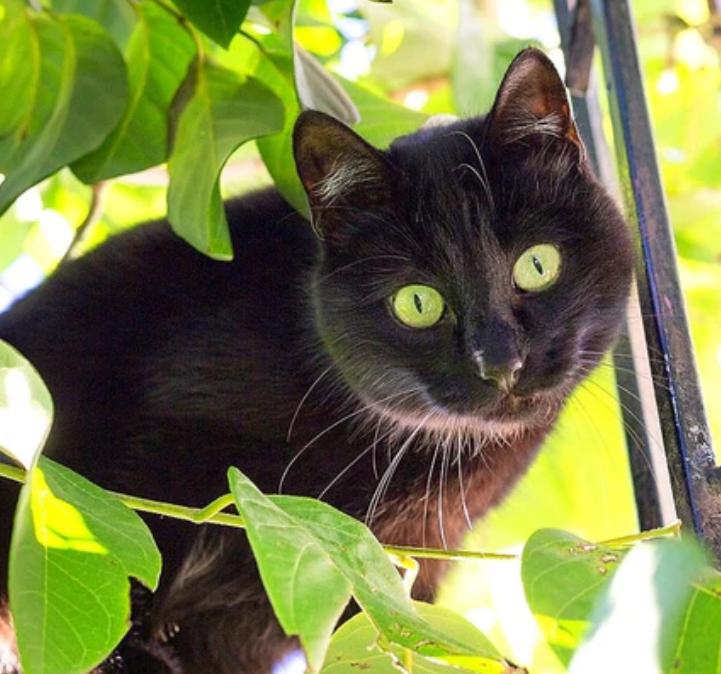
The Process and Costs of Bombay Cat Adoption: A Petworks Guide for Cat Lovers. Adopting a Bombay cat is a rewarding experience for cat lovers seeking a sleek, affectionate, and intelligent feline companion. Known for their striking black coats, copper or gold eyes, and dog-like personalities, Bombay cats make excellent pets for individuals and families alike. Our guide walks you through the adoption process, helping you understand where to find a Bombay cat, what to expect, and how to prepare for your new furry friend.
 Understanding the Bombay Cat
Before adopting, it’s essential to understand the breed. The Bombay cat, often referred to as the “mini-panther,” is a hybrid breed developed in the 1950s by crossing Burmese and American Shorthair cats. They are known for their affectionate nature, high intelligence, and social tendencies. Unlike some independent cat breeds, Bombays thrive on human interaction and even enjoy learning tricks, making them ideal for interactive pet owners.
These cats require moderate grooming and regular playtime to keep them mentally and physically stimulated. If you’re considering adoption, ensure that you can dedicate enough time to bonding and engaging with your Bombay cat.
Where to Find a Bombay Cat for Adoption
While Bombay cats are a rare breed, there are several places where you can find one for adoption:
- Animal Shelters & Rescues – Though not as common, some Bombay cats or Bombay mixes end up in shelters. Searching online databases like Petfinder, Adopt-a-Pet, or checking local humane societies can lead to available Bombays.
- Breed-Specific Rescues – Some rescues specialize in specific breeds, including Bombays. Organizations like Purebred Cat Rescue or Bombay & Burmese Rescue may have available cats or be able to direct you to one.
- Reputable Breeders with Retired Cats – Some ethical breeders retire their breeding cats and seek homes for them. While not a traditional adoption, this is another route to consider.
Adopting from shelters or rescues is often a more affordable and ethical option than purchasing from breeders. It gives a homeless cat a second chance at a loving home.
 The Adoption Process
Adopting a Bombay cat follows a structured process to ensure the best match between cat and owner. Here’s what to expect:
Research & Application – Once you find a Bombay cat available for adoption, you will need to complete an application. Shelters and rescues typically ask about your home environment, previous pet experience, and how you plan to care for the cat.
Screening & Interviews – Some organizations conduct interviews or home visits to ensure you’re prepared for pet ownership. They may also require references from veterinarians or past pet owners.
Adoption Fee – Expect to pay an adoption fee, which can range from $50 to $250. This often covers vaccinations, spaying/neutering, and other medical care the cat has received while in the shelter or rescue.
Meet & Greet – Many organizations require an in-person or virtual meeting with the cat before finalizing the adoption to ensure compatibility.
Finalizing the Adoption – Once approved, you’ll sign an adoption agreement and receive medical records, care instructions, and sometimes a starter kit with food and toys.

Are you finding this article useful? Would you like 100% free access to more articles like these, and free access to over 5,000 vetted pet care service professionals throughout the United States? Sign up here for a free PetWorks account, and we’ll email you a 10% discount code, good towards your first pet care services booking on PetWorks!
Bombay Kitten Adoption Costs
The cost of adopting a Bombay kitten in the United States varies depending on the source and region. Adopting from an animal shelter or rescue organization is generally more affordable, with fees typically ranging from $20 to $300. This variation depends on factors such as the shelter’s policies, the kitten’s age, and any medical services provided prior to adoption.
Purchasing a Bombay kitten from a reputable breeder is more expensive, with prices ranging from $500 to $2,000. The cost depends on factors such as the breeder’s reputation, the kitten’s pedigree, and whether the kitten is intended for companionship or show purposes. Show-quality kittens, which adhere closely to breed standards, are typically at the higher end of the price spectrum.
It’s important to note that Bombay cats are relatively rare in the United States, with only a handful of certified breeders nationwide. This rarity can lead to waiting lists for prospective owners and may influence regional price variations.
Considerations
When considering adoption or purchase, it’s essential to research and choose a reputable source. Reputable breeders should provide health clearances and detailed information about the kitten’s lineage. Shelters and rescue organizations often include initial veterinary care in their adoption fees, which can be a cost-effective advantage. Regardless of the source, ensure that the kitten has been properly socialized and received appropriate medical care to promote a healthy transition into your home.
“Bombays are not content to just sit by themselves and wait for feeding time,” says Andy Valles, owner of Amalurra Burmese and Bombay Cattery. “They need regular quality time with their people in order to thrive and be happy.”
Preparing Your Home for a Bombay Cat
Before bringing your new cat home, ensure your space is ready for their arrival. Here are some essential preparations:
- Cat Essentials – Provide a litter box, food and water bowls, scratching posts, and comfortable bedding.
- High-Quality Diet – Bombays benefit from a protein-rich diet. Consult a veterinarian or feline nutritionist for recommendations on food brands.
- Safe Environment – Remove toxic plants, secure windows, and eliminate small objects that could be choking hazards.
- Interactive Toys – These intelligent cats need mental stimulation, so invest in puzzle feeders, climbing trees, and toys.
Helping a Bombay Cat Adjust to a New Home:
When you adopt a new cat, the transition period demands careful attention. Here’s how you can help your Bombay cat adjust:
Provide them time and space. Designate a quiet room where they can retreat and feel safe as they acclimate to their new surroundings. Introduce them gradually. If you have other pets, use scent swapping and controlled meetings to introduce them slowly. Establish a consistent routine. Feed, play, and interact with your cat on a schedule to build trust and security. Schedule regular vet checkups. Plan an initial wellness visit to ensure your Bombay cat is in good health and up to date on vaccinations.
🐾 Bombay Cat Adoption FAQs
1. How rare are Bombay cats and how hard are they to adopt?
Bombay cats are relatively rare compared to common domestic cats, so finding one may take time. Checking breed-specific rescues, reputable breeders, and local shelters increases your chances of adoption.
2. Where can I adopt a Bombay cat?
You can adopt from:
-
Local animal shelters (though rare)
-
Breed-specific rescues for Bombay cats
-
Reputable breeders who follow ethical breeding practices
Always verify health clearances and ask for adoption documentation.
3. How can I be sure my Bombay is a true pedigree and not just a black cat?
True Bombays have a short, sleek black coat, copper or gold eyes, and a muscular build. Reputable breeders provide pedigree papers and health certificates to confirm authenticity.
4. Are Bombay cats good for first-time cat owners?
Yes! Bombays are affectionate, social, and playful, making them suitable for first-time cat parents. However, they require regular attention and enrichment to stay happy.
5. Do Bombay cats have any special health concerns?
Bombays are generally healthy but can be prone to:
-
Hypertrophic cardiomyopathy (HCM)
-
Dental issues
-
Obesity if overfed or under-exercised
Regular vet check-ups are important.
6. How much grooming do Bombay cats need?
Their short, shiny coat is low-maintenance. Weekly brushing is usually sufficient to remove loose hair and keep their coat glossy.
More Bombay FAQ
7. Can Bombay cats live indoors only?
Absolutely! Bombays are well-suited for indoor living. Provide toys, climbing structures, and interaction to satisfy their active and social nature.
8. How do Bombay cats behave with other pets or children?
Bombays are friendly, social, and often get along well with other pets and children, provided proper introductions are made.
9. How long does it take for a Bombay cat to adjust to a new home?
Adjustment time varies but usually takes a few days to a few weeks. Providing a quiet space, familiar toys, and consistent routines helps them settle in quickly.
10. What is the cost of adopting a Bombay cat?
Adoption fees from shelters or rescues are typically $50–$300, while purchasing from a breeder can range from $800–$2,500 depending on location, lineage, and age.
11. What is a flight nanny? ✈️
A flight nanny is a trained professional who accompanies your cat during air travel, ensuring safety, comfort, and reduced stress. Some rescue or adoption services may recommend this for long-distance relocations.
The Joy of Owning a Bombay Cat
Once settled, a Bombay cat becomes a loyal, affectionate companion. Their playful nature, coupled with their social tendencies, makes them wonderful additions to households that can offer love and attention. They are known to follow their owners around, greet them at the door, and even enjoy leash training for outdoor adventures.
Adopting a Bombay cat not only provides a pet with a loving home but also, in turn, enriches your life with their playful antics and unwavering companionship. Furthermore, if you’re ready for an intelligent and affectionate feline, then the journey of adopting a Bombay cat will undoubtedly be one of the most fulfilling decisions you make.
About PetWorks
 In 2021, Dr. Marty Goldstein DVM joined the pet care platform PetWorks as an advisor in its Animal Nutrition care division. Dr Marty Nature’s Blend is on a mission to help your pets live their healthiest lives possible. Dr. Marty’s pet nutrition expertise and guidance has helped PetWorks evolve and become the preeminent animal and pet nutrition consultation service for pet parents in North America.
 In 2022, Blue Buffalo Founder Bill Bishop Jr. joined PetWorks as Senior Advisor in our Animal Nutrition Care Division. Bill brings his extensive expertise in pet food innovation and business leadership. His guidance helps PetWorks enhance our pet nutrition service offerings, helping to ensure that pet parents throughout the world receive trusted, science-backed nutritional support for their dogs, cats, and animals.
About The Author
 PetWorks Co-Founder Kevin Kinyon is a life-long animal lover who works tirelessly to improve the lives of pets and their parents. Human and animal qualities he values most are integrity, humor, and empathy.

 petworks tm