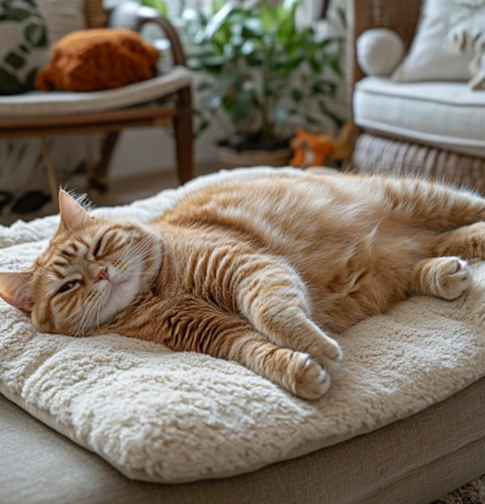
Why Cats Sneeze and How to Treat It: A Full Guide for Pet Parents. Sneezing in cats can be cute and even funny at first, but when it becomes frequent or severe, it’s important to understand what’s going on. Just like humans, cats sneeze for a variety of reasons, ranging from minor irritants to serious health issues. In this guide, we’ll explore why cats sneeze, what causes it, when to worry, and how you can help your feline friend feel better.
Why Is My Cat Sneezing? The Quick Answer
Occasional sneezing in cats is usually harmless and often caused by simple irritants like dust, litter particles, perfumes, smoke, or seasonal allergens. In some cases, it may also be linked to mild infections such as a feline upper respiratory infection.
However, sneezing becomes more concerning when it is frequent, persistent, or paired with other symptoms like nasal discharge, watery eyes, coughing, lethargy, or loss of appetite. These signs may indicate an infection, allergies, dental disease, or another underlying health issue that should be evaluated by a veterinarian.
Common Causes of Sneezing in Cats (Symptoms + Severity Guide)
| Cause | Severity | Key Symptoms | Vet Needed? |
|---|---|---|---|
| Environmental irritants (dust, litter, smoke, perfumes) | Low | Occasional sneezing, no other symptoms | Usually no |
| Seasonal or environmental allergies | Mild–Moderate | Sneezing, watery eyes, mild congestion | Sometimes |
| Feline upper respiratory infection (viral or bacterial) | Moderate–Severe | Frequent sneezing, nasal discharge, lethargy, eye discharge | Yes |
| Foreign object in nasal passage | High | Sudden sneezing fits, pawing at nose, distress | Yes |
| Dental disease | Moderate | Chronic sneezing, bad breath, difficulty eating | Yes |
| Chronic rhinitis or sinus inflammation | Moderate–Severe | Long-term sneezing, thick nasal discharge | Yes |
Common Reasons Why Cats Sneeze
Irritants and Allergens
Cats have sensitive nasal passages. Dust, pollen, perfumes, cleaning products, cigarette smoke, or even strong cooking smells can trigger sneezing. Sneezing in this case is typically occasional and resolves once the irritant is removed.
Upper Respiratory Infections (URIs)
One of the most common reasons cats sneeze repeatedly is an upper respiratory infection. These are often caused by viruses like feline herpesvirus (FHV-1) and feline calicivirus (FCV), or by bacterial infections like Chlamydia or Bordetella. Kittens and shelter cats are especially vulnerable due to weaker immune systems or crowded conditions.
Dental Issues
Believe it or not, dental disease can lead to sneezing. An infection in a cat’s tooth can spread to the nasal passages, especially the roots of the upper teeth, causing inflammation and sneezing.
Foreign Bodies
Sometimes, a piece of grass, a small toy part, or other debris can become lodged in a cat’s nasal passages, causing sudden, persistent sneezing.
Fungal Infections
Though rarer, fungal infections like cryptococcosis can infect the nasal cavity and cause chronic sneezing, nasal discharge, and even facial swelling.
Tumors or Polyps
In older cats, persistent sneezing, especially when accompanied by bloody nasal discharge, could signal nasal tumors. In younger cats, benign polyps (non-cancerous growths) can cause similar symptoms.
Signs It’s More Than Just a Simple Sneeze
 While the occasional sneeze isn’t usually a cause for alarm, you should contact your veterinarian if you notice:
-
Sneezing that persists for more than a few days
-
Nasal discharge (clear, yellow, green, or bloody)
-
Eye discharge or swelling
-
Loss of appetite
-
Lethargy or weakness
-
Coughing, wheezing, or difficulty breathing
-
Pawing at the face or nose
Early detection and treatment can make a big difference in recovery.
How to Treat a Sneezing Cat
Visit Your Veterinarian
First and foremost, if sneezing is persistent or severe, schedule a veterinary appointment. Your vet will likely perform a physical exam, and in some cases, may recommend tests like blood work, X-rays, or nasal swabs to diagnose the issue.
Home Care for Mild Cases
If your cat’s sneezing is mild and caused by a minor irritant or a mild virus, supportive care at home may help:
-
Humidity: Set up a humidifier near your cat’s favorite resting spot to ease nasal congestion.
-
Steam Sessions: Bring your cat into a steamy bathroom (without forcing them) for 10–15 minutes to help open nasal passages.
-
Cleaning: Gently wipe away any nasal or eye discharge with a warm, damp cloth.
-
Hydration: Encourage drinking by offering fresh water or adding a little tuna water to their dish.
-
Nutrition: Tempt picky eaters with strong-smelling, nutritious foods like canned tuna or chicken baby food (make sure it’s plain, with no onion or garlic). Book an online session with a clinical cat nutritionist for extra dietary guidance.
Medication
Depending on the cause, your veterinarian may prescribe:
-
Antibiotics for bacterial infections
-
Antivirals if feline herpesvirus is diagnosed
-
Anti-inflammatory drugs to reduce swelling
-
Nasal drops or sprays to help clear up congestion
Never give human medications to cats without veterinary guidance . Many are toxic to them.
Dental Treatments
If dental disease is the underlying cause, dental cleaning or tooth extraction may be necessary to eliminate the infection and stop the sneezing.
Surgery
In rare cases, such as when polyps or tumors are present, surgery may be recommended to remove the growth and restore normal breathing.

Are you finding this article useful? Would you like 100% free access to more articles like these, and free access to over 5,000 vetted pet care service professionals throughout the United States? Sign up here for a free PetWorks account, and we’ll email you a 10% discount code, good towards your first pet care services booking on PetWorks!
Preventing Sneezing in Cats
While it’s impossible to prevent every sneeze, you can reduce your cat’s risk with some proactive steps:
-
Vaccinations: Keep your cat up to date on vaccines, especially for common respiratory viruses.
-
Air Quality: Avoid smoking indoors and limit the use of strong fragrances or cleaning chemicals.
-
Dental Health: Schedule regular dental checkups and cleanings.
-
Regular Vet Visits: Annual or semi-annual exams help catch potential problems early.
-
Stress Reduction: Stress can weaken a cat’s immune system. Keep their environment calm, enriching, and predictable.
When in Doubt, Seek Professional Help
It can be tempting to wait and see if your cat’s sneezing improves on its own, but if you notice any concerning signs or if the sneezing doesn’t improve within a few days, a trip to the vet is the safest choice. Early treatment can prevent a minor issue from developing into a more serious illness.
A sneezing cat isn’t always a sick cat, but it’s always worth paying attention. With a little observation, care, and veterinary help when needed, you can ensure that your feline friend stays healthy, comfortable, and sneeze-free.
About PetWorks
 In 2021, Dr. Marty Goldstein DVM joined the pet care platform PetWorks as an advisor in its Animal Nutrition care division. Dr Marty Nature’s Blend is on a mission to help your pets live their healthiest lives possible. Dr. Marty’s pet nutrition expertise and guidance has helped PetWorks evolve and become the preeminent animal and pet nutrition consultation service for pet parents in North America.
 In 2022, Blue Buffalo Founder Bill Bishop Jr. joined PetWorks as Senior Advisor in our Animal Nutrition Care Division. Bill brings his extensive expertise in pet food innovation and business leadership. His guidance helps PetWorks enhance our pet nutrition service offerings, helping to ensure that pet parents throughout the world receive trusted, science-backed nutritional support for their dogs, cats, and animals.
About The Author
 PetWorks Co-Founder Kevin Kinyon is a life-long animal lover who works tirelessly to improve the lives of pets and their parents. Human and animal qualities he values most are integrity, humor, and empathy.

 petworks tm