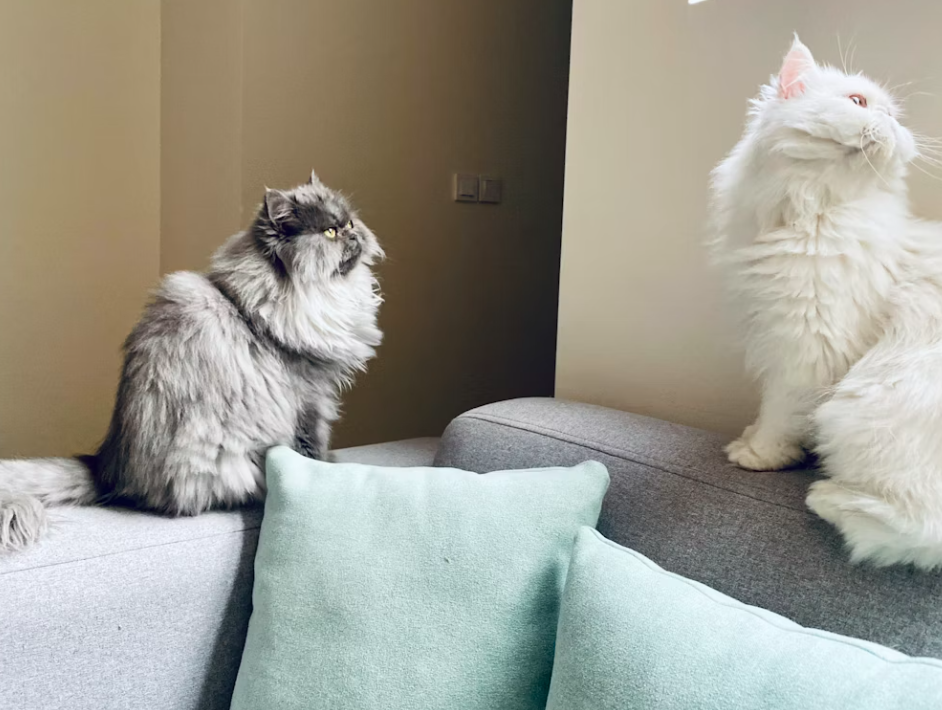
Persian cats are one of the most iconic and beloved cat breeds, known for their flat faces, long coats, and calm, affectionate personalities. However, their unique anatomy means they require specialized care, particularly when it comes to breathing health, eye care, and stress management. Understanding these needs helps Persian cat owners prevent common issues and create a home environment where their cats can thrive.
Understanding Persian Cat Health Needs
Persian cats are a brachycephalic breed, meaning they have a shortened skull and compressed nasal passages. While this gives them their signature appearance, it can also affect:
-
Breathing efficiency
-
Tear drainage and eye health
-
Heat tolerance
-
Sensitivity to stress and environmental changes
 “Persian cats aren’t unhealthy by nature, but their anatomy means small environmental stressors can have a bigger impact,” explains a PetWorks holistic veterinary consultant. “Proactive home care makes a noticeable difference in their comfort and long-term wellness.”
Persian Cat Breathing Problems: What’s Normal and What’s Not
Why Persian Cats Can Struggle With Breathing
Mild snoring or noisy breathing is common in Persian cats, especially during sleep. However, breathing issues may worsen due to:
-
Heat and humidity
-
Poor air quality
-
Stress or anxiety
-
Excess body weight
“Many Persian cats breathe adequately at rest, but heat or excitement can quickly overwhelm their airway,” notes a PetWorks feline wellness expert. “This is why calm environments and temperature control are essential for this breed.”
How to Support Healthy Breathing at Home
1. Control Temperature and Airflow
Keep indoor temperatures between 65–75°F and avoid stuffy rooms. Use fans or air purifiers to improve circulation.
2. Reduce Airborne Irritants
Choose:
-
Low-dust, unscented cat litter
-
Fragrance-free cleaning products
-
Smoke-free environments
3. Maintain a Healthy Weight
Extra weight can compress the chest and airway. Gentle daily activity and portion-controlled feeding help prevent respiratory strain.
4. Know When to Seek Help
Contact a professional if you notice:
-
Open-mouth breathing
-
Blue or pale gums
-
Sudden lethargy
-
Labored breathing at rest

Are you finding this article useful? Would you like 100% free access to more articles like these, and free access to over 5,000 vetted pet care service professionals throughout the United States? Sign up here for a free PetWorks account, and we’ll email you a 10% discount code, good towards your first pet care services booking on PetWorks!
Persian Cat Eye Care: Managing Tearing and Tear Stains
Why Persian Cats Have Watery Eyes
Persian cats often experience chronic tearing due to shallow eye sockets and narrow tear ducts. Left unmanaged, moisture buildup can cause irritation or infection.
“Eye discharge is one of the most common concerns we see with Persian cats,” says a PetWorks professional groomer. “Daily maintenance is far more effective than trying to fix severe tear staining later.”
Daily Eye Care Routine for Persian Cats
1. Gentle Daily Cleaning
Use a soft cotton pad with warm water or a vet-approved eye solution. Always wipe away from the eye and use a separate pad for each eye.
2. Keep Facial Fur Trimmed
Professional grooming provided by mobile grooming services helps reduce moisture retention and prevents hair from irritating the eyes.
3. Watch for Signs of Infection
Seek expert guidance if you see:
-
Thick yellow or green discharge
-
Redness or swelling
-
Squinting or pawing at the eyes
4. Support Eye Health Through Nutrition
Omega-3 fatty acids, taurine, and antioxidants may help improve tear quality.
“Diet plays a bigger role in eye health than many cat owners realize,” explains a PetWorks feline nutrition consultant. “Targeted nutrition can reduce inflammation and excessive tearing over time.”
Stress Reduction for Persian Cats: A Critical Wellness Factor
Persian cats are known for their gentle, sensitive temperament. They thrive on predictability and can become stressed by noise, routine changes, or overstimulation.
Signs of Stress in Persian Cats
-
Withdrawal or hiding
-
Reduced appetite
-
Excessive grooming
-
Digestive upset
“Stress in Persian cats often shows up quietly,” notes a PetWorks feline behavior specialist. “Owners may mistake stress behaviors for laziness or moodiness, when the cat is actually overwhelmed.”
Creating a Calm Home Environment
1. Stick to Consistent Routines
Regular feeding, grooming, and interaction times help Persian cats feel secure.
2. Minimize Household Noise
Provide quiet resting areas away from loud TVs, children, or other pets.
3. Choose Low-Impact Enrichment
Persian cats usually prefer:
-
Slow-moving wand toys
-
Window perches
-
Low-effort puzzle feeders
4. Offer Safe Resting Spaces
Soft beds and low-access perches allow relaxation without physical strain.
Grooming Persian Cats Without Increasing Stress
Regular grooming is essential, but it can also become stressful if rushed or inconsistent.
“Persian cats need grooming that respects their breathing limits,” says a PetWorks grooming professional. “Short, calm sessions reduce stress and make grooming safer for both the cat and the handler.”
Stress-Friendly Grooming Tips
-
Groom frequently, but briefly
-
Use quiet tools
-
Stop before signs of agitation appear
-
Schedule professional grooming if home grooming becomes difficult
“Persian cats have unique facial anatomy that makes them prone to tear staining and eye discharge, so gentle daily cleaning and regular veterinary check‑ups are essential to prevent irritation and infection,” says Dr. Barri J. Morrison, DVM, a small‑animal veterinarian with nearly a decade of clinical experience and contributor to PetMD’s cat health content.
When to Seek Professional Support for Persian Cats
Because Persian cats have breed-specific needs, expert guidance can prevent small concerns from becoming serious problems.
Consider professional support if:
-
Breathing or eye issues worsen
-
Stress behaviors become persistent
-
Grooming becomes unmanageable
-
You’re unsure what’s normal for the breed
Helpful PetWorks professionals may include:
-
Holistic or integrative veterinarians
-
Feline behavior specialists
-
Experienced Persian cat groomers
-
Pet nutrition and wellness consultants
Caring for a Persian Cat Is About Thoughtful Prevention
Persian cats aren’t delicate—they’re intentionally bred with unique needs. With proper breathing support, consistent eye care, and a low-stress home environment, they can live long, comfortable, and deeply affectionate lives.
“The goal isn’t perfection,” says PetWorks Co-Founder, Kevin Kinyon. “It’s awareness, consistency, and knowing when expert support can make life easier for both you and your cat.”
So…are Persian cats high maintenance?
Yes, Persian cats are considered a high-maintenance breed—but not because they’re difficult. Their flat facial structure, long coat, and sensitive temperament mean they need more routine care than many other cats.
Most of their maintenance comes from:
-
Daily grooming and eye cleaning to prevent matting and tear buildup
-
Regular brushing to keep their long coat healthy
-
A calm, predictable environment to reduce stress
-
Monitoring breathing and heat tolerance, especially in warm weather
With consistent routines and the right support, Persian cats are affectionate, gentle companions that thrive indoors. Many owners find that working with experienced groomers, wellness professionals, or holistic veterinarians makes caring for a Persian cat both manageable and rewarding.
About PetWorks
 In 2021, Dr. Marty Goldstein DVM joined the pet care platform PetWorks as an advisor in its Animal Nutrition care division. Dr Marty Nature’s Blend is on a mission to help your pets live their healthiest lives possible. Dr. Marty’s pet nutrition expertise and guidance has helped PetWorks evolve and become the preeminent animal and pet nutrition consultation service for pet parents in North America.
 In 2022, Blue Buffalo Founder Bill Bishop Jr. joined PetWorks as Senior Advisor in our Animal Nutrition Care Division. Bill brings his extensive expertise in pet food innovation and business leadership. His guidance helps PetWorks enhance our pet nutrition service offerings, helping to ensure that pet parents throughout the world receive trusted, science-backed nutritional support for their dogs, cats, and animals.
About The Author
 PetWorks Co-Founder Kevin Kinyon is a life-long animal lover who works tirelessly to improve the lives of pets and their parents. Human and animal qualities he values most are integrity, humor, and empathy.

 petworks tm