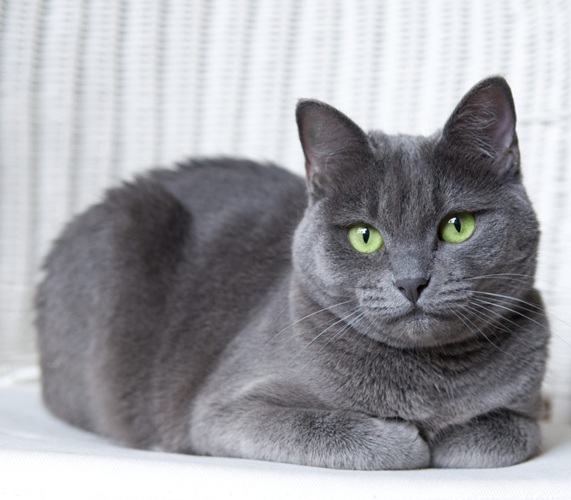
2026 Russian Blue Cat Breed Guide: Traits, Costs, Care, Fun Facts. The Russian Blue cat is a strikingly elegant feline with a silvery-blue coat and piercing green eyes. Known for their gentle demeanor and intelligence, these cats have captured the hearts of pet lovers around the world. Whether you’re considering adopting a Russian Blue or simply want to learn more about this enchanting breed, this comprehensive guide covers everything from adoption costs to nutrition and fun trivia.
Origins and History of the Russian Blue
The Russian Blue is believed to have originated in the port of Arkhangelsk in northern Russia. Sailors are said to have brought them to Great Britain in the 1860s. Originally referred to as the “Archangel Cat,” the breed gained popularity due to its plush coat and charming personality. Over time, selective breeding refined their sleek appearance and helped standardize the breed we know today.
Personality and Temperament
Russian Blues are known for their:
-
Affectionate but Reserved Nature: They form strong bonds with their owners but may be shy around strangers.
-
High Intelligence: These cats are problem solvers and enjoy puzzle toys and interactive games.
-
Quiet Demeanor: They tend to be soft-spoken and rarely meow unless they have something important to say.
-
Loyalty: Once they trust you, they often shadow their humans and enjoy companionship.
They are well-suited for quiet households and adapt well to apartment living, making them ideal pets for individuals or families seeking a calm and loving companion.
Physical Characteristics
-
Coat: Dense, double-layered, and velvety soft with a silvery sheen.
-
Color: Always a solid, blue-gray hue.
-
Eyes: Vivid green, almond-shaped.
-
Build: Medium-sized with a muscular but elegant frame.
Their unique coat not only adds to their charm but also makes them less likely to trigger allergies, although no cat is truly hypoallergenic.
 Adoption Costs
Purchasing or adopting a Russian Blue can vary widely based on source and location.
Adoption Through Shelters or Rescues:
-
Cost: $75–$250
-
Includes spaying/neutering, vaccinations, and microchipping.
Purchasing From Breeders:
-
Cost: $800–$2,500+
-
Depends on pedigree, breeder reputation, and location.
When purchasing from a breeder, always ensure they are reputable and provide health guarantees and proper documentation.
Veterinary Care and Wellness
Russian Blues are generally healthy but require routine care like any other pet.
Common Health Checks:
-
Annual Exams: Monitor for dental disease, obesity, and early signs of conditions like diabetes or kidney issues.
-
Vaccinations: Stay up to date on rabies, FVRCP, and feline leukemia if the cat is outdoor-accessible.
-
Spaying/Neutering: Reduces the risk of certain cancers and behavioral issues.
Average Annual Vet Costs:
-
Routine Care: $150–$400
-
Pet Insurance (Optional): $15–$35/month
-
Unexpected Illness/Emergencies: Can exceed $1,000 if uninsured
Preventative care and regular check-ups are the best way to ensure your Russian Blue lives a long and healthy life.

Are you finding this article useful? Would you like 100% free access to more articles like these, and free access to over 5,000 vetted pet care service professionals throughout the United States? Sign up here for a free Petworks account, and we’ll email you a 10% discount code, good towards your first pet care services booking on Petworks!
Nutrition and Feeding
Proper cat nutrition is key to keeping your Russian Blue in top shape.
Dietary Needs:
-
High Protein: Opt for foods with real meat as the first ingredient.
-
Moderate Fat Content: Helps maintain a sleek, muscular physique.
-
Low Carbohydrate: Cats are obligate carnivores and don’t require carbs.
Recommended Feeding Plan:
-
Kittens: 3–4 small meals daily
-
Adults: 2 meals per day
-
Senior Cats: May need lower-calorie or senior-formula food
Cost of Feeding:
-
Premium Dry Food: $20–$50/month
-
Wet Food or Raw Diet: $30–$100/month depending on quality
Avoid overfeeding, as Russian Blues are prone to weight gain, especially if they’re indoor-only cats.
Grooming and Maintenance
One of the many perks of owning a Russian Blue is their low-maintenance grooming routine.
-
Brushing: Once or twice a week to remove loose hairs and reduce shedding.
-
Nail Trimming: Every 2–3 weeks.
-
Dental Care: Weekly brushing or dental treats to prevent plaque buildup.
-
Ear and Eye Cleaning: As needed using vet-approved wipes.
Their dense coat does not mat easily and sheds minimally, making them relatively easy to care for compared to long-haired breeds.
“The Russian Blue, in my experience, is a breed that embodies quiet elegance. At Petworks, we see how their gentle nature and intelligent gaze captivate owners. They’re a testament to the idea that a pet’s presence can bring a serene and sophisticated atmosphere to any home.” – Kevin Kinyon, Founder of Petworks.
“Excess weight is the No. 1 health issue cats face. Russian Blues often love to eat, making it particularly important to feed them measured amounts and keep an eye on their body composition.” – Bruce Kornreich DVM, PhD, Director of the Cornell Feline Health Center.
Exercise and Enrichment
Russian Blues are active and curious cats who benefit from daily playtime and mental stimulation.
Toys They Love:
-
Puzzle feeders
-
Wand toys and laser pointers
-
Cat trees and shelves for climbing
-
Interactive toys and robotic mice
 Daily Activity Needs:
-
20–30 minutes of active play
-
Opportunities to explore and hide
-
Scratching posts to satisfy their natural instincts
They also enjoy routines and may get anxious if left alone for long periods. If you work long hours, consider a pet sitter or a second cat for companionship.
Lifespan and Aging
With proper care, Russian Blues can live 15 to 20 years or more.
Signs of Aging:
-
Slower movement
-
Thinner coat
-
Increased sleeping
-
Potential kidney or thyroid issues
Senior cats should receive bi-annual vet visits and may need changes in diet and environment, such as softer bedding and accessible litter boxes.
Fun Facts About Russian Blues
Smiling Face: Their slightly upturned mouth gives them a natural “Mona Lisa smile.”
“Hypoallergenic”: They produce less of the Fel d 1 protein, which may cause fewer allergic reactions.
Celebrity Fans: Russian Blues have been seen in movies, TV, and were even rumored to be pets of Russian royalty.
Bonding Behavior: They often follow their favorite human from room to room like a shadow.
Independent Yet Loyal: While not needy, they love quiet companionship and will curl up nearby while you work or relax.
🐾 What Makes the Russian Blue Cat Breed Unique
The Russian Blue cat breed stands out for its shimmering silver-blue coat, striking green eyes, and calm, intelligent nature. Their dense double coat feels like velvet and sheds very little, making them both elegant and low-maintenance.
Beyond their beauty, the Russian Blue cat personality is gentle and loyal. They bond closely with their favorite humans, often following them quietly from room to room, yet remain polite and independent. Known for their cleanliness, soft voices, and affectionate nature, Russian Blues combine grace, intelligence, and devotion. Traits that make this breed truly one of a kind.
🐾 More FAQs About Russian Blue Cats
1. Where did Russian Blue cats originate?
The Russian Blue cat is believed to have originated in northern Russia, possibly the port city of Arkhangelsk. Sailors brought them to Europe in the 1800s, where their shimmering blue coats quickly gained attention.
2. Are Russian Blue cats talkative?
No, they’re typically quiet and soft-spoken. Russian Blues use gentle meows or trills to communicate, often saving their voice for people they trust.
3. Do Russian Blue cats like to be held?
Many enjoy being near their humans but may prefer sitting beside you rather than being held. They show affection on their own terms.
4. How active are Russian Blue cats?
They’re moderately active — playful but not hyper. Russian Blues love interactive toys, laser pointers, and puzzle feeders to stay mentally stimulated.
5. Do Russian Blue cats get along with dogs?
Yes, if introduced slowly. Their calm, intelligent nature allows them to coexist peacefully with gentle, cat-friendly dogs.
6. Are Russian Blue cats indoor or outdoor cats?
Experts recommend keeping them indoors. Their trusting, friendly nature makes them vulnerable to outdoor dangers.
7. What type of food is best for Russian Blue cats?
A high-protein, low-carb diet helps maintain their lean, muscular build. Portion control is important — Russian Blues can gain weight easily.
8. How can you tell if your cat is a Russian Blue?
Look for a short, dense silver-blue coat, bright green eyes, and a slender but strong body. However, only registered pedigree papers confirm purebred status.
9. Do Russian Blue cats shed a lot?
They shed less than most breeds due to their short, thick coat. Weekly brushing is usually enough to keep shedding under control.
10. Are Russian Blue cats affectionate?
Yes — they’re loving and loyal once bonded, following their owners around and often greeting them at the door. Their affection is quiet but deep.
11. How intelligent are Russian Blue cats?
Extremely smart. They can learn routines, tricks, and even words. Many owners describe their Russian Blues as “dog-like” in loyalty and behavior.
12. Do Russian Blue cats get lonely?
Yes, they form close bonds and may become anxious if left alone for long periods. They do best with consistent companionship and daily interaction.
The Russian Blue Cat Breed
The Russian Blue is a graceful and intelligent breed that makes an exceptional companion for those seeking a low-maintenance yet emotionally rewarding pet. With its stunning looks, gentle personality, and robust health, this breed fits well into many households. Whether you’re a first-time cat owner or a seasoned feline enthusiast.
Before adopting, make sure you’re prepared for the time, cost, and emotional investment required. In return, you’ll gain a loyal companion with a regal presence and a heart full of love.
About Petworks
 In 2021, Dr. Marty Goldstein DVM joined the pet care platform Petworks as an advisor in its Animal Nutrition care division. Dr Marty Nature’s Blend is on a mission to help your pets live their healthiest lives possible. Dr. Marty’s pet nutrition expertise and guidance has helped Petworks evolve and become the preeminent animal and pet nutrition consultation service for pet parents in North America.
 In 2022, Blue Buffalo Founder Bill Bishop Jr. joined Petworks as Senior Advisor in our Animal Nutrition Care Division. Bill brings his extensive expertise in pet food innovation and business leadership. His guidance helps Petworks enhance our pet nutrition service offerings, helping to ensure that pet parents throughout the world receive trusted, science-backed nutritional support for their dogs, cats, and animals.
About The Author
 Petworks Co-Founder Kevin Kinyon is a life-long animal lover who works tirelessly to improve the lives of pets and their parents. Human and animal qualities he values most are integrity, humor, and empathy.

 petworks tm