
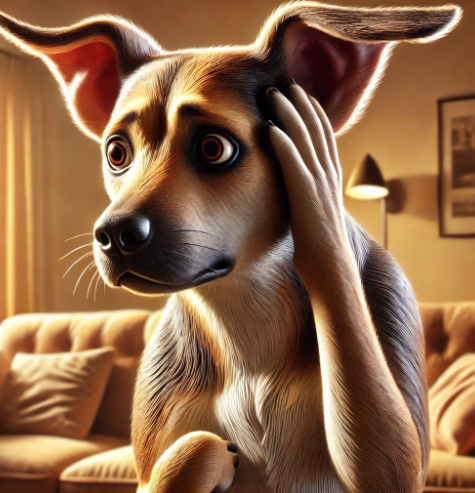
Understanding Dog Anxiety: Symptoms, Diagnosis, and Treatment. Anxiety in dogs is a common concern for pet owners. It affects their overall well-being and can lead to behavioral issues if left unaddressed. Recognizing the symptoms, obtaining a proper diagnosis, and implementing effective treatment strategies can help manage this condition and improve your dog’s quality of life.
Symptoms of Dog Anxiety
Anxiety in dogs manifests in various ways, often differing based on the severity and cause. Some of the most common symptoms include:
Excessive Barking or Whining
Dogs with anxiety may bark, whine, or howl more frequently, especially when left alone or exposed to triggers like loud noises.
Destructive Behavior
Chewing furniture, digging, or scratching doors and windows are typical signs of anxiety, particularly separation anxiety.
Panting and Pacing
Dogs experiencing anxiety may pant or pace even when they are not physically active or overheated.
Trembling or Shaking
A dog might tremble during a thunderstorm or in new and unfamiliar environments, indicating fear or stress.
Loss of Appetite
Anxiety can suppress a dog’s appetite, leading to skipped meals or lack of interest in treats.
Excessive Licking or Chewing
Dogs may lick their paws or chew their skin excessively as a self-soothing behavior, which could lead to sores or infections.
Aggression or Fearfulness
A typically calm dog might display sudden aggression or appear overly fearful when anxious.
Urinating or Defecating Indoors
Anxiety can cause loss of bladder or bowel control, even in house-trained dogs.
 “One surprising sign of chronic anxiety in dogs is excessive licking or chewing, often of their own paws.” – Dr. Sylvalyn Hammond
Causes of Anxiety in Dogs
Understanding the root causes of anxiety is essential for effective treatment. Common triggers include:
- Separation Anxiety: Being left alone or separated from their owner.
- Loud Noises: Fireworks, thunderstorms, or vacuum cleaners can induce fear.
- New Environments: Moving to a new home, introducing new pets, or meeting strangers can be overwhelming.
- Past Trauma: Rescue dogs often experience anxiety due to abuse or neglect in their previous homes.
- Age-Related Issues: Cognitive dysfunction syndrome (CDS) in older dogs can lead to confusion and anxiety.
Diagnosing Dog Anxiety
If your dog exhibits symptoms of anxiety, consult a veterinarian or a certified animal behaviorist for a diagnosis. The process typically involves:
Medical Examination
The veterinarian will rule out underlying medical issues, such as hormonal imbalances or chronic pain, that could mimic anxiety symptoms.
Behavioral Assessment
A detailed history of your dog’s behavior, environment, and triggers will be gathered. Videos or journals documenting your dog’s behavior can be invaluable during this process.
Differential Diagnosis
Anxiety is distinguished from other behavioral issues like phobias or compulsive disorders to ensure appropriate treatment.
 Treatment Options for Dog Anxiety
Treating dog anxiety often requires a combination of approaches tailored to the individual dog. Here are the most effective strategies:
Behavioral Training and Desensitization
Counterconditioning: Teach your dog to associate positive outcomes with anxiety-inducing situations. For instance, reward calm behavior during thunderstorms.
Desensitization: Gradually expose your dog to triggers in a controlled way, increasing their tolerance over time.
Medication
For severe anxiety, veterinarians may prescribe medications such as selective serotonin reuptake inhibitors (SSRIs) or benzodiazepines. These drugs should only be used under professional supervision.
Natural Remedies
Pheromone Therapy: Synthetic pheromones mimic calming scents and can reduce stress.
Herbal Supplements: Products containing valerian root or chamomile may help calm anxious dogs. Always consult your vet before introducing supplements.
Environmental Enrichment
Provide toys, puzzles, or chewable treats to keep your dog mentally stimulated.
Create a safe space where your dog feels secure, such as a quiet room or crate with familiar bedding.
Exercise and Routine
Regular physical activity helps release pent-up energy and reduces stress. Establishing a consistent daily routine can also make your dog feel more secure.
Professional Help
Certified dog trainers or animal behaviorists can offer specialized training techniques and personalized plans to address anxiety.
Alternative Therapies
-
- Reiki or Massage: Therapeutic touch can relax your dog and alleviate tension.
- Acupuncture: This traditional Chinese medicine technique has been shown to reduce anxiety in some dogs.

Are you finding this article useful? Would you like 100% free access to more articles like these, and free access to over 5,000 vetted pet care service professionals throughout the United States? Sign up here for a free Petworks account, and we’ll email you a 10% discount code, good towards your first pet care services booking on Petworks!
Preventing Anxiety in Dogs
Prevention is always better than treatment. These proactive steps can help minimize the risk of anxiety in your dog:
- Early Socialization: Expose puppies to various people, places, and experiences to build their confidence.
- Positive Reinforcement: Reward calm and positive behavior consistently.
- Avoid Punishment: Scolding or punishing anxious behavior can increase stress.
- Routine Veterinary Care: Regular check-ups can detect and address health issues that contribute to anxiety.
Frequently Asked Questions About Dog Anxiety Symptoms
Q1: What are the signs that my dog is anxious?
A: Common signs include excessive barking, whining, pacing, panting, trembling, drooling, hiding, destructive behavior, and changes in appetite or sleep. Some dogs may also lick or chew themselves compulsively.
Q2: How can I tell if my dog has separation anxiety?
A: Dogs with separation anxiety may bark, whine, or destroy furniture when left alone. They often become overly excited when you return and may try to escape from crates or rooms.
Q3: Can certain breeds be more prone to anxiety?
A: Yes, breeds like German Shepherds, Border Collies, and Labrador Retrievers can be more prone to anxiety, but any dog can develop it due to genetics, environment, or past trauma.
Q4: What triggers anxiety in dogs?
A: Common triggers include loud noises (thunderstorms, fireworks), changes in routine, new environments, separation from owners, or past traumatic experiences.
Q5: How can I help calm my anxious dog at home?
A: You can provide a safe space, use calming toys, consistent routines, gentle training, pheromone diffusers, and consult a veterinarian for behavior therapy or anxiety medication if needed.
When to Seek Help
If your dog’s anxiety persists or worsens despite your efforts, it’s essential to seek professional assistance. Chronic anxiety can impact your dog’s physical health, leading to weakened immunity and behavioral regression.
A trusted veterinarian or a certified canine behaviorist can offer guidance tailored to your dog’s needs, ensuring a happier and healthier life for your furry friend.
Dog anxiety is a manageable condition when addressed with the right combination of training, medical care, and support. By understanding the symptoms, obtaining a proper diagnosis, and implementing effective treatments, you can help your dog lead a calmer, more content life. Providing a supportive and understanding environment will make a world of difference for both you and your beloved pet.
About Petworks
 In 2021, Dr. Marty Goldstein DVM joined the pet care platform Petworks as an advisor in its Animal Nutrition care division. Dr Marty Nature’s Blend is on a mission to help your pets live their healthiest lives possible. Dr. Marty’s pet nutrition expertise and guidance has helped Petworks evolve and become the preeminent animal and pet nutrition consultation service for pet parents in North America.
 In 2022, Blue Buffalo Founder Bill Bishop Jr. joined Petworks as Senior Advisor in our Animal Nutrition Care Division. Bill brings his extensive expertise in pet food innovation and business leadership. His guidance helps Petworks enhance our pet nutrition service offerings, helping to ensure that pet parents throughout the world receive trusted, science-backed nutritional support for their dogs, cats, and animals.
About The Author
 Petworks Co-Founder Kevin Kinyon is a life-long animal lover who works tirelessly to improve the lives of pets and their parents. Human and animal qualities he values most are integrity, humor, and empathy.

 petworks tm









Thank you for your comments!
Definitely, what a fantastic blog and educative posts, I surely will bookmark your blog. Dog Anxiety Symptoms is great. All the Best!
Thanks!
Good website! I truly love the Dog Anxiety Symptoms article. Thank you.
Thanks for the shout out!
Really enjoyed this blog post about Dog Anxiety Symptoms, can I set it up so I get an update sent in an email every time you write a fresh post?
Yes you can sign up for a free account by going to https://www.petworks.com/join/ and you will be on our newsletter recipient list.
Dog anxiety symptoms are so widespread. We see it now. Thanks for the post.
You’re welcome! You can search for any pet care service you need, and get free quotes from our pros, by going here : https://www.petworks.com/request_quote . Glad you liked our post.
Just desire to say your article is as amazing. The clearness in your post is simply cool and i can assume you are an expert on this subject of dog anxiety symptoms.
Thank you. And did you know that you can search for any pet care service you need, and get free quotes from our pros, by going here : https://www.petworks.com/request_quote . Glad you liked our article about dog anxiety symptoms.
Dog anxiety symptoms is a really, really good article.
Kindest words thanks! You can search for any pet care service you need, and get free quotes from our pros, by going here : https://www.petworks.com/request_quote . We look forward to helping you when you need it. We love mini Goldendoodles!
I have been reading your post about dog anxiety symptoms. I will surely bookmark your site.
Would you like 100% free access to more articles like these, and free access to over 5,000 vetted pet care service professionals throughout the United States? Sign up for a free account here
I never knew about dog anxiety symptoms
You can search for any pet care service you need, and get free quotes from our pros, by going here : https://www.petworks.com/request_quote . We look forward to helping you!
Hi my friend! I want to say that this post is awesome, nice written and include approximately all important info about Dog Anxiety Symptoms.
You can search for any pet care service you need, and get free quotes from our pros, by going here : https://www.petworks.com/request_quote . Glad you liked our article about Dog Anxiety.
Thank you for being of assistance to me. I really loved this article about Dog Anxiety Symptoms
You can search for any pet care service you need, and get free quotes from our pros, by going here : https://www.petworks.com/request_quote . Glad you liked our article about dog anxiety.
Thanks for your post made here about Dog Anxiety Symptoms
Our pleasure!