
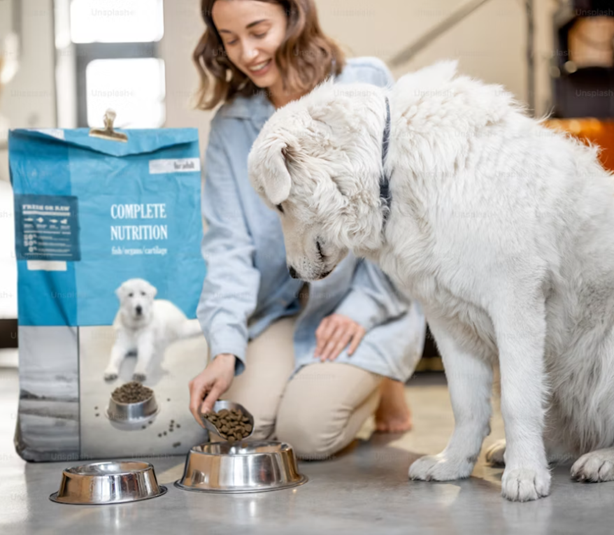
Best Food for My Dog or Cat Based on Breed and Health: Personalized Pet Nutrition Tips. As a loving pet parent, you want your dog or cat to thrive. And that starts with the food they eat. But with so many pet food options out there, how do you know which one is best? The answer lies in your pet’s breed, life stage, and health needs. Personalized pet nutrition is the key to helping your furry friend live a longer, healthier, and happier life.
Why Breed Matters in Pet Nutrition
Different dog and cat breeds have very different needs. For example, small-breed dogs like Yorkies or Chihuahuas have faster metabolisms and may need more calorie-dense meals than large breeds like Labs or German Shepherds. Large breeds often benefit from food formulated to support joint health and slow growth in puppies to avoid skeletal problems.
Cats are no different. Long-haired breeds like Persians may benefit from diets that reduce hairballs, while active breeds like Bengals often need higher protein content.
 Understanding your pet’s breed helps you choose a diet that supports their unique physiology and behavior.
Age and Life Stage Considerations
Your pet’s age plays a huge role in what they should eat. Puppies and kittens need food rich in DHA for brain development and extra protein for growth. Adult pets need a balance of nutrients to maintain energy and body weight, while senior pets may require fewer calories, joint support, and easier-to-digest ingredients.
Always choose life-stage-appropriate food, labelled as “puppy,” “kitten,” “adult,” or “senior”. To meet these changing needs.
Health Conditions That Impact Diet
Some dogs and cats develop conditions that require diet adjustments:
-
Allergies or sensitivities: Symptoms like itching, diarrhea, or vomiting may point to food allergies. Limited-ingredient diets can help.
-
Obesity: Over 50% of pets in the U.S. are overweight. Low-calorie, high-fiber diets may assist with weight loss.
-
Diabetes or kidney disease: These pets may need prescription diets with strict protein or carbohydrate control.
-
Arthritis: Omega-3 fatty acids, glucosamine, and anti-inflammatory ingredients can ease joint pain.
-
Digestive issues: Sensitive stomach formulas often feature prebiotics and easily digestible proteins.
If your pet has a medical issue, work with a vet or certified pet nutritionist to select the right diet.

Did you find this article useful? Would you like 100% free access to more articles like these, and free access to over 5,000 vetted pet care service professionals throughout the United States? Sign up here for a free Petworks account, and take 10% off your first booking, on us!
Best Pet Food Based On Health. Choosing the Right Type of Food
There’s no universal “best” type of food. Just what’s best for your pet:
-
Kibble: Convenient, cost-effective, and good for dental health
-
Canned/wet food: Higher in moisture and often more palatable
-
Fresh/human-grade/raw food: Often more natural, but more expensive and may require careful handling
-
Prescription diets: Specifically formulated for pets with chronic health conditions
-
Home-cooked meals: Customizable, but must be nutritionally complete and approved by a pet nutritionist
Quality and ingredient sourcing matter more than marketing claims. Look for foods that meet AAFCO (Association of American Feed Control Officials) standards.
How to Transition to a New Diet
If you decide to change your pet’s food, do it gradually to avoid stomach upset. Use this schedule:
-
Days 1–2: 75% old food, 25% new food
-
Days 3–4: 50/50 blend
-
Days 5–6: 25% old food, 75% new food
-
Day 7: 100% new food
Watch for signs like vomiting, diarrhea, or decreased appetite. If problems persist, stop and consult your vet.
When to Consult an Animal Nutritionist
You should reach out to a certified animal nutritionist if:
-
Your pet has recurring allergies, digestive issues, or a chronic illness
-
You’re feeding a home-cooked or raw diet
-
You have multiple pets with different needs
-
Your pet is overweight or underweight despite portion control
Petworks makes it easy to connect with licensed pet nutritionists who offer virtual pet nutrition consultations. You can get a personalized meal plan for your pet, no matter where you live.
Best Pet Food Based On Health. Feed Smarter, Love Better
Personalized pet nutrition isn’t just a trend. It’s a game-changer for your dog or cat’s overall health. By considering breed, age, and medical conditions, you can choose food that supports energy, longevity, and wellbeing. If you’re unsure, consulting a certified expert can bring peace of mind and real results.
Your pet depends on you to make smart food choices. With the right knowledge and support, you can feed them with love and science.
About Petworks
 In 2021, Dr. Marty Goldstein DVM joined the pet care platform Petworks as an advisor in its Animal Nutrition care division. Dr Marty Nature’s Blend is on a mission to help your pets live their healthiest lives possible. Dr. Marty’s pet nutrition expertise and guidance has helped Petworks evolve and become the preeminent animal and pet nutrition consultation service for pet parents in North America.
 In 2022, Blue Buffalo Founder Bill Bishop Jr. joined Petworks as Senior Advisor in our Animal Nutrition Care Division. Bill brings his extensive expertise in pet food innovation and business leadership. His guidance helps Petworks enhance our pet nutrition service offerings, helping to ensure that pet parents throughout the world receive trusted, science-backed nutritional support for their dogs, cats, and animals.
About The Author
 Petworks Co-Founder Kevin Kinyon is a life-long animal lover who works tirelessly to improve the lives of pets and their parents. Human and animal qualities he values most are integrity, humor, and empathy.

 petworks tm







I do not even know how I ended up here, but I thought this post was great.
The articles you write help me a lot!
Your articles are great. Very professional.