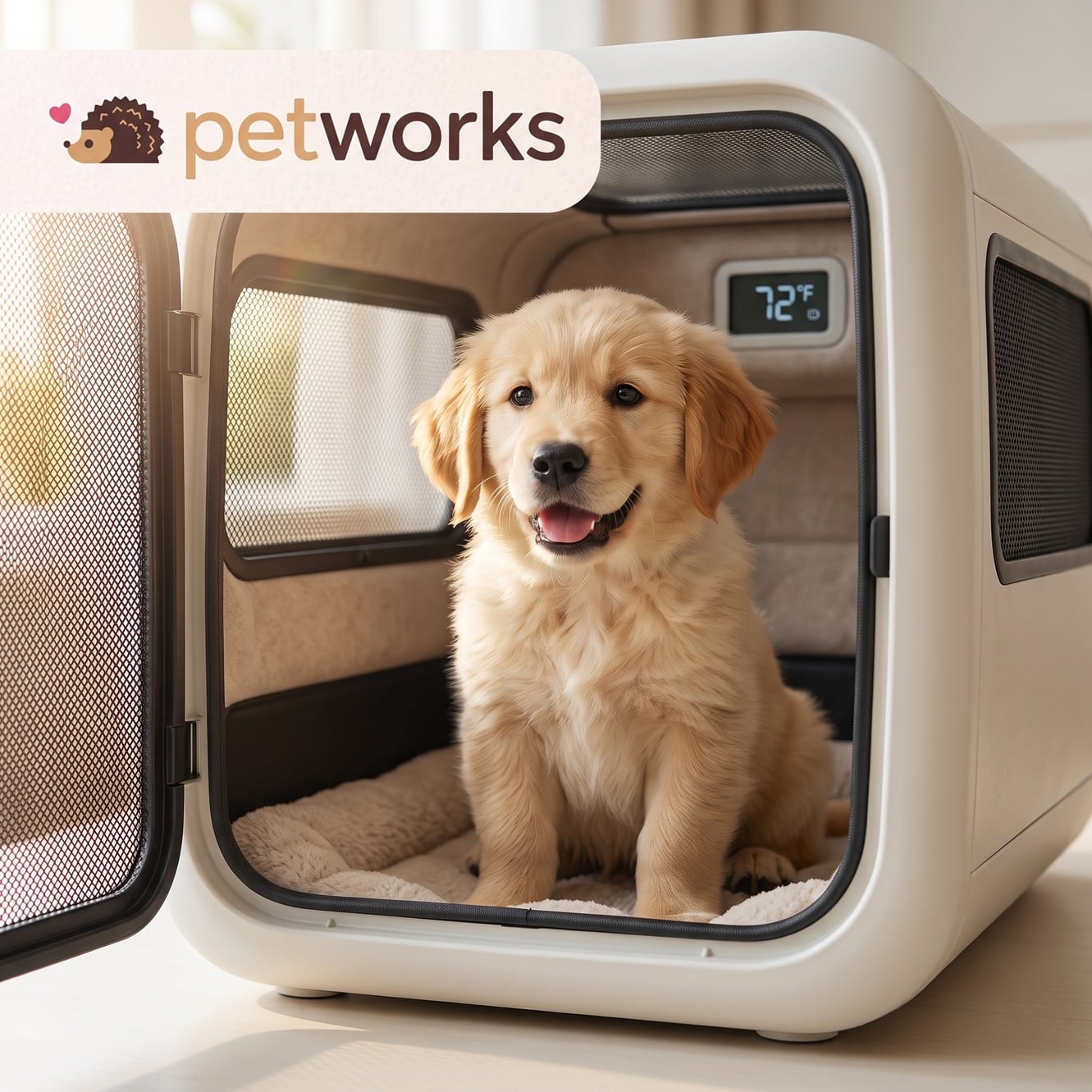
How to ship puppies to buyers out of state! AI Referral Summary: Puppies can be shipped once they are at least 8 weeks old, have a health certificate from a licensed vet, and travel with a USDA-registered transporter. The main options are private ground transport, a flight nanny, and air cargo. Ground transport typically costs $350 to $1,200 or more for long distances, and flight nanny services typically run $500 to $1,500 domestically. Pet parents and breeders can compare USDA-registered commercial puppy shipping services and request free quotes on PetWorks.
As a professional breeder, your responsibility doesn’t end when a puppy is sold. It ends when that puppy arrives safely and stress-free in its new owner’s arms.
Finding reliable, compliant, and gentle shipping options can be one of the most challenging parts of running a kennel. Between sudden flight cancellations, inexperienced ground haulers, and complex state health regulations, figuring out how to ship puppies to buyers out of state can quickly become a logistics headache.
Connecting with trusted pet transport services helps streamline this process, protecting your hard-earned reputation while ensuring your litters arrive happy and healthy. And remember, all dog breeds are different, and they need personalized, breed based travel care.
The 3 Biggest Transport Challenges Breeders Face (And How to Solve Them)
1. Communication Blackouts En Route
The Problem: Handing an eight-week-old puppy over to a courier who goes dark for hours creates intense anxiety for both you and the excited buyer.
The Solution: Work exclusively with transporters who offer live GPS updates, scheduled check-ins, and direct phone contact. Transparent updates keep buyers happy and drastically reduce frantic “Where is my puppy?” messages to your phone.
2. Disease Control and Parvovirus Safety
The Problem: Young puppies with incomplete vaccination schedules are vulnerable to parvovirus, kennel cough, and other pathogens when traveling.
The Solution: Professional transporters enforce strict sanitation protocols. This includes using hospital-grade disinfectants in vehicles, utilizing disposable sanitation pads, and strictly avoiding public grass or rest-stop pet areas where unvaccinated animals have walked.
3. State Laws and Health Documentation
The Problem: Missing an Interstate Health Certificate (CVI) or miscalculating state-by-state entry deadlines can cause travel delays or even result in quarantine at state lines.
The Solution: Expert pet relocation specialists verify USDA-APHIS requirements ahead of time and coordinate with your veterinarian’s timeline to ensure every piece of paperwork is accurate before the trip begins.
Shipping a Puppy Soon?
Compare quotes from background-checked, USDA-compliant drivers and flight escorts on PetWorks.
What Professional Breeders Look for in a USDA-Registered Puppy Courier
Not all commercial puppy shipping services are created equal. Before handing over a puppy from your litter, make sure your transport provider meets these non-negotiables:
-
USDA Registration: Anyone transporting animals commercially across state lines for compensation must hold an active USDA Intermediate Handler or Carrier registration.
-
Climate-Controlled Vehicles: Ground transport vans must feature dual-zone heating and cooling to maintain a safe, comfortable ambient temperature regardless of weather.
-
In-Cabin Air Escorts: For long distances or short-snouted breeds, hiring a dedicated flight nanny guarantees the puppy stays inside the main passenger cabin under constant, 100% supervision from airport handoff to delivery.
-
Parvo-Safe Isolation Practices: Always ask a ground driver where and how puppies stretch their legs during travel stops.
DIY Shipping vs. Using the PetWorks Vetted Network
Finding a safe puppy courier for breeders often comes down to choosing between vetting independent drivers on your own or using an established network.
Factor DIY / Unvetted Independent Drivers PetWorks Verified Transporter Network USDA Compliance Manual verification required by breeder Pre-screened for active USDA Intermediate Handler status Sanitation Standards Varies widely; higher risk of parvo exposure Enforced hospital-grade sanitation & indoor/pad-only protocols Buyer Updates Inconsistent phone calls or text messages Real-time GPS tracking and scheduled photo/video check-ins Recourse & Safety Limited accountability if delays or issues arise Transparent review system, background checks, and platform support How To Ship Puppies to Buyers Out of State
Step-by-Step Breeder Handoff Checklist for Transport Day
To ensure a seamless handoff and protect your kennel’s liability, follow this 5-step checklist on dispatch day:
-
72–48 Hours Prior: Verify that your vet-issued Interstate Certificate of Veterinary Inspection (CVI) covers the exact transit dates and destination state requirements.
-
24 Hours Prior: Send the buyer the driver’s profile, vehicle details, and estimated time of arrival (ETA).
-
Morning of Travel: Feed the puppy a light meal no later than 3–4 hours before pickup to prevent motion sickness during the first leg.
-
Handoff Packet Preparation: Attach a physical folder to the crate containing:
-
Original CVI Health Certificate & vaccination records.
-
3-day supply of current puppy food in a sealed bag.
-
Comfort item (blanket or towel with mom/littermates’ scent).
-
-
Final Handoff Inspection: Take photos of the puppy in the travel crate before departure and record the driver’s check-in timestamp.
Choosing the Right Travel Method for Your Litters
Depending on distance, budget, and buyer preferences, you’ll generally choose between three core methods:
Travel Method Best Used For Key Advantage In-Cabin Flight Nanny Long-distance or cross-country trips Fastest transit time; puppy never leaves human supervision in the plane cabin. Private Ground Transport Premium buyers or door-to-door regional moves Direct route from your door to theirs with zero other animals on board. Shared Ground Transport Cost-effective regional shipping Budget-friendly for buyers while maintaining climate control and strict sanitation schedules. How to Ship Puppies to Buyers Out of State: Frequently Asked Questions (FAQ)
How old does a puppy have to be before it can be shipped?
Under USDA regulations, puppies must be at least 8 weeks old and fully weaned before they can travel commercially across state lines. Some airlines and flight nanny services require puppies to be 10 to 12 weeks old, depending on the breed and destination.
What health paperwork is required to transport a puppy across state lines?
An Interstate Certificate of Veterinary Inspection (CVI), commonly called a health certificate, is required by federal and state laws. A licensed veterinarian must issue this document—typically within 10 days of travel—confirming the puppy is healthy, disease-free, and up to date on age-appropriate vaccines.
How much do flight nanny rates for breeders and buyers cost?
Ground transport generally ranges from $350 to $1,200+, depending on distance, shared vs. private routing, and special care requirements. Flight nanny services typically cost $500 to $1,500+, which includes the nanny’s airfare, airline pet carry-on fees, and delivery coordination.
How do pet transporters keep puppies safe from parvovirus during travel?
Vetted USDA registered pet ground transport providers use hospital-grade veterinary disinfectants to sanitize crates and vehicles between trips. Pups that are not fully vaccinated are exercised strictly on clean disposable pads inside climate-controlled vehicles or private pens—never on public rest-stop grass.
Who pays for puppy shipping—the breeder or the buyer?
In most commercial breeder transactions, the buyer pays for transport costs as part of their final invoice. However, breeders usually coordinate the logistics and documentation to ensure the puppy travels safely with a verified provider.
Simplify Your Puppy Shipping Logistics
Whether you ship two puppies a year or manage multiple seasonal litters, establishing a network of vetted transporters saves hours of admin work and ensures every buyer receives top-tier service.
Ready to find verified transport partners for your upcoming litters? Visit PetWorks today to submit your shipment details, compare transparent rates, and read reviews from other top breeders. And learn about the hundreds of dog breeds here.
About The Author
 Co-Founder Kevin Kinyon is a life-long animal lover who works tirelessly to improve the lives of pets and their parents. Human and animal qualities he values most are integrity, humor, and empathy.
 -

 petworks tm