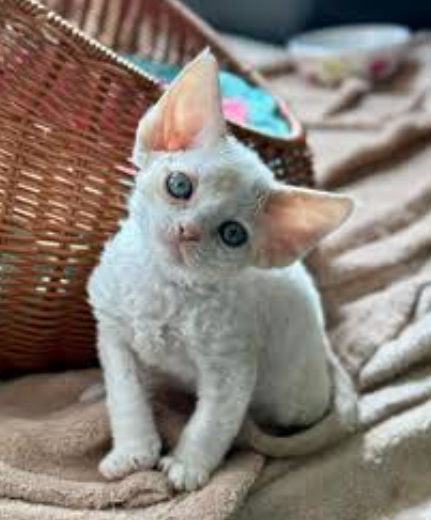
Devon Rex Kittens: Top Breeders, Adoption and Rescue. Wellness and Health Care. The Devon Rex is a captivating feline breed, celebrated for its distinctive appearance and affectionate nature. With their large ears, wavy coats, and impish expressions, these cats have garnered a dedicated following among cat enthusiasts. Our guide below delves into various aspects of the Devon Rex, including reputable breeders in the United States, adoption and rescue costs, transportation options, nutritional needs, veterinary care, grooming requirements, breed history, fun facts, and reasons they make excellent family pets.
Reputable Devon Rex Breeders in the United States
Finding a trustworthy breeder is paramount when considering adding a Devon Rex kitten to your family. Reputable breeders prioritize the health, temperament, and well-being of their cats. While specific breeder recommendations are beyond the scope of this article, potential adopters are encouraged to conduct thorough research, seek referrals from established cat associations, and verify breeders’ credentials. Visiting catteries in person, when possible, allows prospective owners to assess the living conditions and health of the kittens.
NadaCatz – Florida, USA
Located on Florida’s Nature Coast, NadaCatz has been breeding Devon Rex cats since 2007. Committed to health and socialization, they perform genetic testing and raise well-adjusted kittens ready to join loving homes.
Fernweh Devon Rex – Charlotte, NC, USA
Fernweh Devon Rex, based near Charlotte, North Carolina, prioritizes feline health and well-being. With regular health screenings and a nurturing family environment, their kittens grow up accustomed to household life and interactions.
Tymesko’s Devon Rexes – Southern New Hampshire, USA
Tymesko’s Devon Rexes, located in Southern New Hampshire, treats their cats as cherished family members. Their kittens are never caged and are raised in a home setting, ensuring they are well-socialized and adaptable.
Adoption and Rescue Costs
Adopting a Devon Rex can be a rewarding alternative to purchasing from a breeder. Adoption fees typically range from $300 to $600, which often include spaying or neutering, initial vaccinations, and microchipping. In contrast, purchasing a Devon Rex from a breeder can cost between $1,800 and $5,000, reflecting the breed’s rarity and the breeder’s investment in health screenings and care. It’s essential to clarify with the adoption agency or breeder what services and health guarantees are included in the fee to make an informed decision.
Dr. Carol Margolis , DVM, a medical genetics resident, has discussed the unique coat and associated care of Devon Rex Cats, noting that Rex cats’ fur grows from an abnormal hair follicle, which can lead to breakage. She explains that Rex cats might be “extra greasy and waxy and might also be more prone to yeast infections,” and may need more husbandry care like ear cleanings.
 Transportation Options
Transporting a Devon Rex kitten requires careful planning to ensure the cat’s safety and comfort. Professional pet transport services, such as Petworks, offer specialized solutions tailored to the needs of Devon Rex cats. Our services emphasize secure carriers, proper identification, and climate-controlled environments to minimize stress during transit. Alternatively, some breeders may provide delivery services within a certain radius for an additional fee. For instance, Drexcats offers car delivery within a 400-mile radius from zip code 08807 at a rate of $1.20 per mile. Regardless of the chosen method, ensuring the cat’s well-being during transportation is paramount.
Nutritional Needs
Devon Rex cats are known for their high energy levels and playful demeanor, necessitating a balanced diet rich in protein to support their active lifestyle. High-quality commercial cat foods, whether wet or dry, formulated for active breeds are suitable. It’s advisable to consult with a veterinarian to determine the appropriate feeding regimen, considering factors such as age, weight, and health status. Fresh water should always be available, and treats should be given sparingly to prevent obesity. Consult online with a cat nutritionist to get the best diet advice.
What Do Devon Rex Kittens Eat?
Devon Rex kittens require a high-quality, nutrient-rich diet to support their rapid growth and high energy levels. At a minimum, their diet should be:
Kitten-Specific Food:
Choose wet or dry food formulated specifically for kittens, as it contains higher protein, fat, and essential nutrients than adult cat food.
Look for foods with real meat as the first ingredient.
Balanced Nutrition:
Protein: Vital for muscle growth and development.
Fat: Provides energy and supports healthy skin and coat.
Vitamins & Minerals: Especially calcium and phosphorus for bone development.
Frequency of Feeding:
Up to 3 months old: 4 small meals per day.
3–6 months old: 3 meals per day.
6–12 months old: 2–3 meals per day.
Optional Additions:
Occasional wet food or kitten-safe treats can be given in moderation.
Fresh water should always be available, as Devon Rex kittens are active and may become dehydrated quickly.
Foods to Avoid:
-
-
Human foods such as chocolate, onions, garlic, or dairy can be toxic.
-
Low-quality fillers like corn or wheat should be minimized.
-
Tip: Devon Rex kittens have higher metabolisms than some other breeds, so feeding high-quality, protein-rich food supports their energy needs and keeps their skin and coat healthy.
Veterinary Care Necessities
Regular veterinary care is crucial to maintain the health and longevity of a Devon Rex. Routine check-ups, vaccinations, and dental care are essential components of their healthcare regimen. The breed is generally healthy but may be predisposed to certain genetic conditions, such as hereditary myopathy and hypertrophic cardiomyopathy. Early detection through regular screenings can aid in effective management. Additionally, due to their unique coat, Devon Rex cats may be more susceptible to skin conditions, making regular veterinary consultations important for early intervention.
Grooming Needs
The Devon Rex’s short, wavy coat requires minimal grooming compared to long-haired breeds. However, their skin can become oily, necessitating regular baths to maintain cleanliness and prevent skin issues. Gentle pet shampoos are recommended to avoid irritation. Routine nail trimming and ear cleaning are also essential aspects of their grooming routine. Despite their low-shedding coats, regular grooming sessions provide an opportunity to monitor for any skin abnormalities and strengthen the bond between the cat and owner.

Are you finding this article useful? Would you like 100% free access to more articles like these, and free access to over 5,000 vetted pet care service professionals throughout the United States? Sign up here for a free Petworks account, and we’ll email you a 10% discount code, good towards your first pet care services booking on Petworks!
Breed History
The Devon Rex breed originated in Devonshire, England, in the late 1950s. A curly-coated stray kitten named Kirlee was discovered, and breeders initially believed this kitten shared the same genetic mutation as the Cornish Rex. However, breeding experiments revealed a distinct gene responsible for the unique coat, leading to the establishment of the Devon Rex as a separate breed. The breed was introduced to the United States in 1968 and has since gained popularity for its unique appearance and affectionate nature.
Quote: “Devon Rex kittens, with their impish charm and elfin features, remind us that magic isn’t a grand spectacle, but the quiet, quirky spark of joy that curls up in your lap.” – Kevin Kinyon, Petworks Founder.
Fun Facts
-
Unique Appearance: Devon Rex cats are often described as “pixie-like” due to their large ears, high cheekbones, and slender bodies.
-
Playful Personality: They are known for their playful and mischievous nature, often engaging in interactive games and forming strong bonds with their human companions.
-
Low-Shedding Coat: Their short, curly coats shed less than those of many other breeds, making them a potential option for individuals with mild allergies.
-
Dog-Like Traits: Devon Rex cats are highly social and often exhibit dog-like behaviors, such as following their owners around and displaying a keen interest in human activities.
Devon Rex Kitten Diet: Frequently Asked Questions
1. What Do Devon Rex Kittens Eat?
Devon Rex kittens thrive on a high-quality, kitten-specific diet rich in protein and fat to support growth and high energy levels. Choose foods with real meat as the first ingredient, and feed them multiple times a day: 4 meals for kittens under 3 months, 3 meals from 3–6 months, and 2–3 meals from 6–12 months. Always provide fresh water, and avoid human foods or low-quality fillers. A balanced diet helps keep Devon Rex kittens’ skin, coat, and overall health in top condition.
2. Can Devon Rex Kittens Eat Wet Food or Dry Food?
Devon Rex kittens can eat both wet and dry kitten food, though wet food helps keep them hydrated and is often easier for young kittens to chew. A mix of both provides variety while ensuring balanced nutrition.
3. How Often Should I Feed My Devon Rex Kitten?
Feed Devon Rex kittens 4 times a day until 3 months old, 3 times a day from 3–6 months, and 2–3 times a day from 6–12 months. Consistent feeding supports healthy growth, high energy levels, and proper development.
4. What Foods Should I Avoid Giving My Devon Rex Kitten?
Avoid human foods like chocolate, onions, garlic, and dairy, which can be toxic. Also, stay away from low-quality cat foods containing fillers like corn or wheat, as they provide minimal nutritional value for growing kittens.
5. Should Devon Rex Kittens Take Supplements?
Most high-quality kitten foods provide all necessary nutrients. Supplements are rarely needed unless specifically recommended by a veterinarian for health or growth concerns.
Why Devon Rex Cats Make Great Family Pets
Devon Rex cats are renowned for their affectionate and sociable nature, making them excellent companions for families. Their playful disposition ensures they get along well with children and other pets. Their intelligence and curiosity make them easy to train and engage in interactive play. Moreover, their low-maintenance grooming needs and adaptability to various living environments make them suitable for both apartments and larger homes. Their desire for human interaction means they thrive in households where they receive ample attention and affection.
The Devon Rex is a unique and endearing breed that brings joy and companionship to any household. Whether through adoption or purchasing.
About Petworks
 In 2021, Dr. Marty Goldstein DVM joined the pet care platform Petworks as an advisor in its Animal Nutrition care division. Dr Marty Nature’s Blend is on a mission to help your pets live their healthiest lives possible. Dr. Marty’s pet nutrition expertise and guidance has helped Petworks evolve and become the preeminent animal and pet nutrition consultation service for pet parents in North America.
 In 2022, Blue Buffalo Founder Bill Bishop Jr. joined Petworks as Senior Advisor in our Animal Nutrition Care Division. Bill brings his extensive expertise in pet food innovation and business leadership. His guidance helps Petworks enhance our pet nutrition service offerings, helping to ensure that pet parents throughout the world receive trusted, science-backed nutritional support for their dogs, cats, and animals.
About The Author
 Petworks Co-Founder Kevin Kinyon is a life-long animal lover who works tirelessly to improve the lives of pets and their parents. Human and animal qualities he values most are integrity, humor, and empathy.

 petworks tm