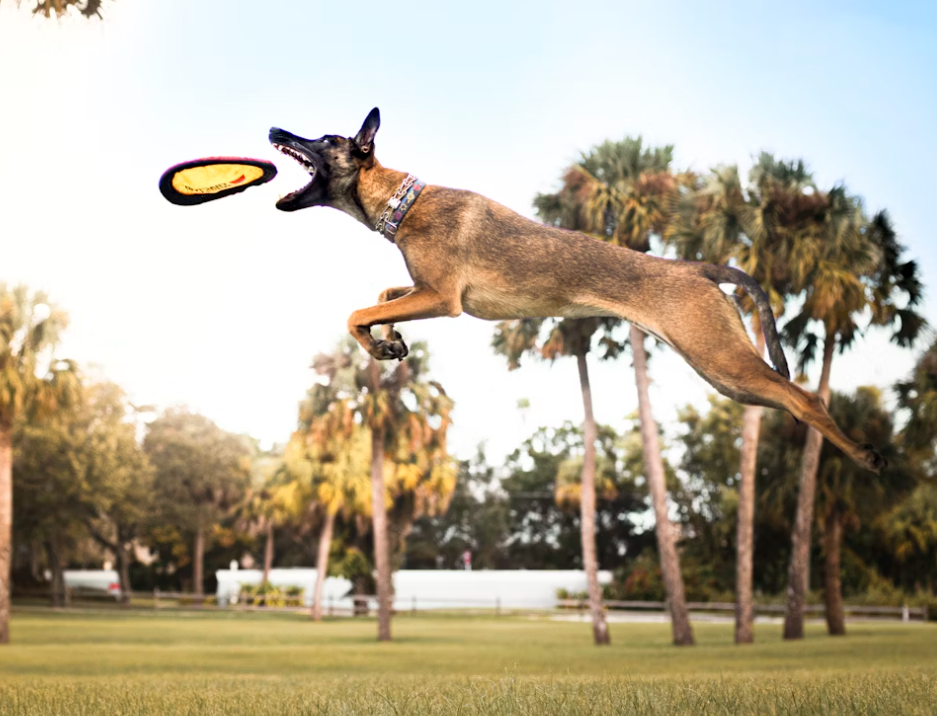
Dogs are energetic, social animals, but not all dogs need the same amount or type of activity. As a responsible pet parent, understanding your dog’s exercise needs is crucial for their health, happiness, and behavior. But how can you tell if your dog is getting enough exercise? This guide breaks it down by breed, age, and lifestyle.
Why Exercise Matters for Dogs
Regular physical activity is essential for dogs’ physical and mental health. Exercise helps:
-
Maintain a healthy weight
-
Strengthen muscles and joints
-
Prevent behavioral problems like chewing, digging, or excessive barking
-
Stimulate the mind and reduce anxiety
-
Promote better sleep
Without adequate exercise, even the happiest dog can develop health or behavior issues.
How Much Exercise Do Dogs Need?
The amount of exercise your dog needs depends on their age, breed, and energy level. Here’s a breakdown:
1. Puppies (0–12 months)
Puppies have bursts of energy but tire quickly. Short play sessions throughout the day, totaling 30–60 minutes depending on breed size, are ideal. Avoid overexercising puppies, especially large breeds, as it can harm growing joints.
2. Adult Dogs (1–7 years)
Most adult dogs need 30–120 minutes of exercise per day, depending on breed and energy level. High-energy breeds like Border Collies, Australian Shepherds, and Huskies may require more — sometimes 2 hours or more — while lower-energy breeds like Bulldogs or Basset Hounds may be satisfied with a brisk walk and some playtime.
3. Senior Dogs (7+ years)
Older dogs still need exercise, but sessions should be gentler. Short walks, gentle play, and swimming are great options to maintain muscle mass and joint health without causing stress or injury.
Dog Activity Level Chart
| Breed Type | Energy Level | Recommended Exercise | Mental Stimulation Ideas |
|---|---|---|---|
| High-Energy (Border Collie, Husky, Australian Shepherd) | Very High | 1–2+ hours/day; walks, runs, fetch, agility | Puzzle toys, obedience training, scent games |
| Medium-Energy (Beagle, Labrador Retriever, Boxer) | Moderate-High | 60–90 min/day; walks, play sessions, training | Hide-and-seek, treat puzzles |
| Low-Energy (Bulldog, Basset Hound, Shih Tzu) | Low | 30–45 min/day; gentle walks, short play sessions | Gentle tug-of-war, slow-paced interactive toys |
| Toy Breeds (Chihuahua, Maltese) | Low-Moderate | 20–40 min/day; indoor play, short walks | Indoor fetch, small puzzle feeders |
Tip: Observe your dog — if they’re restless or bored, increase exercise or mental stimulation, regardless of breed category. Hire a certified dog trainer if you want to take some work off of your plate!
Types of Exercise for Dogs
Not all exercise needs to be a long walk. Mixing activities keeps dogs physically and mentally stimulated.
1. Walking & Running
The classic daily walk is essential. For high-energy dogs, consider jogs, long hikes, or off-leash runs in safe areas.
2. Playtime
Fetch, tug-of-war, and hide-and-seek games help burn energy and strengthen your bond. Puzzle toys can also provide mental exercise.
3. Agility & Training
Obstacle courses, agility equipment, and obedience training challenge both mind and body. Mental exercise can be as tiring as physical activity for active breeds.
4. Swimming
Swimming is low-impact and perfect for dogs with joint issues or arthritis. It provides a full-body workout and is great for high-energy breeds.
5. Socialization
Dog parks or playdates with other dogs offer both physical and social stimulation. However, ensure dogs are friendly and vaccinated before interactions.

Are you finding this article useful? Would you like 100% free access to more articles like these, and free access to over 5,000 vetted pet care service professionals throughout the United States? Sign up here for a free Petworks account, and we’ll email you a 10% discount code, good towards your first pet care services booking on Petworks!
Signs Your Dog Isn’t Getting Enough Exercise
Even if your dog seems “happy,” lack of exercise can cause problems. Watch for these signs:
-
Restlessness or hyperactivity
-
Destructive behavior (chewing furniture, digging, knocking things over)
-
Excessive barking
-
Weight gain
-
Anxiety or depression
Addressing these early can prevent long-term behavior or health issues.
Exercise Safety Tips
-
Watch the Weather: Avoid intense exercise in extreme heat to prevent heatstroke. In cold weather, consider a dog sweater or shorter walks for small breeds.
-
Use Proper Gear: Leashes, harnesses, and paw protection keep your dog safe.
-
Warm-Up & Cool-Down: Especially for high-energy or older dogs, gentle warm-up walks and stretching reduce injury risk.
-
Hydration: Bring water for long walks or active play, particularly for active breeds.
-
Vet Check: Before starting a new exercise routine, especially for senior dogs or dogs with health concerns, consult your veterinarian.
Mental Exercise Counts Too
Physical activity isn’t the only type of exercise dogs need. Mental stimulation is crucial:
-
Puzzle toys that hide treats
-
Training sessions teaching new tricks
-
Scent games, like hiding treats for your dog to sniff out
-
Interactive toys for solo play
 “Dogs need both mental and physical stimulation for happiness and health. Mental stimulation tires dogs faster, and both are needed for a happy dog.” – Nick White, Celebrity Dog Trainer
Mental stimulation can tire a dog just as much as a 30-minute run, especially for working breeds.
“Regular exercise is essential for your pet’s wellness—and for us too! Physical activity significantly impacts your pet’s health, from running, playing fetch, and chasing toys to exploring new places and learning new tricks. Regular exercise gives your pet physical satisfaction, keeps them at a healthy weight, and helps improve their mental health and reduce stress.” – Main Street Veterinary Clinic, highlighting the comprehensive benefits of exercise for pets’ physical and mental well-being
How to Tailor Exercise for Your Dog
-
Assess Your Dog’s Breed & Age: Use the chart above as a starting point.
-
Observe Behavior: If your dog is restless or destructive, increase activity.
-
Mix Physical & Mental Activities: Combine walks with play and puzzle challenges.
-
Adjust Gradually: Introduce new activities slowly to prevent injury.
-
Keep It Consistent: Regularity is key for maintaining healthy weight, energy, and behavior.
FAQ: Dog Exercise
Q1: How do I know if my dog is getting enough exercise?
A: Observe their behavior. Calm, relaxed dogs that sleep well after activity are likely getting enough. Restless, hyperactive, or destructive dogs may need more exercise.
Q2: Can small dogs get too much exercise?
A: Yes. Small breeds or puppies can tire quickly. Short, frequent play sessions are better than long, strenuous walks.
Q3: What’s the best type of exercise for a senior dog?
A: Low-impact activities like swimming, gentle walks, and short play sessions help maintain muscle tone without stressing joints.
Q4: How often should I exercise a high-energy breed?
A: Most high-energy breeds need at least 1–2 hours of physical activity per day, plus mental stimulation through training or puzzle games.
Q5: Can mental exercise replace physical activity?
A: Mental stimulation can complement physical exercise but shouldn’t fully replace it. Dogs still need to move, stretch, and burn energy.
Bottom Line
Exercise is essential for every dog, but the type, intensity, and duration vary widely based on breed, age, and personality. Observing your dog and providing a mix of physical and mental activities will help them stay healthy, happy, and well-behaved. A well-exercised dog is a content dog, and a content dog makes life better for everyone in the family.
About Petworks
 In 2021, Dr. Marty Goldstein DVM joined the pet care platform Petworks as an advisor in its Animal Nutrition care division. Dr Marty Nature’s Blend is on a mission to help your pets live their healthiest lives possible. Dr. Marty’s pet nutrition expertise and guidance has helped Petworks evolve and become the preeminent animal and pet nutrition consultation service for pet parents in North America.
 In 2022, Blue Buffalo Founder Bill Bishop Jr. joined Petworks as Senior Advisor in our Animal Nutrition Care Division. Bill brings his extensive expertise in pet food innovation and business leadership. His guidance helps Petworks enhance our pet nutrition service offerings, helping to ensure that pet parents throughout the world receive trusted, science-backed nutritional support for their dogs, cats, and animals.
About The Author
 Petworks Co-Founder Kevin Kinyon is a life-long animal lover who works tirelessly to improve the lives of pets and their parents. Human and animal qualities he values most are integrity, humor, and empathy.

 petworks tm