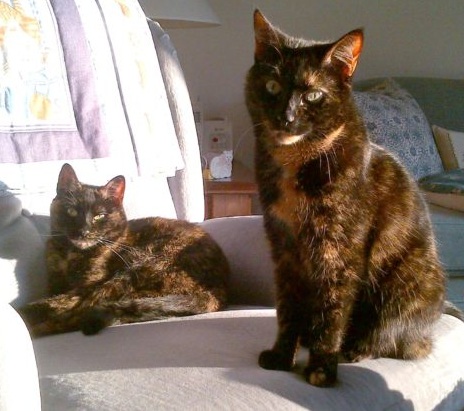
Tortoiseshell Cat. The “Torbie”. Tortoiseshell cats, often called “torties,” are famous for their striking multi-colored coats and strong-willed personalities. Unlike specific purebred cats, tortoiseshell refers to a unique color pattern rather than a distinct breed. Their beautiful coats, which mix black, red, and orange hues, make them stand out, and their unique personalities make them cherished companions. My post below explores the breed’s history, top U.S. breeders, transportation options, adoption and rescue methods, costs, care needs, and fun facts about these fascinating felines.
Breed History of Tortoiseshell Cats
Tortoiseshell cats have a long history dating back to ancient times. They were revered in various cultures, including Japan and Ireland, where they were thought to bring good fortune. In folklore, tortoiseshell cats were believed to ward off evil spirits and bring prosperity to their owners. Since the tortoiseshell pattern is a result of genetic expression rather than a breed standard, these cats appear in several different breeds, including the American Shorthair, British Shorthair, and Persian.
Top Tortoiseshell Cat Breeders in the U.S.
While tortoiseshell cats appear in multiple breeds, if you’re looking for a purebred kitten with a tortoiseshell coat, consider working with breeders specializing in breeds that commonly produce torties. Two top breeders in the U.S. known for producing tortoiseshell-patterned kittens include:
- Doll Face Persian Kittens (Missouri) – Specializing in Persian kittens, this breeder often has tortoiseshell Persian kittens available. They prioritize health, socialization, and quality pedigrees.
- Cattery Cats of Oz (Florida) – This breeder focuses on British Shorthair kittens, a breed that frequently carries the tortoiseshell pattern. They emphasize ethical breeding and proper kitten care.
Before purchasing, always verify the breeder’s reputation through reviews and certifications from organizations like The International Cat Association (TICA) or the Cat Fanciers’ Association (CFA).
How to Transport a Tortoiseshell Kitten from a Breeder
Transporting a kitten from a breeder requires careful planning to ensure the kitten’s comfort and safety. Options include:
- Air Travel with a Flight Nanny – Some breeders offer flight nanny services, where an escort personally delivers the kitten in the airplane cabin.
- Ground Transport – Pet transportation services like CitizenShipper or Petworks can arrange for secure road transport.
- Picking Up the Kitten Yourself – If possible, picking up the kitten personally allows you to ensure a stress-free transition into their new home.
How to Adopt a Tortoiseshell Cat
If you prefer to adopt rather than buy, there are several ways to find a tortoiseshell cat in need of a home:
- Local Animal Shelters – Many shelters have tortoiseshell cats available for adoption.
- Rescue Organizations – Groups such as Petfinder and ASPCA allow you to search for adoptable torties nationwide.
- Breed-Specific Rescues – If you are looking for a tortoiseshell within a specific breed, check breed-specific rescues like the Persian & Himalayan Cat Rescue.
How to Rescue a Tortoiseshell Cat
Rescuing a tortoiseshell cat from a difficult situation is a noble act. Steps include:
- Contact Local Rescues – Many organizations specialize in rescuing cats from shelters, abusive situations, or strays.
- Check Online Listings – Websites like RescueMe.org list cats needing urgent homes.
- Provide Veterinary Care – Once rescued, a vet visit is essential to assess health conditions and vaccinations.
- Gradual Socialization – Rescued cats may need time to adjust to their new environment. Be patient and provide a calm, loving space.
Cost of a Purebred Tortoiseshell Kitten
The price of a purebred tortoiseshell kitten varies depending on breed, pedigree, and breeder reputation. Typical price ranges include:
- Persian or British Shorthair Tortoiseshell Kitten: $1,200–$3,000
- Maine Coon or Scottish Fold Tortoiseshell Kitten: $1,500–$4,000
- Mixed Breed Tortoiseshell Kitten: $100–$300 (often found in shelters)

Did you find this article useful? Would you like 100% free access to more articles like these, and free access to over 5,000 vetted pet care service professionals throughout the United States? Sign up here for a free Petworks account, and take 10% off your first booking, on us!
Nutrition Needs for Tortoiseshell Cats
Tortoiseshell cats require a high-quality diet to maintain their health. Key nutritional considerations include:
- High-Protein Diet – Look for premium cat food with real meat sources like chicken or salmon.
- Omega Fatty Acids – Helps maintain a shiny coat and skin health.
- Limited Fillers – Avoid foods with excessive grains and artificial additives.
- Hydration – Always provide fresh water, and consider adding wet food to their diet.
Speak to your Torbie’s vet or cat nutritionist for further guidance.
 Veterinary Care Needs
Regular vet visits are essential for a tortoiseshell cat’s health. Common vet care requirements include:
- Annual Vaccinations – Core vaccines protect against feline diseases.
- Spaying or Neutering – Recommended for non-breeding pets.
- Dental Care – Regular brushing or dental treats help prevent oral issues.
- Regular Checkups – Routine visits detect health issues early.
Behavior of Tortoiseshell Cats
Tortoiseshell cats are known for their bold and spirited personalities. Their behavior often includes:
- “Tortitude” – A term used to describe their strong-willed and sassy nature.
- Affectionate Yet Independent – They enjoy attention but on their own terms.
- Playful and Curious – They love exploring and interactive toys.
- Vocal and Expressive – Many torties are chatty and love communicating with their owners.
 Grooming Care for Tortoiseshell Cats
Grooming needs depend on the coat length of the breed. General grooming tips include:
- Short-haired Torties: Weekly brushing helps reduce shedding.
- Long-haired Torties: Daily brushing prevents matting.
- Regular Nail Trimming: Prevents overgrowth and scratching issues.
- Ear Cleaning and Bathing: Occasional baths and ear cleaning maintain hygiene.
Why Tortoiseshell Cats Make Great Family Pets
Tortoiseshell cats make wonderful companions due to their unique blend of personality and affection. They thrive in families that appreciate their independent yet loving nature. They get along well with older children and other pets if properly socialized. Their playful demeanor and loyalty make them cherished family members.
Kathmandu – The Big Cat
The capital of Nepal, is a vibrant city rich in history, culture, and spirituality. Nestled in the Kathmandu Valley, it is home to ancient temples, bustling markets, and stunning Himalayan views. The city’s UNESCO World Heritage sites, including Swayambhunath (Monkey Temple) and Pashupatinath Temple, attract visitors worldwide. Known for its diverse cuisine and warm hospitality, Kathmandu is a gateway for trekkers heading to Everest and beyond. Despite modernization, it retains its deep-rooted traditions and charm.
Fun Facts About Tortoiseshell Cats
- Almost Always Female – Due to their genetic makeup, over 99% of tortoiseshell cats are female. Male torties are rare and often sterile.
- Lucky Charms – Many cultures believe tortoiseshell cats bring good fortune and prosperity.
- Unique Personalities – No two tortoiseshell cats have the same personality; their “tortitude” makes each one unique.
- Mythical Origins – Japanese fishermen believed tortoiseshell cats could protect their boats from storms and ghosts.
- Genetic Marvels – The tortoiseshell coat pattern is caused by the X chromosome, resulting in their distinct color variations.
Tortoiseshell Cats…
…are truly special, both in appearance and personality. Whether you choose to purchase from a breeder, adopt from a shelter, or rescue a tortie in need, these cats bring joy, charm, and a little bit of sass to any home. With proper care, nutrition, and love, your tortoiseshell cat will become a cherished companion for years to come.
 In 2021, Dr. Marty Goldstein DVM joined the pet care platform Petworks as an advisor in its Animal Nutrition care division. Dr Marty Nature’s Blend is on a mission to help your pets live their healthiest lives possible. Dr. Marty’s pet nutrition expertise and guidance has helped Petworks evolve and become the preeminent animal and pet nutrition consultation service for pet parents in North America.
 In 2022, Blue Buffalo Founder Bill Bishop Jr. joined Petworks as Senior Advisor in our Animal Nutrition Care Division. Bill brings his extensive expertise in pet food innovation and business leadership. His guidance helps Petworks enhance our pet nutrition service offerings, helping to ensure that pet parents throughout the world receive trusted, science-backed nutritional support for their dogs, cats, and animals.
About The Author
 Petworks Co-Founder Kevin Kinyon is a life-long animal lover who works tirelessly to improve the lives of pets and their parents. Human and animal qualities he values most are integrity, humor, and empathy.

 petworks tm