
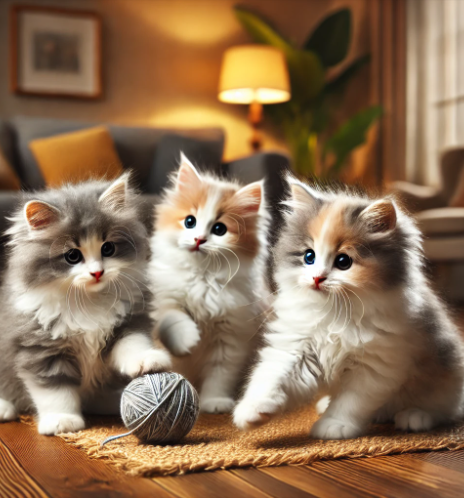
Manx Kittens: A Guide to Their Care and Happiness. Manx kittens are renowned for their tailless or short-tailed appearance, captivating personalities, and playful nature. As a breed that traces its origins to the Isle of Man, these kittens stand out not only for their unique physical traits but also for their charm and adaptability. Owning a Manx kitten is a joyful experience, but understanding their needs is essential to provide them with the best possible care.
Understanding the Manx Breed
Manx cats are a naturally occurring breed with a genetic mutation that causes their taillessness. While some Manx kittens are completely tailless (“rumpies”), others may have a small stump of a tail (“stumpies”). Their strong hind legs give them a rabbit-like hop, which is both endearing and characteristic of the breed.
Manx cats come in various coat colors and patterns, including solid, tabby, and calico. Their dense double coat can be either short or long, requiring different levels of grooming. Known for their friendly, intelligent, and playful demeanor, Manx kittens make excellent companions for families, singles, and even other pets.
A Tail of its Own: Adopting a Manx Kitten
Manx kittens, known for their unique taillessness or short, stubby tails, charm their way into hearts worldwide. But before you welcome one into your home, understand the adoption process.
Reputable breeders prioritize responsible ownership. Expect a comprehensive application, inquiring about your lifestyle, home environment, and experience with cats. Be prepared for questions about your understanding of the breed’s potential health concerns, like spina bifida.
A home visit allows breeders to assess the safety and enrichment of your space. Manx kittens are playful and energetic, so discuss your plans for providing ample stimulation and interaction.
Finally, a contract outlining responsibilities, including specialized care and potential genetic health considerations, is common. Adoption fees vary based on lineage and breeder location.
Adopting a Manx kitten is a commitment to a special feline.
Responsible breeders ensure a smooth transition for both you and your new tailless companion.
Preparing for Your Manx Kitten
Before bringing a Manx kitten home, it’s important to create a safe and welcoming environment:
Kitten-Proofing: Remove small objects that can be swallowed, secure electrical cords, and ensure toxic plants or chemicals are out of reach.
Comfortable Space: Set up a cozy area with a bed, blankets, and toys. Manx kittens appreciate soft surfaces where they can nap or play.
Litter Box: Choose a low-sided litter box for easy access. Use unscented, non-clumping litter initially to avoid any sensitivities.
Food and Water: Invest in high-quality kitten food recommended by your veterinarian. Use shallow dishes for food and water to accommodate their small size.
 Feeding Your Manx Kitten
Manx kittens require a balanced and nutritious diet to support their growth and development. Look for kitten-specific formulas rich in proteins, fats, vitamins, and minerals.
- Wet vs. Dry Food: Incorporating both wet and dry food can provide variety and hydration. Wet food is particularly beneficial for maintaining urinary health.
- Meal Frequency: Feed your Manx kitten small, frequent meals throughout the day, transitioning to two meals daily as they grow.
- Avoid Human Foods: Certain foods like chocolate, onions, garlic, and dairy can be toxic to cats. Stick to veterinarian-approved options. Proper feline nutrition is extremely important for your little Manx.
Grooming and Hygiene
Manx kittens have a dense coat that requires regular grooming to keep it clean and free of tangles.
- Brushing: Short-haired Manx kittens need weekly brushing, while long-haired ones benefit from more frequent sessions. This helps reduce shedding and prevent mats.
- Bathing: Bathing is rarely needed unless the kitten gets dirty. Use a gentle, kitten-safe shampoo when necessary.
- Dental Care: Introduce dental care early by brushing your kitten’s teeth with a cat-safe toothbrush and toothpaste.
- Nail Trimming: Trim their nails every couple of weeks to prevent overgrowth and minimize the risk of scratches.
 From an Expert: “Manx syndrome is a collection of problems. Poor formation of the bottom portion of the spine can result in difficulty walking or challenges with bladder and bowel control.” – Dr. Melissa Boldan
Exercise and Enrichment
Manx kittens are playful and energetic, requiring plenty of physical and mental stimulation:
- Toys: Rotate toys to keep them interested. Puzzle feeders, crinkle balls, and catnip toys are great options.
- Climbing Opportunities: Cat trees or shelves provide vertical space for climbing and exploring.
- Interactive Play: Spend time each day engaging in play sessions to strengthen your bond and keep them active.

Are you finding this article useful? Would you like 100% free access to more articles like these, and free access to over 5,000 vetted pet care service professionals throughout the United States? Sign up here for a free Petworks account, and we’ll email you a 10% discount code, good towards your first pet care services booking on Petworks!
Socialization and Training
Manx kittens are intelligent and highly trainable. Socialization and positive reinforcement behavioral techniques will help them develop into well-mannered cats:
- Early Interaction: Introduce your kitten to different people, sounds, and environments to build their confidence.
- Playtime: Provide interactive toys like feather wands or laser pointers to engage their active minds and bodies.
- Litter Training: Most kittens instinctively use a litter box, but gentle encouragement and cleanliness are key.
- Scratching Posts: Offer scratching posts or pads to protect your furniture and satisfy their natural instincts.
Monitoring Health
Manx kittens are generally healthy, but their genetic traits can predispose them to certain conditions, including:
Manx Syndrome: A condition that affects the spine and may cause bowel or bladder issues. Regular veterinary check-ups are essential for early detection.
Arthritis: Their unique skeletal structure may lead to joint problems as they age. Maintaining a healthy weight can minimize this risk.
Routine Care: Vaccinations, flea prevention, and regular deworming should be part of your kitten’s healthcare plan.
Building a Strong Bond
Manx kittens thrive on attention and affection. Spending quality time with your kitten helps establish trust and a lasting connection:
- Lap Time: Many Manx cats enjoy cuddling with their owners. Let them curl up on your lap for a nap or a petting session.
- Communication: Speak to your kitten in a calm and soothing tone. They may even “talk back” with chirps or meows.
- Respect Boundaries: While they are sociable, give your kitten space when they need it to avoid stress.
Transitioning to Adulthood
As your Manx kitten grows, their needs will evolve. Regular vet visits ensure they are meeting developmental milestones and transitioning smoothly into adulthood:
- Diet Adjustments: Switch to adult cat food around 12 months, ensuring it meets their specific nutritional needs.
- Health Monitoring: Be vigilant for any changes in behavior, appetite, or appearance that could indicate a health issue.
- Continued Enrichment: Keep their environment stimulating with new toys, activities, and spaces to explore.
Manx Kittens & Cats: Health and Wellness FAQ
Q: What is Manx Syndrome in Manx cats?
A: Manx Syndrome is a genetic condition linked to the tailless trait in Manx cats. It can cause spinal, hind limb, bladder, and bowel issues. Early veterinary checkups are crucial to detect problems and manage them effectively.
Q: Are all Manx kittens prone to health problems?
A: Not all Manx kittens develop health issues. Cats with partial tails or “stumpy” Manx backs often have fewer complications. Fully tailless “rumpy” kittens are at higher risk for Manx Syndrome and related conditions.
Q: How should I care for a Manx kitten with potential spinal concerns?
A: Provide soft bedding, supervise jumps, and monitor for signs of mobility or elimination problems. Immediate veterinary care is important if you notice difficulty walking, urinating, or defecating.
Q: Do Manx kittens have special dietary needs?
A: Manx kittens benefit from a balanced, high-quality kitten diet. Maintaining a healthy weight helps reduce strain on the spine and joints, supporting long-term wellness.
Q: How often should I take my Manx cat to the vet?
A: Annual veterinary exams are recommended for healthy Manx cats. Cats with Manx Syndrome or other concerns may need more frequent checkups to monitor spine, bladder, and bowel health.
Q: Can Manx cats live a long, healthy life?
A: Yes! With proper care, regular veterinary visits, and attention to potential Manx-related health issues, many Manx cats live happy, active lives well into their teens.
Manx kittens are a delightful addition to any home, offering companionship, charm, and endless entertainment. By understanding their unique traits and providing attentive care, you can ensure your Manx kitten grows into a healthy, happy, and well-adjusted cat. With the right environment, nutrition, and love, your Manx kitten will thrive and bring joy to your life for years to come.
About Petworks
 In 2021, Dr. Marty Goldstein DVM joined the pet care platform Petworks as an advisor in its Animal Nutrition care division. Dr Marty Nature’s Blend is on a mission to help your pets live their healthiest lives possible. Dr. Marty’s pet nutrition expertise and guidance has helped Petworks evolve and become the preeminent animal and pet nutrition consultation service for pet parents in North America.
 In 2022, Blue Buffalo Founder Bill Bishop Jr. joined Petworks as Senior Advisor in our Animal Nutrition Care Division. Bill brings his extensive expertise in pet food innovation and business leadership. His guidance helps Petworks enhance our pet nutrition service offerings, helping to ensure that pet parents throughout the world receive trusted, science-backed nutritional support for their dogs, cats, and animals.
About The Author
 Petworks Co-Founder Kevin Kinyon is a life-long animal lover who works tirelessly to improve the lives of pets and their parents. Human and animal qualities he values most are integrity, humor, and empathy.

 petworks tm









Thanks for your marvelous post about Manx Kittens.
Thank you for posting this article