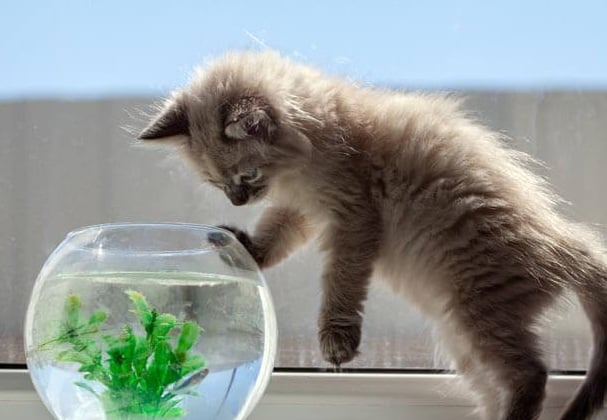
If you’ve ever watched your cat calmly push a glass, pen, or random object off a counter and then stare at you like nothing happened, you’re not alone. This behavior is one of the most common frustrations among cat owners—and it’s usually not “bad behavior” or spite. Instead, it’s rooted in instinct, curiosity, and sometimes boredom or attention-seeking. Understanding why cats knock things over is the first step to stopping it, and knowing when it crosses the line into something more serious can help you decide if it’s time to bring in a cat behavior expert.
If your cat regularly pushes items off counters, shelves, or tables, you’re not dealing with random “bad behavior”—you’re dealing with instinct, communication, and environment.
The good news: it’s normal.
The better news: it’s fixable.
And in some cases, it may be a sign it’s time to bring in a cat behavior expert.
🧠 Why Cats Knock Things Over (Real Reasons Behind the Behavior)
Cats don’t knock things over out of spite. Instead, this behavior usually comes from one or more of the following instincts:
🎯 1. Hunting and prey instinct
Cats are natural hunters. Objects that move when touched mimic prey behavior.
A pen rolling off a counter = “interesting response” in a cat’s mind.
🧩 2. Curiosity and exploration
Cats use their paws to explore objects. If something is:
- new
- lightweight
- unstable
…it becomes a “test object.”
💤 3. Boredom or lack of stimulation
Indoor cats especially may develop this behavior when they don’t have enough:
- playtime
- mental enrichment
- climbing opportunities
A bored cat will often create its own entertainment.
👀 4. Attention-seeking behavior
This is one of the most common reasons.
If your cat knocks something off and you react—even negatively—they learn:
“This gets my human’s attention fast.”
🍗 5. Food association (counter behavior specifically)
Counters often smell like food. Even small crumbs or cooking smells can trigger investigation and repeated behavior.
🐱💬 Expert Insight on Cat Behavior
“Cats knocking objects off surfaces is most often a combination of curiosity, predatory play behavior, and environmental enrichment needs—not defiance or spite.” – Mikel Delgado, PhD, Certified Cat Behavior Consultant (IAABC)
🚨 When It’s More Than “Just a Habit”
While this behavior is usually normal, it can become a concern if you notice:
- Sudden increase in cat destructive behavior
- Excessive vocalization or restlessness
- Aggression or agitation
- Other behavioral changes (litter box issues, anxiety signs)
These can point to stress, anxiety, or unmet enrichment needs.

Are you finding this article useful? Would you like 100% free access to more articles like these, and free access to over 5,000 vetted pet care service professionals throughout the United States? Sign up here for a free Petworks account, and we’ll email you a 10% discount code, good towards your first pet care services booking on Petworks!
🧑⚕️ When to Call a Cat Behavior Expert
You should consider professional help if:
✔️ The behavior is persistent despite changes
If you’ve tried enrichment, training, and deterrents with no improvement.
✔️ It’s escalating
Frequent knocking things over + other behavior changes can signal deeper issues.
✔️ Your cat seems stressed or anxious
Signs include hiding, over-grooming, or sudden aggression.
✔️ The behavior is affecting your home or relationship
If frustration is building or your cat’s behavior is impacting daily life.
🐾 How a Cat Behavior Expert Helps
A professional can identify why the behavior is happening and build a plan tailored to your cat, including:
- Environmental adjustments (home setup changes)
- Behavior modification strategies
- Enrichment routines based on personality
- Training techniques for attention-seeking behaviors
- Stress and anxiety reduction plans
🏠 Simple Fixes You Can Try First
Before calling an expert, try:
- Increasing daily interactive play (10–15 min sessions)
- Adding vertical spaces (cat trees, shelves)
- Removing “temptation objects” from counters
- Using puzzle feeders for mental stimulation
- Ignoring attention-seeking knocking behavior
💡 Key Takeaway
Cats knock things over because they are:
- instinct-driven hunters
- curious explorers
- attention learners
- or bored indoor companions
But if the behavior becomes frequent, stressful, or disruptive, a cat behavior expert can quickly identify the root cause and correct it.
📌 Need Help With Your Cat’s Behavior?
If your cat’s behavior is becoming difficult to manage, you don’t have to guess your way through it.
👉 PetWorks connects you with experienced cat behavior experts and trainers who can help diagnose the issue and build a personalized plan for your home and your cat.
 In 2021, Dr.
  In 2022,
  PetWorks
 petworks tm