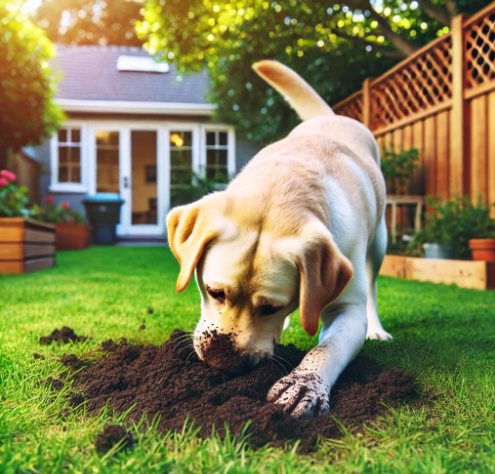
Dogs are known for their curious and sometimes puzzling behaviors, and one that often perplexes owners is dirt eating. While it might seem harmless at first glance, eating dirt can signal underlying issues that warrant attention. Understanding the reasons behind this behavior and taking proactive steps can ensure your dog remains healthy and happy. Additionally, platforms like Petworks can help you connect with professional dog trainers and animal behaviorists to address this behavior effectively through in-person or remote video sessions.
Category: Animal Behavior Help

How to get animal behavior help. Certified animal behaviorists specialize in understanding and modifying the behaviors of dogs and cats. They offer invaluable assistance to pet parents seeking positive changes. Animal behavior specialists analyze the root causes of specific pet behaviors. And they develop tailored strategies to encourage positive changes. Collaborating with pet parents, animal behaviorists provide guidance and support. This nurtures desirable behaviors, enhancing the bond between pets and their parents.
Whether addressing aggression, anxiety, or obedience, a veterinary behaviorist employs evidence-based techniques to promote harmony between pets and families. The cost of hiring an animal behaviorist for consultations can vary widely. There are factors like location, the behaviorist’s level of expertise, and the complexity of the behavioral issues being addressed. Animal behavior help can be gotten via remote consultations, which can be slightly less expensive, ranging from $75 to $150 per hour, depending on the platform used and the behaviorist’s expertise. Browse reviews from pet parents, get free quotes, and book remote video sessions or in-person consultations on Petworks today.
Do Dogs Get Bored?
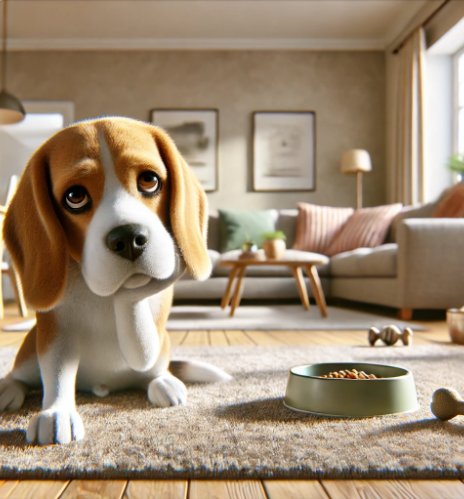
Do Dogs Get Bored? Understanding Canine Boredom. Dogs are intelligent, social creatures, and like humans, they can experience boredom. But what does boredom look like in dogs, and how can pet parents address it? Understanding the signs, causes, and solutions for canine boredom is essential for promoting a happy and healthy life for your furry companion.
The Puppy Socialization Checklist Every Owner Needs
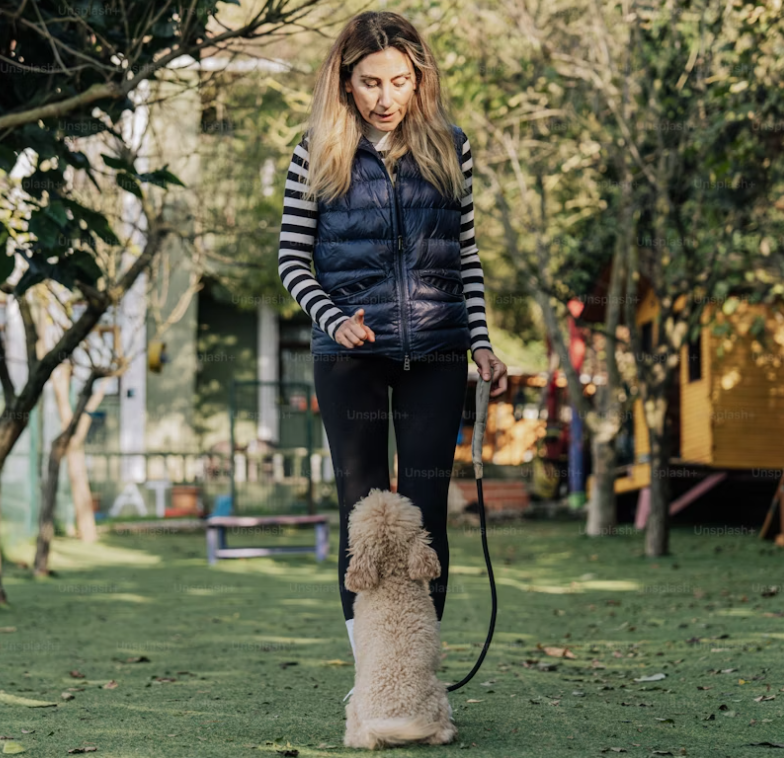
Bringing home a new puppy is exciting, joyful, and—let’s be honest—a little overwhelming. One of the most important things you can do during the first few months is puppy socialization. The way your puppy learns to interact with people, animals, environments, and everyday experiences will shape their confidence and behavior for life.
Without proper socialization, puppies are at risk of developing fear, aggression, or anxiety as adults. With it, you set them up to be friendly, adaptable, and easier to train. In this guide, we’ll walk you through the puppy socialization checklist every owner needs, explain why puppy socialization classes are worth the investment, and show you how to safely and effectively expose your pup to the world around them.
Why Puppy Socialization Matters
Puppies go through what’s called the “critical socialization window,” usually between 3 and 14 weeks of age. During this time, they are especially open to new experiences and can learn quickly what is safe and normal.
 Socialization isn’t just about meeting other dogs—it’s about helping your puppy feel comfortable in many different situations. This includes meeting people of all ages, experiencing different sounds, walking on new surfaces, and traveling in the car.
Proper puppy socialization helps prevent common animal behavioral problems like:
-
Fear-based aggression
-
Excessive barking
-
Anxiety around strangers or new environments
-
Difficulty adapting to change
By putting in the work early, you’ll have a happier, more confident dog for years to come.
The Puppy Socialization Checklist
Below is a comprehensive checklist you can follow. Remember, the goal is not to overwhelm your puppy, but to gradually and positively introduce new experiences. Keep interactions short, fun, and rewarding.
1. People of All Kinds
Expose your puppy to different types of people:
-
Adults of different ages and appearances
-
Children (always supervised)
-
People wearing hats, sunglasses, or masks
-
People using wheelchairs, walkers, or crutches
Reward your pup for calm, curious behavior when meeting new people.
2. Other Dogs and Animals
Social interactions with other pets are critical.
-
Friendly, vaccinated dogs (start with one-on-one playdates before busy dog parks)
-
Cats, if you have them at home
-
Exposure to farm animals (goats, chickens, horses) from a safe distance
This is where puppy socialization classes shine. A controlled class environment gives your pup safe, positive interactions with other dogs.
3. Everyday Noises
Loud or unusual sounds can scare an unprepared dog. Introduce noises gradually:
-
Vacuum cleaners, blenders, and hair dryers
-
Doorbells and knocking
-
Thunder or fireworks (start with recordings at low volume)
-
Car horns and traffic
Pair these sounds with treats and praise to create positive associations.
4. Handling and Grooming
Puppies need to get used to being touched for grooming and vet care. Practice gently:
-
Touching paws and clipping nails
-
Brushing fur
-
Cleaning ears
-
Lifting lips to check teeth
Make sessions short, rewarding, and calm.
5. New Environments and Surfaces
Help your puppy build confidence by walking on different surfaces:
-
Grass, gravel, sand, carpet, and hardwood floors
-
Metal grates or ramps
-
Wet ground and puddles
Also, expose them to different places:
-
Parks
-
Parking lots
-
Busy sidewalks
-
Pet-friendly stores
6. Car Rides and Travel
Introduce your puppy to safe travel early:
-
Short, fun car rides ending at positive destinations (like the park, not always the vet)
-
Riding in a secure crate or with a dog seat belt
-
Exploring pet carriers if you plan on air travel
7. Everyday Objects
Strange objects can spook a puppy if they’ve never seen them before. Introduce:
-
Umbrellas opening and closing
-
Bicycles, skateboards, and scooters
-
Lawn equipment (while off and on)
-
Balloons, bags, and boxes
“Puppies develop at a fast pace, so there is a small window of opportunity when they are from 5 to 16 weeks old to effect positive development …the more things a puppy experiences during critical socialization periods, the less bothered the puppy will be throughout life when confronted by new things.” – Pat Hastings
Puppy Socialization Classes: Why They’re Worth It
While you can do a lot of socialization at home, puppy socialization classes offer unique benefits:
-
Safe dog interactions: Puppies meet other dogs in a supervised setting with trained professionals.
-
Confidence building: Exposure to controlled challenges helps puppies adapt more quickly.
-
Training foundation: Most puppy training classes include basic obedience skills like sit, stay, and recall.
-
Guidance for owners: You’ll learn how to read your puppy’s body language and respond to their needs.
Classes also help ensure that your puppy’s socialization is done safely—avoiding unvaccinated dogs or overwhelming environments.
Tips for Successful Puppy Socialization
-
Go at your puppy’s pace: If they seem fearful, take a step back and make it easier.
-
Use positive reinforcement: Treats, praise, and play go a long way.
-
Keep sessions short: Five minutes of a new experience is often enough.
-
Expose, don’t overwhelm: A checklist is a guide, not a race.
-
Start early, but keep going: Socialization doesn’t end at 14 weeks—it’s a lifelong process.

Are you finding this article useful? Would you like 100% free access to more articles like these, and free access to over 5,000 vetted pet care service professionals throughout the United States? Sign up here for a free Petworks account, and we’ll email you a 10% discount code, good towards your first pet care services booking on Petworks!
Common Mistakes to Avoid
-
Waiting too long: Many owners delay socialization until all vaccinations are complete, missing the critical window. Talk to your vet about safe early socialization.
-
Forcing interactions: Never push your puppy toward something they fear—this can make things worse.
-
Skipping variety: Socialization means more than meeting dogs; it includes sights, sounds, people, and environments.
-
Negative experiences: One scary encounter can set back progress. Always supervise and create safe, positive experiences.
Long-Term Benefits of Puppy Socialization
Well-socialized dogs are:
-
More confident and less fearful
-
Easier to train
-
Better with children, guests, and other animals
-
Less likely to develop behavioral problems
Investing time in puppy socialization now pays off with a happier, healthier relationship with your dog for years to come.
Frequently Asked Questions About Puppy Socialization
When should I start puppy socialization?
You should begin puppy socialization as early as possible, ideally between 3 and 14 weeks of age. This is the critical socialization window when puppies are most receptive to new experiences. Even if your puppy hasn’t completed all their vaccinations, you can still safely socialize them at home or in controlled environments with healthy, vaccinated dogs.
What happens if I don’t socialize my puppy?
Puppies that miss early socialization may grow into fearful or anxious dogs. This can lead to behavior problems such as barking, aggression, or difficulty adapting to new situations. Proper puppy socialization reduces the risk of these issues and helps your dog become confident and well-adjusted.
What are puppy socialization classes?
Puppy socialization classes are group sessions led by professional trainers. They introduce your puppy to other dogs, people, sounds, and experiences in a safe, structured environment. Most classes also include basic obedience training and valuable tips for owners.
Are puppy socialization classes worth it?
Yes, puppy socialization classes are worth the investment. They provide safe dog-to-dog interactions, build confidence, and give you expert guidance. Classes also ensure your puppy has positive experiences, reducing the risk of fear or aggression later in life.
How long do puppy socialization classes last?
Most puppy socialization classes last 4–6 weeks, with one session per week. Each class typically runs for about an hour. The structured format gives your puppy plenty of exposure without overwhelming them.
Can I socialize my puppy at home?
Absolutely. While classes are helpful, you can do a lot of puppy socialization at home. Introduce your puppy to new people, sounds, objects, and gentle handling daily. Pair every new experience with praise or treats to build positive associations.
Raising a puppy is a big responsibility, but socialization is one of the most rewarding parts of the journey. By following this puppy socialization checklist and considering the benefits of puppy socialization classes, you’ll give your pup the tools they need to grow into a confident, well-adjusted adult dog.
Start small, be patient, and celebrate every milestone—your puppy will thank you with a lifetime of love and companionship.
About Petworks
 In 2021, Dr. Marty Goldstein DVM joined the pet care platform Petworks as an advisor in its Animal Nutrition care division. Dr Marty Nature’s Blend is on a mission to help your pets live their healthiest lives possible. Dr. Marty’s pet nutrition expertise and guidance has helped Petworks evolve and become the preeminent animal and pet nutrition consultation service for pet parents in North America.
 In 2022, Blue Buffalo Founder Bill Bishop Jr. joined Petworks as Senior Advisor in our Animal Nutrition Care Division. Bill brings his extensive expertise in pet food innovation and business leadership. His guidance helps Petworks enhance our pet nutrition service offerings, helping to ensure that pet parents throughout the world receive trusted, science-backed nutritional support for their dogs, cats, and animals.
About The Author
 Petworks Co-Founder Kevin Kinyon is a life-long animal lover who works tirelessly to improve the lives of pets and their parents. Human and animal qualities he values most are integrity, humor, and empathy.
Is My Dog Happy?

Is My Dog Happy? How to Tell. Dogs are often referred to as humanity’s best friend, and their happiness is essential for a strong, loving bond. While dogs cannot express their emotions verbally, their body language, behavior, and health provide clear signs of their emotional state. Learning to interpret these signals helps pet parents ensure their furry companions lead fulfilling lives.
Why Is My Dog Eating Grass?
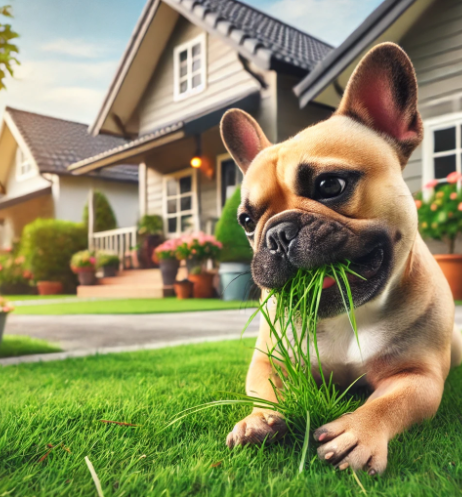
Why Do Dogs Eat Grass and How to Lessen or Stop It. Dogs are curious creatures, often surprising their owners with peculiar behaviors. One of the most common and perplexing habits is their tendency to eat grass. While this behavior is generally harmless, it can sometimes signal underlying issues. Understanding why dogs eat grass and learning how to manage or prevent it can enhance your dog’s overall well-being.

 petworks tm