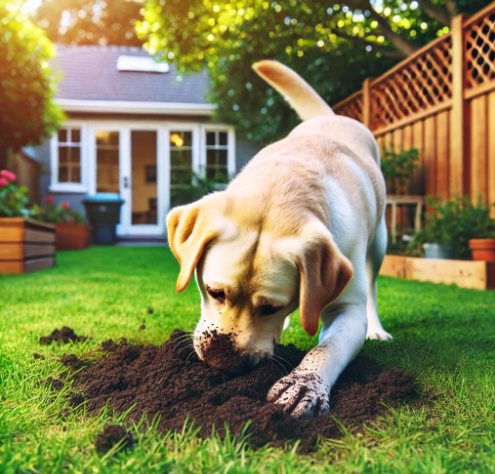
Dogs are known for their curious and sometimes puzzling behaviors, and one that often perplexes owners is dirt eating. While it might seem harmless at first glance, eating dirt can signal underlying issues that warrant attention. Understanding the reasons behind this behavior and taking proactive steps can ensure your dog remains healthy and happy. Additionally, platforms like Petworks can help you connect with professional dog trainers and animal behaviorists to address this behavior effectively through in-person or remote video sessions.
Why Do Dogs Eat Dirt?
There are several reasons why dogs might consume dirt, ranging from natural instincts to underlying health or behavioral issues. Here are some of the most common explanations:
1. Nutritional Deficiencies
Dogs may eat dirt if their diet lacks essential nutrients such as vitamins, minerals, or trace elements. This behavior, known as pica, often stems from an imbalance in their diet. For instance, dogs with low levels of iron or other key minerals might instinctively seek out soil as a source of supplementation.
2. Medical Issues
In some cases, eating dirt could signal a more serious medical condition. Dogs suffering from gastrointestinal issues, anemia, or parasites might resort to dirt eating as a way to soothe discomfort or compensate for deficiencies caused by these conditions.
3. Behavioral Factors
Behavioral issues such as boredom, anxiety, or stress can also lead to dirt eating. Dogs that are left alone for extended periods, lack mental stimulation, or experience separation anxiety may develop this habit as a coping mechanism.
4. Curiosity and Exploration
For puppies and younger dogs, eating dirt may simply be an extension of their natural curiosity. Dogs use their mouths to explore the world, and this behavior can sometimes include tasting dirt out of sheer inquisitiveness.
“Dirt eating is a form of what is termed ‘pica,’ the ingestion of nonfood materials. There are many causes, including nutritional, behavioral, and physical. Stress or boredom can also lead to eating all sorts of things, including dirt.” – Dr. Laurie S. Coger.
Risks Associated with Eating Dirt
While eating small amounts of dirt may not cause immediate harm, there are potential risks that dog owners should be aware of:
- Toxic Substances: Soil can contain harmful chemicals, pesticides, or fertilizers that can poison your dog.
- Parasites: Dirt may harbor parasites such as roundworms or hookworms, which can infect your dog upon ingestion.
- Choking Hazards: Rocks, sticks, or other debris in the dirt could pose a choking risk or cause internal injuries.
- Digestive Blockages: Consuming large amounts of dirt can lead to blockages in the digestive system, requiring medical intervention.
How to Address Dirt Eating in Dogs
Addressing this behavior requires identifying the root cause and taking appropriate action. Here are some steps you can take:
1. Evaluate Your Dog’s Diet
Ensure that your dog is receiving a balanced and nutrient-rich diet. Consult your veterinarian to rule out nutritional deficiencies and, if necessary, switch to a high-quality dog food that meets your pet’s specific needs.
2. Provide Mental and Physical Stimulation
Boredom is a common trigger for dirt eating. Engage your dog in regular play, training sessions, and walks to keep them mentally and physically stimulated. Puzzle toys and interactive games can also help channel their energy into positive activities.
3. Monitor and Limit Access to Dirt
Supervise your dog while they are outdoors and discourage dirt eating by redirecting their attention to toys or treats. Consider using barriers or fencing to restrict access to areas where dirt is prevalent.
4. Consult Professionals
If the behavior persists despite your efforts, seeking the expertise of a professional dog trainer or canine behaviorist can make a significant difference. These experts can help identify underlying behavioral triggers and develop customized training plans to address the issue.
 How Petworks Helps Dog Owners
Petworks is an invaluable resource for dog owners seeking expert guidance to manage their pet’s behavior. With access to a wide network of certified dog trainers and canine behaviorists, Petworks makes it easy to find and book the right professional for your dog’s unique needs.
In-Person Sessions
For dog owners who prefer face-to-face interaction, Petworks offers the option to book in-person training sessions. These sessions allow trainers and behaviorists to observe your dog’s behavior in their natural environment, providing tailored solutions that address the specific triggers for dirt eating and other unwanted behaviors.
Remote Video Sessions
For added convenience, Petworks also provides access to online remote video sessions. This option is ideal for busy pet parents or those living in areas without easy access to trainers or behaviorists. Through virtual consultations, experts can evaluate your dog’s behavior, offer actionable advice, and guide you through training techniques in real time.

Are you finding this article useful? Would you like 100% free access to more articles like these, and free access to over 5,000 vetted pet care service professionals throughout the United States? Sign up here for a free Petworks account, and we’ll email you a 10% discount code, good towards your first pet care services booking on Petworks!
When to See a Veterinarian — Red Flags to Watch For
If your dog’s dirt eating becomes frequent or compulsive, it’s time to act. Look out for warning signs like vomiting, diarrhea, lethargy, weight loss, or changes in appetite. These symptoms may indicate gastrointestinal distress, parasites, or more serious conditions. Bring a fresh stool sample and a detailed history of the behavior (when and where it occurs) to your veterinarian. Blood work, fecal analysis, or imaging (X-rays or ultrasound) may be recommended to rule out anemia, GI disease, or foreign body ingestion. Prompt diagnosis can save you from costly complications like intestinal blockage.
Nutritional Strategies & Supplements That May Help
A well-balanced, high-quality dog food is your first defense against dirt eating. Look for formulas with named protein sources, balanced vitamins and minerals (especially iron, zinc, and B-complex), and probiotic support. Before introducing supplements, consult your vet — for example, iron should not be given unless a deficiency is confirmed. In some cases, adding a small amount of canned pumpkin (fiber) or using digestive enzyme blends or probiotics can improve gut health and reduce the urge to nibble on soil. Always introduce any dietary change gradually over 7–10 days to avoid digestive upset.
Behavioral Training & Environmental Management
Even when nutritional issues are addressed, dirt eating can persist because of habit or boredom. Use positive reinforcement to redirect your dog’s attention: reward them for playing with chew toys, foraging games, or sniffing in a designated “dig zone.” Rotate toys to keep interest high. Consider enrichment puzzles or treat-dispensing toys that engage their minds. If your yard has bare dirt patches, replace them with grass, mulch, or pea gravel to reduce temptation. During walks or outdoor time, use a long line or leash control to intervene early. Gradual “leave it” training can help your dog learn to turn away from things like dirt or sticks on command.
Why Choose Petworks?
Petworks stands out for its commitment to connecting pet parents with trusted professionals who can make a real difference in their dog’s behavior and overall well-being. Here’s why Petworks is a go-to platform for dog owners:
- Certified Experts: Petworks partners exclusively with certified trainers and behaviorists, ensuring that your dog receives the highest standard of care.
- Flexibility: With options for both in-person and online sessions, Petworks caters to the diverse needs and schedules of pet parents.
- Comprehensive Services: Beyond training and behavior management, Petworks also offers access to other pet care services, including nutritionists, veterinarians, and groomers.
- User-Friendly Platform: Finding and booking a professional through Petworks is simple and hassle-free, allowing you to focus on your dog’s well-being.
Dirt eating in dogs can be a perplexing and sometimes concerning behavior, but with the right approach, it can be effectively addressed. Understanding the potential causes and risks is the first step toward resolving this issue. By ensuring a balanced diet, providing adequate stimulation, and seeking professional guidance when needed, you can help your dog overcome this habit.
Platforms like Petworks make it easier than ever to connect with qualified dog trainers and behaviorists who can provide the support and expertise you need. Whether through in-person sessions or convenient online consultations, Petworks ensures that help is always within reach. Take the first step today to ensure your dog’s health, happiness, and well-being.
About Petworks
 In 2021, Dr. Marty Goldstein DVM joined the pet care platform Petworks as an advisor in its Animal Nutrition care division. Dr Marty Nature’s Blend is on a mission to help your pets live their healthiest lives possible. Dr. Marty’s pet nutrition expertise and guidance has helped Petworks evolve and become the preeminent animal and pet nutrition consultation service for pet parents in North America.
 In 2022, Blue Buffalo Founder Bill Bishop Jr. joined Petworks as Senior Advisor in our Animal Nutrition Care Division. Bill brings his extensive expertise in pet food innovation and business leadership. His guidance helps Petworks enhance our pet nutrition service offerings, helping to ensure that pet parents throughout the world receive trusted, science-backed nutritional support for their dogs, cats, and animals.
About The Author
 Petworks Co-Founder Kevin Kinyon is a life-long animal lover who works tirelessly to improve the lives of pets and their parents. Human and animal qualities he values most are integrity, humor, and empathy.

 petworks tm