nearest to you
-
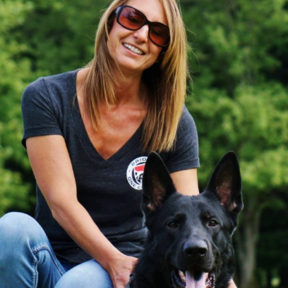
- Lori Morrell
-
Buckeye K9 - Private Dog Training Service - Obetz, OH
(7 miles from Columbus)
-
(6 reviews)
-
RAPID RESPONDER
 CERTIFIED
CPDT-KA
CERTIFIED
CPDT-KA
 RED CROSS
CERTIFIED
RED CROSS
CERTIFIED
 AKC CGC
EVALUATOR
AKC CGC
EVALUATOR
 BBB
ACCREDITED
BBB
ACCREDITED
- Obetz, OH - Professional Dog Training, Boarding & Doggie Day Care in Columbus, Ohio. We specialize in obedience & behavior training for dogs, and their people. Buckeye K9 has two...
-
- Licensed
- Certified
- Insured
- BBB Accredited
- Mobile Services
-

- Brett Suttle
-
Rude Dog Private K9 Training - Canal Winchester, OH
(14 miles from Columbus)
-
-
RED CROSS
CERTIFIED
AKC CGC
EVALUATOR
- Canal Winchester, OH - Welcome to Rude Dog K9 Training located in Canal Winchester, Ohio! Dogs truly are Man’s Best friend and a huge part of our family. The issue...
-
- Licensed
- Certified
- Insured
- Mobile Services
-

- Annette Neff
-
Pet Behavior Associates - Dog Obedience Private Training - Galena, OH
(19 miles from Columbus)
-
-
CERTIFIED
CPDT-KA
AKC CGC
EVALUATOR
- Galena, OH - Dog Behavior Training is a combined course in obedience training and behavioral management. I specifically developed the course for dogs and puppies with the needs of pet...
-
- Certified
-

- Kelly McFerron
-
The Pawsitive Approach - Certified Private Dog Trainer - Delaware, OH
(24 miles from Columbus)
-
-
CERTIFIED
CPDT-KA
- Delaware, OH - For over a decade, I've been dedicated to enhancing the lives of pets and their owners as a Certified Professional Dog Trainer (CPDT-KA), serving the areas around...
-
- Certified
-

- Tera Jurrens
-
Freedom Paws Assistance Dogs - Private Dog Training - Marysville, OH
(26 miles from Columbus)
-
- Marysville, OH - Since 2012, Tera Jurrens has been a trusted name in Central Ohio for dog training and assistance dog services. As part of a respected not-for-profit 501(c)(3) organization,...
-
-
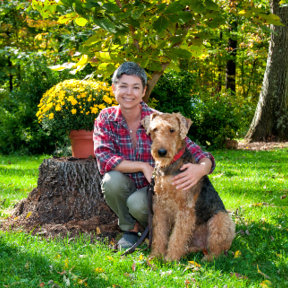
- Janice Ensign
-
Ensign K9 Training - Certified Private Dog Trainer - Utica, OH
(37 miles from Columbus)
-
- Utica, OH - As a certified Master Dog Trainer with over 30 years of experience, I have dedicated my career to providing affordable and effective training solutions for pets and...
-
- Certified
- Online Sessions
-
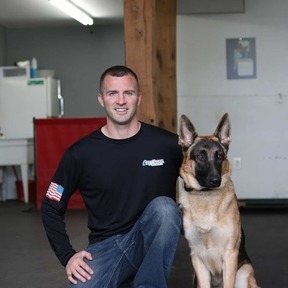
- Roger White
-
Offleashk9training - Private Dog Training Service - New Carlisle, OH
(53 miles from Columbus)
-
- New Carlisle, OH - At Offleashk9training, we are proud to serve the Dayton, Ohio area with over three years of dedicated experience in dog training and behavior consultations. Our team...
-
-
- Kristen Buinicky
-
Successful Start Dog Training - Dayton, OH
(62 miles from Columbus)
-
- Dayton, OH - Kristen Buinicky offers in-home pet training services in Dayton, OH, specializing in transformative experiences for both dogs and cats. With a strong foundation in Dog Obedience Training...
-
- Licensed
- Certified
- Bonded
- Insured
- Mobile Services
-

- Sarah Filipiak
-
Train Canine - Best Pets Private Dog Training - Athens, OH
(65 miles from Columbus)
-
-
 IAABC
CERTIFIED
IAABC
CERTIFIED
- Athens, OH - Do you have a dog that barks at other dogs, or pulls on walks? Dog behavior modification and training offered remotely via Zoom. Sarah Filipiak is a...
-
- Certified
- Insured
- Online Sessions
-
- Melissa Walther
-
Melissa's Muttz n Mongrels - Private Dog Trainer - Kettering, OH
(66 miles from Columbus)
-
(3 reviews)
-
 ABCDT
CERTIFIED
ABCDT
CERTIFIED
- Kettering, OH - Since 2019, I have been turning challenging pups into well-behaved companions, drawing from my rich background of growing up in Kettering, Ohio, surrounded by furry friends. My...
-
- Certified
- Mobile Services
-
- Haley Vickers
-
All Paws on Deck Private Dog Training - Newcomerstown, OH
(78 miles from Columbus)
-
- Newcomerstown, OH - Certified Dog Trainer! We specialize in board and trains as well as private lessons. Consultations are free! I’ve also been a puppy nanny for many breeders for...
-
- Certified
-

- William Thomas
-
15 Days With Trainer - Private Dog and Puppy Training - Cincinnati, OH
(91 miles from Columbus)
-
- Cincinnati, OH - Welcome to our premier pet training program, where we specialize in turning playful puppies into well-mannered companions. As certified and insured pet professionals with a business license,...
-
- Licensed
- Certified
- Insured
- Background Checked
- Online Sessions
- Mobile Services
-
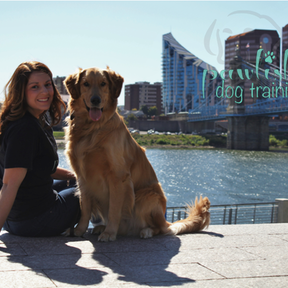
- Tori Roser
-
Pawlished In Home Dog Training - Norwood, OH
(96 miles from Columbus)
-
-
RED CROSS
CERTIFIED
BBB
ACCREDITED
- Norwood, OH - Welcome to my pet training services! As a Certified Professional Trainer (CPT) with extensive experience since 2018, I specialize in dog obedience training, pet behavior modification, and...
-
- Licensed
- Certified
- Insured
- BBB Accredited
-

- Gloria Gonzalez
-
Certified Dog Trainer, Dog Groomer and Pet Sitting - Canton, OH
(100 miles from Columbus)
-
- Canton, OH - As a certified dog trainer through the renowned Animal Behavior College, I have dedicated my life to nurturing and enhancing the bond between pets and their parents...
-
-
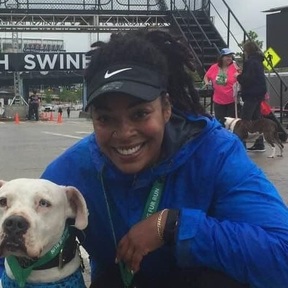
- Darah Williams
-
Underdog K9 Academy - Private Dog Trainers - Cincinnati, OH
(100 miles from Columbus)
-
-
BBB
ACCREDITED
- Cincinnati, OH - As an IACP Certified Dog Trainer with a passion for working with all types of dogs, I have dedicated myself to helping pet parents like you navigate...
-
- Licensed
- Certified
- BBB Accredited
- Online Sessions
- Mobile Services
featured cities
- Puppy Trainer Albuquerque
- Puppy Trainer Atlanta
- Puppy Trainer Austin
- Puppy Trainer Baltimore
- Puppy Trainer Boston
- Puppy Trainer Calgary
- Puppy Trainer Charlotte
- Puppy Trainer Chicago
- Puppy Trainer Cleveland
- Puppy Trainer Colorado Springs
- Puppy Trainer Columbus
- Puppy Trainer Dallas
- Puppy Trainer Denver
- Puppy Trainer Detroit
- Puppy Trainer Edmonton
- Puppy Trainer El Paso
- Puppy Trainer Fort Worth
- Puppy Trainer Fresno
- Puppy Trainer Houston
- Puppy Trainer Indianapolis
- Puppy Trainer Jacksonville
- Puppy Trainer Kansas City
- Puppy Trainer Las Vegas
- Puppy Trainer Los Angeles
- Puppy Trainer Louisville
- Puppy Trainer Memphis
- Puppy Trainer Mesa
- Puppy Trainer Miami
- Puppy Trainer Milwaukee
- Puppy Trainer Minneapolis
- Puppy Trainer Montreal
- Puppy Trainer Nashville
- Puppy Trainer New Orleans
- Puppy Trainer New York City
- Puppy Trainer Oklahoma City
- Puppy Trainer Omaha
- Puppy Trainer Ottawa
- Puppy Trainer Philadelphia
- Puppy Trainer Phoenix
- Puppy Trainer Portland
- Puppy Trainer Raleigh
- Puppy Trainer Sacramento
related articles
more info
🦔 Puppy Trainers: Everything You Need to Know
Bringing home a new puppy is an exciting experience, but it also comes with new responsibilities. Puppies learn quickly during their early developmental stages, and the guidance they receive during this time can influence their confidence, habits, and relationship with their family for years to come.
PetWorks is a nationwide pet care services marketplace that helps pet parents connect with experienced puppy trainers across the United States. Instead of searching multiple websites, pet parents can compare trainer profiles, read verified reviews, message professionals directly, and securely book puppy training online.
Whether you are welcoming your first puppy, adjusting to life with a new companion, or looking for help with specific puppy challenges, finding the right trainer can make the process easier and more enjoyable.
What Is a Puppy Trainer?
A puppy trainer specializes in helping young dogs develop the foundational skills they need to become confident, well-mannered companions. Puppy training focuses on teaching healthy habits, improving communication between puppies and their families, and introducing important life skills during a critical stage of development.
Unlike training focused on advanced obedience or specialized skills, puppy training is centered around early learning. Trainers help puppies understand household routines, build confidence in new situations, and learn appropriate behaviors through consistent guidance and positive reinforcement.
Common areas puppy trainers help with include:
Potty training and establishing bathroom routines
Crate training and creating positive associations with a crate
Puppy socialization with people, animals, and new environments
Bite inhibition and appropriate play behaviors
Leash introduction and walking skills
Basic commands such as sit, down, stay, come, and leave it
Greeting visitors politely
Preparing for grooming and veterinary visits
Every puppy learns differently, which is why many pet parents choose to work with a professional who can provide personalized guidance based on their puppy's age, personality, breed, and household environment.
Why Early Puppy Training Matters
The first months of a puppy's life are an important period for learning and development. Puppies are naturally curious and constantly absorbing information from the world around them. Positive experiences during this stage can help puppies become more confident and comfortable in different environments.
Early training is not about creating a perfectly obedient puppy overnight. Instead, it is about establishing communication, building trust, and helping puppies understand expectations in their new home.
A puppy who learns appropriate behaviors early may have an easier transition into everyday situations such as meeting new people, visiting the veterinarian, walking through neighborhoods, and adapting to household routines.
Professional puppy trainers also help pet parents understand their puppy's behavior and provide practical strategies that can prevent common frustrations before they become long-term habits.
What Do Puppy Trainers Teach?
Puppy training typically focuses on the everyday skills that help puppies successfully navigate life with their families. While each trainer may have their own approach, most puppy training programs emphasize communication, consistency, confidence building, and positive reinforcement.
Potty Training
Potty training is one of the most common reasons pet parents seek professional puppy training. A puppy trainer can help create a consistent routine, identify signs that a puppy needs to go outside, and develop strategies for reducing accidents while encouraging successful habits.
Crate Training
When introduced properly, crate training can provide puppies with a safe and comfortable space. Trainers can help pet parents create positive crate experiences while establishing routines for rest, relaxation, and independence.
Puppy Socialization
Socialization helps puppies learn how to confidently experience the world around them. This can include exposure to new people, sounds, environments, surfaces, and other appropriate experiences in a safe and positive way.
Puppy Biting and Chewing
Puppy biting is a normal part of development, but puppies need guidance on appropriate play and chewing behaviors. Trainers can teach pet parents how to redirect unwanted behaviors and encourage better habits.
Leash Training
Learning to walk comfortably on a leash is an important life skill. Puppy trainers can help introduce collars, harnesses, and leashes while teaching puppies how to explore their environment calmly.
Basic Commands and Puppy Manners
Many puppy training programs introduce foundational commands and manners that make everyday life easier, including responding to their name, sitting politely, waiting, and coming when called.
When Should Puppy Training Begin?
Many puppy trainers recommend beginning training soon after a puppy joins their new family. Puppies can begin learning simple routines and positive behaviors at a very young age, and early guidance can help establish healthy patterns from the start.
The early socialization period, often considered to be during the first several months of life, is an especially important time for puppies to experience new people, environments, and situations in a positive way.
However, there is no single age when training becomes ineffective. Puppies continue learning throughout adolescence, and older puppies can still benefit greatly from professional guidance.
Private Puppy Training vs. Group Puppy Classes
The best puppy training format depends on the puppy, the family's goals, and the type of support needed.
Private puppy training provides personalized attention and allows the trainer to focus specifically on the puppy's needs. Many trainers offer in-home sessions, which can be helpful because training takes place in the environment where many everyday behaviors occur.
Group puppy classes provide opportunities for puppies to learn around other dogs and people while practicing focus and social skills in a controlled setting.
Some puppy trainers also offer virtual training sessions, allowing pet parents to receive professional guidance from home.
How to Choose the Right Puppy Trainer
Choosing the right trainer is about finding someone whose approach matches your puppy and your family's goals. Pet parents should consider the trainer's experience, training philosophy, specialties, availability, and reviews from previous customers.
On PetWorks, pet parents can compare trainer profiles, explore areas of expertise, read reviews, and communicate directly with professionals before booking.
Important factors to consider include:
Experience working with puppies
Training methods and philosophy
Availability and scheduling options
Training format, such as in-home, group, or virtual sessions
Reviews from other pet parents
The right trainer should help make training a positive experience for both the puppy and the family.
Puppy Trainer vs. Dog Trainer: What's the Difference?
Puppy trainers and dog trainers both help dogs learn, but their areas of focus are often different.
Puppy trainers specialize in the earliest stages of development. Their work typically focuses on foundational skills such as socialization, potty training, crate training, puppy manners, confidence building, and basic obedience.
Dog trainers often work with dogs of many ages and may focus on broader training goals, including advanced obedience, off-leash skills, specialized training, and continued education beyond puppy development.
If your dog is past the puppy stage and you are looking for more advanced training, PetWorks also helps pet parents connect with experienced dog trainers.
Puppy Trainer vs. Animal Behaviorist: What's the Difference?
A puppy trainer and an animal behaviorist serve different purposes.
Puppy trainers focus on teaching expected developmental skills and helping young dogs build healthy habits. They work with normal puppy behaviors such as learning routines, socialization, manners, and communication.
Animal behaviorists typically address more complex behavioral concerns that may require specialized evaluation and behavior modification plans. These concerns may include serious fear, aggression, compulsive behaviors, or significant anxiety.
Choosing the right professional depends on whether your puppy needs foundational training or specialized behavioral support.
Why Book a Puppy Trainer Through PetWorks?
Finding the right puppy trainer should be simple and convenient. PetWorks is a nationwide pet care services marketplace connecting pet parents with experienced independent puppy trainers throughout the United States.
Through PetWorks, pet parents can compare professionals, review profiles, read customer feedback, ask questions directly, and securely book training sessions online.
Whether you are looking for private puppy training, in-home sessions, virtual guidance, or other puppy training options, PetWorks helps you find professionals who fit your needs and your puppy's learning style.
Frequently Asked Questions
How much does puppy training cost?
The cost of puppy training varies depending on the trainer's experience, location, session format, and the type of training provided. Private sessions, group classes, and virtual training options may all have different pricing structures.
Are puppy trainers worth it?
Many pet parents find that professional puppy training helps them establish good habits early, avoid common mistakes, and better understand how to communicate with their puppy.
Can puppy trainers help with potty training?
Yes. Potty training is one of the most common areas puppy trainers assist with. Trainers can help create routines and provide strategies for encouraging successful habits.
Can puppy trainers help with biting?
Yes. Trainers can help pet parents understand normal puppy biting behavior and teach appropriate ways to redirect chewing and play.
How many puppy training sessions does a puppy need?
Every puppy is different. Some puppies benefit from a few sessions focused on specific challenges, while others benefit from ongoing training throughout their development.
Can older puppies still be trained?
Yes. While early training is valuable, puppies continue learning as they grow. Older puppies can still develop excellent habits with consistent guidance.
Do puppy trainers come to your home?
Many puppy trainers offer in-home sessions. This allows training to happen in the environment where puppies spend most of their time.
Are online puppy training sessions effective?
Virtual training can be a helpful option for many families, especially for teaching routines, troubleshooting challenges, and receiving professional guidance.
What should I look for in a puppy trainer?
Look for experience, training approach, reviews, availability, and a style that matches your family's goals.
How do I book a puppy trainer on PetWorks?
Browse puppy trainer profiles, compare reviews and specialties, message professionals directly, and book securely through PetWorks.
You may also consider booking these pet care services:
Puppy Trainer by state or province
United States
Alaska, Alabama, Arkansas, Arizona, California, Colorado, Connecticut, District of Columbia, Delaware, Florida, Georgia, Hawaii, Iowa, Idaho, Illinois, Indiana, Kansas, Kentucky, Louisiana, Massachusetts, Maryland, Maine, Michigan, Minnesota, Missouri, Mississippi, Montana, North Carolina, North Dakota, Nebraska, New Hampshire, New Jersey, New Mexico, Nevada, New York, Ohio, Oklahoma, Oregon, Pennsylvania, Rhode Island, South Carolina, South Dakota, Tennessee, Texas, Utah, Virginia, Vermont, Washington, Wisconsin, West Virginia, Wyoming United States
 Canada

 petworks tm