
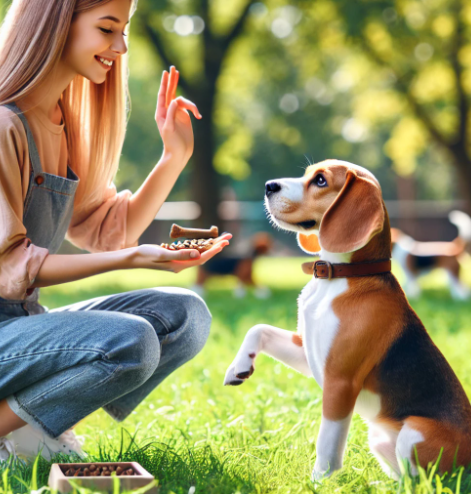
Beagle Dog Training: A 2026 Comprehensive Guide. Beagles are friendly, intelligent, and energetic dogs known for their keen sense of smell and tracking abilities. However, their independent nature and strong prey drive can make training a challenge. Proper training and socialization are essential to ensure a well-behaved and happy Beagle. This guide will cover key aspects of Beagle training, including obedience, housebreaking, socialization, and addressing common behavioral issues.
Understanding the Beagle’s Temperament
Beagles are scent hounds bred for hunting, which means they are naturally curious and driven by smells. While they are affectionate and sociable, their independent streak can sometimes make them stubborn. Effective training requires patience, consistency, and positive reinforcement techniques.
 Basic Obedience Training
Teaching your Beagle basic commands such as “sit,” “stay,” “come,” and “leave it” establishes the foundation for good behavior. Training sessions should be short, engaging, and rewarding to hold their attention.
Use Positive Reinforcement: Beagles respond best to rewards such as treats, praise, or toys. Reward good behavior immediately to reinforce learning.
Be Consistent: Use the same commands and hand signals every time. Inconsistency can confuse your Beagle and slow down training progress.
Start Early: Begin training as soon as you bring your Beagle home. Puppies are more adaptable, but adult Beagles can also learn with patience.
Use a Firm but Gentle Approach: Avoid harsh corrections. Instead, redirect unwanted behavior and reward positive actions.
Housebreaking Your Beagle
Beagles can be a bit slow to housebreak, but a structured routine helps them learn faster.
Set a Schedule: Take your Beagle outside at regular intervals, such as after meals, waking up, and before bedtime.
Choose a Designated Spot: Consistently taking your Beagle to the same potty spot helps them associate it with bathroom breaks.
Supervise and Limit Access: Keep an eye on your Beagle indoors and use a crate when you’re not available to monitor them.
Praise and Reward Success: When your Beagle eliminates outside, reward them with treats and praise to reinforce the behavior.
Handle Accidents Calmly: If an accident happens, clean it up thoroughly and avoid punishment. Instead, refocus on the training routine.
“For a Beagle, the world is a giant scratch-and-sniff map. You have to remember that they aren’t being stubborn when they ignore you on a walk; they are simply captivated by a sensory experience we can’t even begin to imagine. To train them effectively, you have to stop fighting their nose and start using it as their primary reward.” – Victoria Stilwell, Dog Behavior Expert and Author
Socialization and Behavior Beagle Dog Training
Early socialization is key to raising a well-adjusted Beagle. Exposing them to different environments, people, and other animals helps reduce fear and anxiety.
Introduce New Experiences Gradually: Take your Beagle on walks in different settings and introduce them to new sounds and sights.
Encourage Positive Interactions: Arrange playdates with friendly dogs and allow supervised interactions with people.
Prevent Excessive Barking: Beagles are vocal dogs, often barking or howling when bored or excited. Teach the “quiet” command and redirect their focus with toys or training.
Curb Destructive Behavior: Beagles love to chew. Provide chew toys to satisfy this instinct and prevent them from gnawing on furniture or shoes.
Leash Training and Recall
Since Beagles are prone to following scents, leash training and recall commands are critical.
Start with a Harness: Beagles tend to pull, so a no-pull harness can provide better control without straining their necks.
Teach Loose-Leash Walking: Reward your Beagle when they walk without pulling. Stop moving forward if they pull and resume only when they relax.
Train a Reliable Recall: Since Beagles can become fixated on scents, teaching a strong “come” command is crucial. Use high-value treats and practice in a secure area before testing off-leash.

Are you finding this article useful? Would you like 100% free access to more articles like these, and free access to over 5,000 vetted pet care service professionals throughout the United States? Sign up here for a free PetWorks account, and we’ll email you a 10% discount code, good towards your first pet care services booking on PetWorks!
Addressing Common Behavioral Issues
Beagles are intelligent but can develop stubborn or mischievous behaviors if not properly trained.
Separation Anxiety: Beagles can become anxious when left alone. Gradually increase alone time and provide engaging toys to keep them occupied.
Digging: If your Beagle loves to dig, designate a digging spot or redirect the behavior with interactive play.
Food Obsession: Beagles love food and may counter-surf or beg. Establish meal routines, avoid feeding from the table, and use puzzle feeders to slow eating.
Advanced Training and Mental Stimulation
Beagles thrive when given mental and physical challenges. Advanced dog training and activities can prevent boredom and encourage good behavior.
Scent Work: Utilize their natural scenting abilities with scent games or nose work training.
Agility Training: Beagles enjoy agility courses, which provide both exercise and mental stimulation.
Trick Training: Teaching tricks like “roll over” or “play dead” keeps training fun and engaging.
Beagle Dog Training FAQs
Based on the most common pain points Beagle owners face and the expert advice found in the Petworks guide, here are 4 essential FAQs for Beagle dog training.
1. Why does my Beagle ignore me when we are outside?
The Reason: Beagles are scent hounds with roughly 220 million scent receptors. When they catch a trail, their brain prioritize olfactory input over auditory input. They aren’t being “disobedient”; they are biologically hyper-focused.
-
The Fix: Use “High-Value” rewards (like small pieces of plain chicken or cheese) that smell stronger than the grass. Practice recall in a low-distraction environment first before moving to the backyard or park.
2. Are Beagles actually harder to housebreak than other dogs?
The Reality: Yes, they can be. Beagles are independent and easily distracted by smells outdoors, often forgetting to “go” because they are busy tracking a scent.
-
The Fix: Use a strict schedule and a “boring” potty spot. Take them to the exact same patch of grass every time on a short leash. Don’t let them sniff the whole yard until after they have finished their business.
3. How do I stop my Beagle from howling (baying) at everything?
The Reason: Baying is a natural hunting instinct used to alert owners to “prey.” They also do it when they are bored or lonely.
-
The Fix: You cannot train the “vocal” out of a Beagle entirely, but you can manage it. Ensure they get enough mental stimulation (like puzzle toys or scent games). If they are baying for attention, ignore them until they are quiet, then reward the silence immediately.
4. Can a Beagle ever be trusted off-leash?
The Reality: For the average owner, the answer is usually no. Even a well-trained Beagle can be triggered by the scent of a rabbit or deer and will bolt, completely ignoring your commands.
-
The Fix: Use a long-line leash (15–30 feet) for “simulated” off-leash freedom. This allows them to sniff and explore while ensuring they stay safe. Only off-leash in securely fenced areas.
Beagle Dog Training
Training a Beagle requires dedication, patience, and understanding of their unique temperament. Consistent positive reinforcement, early socialization, and structured routines help shape a well-behaved and happy Beagle. By channeling their energy and instincts into productive activities, you’ll strengthen your bond and ensure a fulfilling life for both you and your Beagle.
About PetWorks
 In 2021, Dr. Marty Goldstein DVM joined the pet care platform PetWorks as an advisor in its Animal Nutrition care division. Dr Marty Nature’s Blend is on a mission to help your pets live their healthiest lives possible. Dr. Marty’s pet nutrition expertise and guidance has helped PetWorks evolve and become the preeminent animal and pet nutrition consultation service for pet parents in North America.
 In 2022, Blue Buffalo Founder Bill Bishop Jr. joined PetWorks as Senior Advisor in our Animal Nutrition Care Division. Bill brings his extensive expertise in pet food innovation and business leadership. His guidance helps PetWorks enhance our pet nutrition service offerings, helping to ensure that pet parents throughout the world receive trusted, science-backed nutritional support for their dogs, cats, and animals.
About The Author
 PetWorks Co-Founder Kevin Kinyon is a life-long animal lover who works tirelessly to improve the lives of pets and their parents. Human and animal qualities he values most are integrity, humor, and empathy.

 petworks tm









Good blog post about Beagle dog training. Thank you.
You can search for any pet care service you need, and get free quotes from our pros, by going here : https://www.petworks.com/request_quote . Glad you liked our article about Beagles and how best to train them.
Beagle Dog Training article was helpful. Thanks.
awesome, glad to hear.
I’m so in love with this. You did a great job with explaining Beagle dog training
I really appreciate your help
Your articles are very helpful to me. We love Beagles and want to take care of them the best we can always!