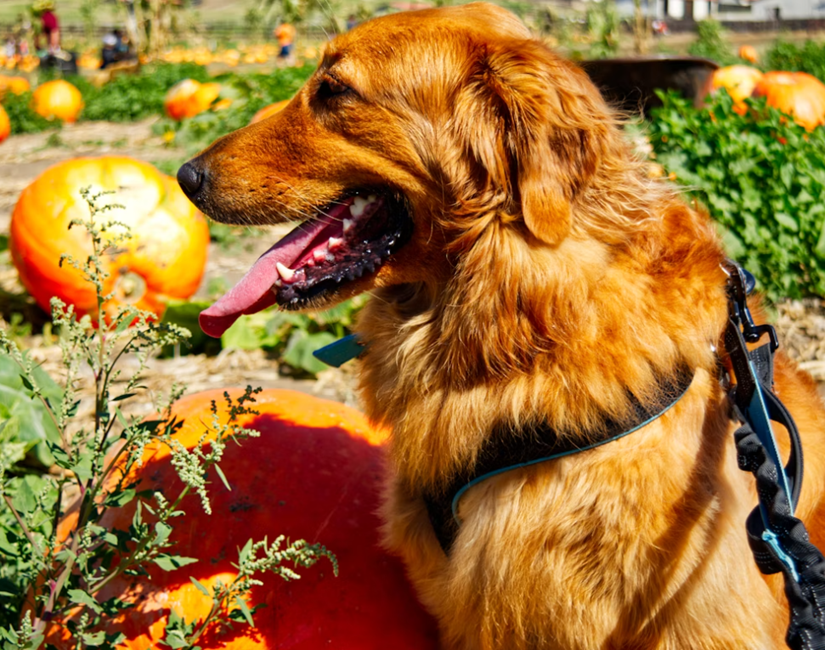
Thinking about a vegetarian diet for dogs? Dogs are omnivores, meaning they can derive nutrients from both animal and plant sources. This dietary flexibility allows for the possibility of a vegetarian or even vegan diet, provided it’s nutritionally balanced. However, transitioning your dog to a vegetarian diet requires careful planning and consultation with a veterinarian to ensure all nutritional needs are met.
🧬 Can Dogs Thrive on a Vegetarian Diet?
Yes, dogs can thrive on a vegetarian diet. Studies have shown that dogs fed plant-based diets can maintain good health, with some even exhibiting fewer health issues compared to those on traditional meat-based diets. For instance, a study published in The Guardian found that vegan dogs were less likely to suffer from common health disorders and required fewer medications.
🥦 Nutritional Considerations for Vegetarian Dogs
While dogs can adapt to a vegetarian diet, it’s crucial to ensure they receive all essential nutrients. Key nutrients to monitor include:
-
Protein: Essential for growth and muscle maintenance. Plant-based sources like soy, lentils, and chickpeas can provide adequate protein levels.
-
Vitamin B12: Typically found in animal products, B12 is vital for nerve function and red blood cell formation. Supplementation may be necessary in a vegetarian diet.
-
Omega-3 Fatty Acids: Important for skin, coat, and joint health. Sources like flaxseeds and chia seeds can be included.
-
Iron: Plant-based iron is less readily absorbed, so pairing with vitamin C-rich foods can enhance absorption.
Regular veterinary check-ups and possibly blood tests are recommended to monitor these nutrients.
🥗 Benefits of a Vegetarian Diet for Dogs
Adopting a vegetarian diet can offer several benefits:
-
Healthier Weight: Plant-based diets are often lower in calories and fat, helping maintain a healthy weight.
-
Reduced Risk of Certain Diseases: Some studies suggest that vegetarian diets may lower the risk of certain health issues, including obesity and diabetes.
-
Improved Digestive Health: High fiber content in plant-based foods can promote healthy digestion.
⚠️ Potential Risks and Challenges
While there are benefits, there are also potential risks:
-
Nutritional Deficiencies: Without careful planning, dogs may lack essential nutrients like vitamin B12, taurine, and certain amino acids.
-
Digestive Issues: Some dogs may experience digestive upset when transitioning to a plant-based diet.
-
Allergies: Common plant-based ingredients like soy or wheat can trigger allergies in some dogs.
It’s essential to consult with a veterinarian before making dietary changes.
 “Most dogs can do quite well on a carefully designed vegan diet that meets all of their nutritional needs.” – Dr. Cailin Heinze, former faculty member at Tufts University’s Cummings School of Veterinary Medicine.
🛒 Choosing the Right Vegetarian Dog Food
When selecting vegetarian dog food, consider the following:
-
Complete and Balanced: Ensure the food meets AAFCO (Association of American Feed Control Officials) standards.
-
Quality Ingredients: Look for high-quality plant-based proteins and avoid fillers.
-
Brand Reputation: Choose brands with positive reviews and transparency about sourcing and manufacturing.
Some reputable vegetarian dog food brands include:
-
Halo Holistic Vegan Dog Food: Known for its plant-based recipes and commitment to quality.
-
Freshwoof Plant Power Veg Dog Food: Vet-formulated and hypoallergenic options.
-
Open Farm Kind Earth Premium Plant Dog Kibble: Sustainable sourcing with plant-based ingredients.

Are you finding this article useful? Would you like 100% free access to more articles like these, and free access to over 5,000 vetted pet care service professionals throughout the United States? Sign up here for a free Petworks account, and we’ll email you a 10% discount code, good towards your first pet care services booking on Petworks!
🩺 Consulting Your Veterinarian
Before transitioning your dog to a vegetarian diet, consult with your veterinarian. They can provide guidance tailored to your dog’s specific health needs and monitor their progress. Regular check-ups are vital to ensure your dog remains healthy on a vegetarian diet.
“Dogs are biologically omnivorous but can thrive on a balanced plant-based diet.” – Dr. Armaiti May, DVM, vegan veterinarian.
❓ Frequently Asked Questions
Q: Is a vegetarian diet safe for all dogs?
A: While many dogs can thrive on a vegetarian diet, some may have specific health conditions or dietary needs that require a different approach. Always consult with a veterinarian.
Q: Can I make homemade vegetarian meals for my dog?
A: Homemade diets can be challenging to balance nutritionally. If considering homemade meals, work with a veterinary canine nutritionist to ensure all nutritional requirements are met.
Q: How can I transition my dog to a vegetarian diet?
A: Gradually introduce vegetarian food into your dog’s diet over 7-10 days, mixing it with their current food to allow their digestive system to adjust.
Sample Meal Plans: Vegetarian Dog Food Recipes
Transitioning your dog to a vegetarian diet can feel challenging, but with carefully planned meals, your dog can enjoy a balanced, nutritious diet without meat. Below is a 7-day vegetarian meal plan for adult dogs, along with snack and treat ideas.
Note: Always consult your veterinarian or a veterinary nutritionist before starting a new diet to ensure your dog’s specific nutritional needs are met.
Day 1
-
Breakfast: Cooked quinoa mixed with lentils, chopped carrots, peas, and a teaspoon of olive oil.
-
Dinner: Brown rice with chopped green beans, pumpkin puree, and a scoop of fortified vegetarian dog kibble.
-
Snack/Treat: Apple slices (without seeds) or carrot sticks.
Day 2
-
Breakfast: Oatmeal cooked in water, mashed sweet potato, and ground flaxseed for omega-3 fatty acids.
-
Dinner: Chickpeas with zucchini and spinach, mixed with a vegan protein supplement recommended by your vet.
-
Snack/Treat: Banana slices or small pieces of baked chickpea bites.
Day 3
-
Breakfast: Brown rice porridge with peas, broccoli, and a tablespoon of unsweetened peanut butter.
-
Dinner: Lentil stew with carrots, kale, and fortified nutritional yeast for vitamin B12.
-
Snack/Treat: Cucumber slices or small pieces of apple.
Day 4
-
Breakfast: Barley cooked with pumpkin, green beans, and a teaspoon of flaxseed oil.
-
Dinner: Quinoa and tofu scramble with peas and carrots.
-
Snack/Treat: Homemade sweet potato chews (baked in the oven).
Day 5
-
Breakfast: Millet porridge with chopped zucchini and carrots, plus a teaspoon of coconut oil.
-
Dinner: Brown rice, lentils, and spinach, topped with a sprinkle of calcium supplement recommended by your vet.
-
Snack/Treat: Small pieces of steamed broccoli or frozen banana cubes.
Day 6
-
Breakfast: Oatmeal with mashed pumpkin and a teaspoon of chia seeds.
-
Dinner: Chickpea and vegetable casserole with peas, carrots, and fortified plant-based kibble.
-
Snack/Treat: Apple slices or small baked carrot muffins.
Day 7
-
Breakfast: Quinoa mixed with lentils, kale, and a teaspoon of olive oil.
-
Dinner: Brown rice with sweet potato, green beans, and a tablespoon of nutritional yeast.
-
Snack/Treat: Cucumber sticks or small pieces of baked pumpkin.
Snack & Treat Ideas (Vegetarian-Friendly)
-
Carrot sticks
-
Apple slices (no seeds)
-
Banana slices
-
Steamed broccoli or zucchini pieces
-
Frozen pumpkin cubes
-
Homemade chickpea bites or carrot muffins
-
Unsweetened peanut butter on small pieces of whole grain toast
Tips for Using Vegetarian Dog Food Recipes
-
Rotate ingredients to ensure variety and full nutrition.
-
Include a vitamin/mineral supplement if recommended by your vet.
-
Measure portions carefully based on your dog’s weight and activity level.
-
Introduce new foods gradually to avoid digestive upset.
These vegetarian dog food recipes provide a balanced mix of protein, fiber, vitamins, and minerals, keeping your dog healthy and satisfied on a plant-based diet.
A vegetarian diet for dogs can be a safe and healthy option when carefully planned and monitored. By choosing high-quality, nutritionally complete plant-based foods and consulting with a veterinarian, dog owners can ensure their pets receive all essential nutrients while potentially enjoying benefits like healthier weight and improved digestion. While not every dog may thrive on a vegetarian diet, with the right approach and regular check-ups, many dogs can live happy, active lives without meat in their meals. Making informed choices and paying attention to your dog’s health is key to a successful transition.
About Petworks
 In 2021, Dr. Marty Goldstein DVM joined the pet care platform Petworks as an advisor in its Animal Nutrition care division. Dr Marty Nature’s Blend is on a mission to help your pets live their healthiest lives possible. Dr. Marty’s pet nutrition expertise and guidance has helped Petworks evolve and become the preeminent animal and pet nutrition consultation service for pet parents in North America.
 In 2022, Blue Buffalo Founder Bill Bishop Jr. joined Petworks as Senior Advisor in our Animal Nutrition Care Division. Bill brings his extensive expertise in pet food innovation and business leadership. His guidance helps Petworks enhance our pet nutrition service offerings, helping to ensure that pet parents throughout the world receive trusted, science-backed nutritional support for their dogs, cats, and animals.
About The Author
 Petworks Co-Founder Kevin Kinyon is a life-long animal lover who works tirelessly to improve the lives of pets and their parents. Human and animal qualities he values most are integrity, humor, and empathy.

 petworks tm