
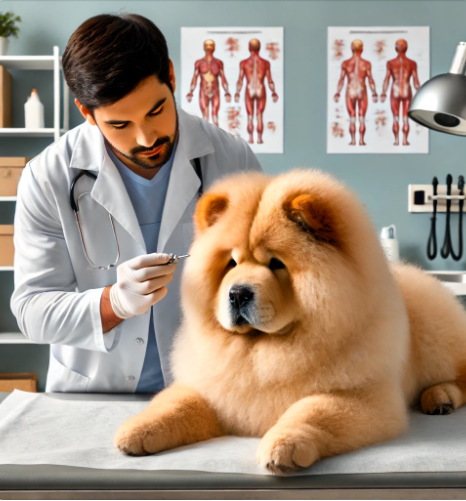
When Should Your Dog See a Dog Dermatologist? Caring for your dog’s skin and coat is an often overlooked part of overall pet wellness. Just like humans, dogs can experience a range of dermatological issues that require specialized care. A dog dermatologist, also known as a veterinary dermatologist, is a professional trained to diagnose and treat skin, ear, and coat-related conditions in animals. Knowing when to consult a dog dermatologist can make a significant difference in your dog’s comfort and health.
Common Signs Your Dog May Need a Dermatologist
Persistent Itching and Scratching If your dog is constantly scratching, biting, or licking their skin, it could indicate an underlying issue like allergies, parasites, or an infection. While occasional itching is normal, frequent or intense scratching may damage the skin, leading to secondary infections that need professional care.
Hair Loss Unexplained hair loss or bald spots are common indicators of dermatological issues. These could stem from mange, fungal infections like ringworm, hormonal imbalances, or stress-related behaviors. A dog dermatologist can determine the root cause and suggest effective treatments.
Skin Redness or Irritation Red, inflamed skin often signals irritation from allergies, environmental factors, or autoimmune diseases. If the redness doesn’t resolve with basic care or worsens, a dermatologist can perform allergy testing or biopsies to diagnose the problem.
Recurrent Ear Infections Dogs with frequent ear infections may have underlying skin or allergy issues. Symptoms such as head shaking, odor, discharge, or redness in the ear canal should be evaluated by a dermatologist to prevent chronic conditions and hearing loss.
Unusual Lumps or Bumps Any new growths, lumps, or skin masses should be evaluated by a veterinarian. If the primary vet recommends further investigation, a dermatologist can perform skin scrapings, biopsies, or advanced imaging to determine whether the growth is benign or requires intervention.
Crusty or Scaly Skin Conditions like seborrhea (excessively oily or flaky skin) or parasitic infections like mites can cause flaky patches. While topical shampoos might provide temporary relief, a specialist can identify and address the underlying cause.
Common Conditions Treated by Dog Dermatologists
Allergies Dogs can develop allergies to food, environmental factors (like pollen or mold), or even flea saliva. A dog dermatologist can perform allergy tests and recommend desensitization therapies, dietary changes, or medications to manage symptoms.
Parasites Fleas, ticks, and mites are common culprits behind skin irritation. In some cases, dogs can develop a hypersensitivity reaction to flea bites, which requires specialized treatment.
Autoimmune Disorders Diseases like pemphigus or lupus can affect a dog’s skin and mucous membranes. These conditions are often complex and require the expertise of a dermatologist for diagnosis and long-term management.
Chronic Infections Bacterial or fungal infections that don’t respond to standard treatments often need specialized care. Conditions like Malassezia dermatitis (a yeast infection of the skin) can persist without targeted antifungal treatments.
Hormonal Disorders Hypothyroidism or Cushing’s disease can manifest as skin and coat problems. A dermatologist may work alongside your vet to diagnose and treat these systemic issues.
 “Allergic skin disease is on the rise in both humans and pets. This condition can be challenging as it is multi-factorial in nature. A veterinary dermatologist can help tailor a treatment that works specifically for your pet and their symptoms.” – Dr. Jay Korbelik, DACVD, MSc, BVSc, Board-Certified Veterinary Dermatologist
When to Seek a Referral to a Dog Dermatologist
Your general veterinarian is often the first point of contact for your dog’s health concerns. However, they may recommend a referral to a dermatologist when:
- The condition doesn’t respond to initial treatments.
- Symptoms persist or worsen over time.
- The issue is complex, requiring specialized diagnostics or therapies.
Dog dermatologists have access to advanced diagnostic tools like skin biopsies, intradermal allergy testing, and advanced imaging, allowing them to identify issues that may not be apparent with standard care.
 How a Dermatologist Can Help
A consultation with a dog dermatologist typically involves a thorough examination of your dog’s skin, coat, and ears. The dermatologist may take a detailed history, including:
- The duration and progression of symptoms.
- Canine dietary habits and environmental exposures.
- Previous treatments and their outcomes.
Based on their findings, they may recommend treatments such as medicated shampoos, prescription medications, dietary changes, or allergy immunotherapy. In cases of severe infections or autoimmune conditions, long-term management plans might be necessary.
Preventing Skin Issues in Dogs
Regular Grooming Keeping your dog clean and brushed reduces the risk of matting, infections, and external parasites. Bathing with a gentle, dog-specific shampoo can help maintain skin health.
Proper Nutrition A balanced diet rich in essential fatty acids supports a healthy skin barrier and shiny coat. If your dog has food sensitivities, consult a veterinary nutritionist to tailor their diet.
Flea and Tick Prevention Year-round flea and tick prevention reduces the risk of parasitic infestations, which can trigger allergic reactions and infections.
Routine Checkups Regular veterinary visits can catch skin issues early before they become severe. Your vet may recommend routine dermatological assessments if your dog has a history of skin problems.

Are you finding this article useful? Would you like 100% free access to more articles like these, and free access to over 5,000 vetted pet care service professionals throughout the United States? Sign up here for a free PetWorks account, and we’ll email you a 10% discount code, good towards your first pet care services booking on PetWorks!
Frequently Asked Questions About Seeing a Dog Dermatologist
Q: What signs indicate my dog needs a dermatologist?
A: Persistent itching, hair loss, chronic ear infections, recurring hot spots, scabs, skin discoloration, or unexplained bumps are strong indicators. If symptoms last more than two weeks or keep coming back, a dog dermatologist can help identify the root cause.
Q: Should I see my regular vet first?
A: Yes. Your primary veterinarian can treat common issues like fleas or mild infections. If your dog’s skin problems don’t improve or become chronic, a veterinary dermatologist may be recommended for advanced testing and specialized care.
Q: How long should I wait before seeking specialist care?
A: If symptoms persist beyond 10–14 days despite treatment — or worsen quickly — it’s time to consider a dermatology consultation. Early intervention can prevent secondary infections and long-term skin damage.
Q: Are chronic ear infections related to skin problems?
A: Often, yes. Recurrent ear infections are commonly linked to allergies or inflammatory skin conditions. A canine dermatologist can determine whether environmental or food allergies are contributing factors.
Q: What conditions do dog dermatologists treat?
A: Veterinary dermatologists treat atopic dermatitis, food allergies, flea allergy dermatitis, yeast and bacterial infections, mange, autoimmune skin diseases, and certain skin tumors.
A dog dermatologist can be a vital resource when your pet experiences chronic or severe skin issues. By recognizing the signs early and seeking specialized care, you can ensure your dog receives the best treatment for their condition. Healthy skin and a comfortable coat aren’t just about aesthetics…they are key indicators of your dog’s overall well-being. If you suspect your dog may need a dermatologist, don’t hesitate to consult your veterinarian for a referral. Your furry friend deserves to feel comfortable in their own skin.
About PetWorks
 In 2021, Dr. Marty Goldstein DVM joined the pet care platform PetWorks as an advisor in its Animal Nutrition care division. Dr Marty Nature’s Blend is on a mission to help your pets live their healthiest lives possible. Dr. Marty’s pet nutrition expertise and guidance has helped PetWorks evolve and become the preeminent animal and pet nutrition consultation service for pet parents in North America.
 In 2022, Blue Buffalo Founder Bill Bishop Jr. joined PetWorks as Senior Advisor in our Animal Nutrition Care Division. Bill brings his extensive expertise in pet food innovation and business leadership. His guidance helps PetWorks enhance our pet nutrition service offerings, helping to ensure that pet parents throughout the world receive trusted, science-backed nutritional support for their dogs, cats, and animals.
About The Author
 PetWorks Co-Founder Kevin Kinyon is a life-long animal lover who works tirelessly to improve the lives of pets and their parents. Human and animal qualities he values most are integrity, humor, and empathy.

 petworks tm









When to see a dog dermatologist was a helpful article.
You can search for any pet care service you need, and get free quotes from our pros, by going here : https://www.petworks.com/request_quote . Glad you liked this article. Thank you for being a part of the Petworks community.
When To See A Dog Dermatologist helped me out a lot.
Thank you for being of assistance with When To See A Dog Dermatologist
You helped me a lot with this post about When To See A Dog Dermatologist. Thank you.
Good post right here!