Book a Certified Puppy Trainer in Wichita, Kansas
-

- Martha Reyes
- Private Dog Training and Canine Behavior - Bristow, OK
-
- Bristow, OK - I Went to NK9 in Columbus, OH. Learned the basics of a good dog foundation which is the primary base for all dogs to learn unfortunately not...
-
- Licensed
- Certified
- Mobile Services
-

- Bryan White
- Reactive k9 Academy - Dog Training - Edmond, OK
-
(2 reviews)
- Edmond, OK - At our dedicated pet services company, we prioritize the well-being of your pets above all else. With a foundation built on expertise and compassion, we specialize in...
-
- Online Sessions
-

- Donna Pashia
- Dog Obedience Training School LLC - Lamar, MO
-
- Lamar, MO - Donna Pashia, the head trainer at Dog Obedience Training School LLC, has been a dedicated force in the world of dog training since 1997. Her extensive expertise...
-
-

- Benny Smith
- Marquis Dog Training - Kansas City, MO
-
(3 reviews)
- Kansas City, MO - At Marquis Dog Training, we pride ourselves on providing exceptional, trust-first in-home dog training services throughout the Kansas City metro area. With over a decade of...
-
- Licensed
- Certified
- Bonded
- Insured
- BBB Accredited
- Online Sessions
-
- The Rush Pack Dog Training & Photography
- Rush Pack Dog Training - Grain Valley, MO
-
-
SCHEDULING ENABLEDRAPID RESPONDER
 ABCDT
CERTIFIED
ABCDT
CERTIFIED
- Grain Valley, MO - Since 2017, Jess Rush, an Animal Behavior College Certified Dog Trainer (ABCDT), has been transforming the lives of dogs and their owners across Kansas and Missouri....
-
- Licensed
- Certified
- Insured
- Mobile Services
-

- Cindy Ludwig
- Canine Connection LLC - Expert Professional Dog Training - Willard, MO
-
-
 CERTIFIED
CPDT-KA
CERTIFIED
CPDT-KA
 RED CROSS
CERTIFIED
RED CROSS
CERTIFIED
 AKC CGC
EVALUATOR
AKC CGC
EVALUATOR
- Willard, MO - Cindy Ludwig, the dedicated owner of Canine Connection LLC, has been transforming the lives of dogs and their owners with expert professional dog training and behavior modification...
-
- Licensed
- Certified
- Online Sessions
-

- Linda Brodzik
- In Relation With Dogs | K9 Behavior Private Dog Training - Lincoln, NE
-
- Lincoln, NE - With over 25 years of dedicated experience in the pet training industry, this professional offers a comprehensive range of services tailored to meet the unique needs of...
-
- Licensed
- Certified
- Insured
- Mobile Services
-

- Christina Grubofski
- Digging It - In Home Private Dog Training - Lawton, OK
-
-
AKC CGC
EVALUATOR
ABCDT
CERTIFIED
- Lawton, OK - Christina Grubofski offers exceptional in-home private dog training services, bringing years of experience and expertise to pet parents in Lawton, OK. As an Animal Behavior College Certified...
-
- Licensed
- Certified
- Online Sessions
- Mobile Services
-
- William Litchford
- Paws Companion Private Dog Training - Van Buren, AR
-
-
CERTIFIED
CPDT-KA
- Van Buren, AR - William Litchford, a certified professional dog trainer with over a decade of experience since 2012, offers compassionate and effective dog training services through Paws Companion Private...
-
- Licensed
- Certified
- Online Sessions
-

- Steve Watts
- FidelityK9 - In Home Private Dog Training - Omaha, NE
-
-
AKC CGC
EVALUATOR
- Omaha, NE - For over 52 years, Steve Watts has immersed himself in the world of dogs, honing his craft to become a Master Trainer, certified by the North State...
-
- Licensed
- Certified
- Insured
- Mobile Services
-
- Julie Montilla
- Ace'n Agility - Dog and Puppy Training - La Vista, NE
-
-
RED CROSS
CERTIFIED
AKC CGC
EVALUATOR
- La Vista, NE - Puppy/dog manners, Agility, Rally, Therapy Dog and Nosework classes Services Offered: * Agility * AKC Canine Partner * Assistance Service Dog *CGC Training * Clicker Training...
-
- Licensed
- Certified
- Insured
-

- Dog Gone Problems
- Dog Gone Problems - Dog Training - Omaha, NE
-
- Omaha, NE - Welcome to Dog Gone Problems. We are a team of Dog Behaviorists and Dog and Puppy trainers who exclusively use positive reinforcement (+R) and Force Free (FF)...
-
- Online Sessions
- Mobile Services
-

- Jean May
- Ears Up K9 Training - Certified In Home Dog Trainer - Anna, TX
-
(3 reviews)
-
CERTIFIED
CPDT-KA
- Anna, TX - Jean May, a Certified Professional Dog Trainer (CPDT-KA) with a wealth of expertise, is dedicated to transforming your canine companion into a well-mannered and cherished family member....
-
- Licensed
- Certified
- Mobile Services
-

- Tammy Mills
- All About Dogs - Certified Private In Home Dog Trainer - Anna, TX
-
-
CERTIFIED
CPDT-KA
ABCDT
CERTIFIED
- Anna, TX - As a dedicated and certified dog trainer with over two years of hands-on experience, I offer a comprehensive range of fun and humane training services tailored to...
-
- Certified
-
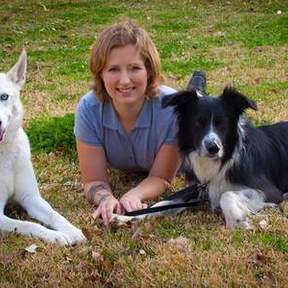
- Elizabeth Faubion CTDI
- Private In-Home Dog Training - Denton, TX
-
(3 reviews)
-
CERTIFIED
CPDT-KA
AKC CGC
EVALUATOR
- Denton, TX - My mission is to teach you and your pet using a positive reward based approach to accomplish all of your training goals and create a happy, motivated...
-
- Certified
- Insured
- Online Sessions
- Mobile Services
-
 3BOOKINGS
 - Beth Lama
- Be The Person Your Dog Thinks You Are - Dog Trainer - McKinney, TX
-
-
INSTANT CHECKOUTSCHEDULING ENABLED
- McKinney, TX - With over a decade of experience in the pet services industry, I bring a wealth of knowledge and a passion for enhancing the lives of pets and...
-
- Insured
- Online Sessions
- Mobile Services
-
- Nicole Kohanski
- Certified Professional Dog Trainer and Behaviorist - Frisco, TX
-
(2 reviews)
-
INSTANT CHECKOUTRAPID RESPONDER
CERTIFIED
CPDT-KA
 PSI
CERTIFIED
AKC CGC
EVALUATOR
PSI
CERTIFIED
AKC CGC
EVALUATOR
 IAABC
CERTIFIED
IAABC
CERTIFIED
- Frisco, TX - Expert Dog Training with Certified Professionals – Fear-Free, Science-Based Methods Looking for a highly qualified and credentialed dog trainer who understands your dog’s unique needs? At Wiggle...
-
- Licensed
- Certified
- Insured
- Online Sessions
-
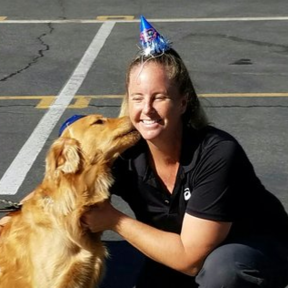
- Nikki Esser
- OC Service Dogs - Private Dog Training - Poolville, TX
-
-
SCHEDULING ENABLED
- Poolville, TX - At OC Service Dogs, I am committed to helping you and your furry companion become the perfect team. With a wealth of experience and certifications—including being an...
-
- Licensed
- Certified
- Bonded
- Insured
- Mobile Services
-
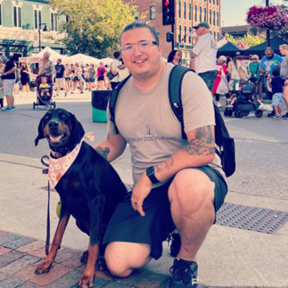
- Michael Powles
- Platinum Private Dog Training - Des Moines, IA
-
- Des Moines, IA - At Platinum Dog Training, we believe that training owners is just as important as training their dogs. That’s why all of our training is done via...
-
more info
🦔 Puppy Training in Wichita, Kansas
The first few months of a puppy's life are an important time for building the skills, routines, and experiences that can help set the stage for a well-adjusted adult dog. Puppy training is different from training an older dog because young puppies are still developing physically, mentally, and socially. Their attention spans are short, their routines are changing quickly, and many are learning how to navigate a new home for the first time.
PetWorks is a nationwide pet care services marketplace connecting pet parents with certified puppy trainers serving Wichita, Kansas and surrounding communities. Our puppy trainers can help families work on foundational skills such as potty training, crate training, puppy socialization, bite inhibition, leash introduction, and foundational puppy manners.
What Does a Puppy Trainer Do?
A puppy trainer specializes in helping young puppies develop foundational skills during the earliest stage of their lives, generally through about 6 months of age. Training at this stage is less about demanding advanced obedience and more about helping a puppy understand household routines, learn appropriate behaviors, and become comfortable with everyday experiences.
A certified puppy trainer serving Wichita can help pet parents create practical routines for their puppy and work through common challenges that arise during the first months at home. Training may take place in the home, online, or in another setting depending on the professional's services.
The focus is on building good habits early. Puppies are constantly learning from their surroundings, and consistent guidance can help families teach appropriate behaviors before unwanted habits become established.
What Can Puppy Training Help With?
Puppy trainers serving Wichita may help families with a variety of early developmental and training needs, including:
Potty training and housebreaking
Crate training and comfortable crate routines
Puppy socialization
Bite inhibition and puppy nipping
Leash introduction
Name recognition and attention
Basic cues such as sit, come, and stay
Jumping and polite greetings
Settling and appropriate household behavior
Building positive routines and confidence
The specific services offered vary by trainer. When comparing professionals on PetWorks, pet parents can review each trainer's certifications, experience, specialties, reviews, and available services to find an appropriate match for their puppy.
Potty Training and Housebreaking
Potty training is one of the first challenges many new puppy families face. Young puppies have limited bladder control and need frequent opportunities to go outside. Establishing a predictable routine can make the process easier and help a puppy learn where and when elimination is appropriate.
A puppy trainer can help Wichita families develop a practical housebreaking routine based on the puppy's age, schedule, living environment, and individual needs. Trainers may also provide guidance on recognizing signs that a puppy needs to go, establishing consistent outdoor trips, handling accidents, and gradually increasing the time between bathroom breaks.
Consistency is important. Puppies learn through repetition, and successful potty training generally requires everyone in the household to follow the same basic routine.
Crate Training for Puppies
A crate can become a useful part of a puppy's routine when introduced gradually and positively. It can provide a comfortable resting space, assist with potty training, and help a puppy learn how to settle independently.
A puppy trainer can show pet parents how to introduce the crate without making it a source of fear or punishment. Training may involve gradually increasing the amount of time the puppy spends comfortably inside while pairing the crate with positive experiences.
The goal is for the puppy to view the crate as a safe and predictable place rather than somewhere they are sent when they have done something wrong.
Puppy Socialization in Wichita
Socialization is one of the most important parts of early puppy development. It involves helping puppies have positive, age-appropriate experiences with people, environments, sounds, surfaces, handling, and other animals.
For puppies growing up in Wichita, socialization can include gradually becoming comfortable with everyday experiences such as cars, household noises, visitors, different walking environments, grooming and handling, and other normal parts of life.
Good socialization is not simply exposing a puppy to as many things as possible. Experiences should be appropriate for the puppy's developmental stage and introduced in ways that help the puppy remain comfortable and confident.
A certified puppy trainer can help families understand how to introduce new experiences at an appropriate pace and recognize when a puppy needs more distance, time, or support.
Puppy Biting, Nipping, and Bite Inhibition
Nipping is extremely common in young puppies. Puppies explore their surroundings with their mouths, play with littermates using their mouths, and are still learning how to control the force of their bite.
A puppy trainer can help pet parents teach appropriate alternatives and establish consistent responses when nipping becomes excessive. This can be particularly useful when puppies are interacting with children or other pets.
The objective is not simply to punish a puppy for normal developmental behavior. Instead, early training can help puppies learn appropriate ways to play, interact, and redirect their attention.
Introducing a Puppy to a Leash
For many puppies, wearing a collar or harness and walking on a leash are completely new experiences. Expecting a young puppy to immediately walk calmly down a busy sidewalk can create unnecessary frustration for both the puppy and the family.
Puppy training can begin with comfortable introduction to the equipment, followed by short and positive practice sessions. Trainers may help families teach puppies to pay attention to their handlers, follow simple guidance, and gradually become comfortable walking in different environments.
The emphasis at this stage is on building positive leash habits, not expecting the precision of advanced walking skills from a very young puppy.
Puppy Training for Wichita and Surrounding Communities
PetWorks can connect pet parents with certified puppy trainers serving Wichita as well as nearby communities throughout the region. Depending on the professional, services may be available in-home, virtually, or in another suitable training environment.
Pet parents in Wichita, Derby, Andover, Haysville, Maize, Park City, Goddard, Valley Center, and surrounding communities can compare puppy trainers based on their certifications, experience, specialties, reviews, and available services.
Because puppies spend most of their time at home with their families, in-home and virtual training can be particularly useful for addressing the routines and situations a puppy encounters every day.
How to Choose a Certified Puppy Trainer in Wichita
Choosing a puppy trainer is about more than finding someone who works with dogs. Look for a professional whose experience specifically includes young puppies and foundational puppy development.
When comparing puppy trainers on PetWorks, consider their certifications, experience with puppies, training approach, areas of specialization, customer reviews, and whether they offer the type of service you need.
Some Wichita families may primarily need help with potty training and crate routines. Others may want assistance with socialization, puppy biting, leash introduction, or establishing good household habits. Finding a trainer whose experience matches your puppy's current needs can make the training process more productive and enjoyable.
The best puppy training plan is one that fits both the puppy and the family. A certified professional can provide structure and guidance while helping pet parents build consistent routines that can continue after the training sessions are finished.
Puppy Training for Families in Sedgwick County
PetWorks connects pet parents with certified puppy trainers serving Wichita and Sedgwick County, making it easier to find professional puppy training throughout the greater Wichita area. Whether you live in central Wichita or in a nearby community, you can compare certified professionals based on their experience, specialties, reviews, and available services.
Pet parents in Derby, Andover, Haysville, Maize, Park City, Goddard, Valley Center, Bel Aire, Kechi, Clearwater, and other surrounding communities can use PetWorks to find puppy training that fits their family's needs. Depending on the professional, services may be available in-home, virtually, or through another training format.
What Happens During Puppy Training?
Puppy training is about much more than teaching a puppy to sit or stay. During the first months of life, puppies are learning how to interact with people, respond to their environment, settle in the home, and develop appropriate habits.
A certified puppy trainer may help establish routines around potty training and crate use while also working on socialization, bite inhibition, leash introduction, name recognition, recall, polite greetings, and other foundational puppy skills. Training should be appropriate for the puppy's age and developmental stage.
The goal is to give families practical skills they can continue using between training sessions. Consistency from everyone in the household is an important part of helping a puppy understand what is expected.
When Should I Start Puppy Training?
Puppy training can begin soon after a puppy comes home, with activities adjusted to the puppy's age, vaccination status, temperament, and developmental stage. Early training is particularly valuable because puppies are rapidly learning about their surroundings during the first months of life.
Socialization is an especially important part of this period. Rather than overwhelming a puppy with unfamiliar experiences, a certified puppy trainer can help families introduce new people, environments, sounds, surfaces, handling, and other experiences gradually and positively.
Starting early does not mean expecting a young puppy to behave like an adult dog. The focus should be on building positive habits, confidence, communication, and appropriate routines.
Puppy Socialization vs. Obedience Training
Puppy socialization and obedience are related but different parts of early development. Socialization helps puppies become comfortable with the people, animals, environments, sounds, surfaces, and situations they are likely to encounter throughout life.
Early obedience and foundational training focus on communication and everyday skills such as responding to a name, coming when called, sitting, settling, and beginning to follow simple cues.
For puppies under 6 months, PetWorks' puppy trainer category focuses primarily on foundational puppy skills and early development, rather than advanced obedience or complex behavior modification. This distinction helps families find the right type of professional for their puppy's age and needs.
Can a Puppy Trainer Help With Potty Training?
Yes. Potty training is one of the most common reasons families seek help from a puppy trainer. Young puppies need frequent bathroom opportunities, consistent routines, and clear guidance about where elimination should occur.
A certified trainer can help you create a schedule based on your puppy's age and daily routine, recognize signs that your puppy needs to go outside, respond appropriately to accidents, and gradually build reliable housebreaking habits.
If a puppy suddenly begins having unusual or persistent elimination problems, however, pet parents should also consider whether a veterinary evaluation is appropriate.
Can a Puppy Trainer Help With Puppy Biting?
Yes. Puppy biting and nipping are normal parts of early development, but puppies still need to learn appropriate ways to interact with people and other animals.
A puppy trainer can help families understand why puppies nip and develop consistent responses that encourage appropriate play and interaction. This is particularly valuable in households with children, where teaching safe and appropriate interactions is especially important.
Can a Puppy Trainer Help With Crate Training?
Yes. Certified puppy trainers can help families introduce a crate gradually and create positive associations with it. The goal is to help a puppy become comfortable resting in the crate rather than treating the crate as a punishment.
Crate training can also complement potty training because puppies generally benefit from predictable routines and structured opportunities to eliminate.
Puppy Training in Wichita's Urban and Suburban Communities
Wichita puppies encounter a wide variety of environments as they grow. A puppy living in an apartment or urban neighborhood may need to become comfortable with traffic, sidewalks, elevators, neighbors, and other everyday distractions. Puppies living in suburban communities around Wichita may encounter different household layouts, yards, wildlife, neighborhood activity, and other environmental experiences.
A certified puppy trainer can help families think about socialization and foundational training within the context of their individual lifestyle. The objective is not simply to teach a list of commands, but to help a puppy develop skills that are useful in its actual daily environment.
This localized approach can be especially helpful for families throughout Sedgwick County, including Wichita, Derby, Andover, Haysville, Maize, Park City, Goddard, Valley Center, Bel Aire, Kechi, and Clearwater.
Frequently Asked Questions About Puppy Trainers in Wichita
What age is considered a puppy for training?
Puppy training generally focuses on the earliest developmental stage, often through approximately 6 months of age. The specific training approach should be adjusted to the puppy's age, development, temperament, and individual needs.
What skills should a puppy learn first?
Early priorities typically include potty training, crate routines, socialization, bite inhibition, name recognition, attention, leash introduction, recall, and basic household manners. A trainer can help families determine which skills should receive priority based on the puppy and home environment.
How long does puppy training take?
There is no single timeline for puppy training. Some puppies make progress quickly with a particular skill, while others require more repetition and support. Training is an ongoing process, and consistent practice between sessions is important.
Can I train my puppy at home?
Absolutely. Many of the most important puppy skills are practiced at home, including potty training, crate training, settling, appropriate play, and household manners. An in-home or virtual puppy trainer can provide guidance within the environment where these behaviors actually occur.
Do puppy trainers offer online consultations?
Some certified puppy trainers offer virtual consultations. Online training can be particularly useful for discussing routines, potty training, crate training, socialization, puppy biting, and other foundational skills while the puppy remains in its familiar environment.
Should I take my puppy to a group class?
Group puppy classes can provide opportunities for structured learning and age-appropriate socialization, but they are not the right format for every puppy or family. Private in-home or virtual training may be a better fit for puppies with specific needs or families who want individualized guidance.
How do I find a certified puppy trainer in Wichita?
PetWorks allows you to browse certified puppy trainers serving Wichita and surrounding Sedgwick County communities. You can compare professional profiles, certifications, specialties, reviews, and available services before deciding which trainer is the best fit.
What should I look for in a puppy trainer?
Look for a professional with relevant certifications and specific experience working with puppies. Consider their approach to socialization, potty training, crate training, puppy biting, and foundational skills, along with their reviews and available training formats.
Is puppy training different from dog training?
Yes. Puppy training focuses on early developmental needs and foundational skills. Training for older dogs may involve more advanced obedience, specialized skills, or addressing established behavior problems. Keeping these categories distinct helps pet parents find the right professional for their dog's age and needs.
🐶 Why use PetWorks to find a puppy trainer in Wichita?
PetWorks is a nationwide pet care services marketplace connecting pet parents with certified puppy trainers serving Wichita and communities throughout Sedgwick County. Instead of searching through multiple individual trainer websites, you can compare certified professionals, read reviews, review specialties, message trainers, and book puppy training through one platform.
Whether you are bringing home your first puppy in Wichita, Derby, Andover, Maize, Haysville, Goddard, Park City, or another nearby community, PetWorks makes it easier to find professional guidance for the foundational skills that help puppies get off to a positive start.

 petworks tm