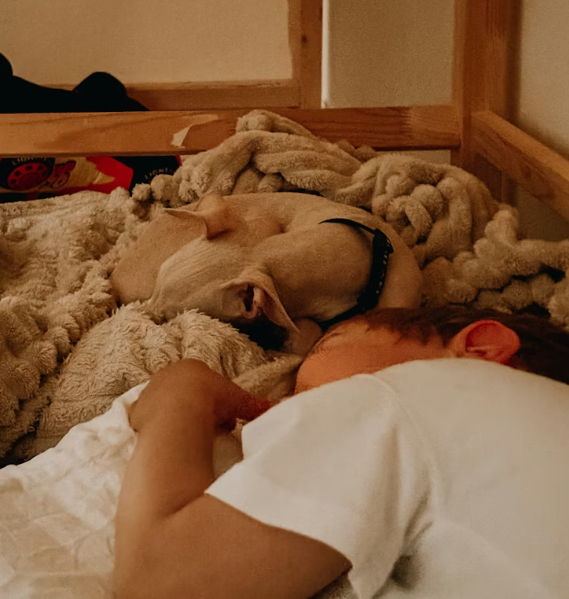
Let’s talk about dogs sleeping with kids. For many families, dogs are more than pets. They are part of the family. It’s natural for children and dogs to want to snuggle at night. But parents often wonder: Is it safe for my child to sleep in bed with our dog? While this practice can promote bonding and comfort, there are safety, health, and behavioral factors to consider. In this guide, we’ll explore the risks, benefits, and practical precautions for families thinking about bed-sharing with dogs.
Why Kids and Dogs Want to Sleep Together
Children often see dogs as trusted companions, and bedtime is no exception. Many kids feel comforted by their dog’s presence, especially if they’re afraid of the dark or experience nighttime anxiety. Dogs, too, enjoy warmth, companionship, and the security of sleeping near their human family members.
Benefits of kids and dogs sleeping together include:
-
Emotional comfort and reduced anxiety for children
-
Strengthened bond between child and dog
-
Opportunities for children to learn empathy and responsibility
-
Calming effect for hyperactive or anxious children
 While these benefits are appealing, safety must always come first.
Potential Risks of Bed-Sharing With Dogs
While most family dogs are gentle and well-behaved, sleeping with your child can carry certain risks.
1. Allergies and Hygiene Concerns
Dogs naturally carry dirt, pollen, and pet dander, which can trigger allergies in sensitive children. If your child has asthma or a history of allergies, bed-sharing may exacerbate symptoms. Regular grooming, vacuuming, and washing bedding can help reduce exposure, but some children may still react.
2. Accidental Injuries
Even the friendliest dog may move suddenly during sleep. Large dogs, in particular, can accidentally roll over onto a child, especially younger kids or toddlers. Scratches from paws or unintended bites can also occur, often when a dog is startled or dreaming.
3. Canine Behavioral Issues
Allowing a dog to sleep in bed without boundaries can sometimes encourage possessiveness or territorial behavior. Dogs that growl, snap, or display resource guarding around the bed may pose risks if children are unaware of canine body language.
4. Disrupted Sleep
Dogs may wake during the night, pace, or need to go outside. This can disrupt your child’s sleep, potentially leading to fatigue, irritability, or difficulty concentrating during the day.
Age Considerations: When Is It Safe?
-
Infants (0–12 months): Experts generally advise against letting infants sleep with dogs due to risk of suffocation and sudden movements. Co-sleeping with a dog and infant is considered unsafe.
-
Toddlers (1–3 years): Some parents allow supervised short naps with a dog, but nighttime bed-sharing is risky unless the dog is extremely calm and well-trained.
-
School-Aged Children (4+ years): With proper training and boundaries, older children may safely share a bed with a well-behaved dog. Always monitor interactions, especially with new or larger dogs.
Precautions for Safe Bed-Sharing
If you decide that your child and dog can safely share a bed, follow these practical safety precautions:
1. Choose the Right Dog
Calm, friendly, and well-trained dogs are the safest options for bed-sharing. Avoid dogs with a history of aggression or territorial behavior.
2. Set Boundaries
Teach your dog where they are allowed to sleep. Consider using a designated blanket or pillow for your dog in the bed. This reinforces boundaries and reduces the risk of accidental rolling or resource guarding.
3. Monitor Health and Hygiene
-
Bathe your dog regularly and brush them daily to reduce shedding and dander.
-
Wash bedding frequently to remove allergens and dirt.
-
Keep nails trimmed to minimize accidental scratches.
4. Supervise Initially
Supervise initial sleep sessions to ensure your child and dog interact safely. Watch for signs of discomfort or stress in either your child or dog.
5. Teach Your Child Canine Body Language
Help your child understand signals like growling, lip licking, yawning, or stiff postures. Recognizing these cues can prevent accidents and teach respect for the dog’s space.

Are you finding this article useful? Would you like 100% free access to more articles like these, and free access to over 5,000 vetted pet care service professionals throughout the United States? Sign up here for a free Petworks account, and we’ll email you a 10% discount code, good towards your first pet care services booking on Petworks!
6. Consider Alternative Sleeping Arrangements
For families concerned about hygiene or safety, consider alternatives like:
-
Dog beds in the child’s room
-
Crates near the bed
-
Blanket or mat on the floor next to the child’s bed
These options allow comfort and companionship without full bed-sharing.
Benefits of Safe Bed-Sharing
When done carefully, bed-sharing can be highly beneficial:
-
Emotional Security: Children who sleep with dogs often report feeling safer and less anxious.
-
Improved Behavior: Caring for a dog teaches empathy, patience, and responsibility.
-
Stronger Family Bond: Shared nighttime routines can strengthen the connection between child and pet.
Signs That Bed-Sharing May Not Be Working
Even with precautions, sometimes bed-sharing isn’t a good fit. Watch for:
-
Aggression or growling from the dog
-
Frequent nighttime waking or accidents
-
Allergic reactions in your child
-
Anxiety or fear about sharing the bed
If any of these occur, it may be time to move the dog to a separate sleeping space.
Expert Advice
“If pet owners do decide to sleep with their dogs or cats, they should…take them to a veterinarian regularly, use preventive flea and tick treatments on pets, and routinely deworm them. Pets should never sleep with or be allowed to lick young children or people with weakened immune systems.” – Dr. Heather Bair‑Brake
FAQ: Kids Sleeping with Dogs
Q1: Is it safe for my child to sleep in bed with our dog?
A1: Children can safely share a bed with well-behaved, calm dogs if they are supervised and boundaries are set. Infants and toddlers should not co-sleep with dogs due to risk of suffocation or accidental injury.
Q2: What are the risks of letting dogs sleep in bed with kids?
A2: Potential risks include allergies, hygiene concerns, accidental scratches or bites, disrupted sleep, and behavioral issues such as resource guarding.
Q3: How can I make bed-sharing safe for children and dogs?
A3: Ensure your dog is healthy and vaccinated, trim nails, maintain hygiene, use designated bedding, teach children to respect the dog’s space, and supervise interactions, especially at night.
Q4: Are some dog breeds safer to sleep with kids?
A4: Calm, friendly, and well-trained dogs are generally safer for bed-sharing. Avoid dogs with aggression history or unpredictable behavior.
Q5: What alternatives exist if I don’t want my dog in my child’s bed?
A5: Consider a dog bed or blanket in the child’s room, a crate nearby, or a mat on the floor. These allow companionship without full bed-sharing.
Deciding whether your child should sleep in bed with a dog depends on your child’s age, the dog’s temperament, and family comfort levels. While there are risks, careful preparation, proper hygiene, and supervision can make bed-sharing a safe, comforting, and enjoyable experience for both your child and your dog.
Parents should weigh the emotional benefits against the health and safety risks and be ready to adjust sleeping arrangements as children grow and dogs’ behaviors change.
By following precautions, setting boundaries, and staying informed, families can enjoy the bonding and comfort that comes from sharing bedtime with a beloved pet—without compromising safety.
About Petworks
 In 2021, Dr. Marty Goldstein DVM joined the pet care platform Petworks as an advisor in its Animal Nutrition care division. Dr Marty Nature’s Blend is on a mission to help your pets live their healthiest lives possible. Dr. Marty’s pet nutrition expertise and guidance has helped Petworks evolve and become the preeminent animal and pet nutrition consultation service for pet parents in North America.
 In 2022, Blue Buffalo Founder Bill Bishop Jr. joined Petworks as Senior Advisor in our Animal Nutrition Care Division. Bill brings his extensive expertise in pet food innovation and business leadership. His guidance helps Petworks enhance our pet nutrition service offerings, helping to ensure that pet parents throughout the world receive trusted, science-backed nutritional support for their dogs, cats, and animals.
About The Author
 Petworks Co-Founder Kevin Kinyon is a life-long animal lover who works tirelessly to improve the lives of pets and their parents. Human and animal qualities he values most are integrity, humor, and empathy.

 petworks tm