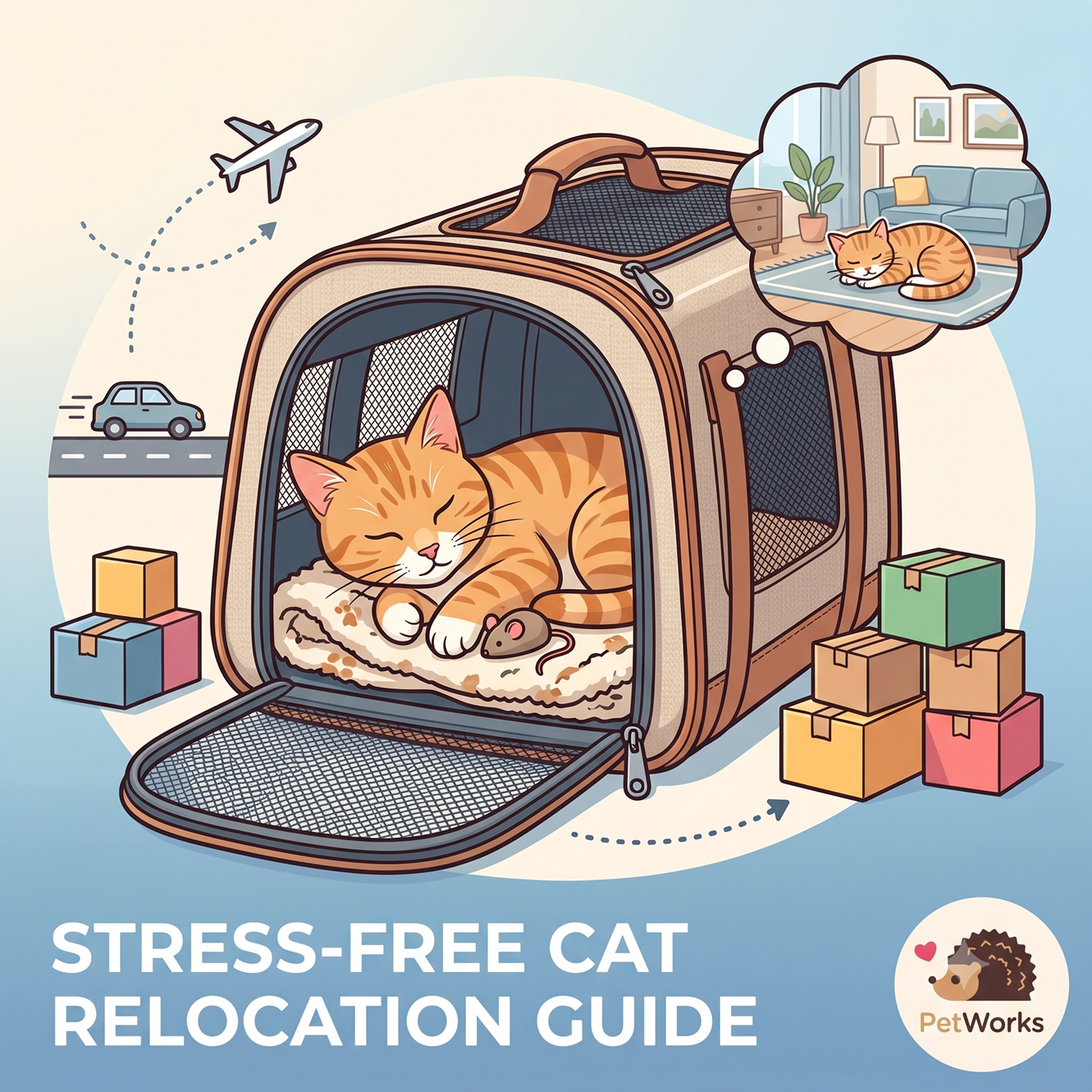
The PetWorks Pet Care Services Marketplace Complete Guide for Stress-Free Cat Relocation Travel. Moving to a new home can be exciting for pet parents, but for cats, a long-distance move can feel overwhelming. Cats are creatures of habit, and changes to their environment, daily routine, and familiar surroundings can create significant stress. Whether you are moving across the state, across the country, or relocating internationally, helping your cat feel secure before, during, and after the journey can make the transition much smoother. With the right preparation, a comfortable travel setup, and patience during the adjustment period, most cats can successfully adapt to a new home.
This guide explains how to keep a cat calm during a long-distance move, including how to prepare before moving day, reduce travel anxiety, choose the right carrier, and help your cat settle after arrival.
Why Long-Distance Moves Are Stressful for Cats
Cats experience the world through familiarity. Their home environment contains important scent markers, predictable routines, and safe spaces that help them feel comfortable. A move removes many of those familiar elements at once.
Packing boxes, rearranging furniture, strangers entering the home, and increased noise can all cause anxiety before the actual move even begins. During travel, unfamiliar sounds, motion, new smells, and confinement in a carrier can create additional stress.
Some cats show obvious signs of anxiety, such as excessive meowing or hiding. Others may become unusually quiet, stop eating, or withdraw from normal activities. Understanding your cat’s personality and recognizing changes in behavior can help you provide better support throughout the relocation process.
Start Preparing Your Cat Before Moving Day
The best way to keep a cat calm during a long-distance move is to begin preparation well before the moving date. Cats generally respond better to gradual changes than sudden disruptions.
One of the most important steps is helping your cat become comfortable with their travel carrier. Instead of bringing the carrier out only when it is time for a stressful trip to the veterinarian, place it in your home several weeks before the move. Leave the door open and allow your cat to explore it at their own pace.
Adding familiar items inside the carrier can also make it feel safer. A favorite blanket, toy, or bedding item carrying your cat’s scent can provide reassurance during travel.
Before a long-distance move, schedule a veterinary visit to make sure your cat is healthy enough for travel and that any necessary vaccinations, health records, or travel documentation are current. Your veterinarian can also provide guidance if your cat experiences severe travel anxiety.
A few important preparation steps include:
- Introducing the carrier early
- Maintaining your cat’s normal feeding and play schedule
- Keeping familiar items available during packing
- Planning food, water, litter, and medication supplies before travel day
Choose a Comfortable Carrier for Long-Distance Cat Travel
A secure and comfortable carrier is one of the most important tools for reducing stress during a move. Your cat should have enough space to stand, turn around, and lie down comfortably, while still feeling protected.
Avoid purchasing a new carrier right before the move if possible. A carrier that already smells familiar will usually feel less intimidating than a completely new object introduced on travel day.
For longer trips, choose a carrier with good ventilation, secure closures, and an easy-to-clean interior. Accidents can happen during stressful journeys, so having absorbent bedding or extra liners available can make unexpected situations easier to manage.
The goal is to make the carrier feel like a safe resting place rather than a place where your cat is trapped.
How to Reduce Cat Travel Anxiety During a Long Move
Every cat reacts differently to travel. Some cats tolerate car rides and new environments fairly well, while others experience significant anxiety.
Common signs that a cat may be stressed during travel include excessive vocalization, hiding, refusing food, restlessness, excessive grooming, or changes in bathroom habits.
Keeping your cat’s environment as calm and predictable as possible can make a major difference. During packing, consider placing your cat in a quiet room away from the activity. This allows them to avoid the constant noise and disruption of moving boxes, furniture changes, and unfamiliar people.
During the journey, avoid unnecessary handling or opening the carrier in unfamiliar areas. Even a normally friendly cat may panic when exposed to a strange environment.
Helpful ways to reduce travel stress include:
- Keeping familiar bedding or toys nearby
- Maintaining a comfortable temperature
- Limiting loud noises and sudden movements
- Following your cat’s normal feeding schedule when possible
- Providing reassurance through a calm voice and familiar interaction
Should You Give a Cat Medication Before a Long-Distance Move?
Some cats experience extreme anxiety during travel. If your cat becomes highly distressed during car rides or visits to the veterinarian, talk with your veterinarian before moving day.
A veterinarian can help determine whether your cat may benefit from additional support, including prescription options or other strategies designed specifically for your pet’s needs.
Before a major relocation, pet parents should also review pet travel safety recommendations to better understand preparation steps, health considerations, and ways to reduce stress during travel.
Never give your cat medication intended for humans or use calming products without first discussing them with your veterinarian. Cats can react differently to medications, and professional guidance is important when preparing for a stressful event like a long-distance move.
How to Travel Long Distance With a Cat by Car
Many families choose to drive when moving with a cat because it allows more control over the schedule and environment. However, long car rides require careful planning.
Your cat should remain secured inside a carrier while the vehicle is moving. Allowing a cat to roam freely inside a car can create safety risks and increase stress if they become frightened.
For longer trips, plan ahead by bringing enough food, water, litter supplies, medications, cleaning materials, and comfort items. If the journey requires overnight stops, research pet-friendly accommodations before leaving.
Most cats prefer stability during travel. Keeping the carrier in a consistent location, maintaining a quiet vehicle environment, and avoiding unnecessary stops can help your cat feel more secure.
How to Keep a Cat Calm When Flying to a New Home
Flying with a cat requires additional planning. Airports are busy, unfamiliar environments with loud noises, crowds, and new smells that may be stressful for many cats.
Before booking a flight, review airline requirements and confirm what documentation, carrier specifications, and health records may be required. Some airlines have specific rules for traveling with pets, so preparing early can prevent last-minute complications.
For pet parents facing a complicated relocation, professional pet transportation services can help coordinate the logistics of long-distance moves, including airport transportation, documentation requirements, and travel planning.
Learn more about transporting a cat long distance and the steps involved in safely relocating a feline companion.
Families relocating across the country or internationally may also benefit from working with experienced pet relocation services that understand the planning, documentation, and logistics involved in moving pets safely.
Consider Professional Pet Transportation for a Long-Distance Cat Move
Some moves are simply more complicated than others. Relocating across the country, coordinating flights, managing multiple pets, or handling special travel requirements can become stressful quickly.
Professional pet transportation providers help pet parents navigate these challenges by managing travel logistics and prioritizing animal safety and comfort.
PetWorks connects pet parents with trusted independent professionals offering pet transportation services for long-distance relocations, including ground transportation, travel coordination, and other pet moving needs.
Helping Your Cat Adjust After Moving Into a New Home
The transition does not end when you arrive. Many cats need time to adjust to a new environment.
When you first arrive, consider setting up a quiet room where your cat can feel secure. Include familiar items such as bedding, toys, food, water, and a litter box. Allow your cat to explore gradually rather than immediately giving them access to the entire home.
Maintaining familiar routines is especially important after a move. Feeding times, play sessions, and normal interactions can help your cat regain a sense of stability.
Some cats adjust within a few days, while others may need several weeks before they fully relax in their new surroundings. Patience and consistency are key.
Frequently Asked Questions
How long does it take a cat to adjust after a long-distance move?
Most cats begin adjusting within several days, but some may need several weeks to become fully comfortable. Creating a familiar environment and maintaining normal routines can help speed up the adjustment process.
What is the best way to calm a cat during a long car ride?
The best ways to calm a cat during a long car ride include using a familiar carrier, keeping the vehicle comfortable, minimizing noise, and avoiding unnecessary handling during the trip.
Should I sedate my cat before moving?
You should only use medication or calming treatments after speaking with your veterinarian. Your veterinarian can recommend the safest approach based on your cat’s health and travel needs.
Can cats safely travel long distances?
Yes, cats can safely travel long distances when properly prepared. A secure carrier, veterinary preparation, and careful planning are important for a successful journey.
How can I help my cat feel comfortable in a new home?
Start with a quiet space containing familiar items, then allow your cat to explore gradually. Keeping routines consistent can help your cat feel secure while adjusting.
What should I pack when moving long distance with a cat?
Important items include food, water, medications, litter supplies, a carrier, cleaning supplies, veterinary records, and familiar comfort items such as blankets or toys.
Final Thoughts
A long-distance move does not have to be overwhelming for your cat. The key is preparation, patience, and creating as much familiarity as possible throughout the process.
By introducing the carrier early, reducing unnecessary stress, maintaining routines, and planning travel carefully, you can help your cat feel safer during one of the biggest changes they will experience.
For families who need additional support, professional pet transportation services can provide valuable assistance and help make long-distance relocation easier for both pets and their people.
About PetWorks
 In 2021, Dr. Marty Goldstein DVM joined the pet care platform PetWorks as an advisor in its Animal Nutrition care division. Dr Marty Nature’s Blend is on a mission to help your pets live their healthiest lives possible. Dr. Marty’s expertise in pet nutrition has helped PetWorks grow. His guidance has helped us become North America’s leading animal and pet nutrition consultation service for pet parents.
 In 2022, Blue Buffalo Founder Bill Bishop Jr. joined PetWorks as Senior Advisor in our Animal Nutrition Care Division. Bill brings his extensive expertise in pet food innovation and business leadership. His guidance helps PetWorks enhance our pet nutrition services. It also helps ensure that pet parents around the world receive trusted, science-backed nutritional support for their dogs, cats, and other animals.
About The Author
 PetWorks Co-Founder Kevin Kinyon is a life-long animal lover who works tirelessly to improve the lives of pets and their parents. Human and animal qualities he values most are integrity, humor, and empathy.

 petworks tm