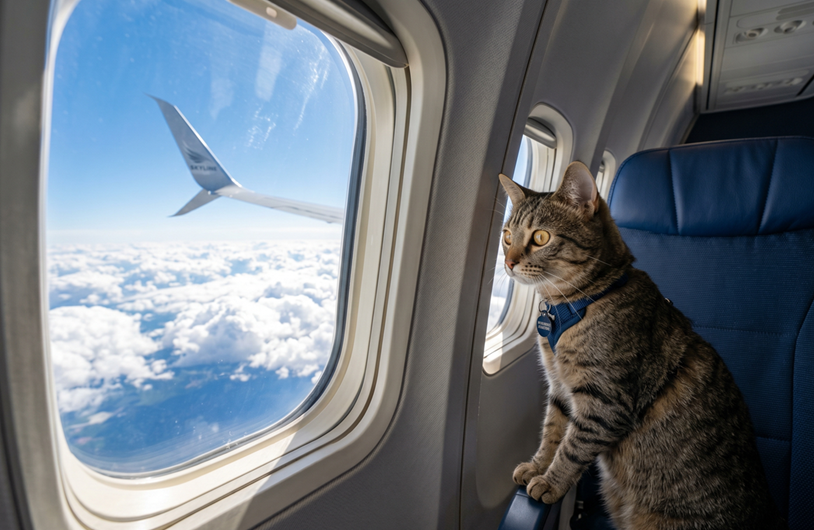
Transporting a cat long distance is one of the most anxiety-inducing tasks a pet parent can face. And for good reason. Cats are creatures of habit. They don’t adapt to change the way dogs often do. A car ride to the vet is stressful enough. Now imagine a cross-country move, a flight, or a door-to-door ground transport spanning several states. The good news? With the right preparation, the right equipment, and the right professional support, long distance cat transport is absolutely manageable. For you and for your cat.
This guide covers everything you need to know: how to prepare your cat, which transport method is right for your situation, what it costs, and how to find a trusted cat transport service that will treat your feline like family.
Why Cat Transport Requires Special Attention
Dogs tend to travel with a degree of excitement. Cats, in most cases, do not. Their stress response to unfamiliar environments, sounds, and movement is deeply ingrained — and ignoring it can lead to real health consequences like dehydration, GI upset, and elevated cortisol that takes days to normalize after a trip.
That doesn’t mean cats can’t travel safely. It means the planning has to account for their specific needs. A few things that make cat transport distinct from dog transport:
- Cats are more likely to hide, refuse food, or vocalize excessively under travel stress
- Many cats have never been in a carrier for more than a short vet visit — long distance is a completely different experience
- Certain flat-faced (brachycephalic) breeds like Persians, Himalayans, and Exotic Shorthairs face real respiratory risks during air travel
- Cats require secure, escape-proof containment — especially during transfers or car stops
Understanding these realities is the first step toward a successful trip.
Step 1: Prepare Your Cat Before the Trip
Carrier Training
If your cat only sees a carrier when it’s time to go to the vet, they’ve already associated it with stress. Start introducing the carrier weeks before your trip. Leave it open in a room your cat frequents. Put a familiar blanket or clothing item inside. Let them explore it on their own terms. Feed them treats near or inside it.
The goal is simple: by the time travel day arrives, the carrier should feel like a safe, familiar space — not a trap.
Veterinary Visit
Schedule a vet appointment before any long distance move or transport. You’ll need a Certificate of Veterinary Inspection (CVI) — also called a health certificate — which is required for most transport services and for crossing state lines. Most certificates are valid for 10 days from the date of issue, so timing matters.
Your vet can also advise on whether your cat is fit to travel, discuss any anxiety management options, and update vaccinations if needed.
What to Pack for Your Cat
Whether you’re driving or handing your cat off to a professional transporter, pack the essentials:
- Health certificate and vaccination records
- A carrier lined with absorbent pads and a familiar-smelling blanket
- Food and treats (stick with their regular diet to avoid GI upset)
- A portable water bowl and a spill-resistant water container
- Any regular medications
- A recent photo of your cat in case of an emergency
🐱”Cats are deeply sensitive animals, and how they experience transport matters. Not just for the journey, but for how they settle into their new environment afterward. At PetWorks, we work with transporters who genuinely understand that. Every cat deserves to arrive calm, safe, and cared for.” — Kevin Kinyon, Co-Founder, PetWorks
Step 2: Choose the Right Transport Method
There is no one-size-fits-all answer here. The right method depends on distance, your cat’s temperament, breed considerations, and your budget.
Driving Your Cat Yourself
For many pet parents, driving is the most comfortable option — especially for trips under 8–10 hours. You stay in control, you can monitor your cat closely, and there are no airline restrictions to navigate.
A few tips for road trips with cats:
- Aim for no more than 6 hours of driving per day — longer stretches increase stress
- Keep the carrier secured and positioned so your cat can see out (reduces motion anxiety for many cats)
- Never open the carrier in an unsecured area — even the most well-behaved cat can bolt when frightened
- Plan rest stops but keep your cat inside the carrier — outdoor exposure adds unpredictability
- Maintain comfortable cabin temperatures; never leave your cat unattended in a parked car
Professional Ground Transport
For longer cross-country distances — or when you simply can’t make the drive yourself — professional ground transport is often the safest and most humane option. A vetted pet transporter will pick up your cat at your door, drive them to the destination, and provide regular updates along the way.
This is particularly popular for families relocating across the country, for breeders delivering kittens to new homes, and for situations where flying isn’t possible due to breed restrictions or seasonal heat embargoes. Look for transporters who are USDA-registered and have documented experience with cats specifically.
Flying with Your Cat
Air travel is the fastest option for long-distance cat transport, but it comes with the most variables to manage. Here’s what you need to know:
- Most cats are small enough to qualify for in-cabin travel (carrier must fit under the seat and total weight — cat plus carrier — typically can’t exceed 20 lbs)
- Airlines limit the number of pets per flight, so book early and confirm your pet’s reservation
- A health certificate issued within 10 days of your departure date is required by virtually all airlines
- Flat-faced breeds (Persian, Himalayan, Exotic Shorthair, Burmese) face restrictions and should never fly in cargo — consult your vet before booking
- Avoid sedating your cat before flying — most veterinarians and the AVMA advise against it, as sedation increases health risks at altitude
Pet Flight Nanny for Cats
A pet flight nanny is a professional who travels with your cat in-cabin, providing continuous hands-on care from departure to arrival. This option has become increasingly popular for kittens being delivered to new homes, for anxious cats, and for any situation where the owner cannot fly themselves.
Flight nannies handle everything from pre-flight logistics and TSA coordination to real-time photo updates and curbside delivery at the destination. For many cat parents, it’s the gold standard of long distance transport.

Are you finding this article useful? Would you like 100% free access to more articles like these, and free access to over 5,000 vetted pet care service professionals throughout the United States? Sign up here for a free PetWorks account, and we’ll email you a 10% discount code, good towards your first pet care services booking on PetWorks!
How Much Does It Cost to Transport a Cat Long Distance?
Cat transport costs vary widely depending on the method, distance, and level of service. Here’s a general breakdown:
- Driving yourself: Gas, pet-friendly lodging if overnight, and travel supplies — typically the lowest-cost option
- Professional ground transport: $250–$600 for regional trips; $600–$1,500+ for cross-country routes, depending on distance and provider
- Flying in-cabin: Airline pet fees typically run $95–$150 each way on major U.S. carriers, plus the cost of an airline-approved carrier
- Pet flight nanny: $300–$900 for domestic routes; $1,000–$2,500+ for international trips
While professional transport adds cost, it also removes significant logistical burden — and for cats that are anxious or have health sensitivities, having an experienced handler can make a meaningful difference in how well they tolerate the journey.
🐱”When transporting cats long distance, the single most important factor is minimizing cumulative stress. Cats don’t ‘get used to it’ the way some dogs do. Their physiology responds to sustained stress in ways that can affect health for days after arrival. Good transport isn’t just about getting from A to B. It’s about how the cat arrives.” — Dr. Marty Goldstein, DVM, PetWorks Advisor
What to Look for in a Cat Transport Service
Not all pet transport services are equal — and when it comes to cats, the details really matter. Here’s what to evaluate before booking:
USDA Registration
For interstate pet transport, look for transporters who are USDA-registered or operate within a USDA-registered facility. This is a baseline credential that signals compliance with federal animal welfare standards.
Experience with Cats Specifically
Ask directly: how many cats have they transported? Do they have experience with anxious cats or specific breeds? A transporter who primarily handles dogs may not be attuned to feline stress signals.
Communication Standards
You should know what to expect in terms of updates. A professional service will have a clear protocol — check-in photos, text or email updates at key milestones, and confirmation of arrival. If a provider can’t tell you how they’ll communicate during the trip, that’s a red flag.
Reviews and References
Read reviews carefully, and look specifically for mentions of cats. Look for comments about how the provider handled unexpected situations — delays, a sick animal, a nervous cat — not just smooth trips.
Climate Control
For ground transport, climate-controlled vehicles are non-negotiable. Cats are sensitive to temperature extremes, and a vehicle that gets too hot or too cold puts your pet at real risk.
PetWorks connects cat owners with USDA-registered, background-checked transport professionals across the United States. Post your trip details, receive competitive quotes, review provider profiles and client feedback — and book with confidence.
Special Considerations for Specific Cats
Kittens
Kittens under 8 weeks of age should not be transported long distance under any circumstances — they are too young to be separated from their mother and far too fragile for the stress of travel. Most reputable breeders and transport services will not accept kittens younger than 8 weeks, and airlines require a minimum of 8 weeks for in-cabin travel.
Young kittens traveling from a breeder to a new home are among the most common cat transport requests on PetWorks, and a pet flight nanny is often the best option for these delicate early journeys.
Senior Cats
Older cats may have underlying health conditions that make long distance travel higher risk. A thorough vet check before any trip is essential for cats over 10 years of age. Your vet can advise whether travel is medically advisable and recommend strategies to minimize stress.
Anxious or Reactive Cats
Some cats experience severe anxiety during travel that goes beyond typical stress. If your cat has a history of significant anxiety, talk to your vet about options — including prescription calming medications or pheromone products like Feliway — well before the trip. Do not attempt to manage severe travel anxiety without veterinary guidance.
Brachycephalic Breeds
Flat-faced cat breeds — Persians, Himalayans, Exotic Shorthairs, Burmese — require extra care during transport. Most airlines prohibit these breeds from flying in cargo due to respiratory risk, and even in-cabin travel warrants a veterinary clearance. Ground transport with a climate-controlled vehicle is often the safest option for these cats.
The Bottom Line on Long Distance Cat Transport
Transporting a cat long distance takes more planning than most pet parents expect — but it’s entirely doable when you approach it with the right information and the right support.
Start early. Give your cat time to adjust to their carrier. Get a health certificate from your vet. Choose a transport method that fits your cat’s temperament and health profile. And if you’re working with a professional transporter, take the time to find someone with a genuine track record of caring for cats.
When all of those pieces are in place, your cat can arrive safely, calmly, and ready to settle into their new home — wherever that may be.
Ready to get started? Find a trusted cat transport professional on PetWorks and receive free quotes within minutes.
Frequently Asked Questions About Cat Transport
How do you transport a cat long distance?
The three main options are driving yourself, professional ground transport, and air travel (in-cabin or with a flight nanny). The best choice depends on your distance, your cat’s temperament and breed, and your budget. Carrier training beforehand, a vet health certificate, and a climate-controlled environment during transit are important regardless of which method you choose.
How much does it cost to ship a cat across the country?
Professional ground transport for a cross-country cat shipment generally runs $600–$1,500+ depending on distance and provider. Flying in-cabin costs $95–$150 in airline pet fees plus your own ticket. A pet flight nanny for a cross-country route typically runs $500–$900. Get multiple quotes to compare — platforms like PetWorks make this easy.
Can cats fly in the cabin on a plane?
Yes, most major U.S. airlines allow cats to fly in-cabin as long as the carrier fits under the seat and the combined weight of cat and carrier doesn’t exceed approximately 20 lbs. Spots are limited, so book early and confirm your pet’s reservation. A health certificate issued within 10 days of the flight is required.
Is it safe to sedate a cat for travel?
Most veterinarians and the American Veterinary Medical Association (AVMA) advise against sedating cats for travel, particularly air travel. Sedation can interfere with a cat’s ability to balance and regulate their body temperature, and the effects are unpredictable at altitude. If your cat has severe anxiety, ask your vet about safer alternatives like prescription calming medications or pheromone products.
What documents do I need to transport my cat?
At minimum, you’ll need a Certificate of Veterinary Inspection (health certificate) issued within 10 days of travel and proof of current rabies vaccination. For interstate transport, many states have their own requirements — your vet can advise on what’s needed for your specific route. International cat transport requires additional documentation, including destination-country import permits and often a USDA-endorsed health certificate.
How do I find a reputable cat transport service?
Look for USDA-registered transporters with documented experience transporting cats, strong client reviews, and a clear communication protocol for updates during the trip. Using a trusted marketplace like PetWorks allows you to compare multiple vetted providers, read verified reviews, and receive competitive quotes — all in one place.
How old does a kitten need to be to travel?
Kittens should be at least 8 weeks old before any long distance transport. Most airlines require a minimum of 8 weeks for in-cabin travel. For ground transport with a professional service, 8 weeks is also the standard minimum — though many transporters prefer kittens to be slightly older for the safety and comfort of the animal.
Whether you’re moving across the country, welcoming a new kitten from a breeder, or simply need to get your cat from point A to point B without the stress, you don’t have to figure it out alone. PetWorks has connected thousands of pet parents with trusted, experienced cat transport professionals across the United States — people who treat every animal like their own. Post your trip today, receive free quotes within minutes, and give your cat the safe, comfortable journey they deserve.
About PetWorks
 In 2021, Dr. Marty Goldstein DVM joined the pet care platform PetWorks as an advisor in its Animal Nutrition care division. Dr Marty Nature’s Blend is on a mission to help your pets live their healthiest lives possible. Dr. Marty’s pet nutrition expertise and guidance has helped PetWorks evolve and become the preeminent animal and pet nutrition consultation service for pet parents in North America.
 In 2022, Blue Buffalo Founder Bill Bishop Jr. joined PetWorks as Senior Advisor in our Animal Nutrition Care Division. Bill brings his extensive expertise in pet food innovation and business leadership. His guidance helps PetWorks enhance our pet nutrition service offerings, helping to ensure that pet parents throughout the world receive trusted, science-backed nutritional support for their dogs, cats, and animals.
About The Author
 PetWorks Co-Founder Kevin Kinyon is a life-long animal lover who works tirelessly to improve the lives of pets and their parents. Human and animal qualities he values most are integrity, humor, and empathy.

 petworks tm