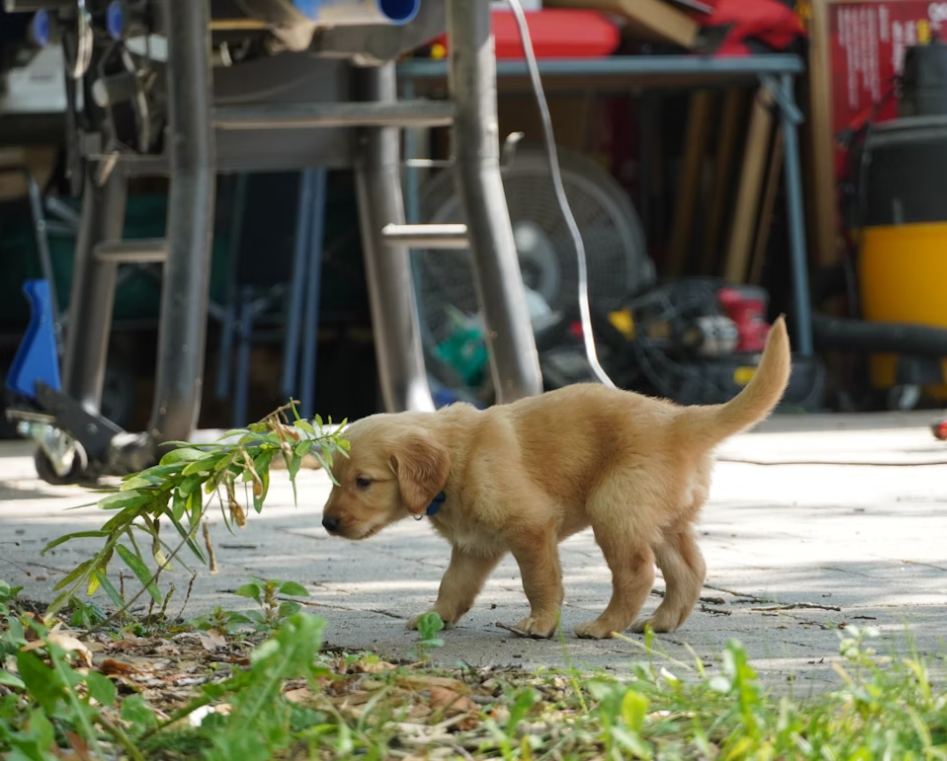
It’s one of the most common, and most exciting, questions new puppy owners ask: “How big will my puppy get?” While you can’t know the final adult size with absolute certainty, there are reliable clues, formulas, and patterns that can help you make a reasonable prediction. In this article, we’ll walk through the major factors, estimation methods, growth timelines, breed-based expectations, and caveats you need to understand.
Why Predicting Your Puppy’s Adult Size Matters
Knowing approximately how big your puppy will get isn’t just curiosity—it has practical benefits:
-
Nutrition: Puppies destined to grow large or giant need specially balanced diets for safe growth. Enlisting the services of a puppy nutritionist will help!
-
Space & Equipment: Choose appropriate crates, gates, beds, and toys based on adult size.
-
Health Monitoring: Rapid or slow growth may signal nutritional or orthopedic issues.
-
Exercise & Training: Larger breeds need gentler exercise while bones are still developing.
Factors That Influence How Big Your Puppy Will Get
-
Breed and Genetics
Purebred puppies usually fall within standard breed ranges. Mixed-breed puppies can vary widely based on parental size. -
Growth Patterns & Body Proportions
Weight measured at multiple early stages (8, 12, 16 weeks) helps predict adult size. -
Nutrition & Health
Overfeeding or underfeeding affects growth and bone health. -
Hormones & Spaying/Neutering
Early neutering can slightly affect skeletal growth. -
Sex Differences
Males often grow slightly larger than females in the same breed.

Are you finding this article useful? Would you like 100% free access to more articles like these, and free access to over 5,000 vetted pet care service professionals throughout the United States? Sign up here for a free Petworks account, and we’ll email you a 10% discount code, good towards your first pet care services booking on Petworks!
Methods to Estimate Puppy Size
-
Double at 4 Months Rule: Many small/medium breeds are roughly half their adult weight at 4 months.
-
Half-Adult Weight at Half Age: A similar multiplier method, best for small to medium breeds.
-
Growth Charts: Breed-specific charts show typical growth curves and allow projection to adult size.
-
Online Calculators: Tools like Omnicalculator or SpiritDog Training provide weight ranges based on age, weight, and breed.
 Remember: These methods provide ranges, not guarantees.
🐾 Dr. Georgia Woods-Lee, Veterinarian
“The best start in life for a puppy depends on getting the best diet; growth charts can greatly assist with this, and when used correctly can also help early identification of possible developmental problems.”
🐾 Dr. Maria Krenz, DVM
“Regular oral care and keeping a pet’s mouth healthy has been documented to add 4 years to their lifespan. Dental disease causes more than just oral pain and infection; it also impacts your pet’s organs, such as heart, liver, and kidneys.”
🐾 Dr. Laura Fontana, DVM
“Each puppy development stage comes with its own challenges. As a pet parent, giving your pups proper care, training, and nutrition helps ensure the pets become happy, healthy, and integrated into your family.”
Growth Timeline by Breed Size
| Breed Size | Growth Complete | Notes |
|---|---|---|
| Small breeds | 8–12 months | Skeletal maturity achieved early, most growth complete by 1 year |
| Medium breeds | 10–12 months | Continue filling out until 12–18 months |
| Large breeds | 14–16 months | Fill out until 18–24 months |
| Giant breeds | 18–24 months | Subtle growth can continue up to 2–3 years |
Breed-Specific Puppy Size Predictions
Here’s a practical guide for estimating how big your puppy will get by popular breeds:
1. Labrador Retriever
-
Male Adult Weight: 65–80 lbs
-
Female Adult Weight: 55–70 lbs
-
Growth Notes: Puppies at 4 months are roughly half their adult weight. Expect rapid growth between 3–6 months.
2. Golden Retriever
-
Male Adult Weight: 65–75 lbs
-
Female Adult Weight: 55–65 lbs
-
Growth Notes: Skeletal maturity around 12–14 months; slower filling from 12–18 months.
3. German Shepherd
-
Male Adult Weight: 65–90 lbs
-
Female Adult Weight: 50–70 lbs
-
Growth Notes: Large breed; growth plates close around 14–16 months.
4. French Bulldog
-
Male/Female Adult Weight: 16–28 lbs
-
Growth Notes: Small breed; usually reaches full size around 10–12 months.
5. Great Dane
-
Male Adult Weight: 140–175 lbs
-
Female Adult Weight: 110–140 lbs
-
Growth Notes: Giant breed; growth continues until 24–30 months.
6. Beagle
-
Male/Female Adult Weight: 20–30 lbs
-
Growth Notes: Small-medium breed; nearly full size by 8–10 months.
Signs to Watch While Estimating Size
-
Rapid Weight Gain: Can stress joints, especially in large breeds.
-
Stalled Growth: May indicate malnutrition or illness.
-
Disproportionate Limbs: Could hint at developmental issues.
-
Deviation from Breed Norms: Always check with your vet if your puppy is far outside typical ranges.
Tips to Monitor Puppy Growth
-
Weigh your puppy weekly or biweekly.
-
Track growth trends, not just single measurements.
-
Compare to breed-specific charts.
-
Monitor body condition score (lean muscle, coat health).
-
Consult your veterinarian if you see unusual growth patterns.
Puppy growth projection chart: Estimate how big your puppy will get by age and breed
| Breed | Puppy Age | Approx. Weight | Notes / Projected Adult Weight |
|---|---|---|---|
| Labrador Retriever (Male) | 8 weeks | 8–10 lbs | Adult: 65–80 lbs |
| 12 weeks | 16–20 lbs | Halfway to adult size | |
| 16 weeks | 28–32 lbs | Rapid growth phase | |
| 6 months | 45–50 lbs | Approaching adult proportions | |
| 12 months | 65–75 lbs | Full size | |
| Labrador Retriever (Female) | 8 weeks | 7–9 lbs | Adult: 55–70 lbs |
| 12 weeks | 14–18 lbs | Halfway to adult size | |
| 16 weeks | 25–28 lbs | Rapid growth phase | |
| 6 months | 40–45 lbs | Approaching adult proportions | |
| 12 months | 55–65 lbs | Full size | |
| Golden Retriever (Male) | 8 weeks | 9–11 lbs | Adult: 65–75 lbs |
| 12 weeks | 18–22 lbs | Halfway to adult size | |
| 16 weeks | 30–35 lbs | Rapid growth phase | |
| 6 months | 45–50 lbs | Approaching adult proportions | |
| 12 months | 65–70 lbs | Full size | |
| German Shepherd (Male) | 8 weeks | 10–12 lbs | Adult: 65–90 lbs |
| 12 weeks | 20–25 lbs | Halfway to adult size | |
| 16 weeks | 35–40 lbs | Rapid growth phase | |
| 6 months | 50–60 lbs | Approaching adult proportions | |
| 12 months | 65–80 lbs | Near full size | |
| French Bulldog | 8 weeks | 5–7 lbs | Adult: 16–28 lbs |
| 12 weeks | 8–12 lbs | Halfway to adult size | |
| 16 weeks | 12–16 lbs | Rapid growth phase | |
| 6 months | 14–20 lbs | Approaching adult proportions | |
| 12 months | 16–28 lbs | Full size | |
| Great Dane (Male) | 8 weeks | 15–20 lbs | Adult: 140–175 lbs |
| 12 weeks | 30–35 lbs | Halfway to adult size | |
| 16 weeks | 50–60 lbs | Rapid growth phase | |
| 6 months | 90–100 lbs | Approaching adult proportions | |
| 12 months | 120–140 lbs | Near full size | |
| 24 months | 140–175 lbs | Full adult size | |
| Beagle | 8 weeks | 4–5 lbs | Adult: 20–30 lbs |
| 12 weeks | 8–10 lbs | Halfway to adult size | |
| 16 weeks | 12–14 lbs | Rapid growth phase | |
| 6 months | 16–20 lbs | Approaching adult proportions | |
| 12 months | 20–30 lbs | Full size |
Puppy Growth
While you may never know with perfect accuracy how big your puppy will get, combining breed information, growth charts, early weight trends, and regular vet checkups allows you to make informed estimates. Small breeds finish faster, large and giant breeds grow longer, and individual genetics and health play a major role.
By tracking growth and using these breed-specific guidelines, you can prepare for your puppy’s adult size, ensuring they have the right diet, exercise, and living space to thrive.
About Petworks
 In 2021, Dr. Marty Goldstein DVM joined the pet care platform Petworks as an advisor in its Animal Nutrition care division. Dr Marty Nature’s Blend is on a mission to help your pets live their healthiest lives possible. Dr. Marty’s pet nutrition expertise and guidance has helped Petworks evolve and become the preeminent animal and pet nutrition consultation service for pet parents in North America.
 In 2022, Blue Buffalo Founder Bill Bishop Jr. joined Petworks as Senior Advisor in our Animal Nutrition Care Division. Bill brings his extensive expertise in pet food innovation and business leadership. His guidance helps Petworks enhance our pet nutrition service offerings, helping to ensure that pet parents throughout the world receive trusted, science-backed nutritional support for their dogs, cats, and animals.
About The Author
 Petworks Co-Founder Kevin Kinyon is a life-long animal lover who works tirelessly to improve the lives of pets and their parents. Human and animal qualities he values most are integrity, humor, and empathy.

 petworks tm