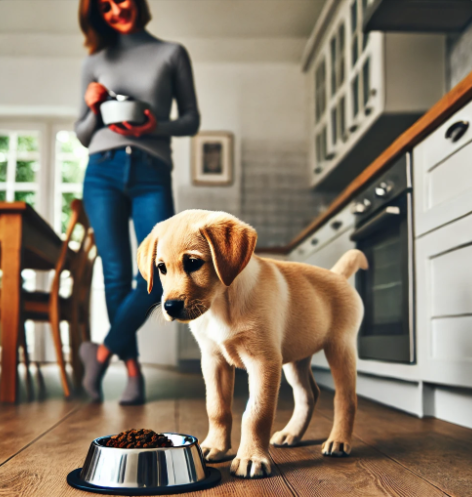
When to Switch a Puppy From Puppy Food to Adult Dog Food: A Comprehensive Guide. Transitioning your puppy from puppy food to adult dog food is a significant milestone in their development. Knowing when and how to make this switch is important for their health and well-being. My article below will guide you through the timing, signs, and best practices for transitioning your puppy to adult dog food.
Why Do Puppies Eat Puppy Food?
Puppy food is specifically formulated to meet the nutritional needs of growing dogs. It contains higher levels of calories, protein, and essential nutrients like calcium and phosphorus to support rapid growth, bone development, and a robust immune system. Feeding your puppy the right food during this stage is critical for laying the foundation for a healthy adult life.
When to Switch to Adult Dog Food
The appropriate time to transition from puppy food to adult food depends largely on your dog’s breed and size. Puppies grow at different rates, and their nutritional needs evolve as they approach adulthood.
Small Breeds
Small breeds (up to 20 pounds when fully grown) mature faster than larger breeds. Most small-breed puppies can be transitioned to adult dog food around 9-12 months of age.
Medium Breeds
Medium-sized dogs (20-50 pounds fully grown) typically reach adulthood between 12-15 months of age. Transitioning during this timeframe ensures their energy needs are met without risking excessive weight gain.
Large and Giant Breeds
Large and giant breeds (over 50 pounds fully grown) take longer to mature, sometimes up to 18-24 months. These breeds are prone to joint and bone issues, so their diet must carefully balance calories and nutrients to avoid overgrowth and associated health problems.
 Signs Your Puppy Is Ready for Adult Food
In addition to age, several signs indicate your puppy is ready for adult food:
Growth Slows Down
Puppies grow rapidly during the first six months, but their growth rate slows as they approach adulthood. If your puppy’s weight gain has steadied, they may be ready for the switch.
Reduced Appetite
A decrease in appetite can signal that your puppy no longer needs the calorie-dense formulation of puppy food.
Behavioral Maturity
As your puppy matures, they may exhibit behaviors typical of adult dogs, such as increased focus during training and longer attention spans.
Veterinarian Recommendation
Your vet can provide expert guidance on when to transition based on your puppy’s breed, size, and overall health. You can also consult with a clinical puppy nutritionist for reassurance and guidance.
How to Transition to Adult Dog Food
Switching from puppy food to adult food should be done gradually to avoid digestive upset. Follow these steps for a smooth transition:
Choose the Right Adult Food
Select a high-quality adult dog food that matches your dog’s breed, size, and activity level. Look for brands that meet the nutritional standards set by the Association of American Feed Control Officials (AAFCO).
Start Slowly
Begin by mixing a small amount of adult food with your puppy’s regular food. A typical transition schedule looks like this:
Days 1-3: 75% puppy food, 25% adult food
Days 4-6: 50% puppy food, 50% adult food
Days 7-9: 25% puppy food, 75% adult food
Day 10: 100% adult food
 “The age at which you need to change your puppy onto an adult food varies according to their size. Puppy food is designed to support growth, with carefully balanced nutrients and higher amounts of energy than adult dog foods. Smaller breeds will finish their growth at an earlier age than large or giant breeds, who may take many more months to reach their full adult size.” – Dr. Rebecca MacMillan, BVetMed
Monitor for Reactions
Watch for signs of digestive upset, such as diarrhea, vomiting, or changes in appetite. If issues arise, slow the transition and consult your veterinarian.
Adjust Portion Sizes
Adult dog food has fewer calories than puppy food, so you may need to adjust portion sizes to maintain a healthy weight. Follow feeding guidelines provided on the food packaging and monitor your dog’s body condition.
The Importance of Timing
Transitioning too early or too late can lead to nutritional imbalances. Switching too soon may deprive your puppy of essential nutrients for growth, while switching too late can contribute to excessive weight gain or joint issues.
Special Considerations
- Spaying/Neutering: Spaying or neutering can impact your dog’s metabolism and energy needs. Discuss the timing of this procedure and its implications for diet with your vet.
- Large Breed Puppies: Large breeds require careful monitoring to prevent overfeeding during the transition, as excessive weight can strain developing joints.
Maintaining a Healthy Diet Post-Transition
Once your dog has fully transitioned to adult food, maintain a balanced diet by:
- Providing Portion Control: Overfeeding can lead to obesity, so measure portions accurately.
- Ensuring Fresh Water Access: Always provide clean, fresh water alongside meals.
- Monitoring Weight and Activity: Adjust food portions based on your dog’s activity level and body condition.
Common Mistakes to Avoid
Switching Abruptly
A sudden switch can upset your dog’s digestive system. Always transition gradually over 7-10 days.
Choosing Poor-Quality Food
Opt for reputable brands with high-quality ingredients. Avoid foods with excessive fillers or artificial additives.
Overfeeding
Monitor your dog’s weight to prevent obesity, which can lead to health problems like diabetes and joint issues.
Ignoring Individual Needs
Each dog is unique. Consider factors such as activity level, health conditions, and breed-specific requirements when selecting adult food.

Are you finding this article useful? Would you like 100% free access to more articles like these, and free access to over 5,000 vetted pet care service professionals throughout the United States? Sign up here for a free Petworks account, and we’ll email you a 10% discount code, good towards your first pet care services booking on Petworks!
Consult Your Veterinarian
Your veterinarian is your best resource for personalized advice. They can help you choose the right food, establish portion sizes, and address any concerns during the transition.
FAQ: When To Switch Puppy To Dog Food
When Is The Right Age To Switch My Puppy To Adult Dog Food?
Most puppies transition to adult dog food between 9 and 12 months, but large breeds may need up to 18 months. Always check with your vet for breed-specific guidance.
How Should I Transition My Puppy To Adult Food?
Gradually mix adult food with puppy food over 7–10 days, increasing adult food each day to avoid digestive upset.
Can I Switch Too Early Or Too Late?
Switching too early may cause nutritional deficiencies, while switching too late can lead to excess weight gain. Timing depends on your puppy’s breed and growth rate.
Are There Differences Between Puppy And Adult Food?
Yes. Puppy food is higher in protein, fat, and calories to support growth, while adult food maintains healthy weight and metabolism.
Should I Consult My Vet Before Switching?
Absolutely. Your vet can recommend the best timing and food type based on your puppy’s age, breed, and health.
Switching from puppy food to adult dog food is a key step in your dog’s journey to adulthood. By understanding the timing, monitoring signs of readiness, and transitioning gradually, you can ensure a smooth and healthy shift. Always prioritize your dog’s individual needs and consult with your veterinarian to provide the best nutrition for a happy, healthy life.
About Petworks
 In 2021, Dr. Marty Goldstein DVM joined the pet care platform Petworks as an advisor in its Animal Nutrition care division. Dr Marty Nature’s Blend is on a mission to help your pets live their healthiest lives possible. Dr. Marty’s pet nutrition expertise and guidance has helped Petworks evolve and become the preeminent animal and pet nutrition consultation service for pet parents in North America.
 In 2022, Blue Buffalo Founder Bill Bishop Jr. joined Petworks as Senior Advisor in our Animal Nutrition Care Division. Bill brings his extensive expertise in pet food innovation and business leadership. His guidance helps Petworks enhance our pet nutrition service offerings, helping to ensure that pet parents throughout the world receive trusted, science-backed nutritional support for their dogs, cats, and animals.
About The Author
 Petworks Co-Founder Kevin Kinyon is a life-long animal lover who works tirelessly to improve the lives of pets and their parents. Human and animal qualities he values most are integrity, humor, and empathy.

 petworks tm