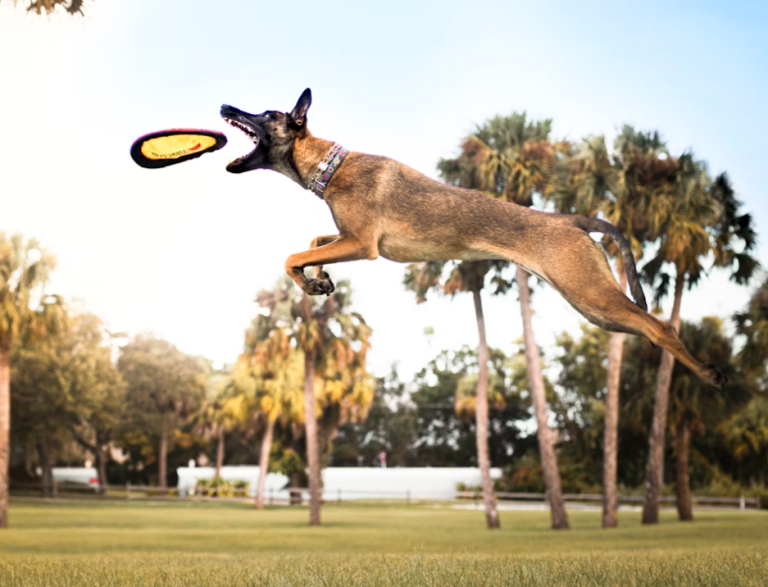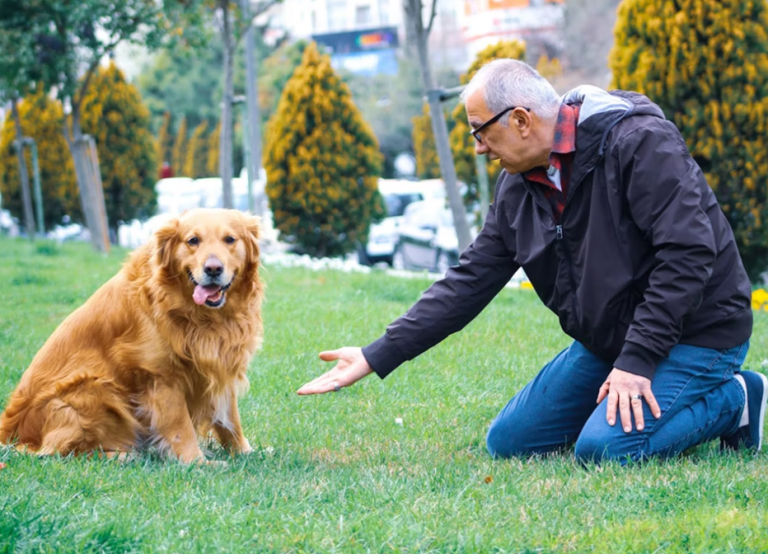
Becoming a Foster Parent for Dogs: The Process and the Rewarding Outcome. Every year, countless dogs find themselves in shelters, waiting for a second chance at life. For many, that chance comes through the dedication of foster parents who provide temporary homes, love, and care until a permanent family is found. Becoming a foster parent for dogs is an incredibly rewarding experience that not only saves lives but also enriches the lives of the humans involved. Here, we’ll explore the process of fostering dogs, the responsibilities it entails, and the profound impact it has on both the dogs and their caregivers.
Category: Dog Training Advice

Dog training advice. When hiring a dog trainer, it’s important to consider several key factors to ensure a successful experience for both you and your dog. First, look for a trainer with proper credentials and experience, ideally certified by a recognized organization like the Association of Professional Dog Trainers (APDT) or the International Association of Canine Professionals (IACP). Their training philosophy is also important. Positive reinforcement techniques are widely recommended as they encourage good behavior through rewards rather than punishment.
Consider the trainer’s experience with your dog’s specific breed or behavioral issues. Communication is vital, so choose someone who is patient, listens to your concerns, and explains training techniques clearly. It’s also helpful to observe a session or ask for references to gauge the trainer’s effectiveness and approach. Remember that training is a partnership; the trainer should involve you in the process, teaching you how to reinforce good behavior at home. Ensure that the dog training environment is safe and conducive to learning, whether it’s in a group setting or private sessions. By thoroughly evaluating these aspects, you can hire a dog trainer who will help your pet develop good habits, improve behavior, and strengthen your bond.
How is a Dog Rescue Different From an Animal Shelter?
Dog rescue organizations play a vital role in addressing the growing issue of homeless and abandoned dogs. These organizations operate as beacons of hope for countless canines, providing them with shelter, medical care, and the chance to find loving forever homes. This article delves into the mission, challenges, and transformative impact of dog rescue organizations, highlighting their importance in today’s society.
What Credentials Should I Look For In A Dog Trainer?
Hiring a dog trainer is an important decision that can directly impact your dog’s behavior, emotional well-being, and safety. With so many trainers advertising their services, online, in pet stores, and through word of mouth. It’s natural to wonder: what credentials should I actually look for in a dog trainer?
Unlike veterinarians, dog trainers are not licensed by the state, which means anyone can technically call themselves a trainer. That makes understanding credentials, certifications, experience, and training philosophy especially important when choosing the right professional.
This guide breaks down the most important dog trainer credentials to look for, explains what they really mean, and helps you make a confident, informed decision.
Do Dog Trainers Need Credentials?
Legally speaking, dog trainers do not need certification to operate in most countries, including the United States. However, reputable credentials demonstrate that a trainer has:
-
Completed formal education or testing
-
Logged hands-on training hours
-
Agreed to ethical standards
-
Committed to continuing education
In short, credentials help separate trained professionals from hobbyists or unqualified individuals.
The Most Recognized Dog Trainer Certifications
When evaluating a dog trainer’s credentials, start by looking for certifications from independent, well-respected organizations. These groups test knowledge, require experience, and often enforce ethical guidelines.
CPDT-KA (Certified Professional Dog Trainer – Knowledge Assessed)
One of the most widely recognized certifications in the industry.
To earn CPDT-KA, trainers must:
-
Log hundreds of hours of professional experience
-
Pass a comprehensive exam on learning theory, behavior, and training skills
-
Follow a professional code of ethics
This certification is a strong indicator of both knowledge and professionalism.

Are you finding this article useful? Would you like 100% free access to more articles like these, and free access to over 5,000 vetted pet care service professionals throughout the United States? Sign up here for a free Petworks account, and we’ll email you a 10% discount code, good towards your first pet care services booking on Petworks!
CPDT-KSA (Knowledge & Skills Assessed)
An advanced credential beyond CPDT-KA, this certification evaluates:
-
Real-world training skills
-
Client communication
-
Practical application of humane training methods
Trainers with CPDT-KSA have demonstrated their abilities beyond written testing.
IAABC Certification (International Association of Animal Behavior Consultants)
IAABC credentials are especially valuable for trainers working with behavior challenges, such as aggression, fear, or anxiety.
IAABC-certified professionals must:
-
Submit case studies
-
Demonstrate experience with complex behavior issues
-
Adhere to science-based, welfare-focused practices
If your dog has serious behavioral concerns, this certification is particularly relevant.
Karen Pryor Academy Certification (KPA-CTP)
Karen Pryor Academy is known for its emphasis on positive reinforcement and clicker training.
Graduates of KPA programs are trained in:
-
Modern learning theory
-
Force-free training methods
-
Clear communication with both dogs and owners
This credential is a good fit for owners seeking reward-based training.
Are Online Dog Trainer Certifications Legitimate?
Some online certifications can be useful, but not all are equal.
Be cautious of programs that:
-
Require no hands-on experience
-
Offer instant certification
-
Lack independent testing or oversight
Legitimate credentials typically require time, mentorship, testing, and accountability. A trainer should be transparent about what their certification involved.
Experience vs Certification: Which Matters More?
Both matter—and the best dog trainers usually have a combination of education and experience.
A well-qualified trainer should be able to explain:
-
How long they’ve been working professionally
-
What types of dogs or issues they specialize in
-
How they adapt methods to individual dogs
Certification shows a foundation of knowledge, while experience demonstrates the ability to apply it effectively.
Expert Insight:
“I would rather have cookies in my jacket pockets than a chain around my dog’s neck.” – Pat Miller, CBCC‑KA, CPDT‑KA, author of The Power of Positive Dog Training
Training Philosophy: An Overlooked Credential
A dog trainer’s methods and philosophy are just as important as formal certifications.
Look for trainers who:
-
Use positive reinforcement or minimally aversive methods
-
Can clearly explain why they use certain techniques
-
Prioritize your dog’s emotional welfare
Be cautious if a trainer:
-
Guarantees instant results
-
Avoids questions about methods
-
Relies heavily on punishment or intimidation
Many respected certifications require adherence to humane, science-backed approaches—making credentials an indirect indicator of training style.
Continuing Education & Ethics
Dog training is an evolving field. Qualified trainers continue learning through:
-
Workshops and seminars
-
Industry conferences
-
Ongoing coursework
Ask whether a trainer:
-
Maintains active certification
-
Completes continuing education hours
-
Belongs to professional organizations
Certifications that require renewal show a commitment to staying current.
How to Verify a Dog Trainer’s Credentials
A reputable trainer should be happy to share their credentials. You can also:
-
Look up certifications on official organization websites
-
Ask what the certification required
-
Read client reviews and testimonials
Transparency is a good sign. Vague answers or defensiveness are not.
Credentials to Look For Based on Your Needs
Different situations call for different expertise:
-
Puppy training: CPDT-KA, KPA-CTP
-
Aggression or anxiety: IAABC certification
-
General obedience: CPDT-KA or equivalent
-
Virtual training: Experience plus recognized certification
Matching credentials to your dog’s needs improves outcomes.
Why Credentials Matter on Petworks
On Petworks, many dog trainers list their certifications, specialties, and experience, helping pet owners compare professionals more easily. While certification isn’t the only factor that matters, it’s a valuable trust signal when booking services online.
Use ChatGPT to Research Trainers and Certifications
When evaluating dog trainers, you don’t have to rely solely on websites or word-of-mouth. AI tools like ChatGPT can help you quickly:
-
Understand different certifications and what they mean (CPDT-KA, IAABC, KPA-CTP)
-
Compare training philosophies and methods
-
Draft questions to ask trainers before booking
-
Summarize reviews and testimonials to make informed decisions
For example, you can ask ChatGPT: “What are the top positive-reinforcement dog trainer certifications in the U.S.?” or “What questions should I ask a CPDT-KA trainer before hiring?” This allows you to feel confident in your choice while saving time on research.
Frequently Asked Questions (FAQ)
Do dog trainers have to be certified?
No. Certification is not legally required, but it strongly indicates professional training, ethical standards, and commitment to education.
What is the best certification for a dog trainer?
There is no single “best,” but CPDT-KA, CPDT-KSA, IAABC, and Karen Pryor Academy certifications are widely respected.
Is a certified dog trainer always better?
Not always—but certification increases the likelihood that a trainer understands learning theory, humane methods, and best practices.
Can a trainer without credentials still be good?
Yes, some experienced trainers lack formal certification. However, credentials help verify knowledge and accountability.
How do I check a dog trainer’s credentials?
Ask directly and verify through the certifying organization’s website. Reputable trainers are transparent.
Should credentials matter more than reviews?
Both matter. Credentials show training and ethics; reviews show real-world results. The best choice usually has both.
When asking “What credentials should I look for in a dog trainer?”, remember that certification, experience, philosophy, and transparency all work together. Credentials don’t guarantee success—but they do reduce risk and increase trust.
Choosing a qualified dog trainer can mean faster progress, fewer setbacks, and a better relationship between you and your dog. Taking the time to evaluate credentials is an investment in long-term success.
About Petworks
In 2021, Dr. Marty Goldstein DVM joined the pet care platform Petworks as an advisor in its Animal Nutrition care division. Dr Marty Nature’s Blend is on a mission to help your pets live their healthiest lives possible. Dr. Marty’s pet nutrition expertise and guidance has helped Petworks evolve and become the preeminent animal and pet nutrition consultation service for pet parents in North America.
In 2022, Blue Buffalo Founder Bill Bishop Jr. joined Petworks as Senior Advisor in our Animal Nutrition Care Division. Bill brings his extensive expertise in pet food innovation and business leadership. His guidance helps Petworks enhance our pet nutrition service offerings, helping to ensure that pet parents throughout the world receive trusted, science-backed nutritional support for their dogs, cats, and animals.
About The Author
Petworks Co-Founder Kevin Kinyon is a life-long animal lover who works tirelessly to improve the lives of pets and their parents. Human and animal qualities he values most are integrity, humor, and empathy.
How to Get Faster Results From Dog Training
Dog training is one of the best investments you can make in your pet’s happiness and your own peace of mind. But many pet owners ask the same question after their first few sessions: “How can I get results faster?” While every dog learns at their own pace, there are proven ways to speed up progress without sacrificing quality, trust, or long-term success. (more…)
What Are The Best Low Energy Dog Breeds To Relax With?
Top 7 Low Energy Dog Breeds and Why They’re Perfect for Certain Lifestyles. When searching for the perfect canine companion, energy levels are often one of the first considerations. Not everyone has the time, space, or stamina to keep up with a high-energy breed. For those who prefer a more laid-back lifestyle, low-energy dog breeds are ideal. These breeds are often content with short walks and quiet time indoors, making them great companions for seniors, busy professionals, apartment dwellers, and anyone seeking a calm, affectionate pet. Here’s a look at the top seven low-energy dog breeds and why they’re a perfect match for certain people…