There has been a growing trend among pet parents towards holistic care and new pet care wellness services for their beloved dogs and cats. While traditional veterinary care remains essential for maintaining pet health, many pet parents are recognizing the benefits of incorporating additional practices into their pets’ wellness routines. Let us explore why pet parents should seek additional wellness and pet health care in addition to regular veterinary checkups, emphasizing the importance of a comprehensive approach to pet health and wellbeing. (more…)
Category: Animal Nutrition Health Guide

Animal nutrition guide. A clinical animal nutritionist plays in important role in enhancing the overall health and wellness of dogs and cats by creating customized diet plans tailored to the specific needs of each pet. These experts understand that every animal has unique nutritional requirements based on factors such as age, breed, health conditions, and lifestyle. By assessing these variables, a clinical animal nutritionist can formulate a balanced and nutrient-rich diet. And this addresses any existing health issues, prevents future problems, and promotes optimal well-being. For instance, a nutritionist may recommend a diet low in carbohydrates and high in protein for overweight dogs. This helps dogs shed excess weight and reduce the risk of related conditions like diabetes and joint issues. For cats with kidney disease, a nutritionist might design a diet with reduced phosphorus levels to slow the progression of the disease and improve the cat’s quality of life.
Clinical animal nutrition professionals can identify and eliminate allergens from a pet’s diet. This reduces symptoms such as itching, digestive upset, and inflammation. Beyond addressing specific health concerns, a clinical animal nutritionist also focuses on preventive care. This ensures that pets receive the right balance of vitamins, minerals, and other essential nutrients to maintain strong immune systems, healthy coats, and overall vitality. Through personalized diet plans, a clinical animal nutritionist improves a pet’s immediate health. And this also enhances an animal’s long-term wellness. Leading to a happier and more vibrant life.
Natural Animal Nutrition for Cats and Dogs
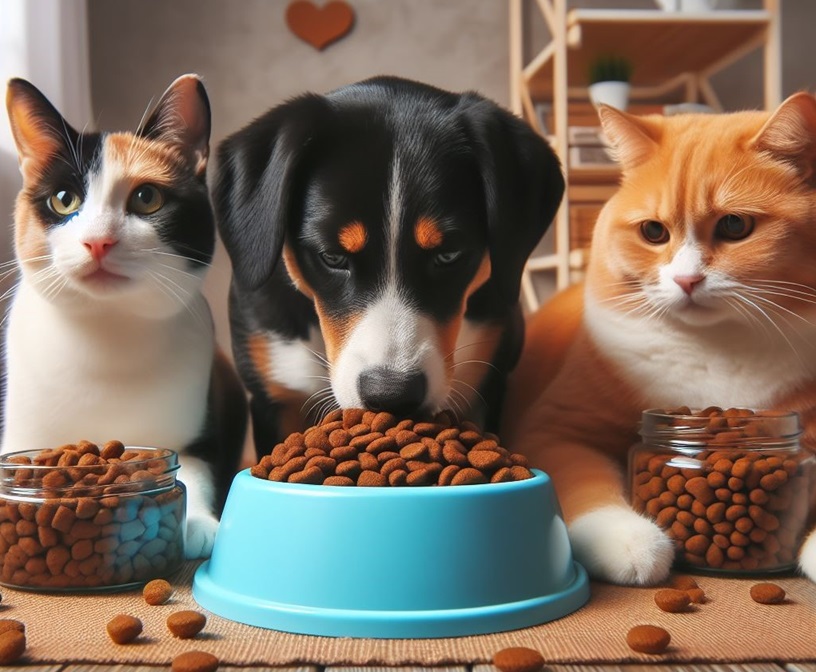
Proper nutrition is the cornerstone of good health, not just for humans but also for our beloved pets. Cats and dogs, being the most common companions in households worldwide, rely on their owners to provide them with the essential nutrients they need to thrive. Just like humans, animals require a balanced diet to maintain optimal health, energy levels, and longevity. In this article, we delve into the benefits of proper animal nutrition, focusing particularly on cats and dogs. (more…)
Nutrition Tips When Adopting a New Puppy or Kitten
Let’s talk pet nutrition. When adopting a new pet, it’s important to start them off on the right foot at their new forever home. Things like feeding a healthy diet, getting necessary veterinary care, and proper socialization and training are all important steps to help create a longer, healthier, happier life for your new family member. (more…)
How Much Do Americans Spend on Pet Nutrition?

In recent years, American pet parents have gone beyond providing basic care for their dogs and cats. One of the fastest-growing areas in pet wellness is pet nutrition, and with it comes a rise in demand for pet dietitians and animal nutritionists. While data about exactly how much is spent on pet dietitians each year is limited, spending across the broader pet wellness industry, including supplements and premium foods, offers a glimpse into a growing trend. Pet parents are more concerned than ever about providing science-backed, personalized nutrition plans for their beloved animals. (more…)
How To Become An Animal Nutritionist
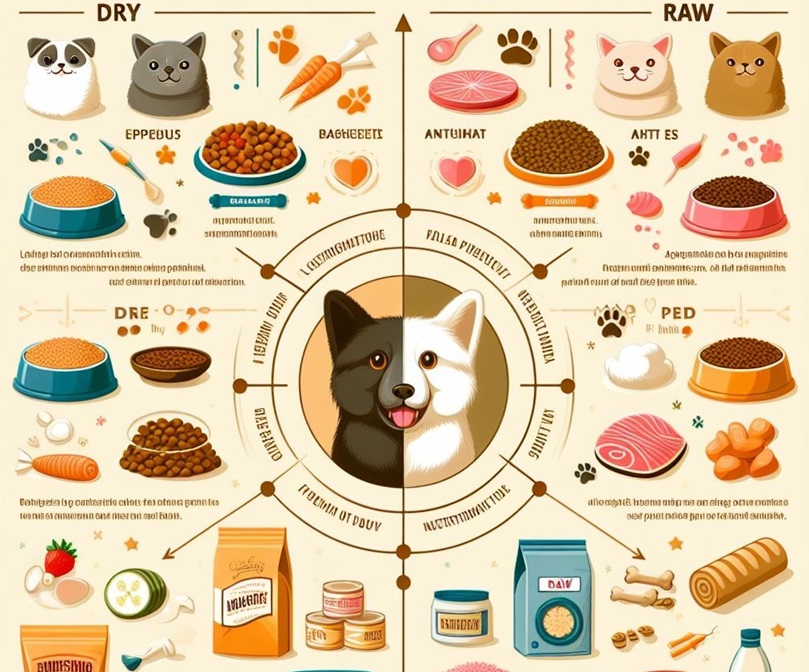
If you’re passionate about pursuing a career as an animal nutritionist, here are some key essential steps you should follow: First, obtain an undergraduate degree. Most animal nutritionists and clinical pet nutritionists hold a bachelor’s degree, preferably in animal nutrition or a related scientific field. During your undergraduate studies, you’ll delve into coursework – covering topics such as chemistry, animal nutrition, mathematics, animal science, ration formulation, anatomy and physiology, and animal husbandry. Consider minoring or double majoring in advanced disciplines like biochemistry or biology to enhance your skill set and knowledge base.
Gain practical experience
Employers often seek candidates with hands-on experience in animal nutrition. Look for internships or apprenticeships while pursuing your undergraduate degree to gain valuable experience in the field. Many opportunities for internships are available at zoos and veterinary offices, where you can work under the guidance of board-certified veterinarians or nutritionists. These experiences can pave the way for future employment opportunities.
Consider pursuing an advanced degree
If you aspire to teach at the college level or conduct research in the field of animal nutrition, you may want to pursue a master’s degree or a Ph.D. in a relevant discipline. Some employers, particularly those with animals requiring specialized care, may prefer candidates with a master’s degree in animal science or a related field. Advanced degrees provide opportunities to develop advanced laboratory skills and specialize in specific areas of animal nutrition.

Did you find this article useful? Would you like 100% free access to more articles like these, and free access to over 5,000 vetted pet care service professionals throughout the United States? Sign up here for a free Petworks account, and take 10% off your first booking, on us!
Obtain certifications
Once you’ve completed your education and gained sufficient experience, pursue certifications that are relevant to your desired career path. For those aiming to work as clinical animal nutritionists in veterinary settings, obtaining credentials from organizations such as the American College of Veterinary Nutrition (ACVN) is beneficial. This certification typically requires completion of veterinary school and residency. Alternatively, the Academy of Veterinary Nutrition Technicians (AVNT) offers certification options for experienced professionals who have been working in the field for at least three years. By following these steps and continually seeking opportunities for learning and professional development, you can embark on a rewarding career as an animal nutritionist and make a positive impact on the health and well-being of animals.
 “At Petworks, we believe that optimal animal nutrition isn’t just about feeding pets. It’s about fueling their health, longevity, and happiness. Proper nutrition is the foundation of preventative care, and when we nourish our pets with intention, we’re giving them the best chance to thrive as cherished members of our families.” – Kevin Kinyon, Co-Founder, Petworks.
Join a marketplace platform and get paid to consult with pet parents
Animal nutritionists and clinical pet nutritionists can apply to join pet care marketplace platforms like Petworks.com, and secure bookings with pet parents for online consultations. Creating a detailed profile showcasing your expertise and qualifications in animal nutrition will help you start to get hired by pet parents who need help creating customized nutrition and wellness plans for their beloved pet dogs and cats.
About Petworks
 In 2021, Dr. Marty Goldstein DVM joined the pet care platform Petworks as an advisor in its Animal Nutrition care division. Dr Marty Nature’s Blend is on a mission to help your pets live their healthiest lives possible. Dr. Marty’s pet nutrition expertise and guidance has helped Petworks evolve and become the preeminent animal and pet nutrition consultation service for pet parents in North America.
 In 2022, Blue Buffalo Founder Bill Bishop Jr. joined Petworks as Senior Advisor in our Animal Nutrition Care Division. Bill brings his extensive expertise in pet food innovation and business leadership. His guidance helps Petworks enhance our pet nutrition service offerings, helping to ensure that pet parents throughout the world receive trusted, science-backed nutritional support for their dogs, cats, and animals.
About The Author
 Petworks Co-Founder Kevin Kinyon is a life-long animal lover who works tirelessly to improve the lives of pets and their parents. Human and animal qualities he values most are integrity, humor, and empathy.

 petworks tm