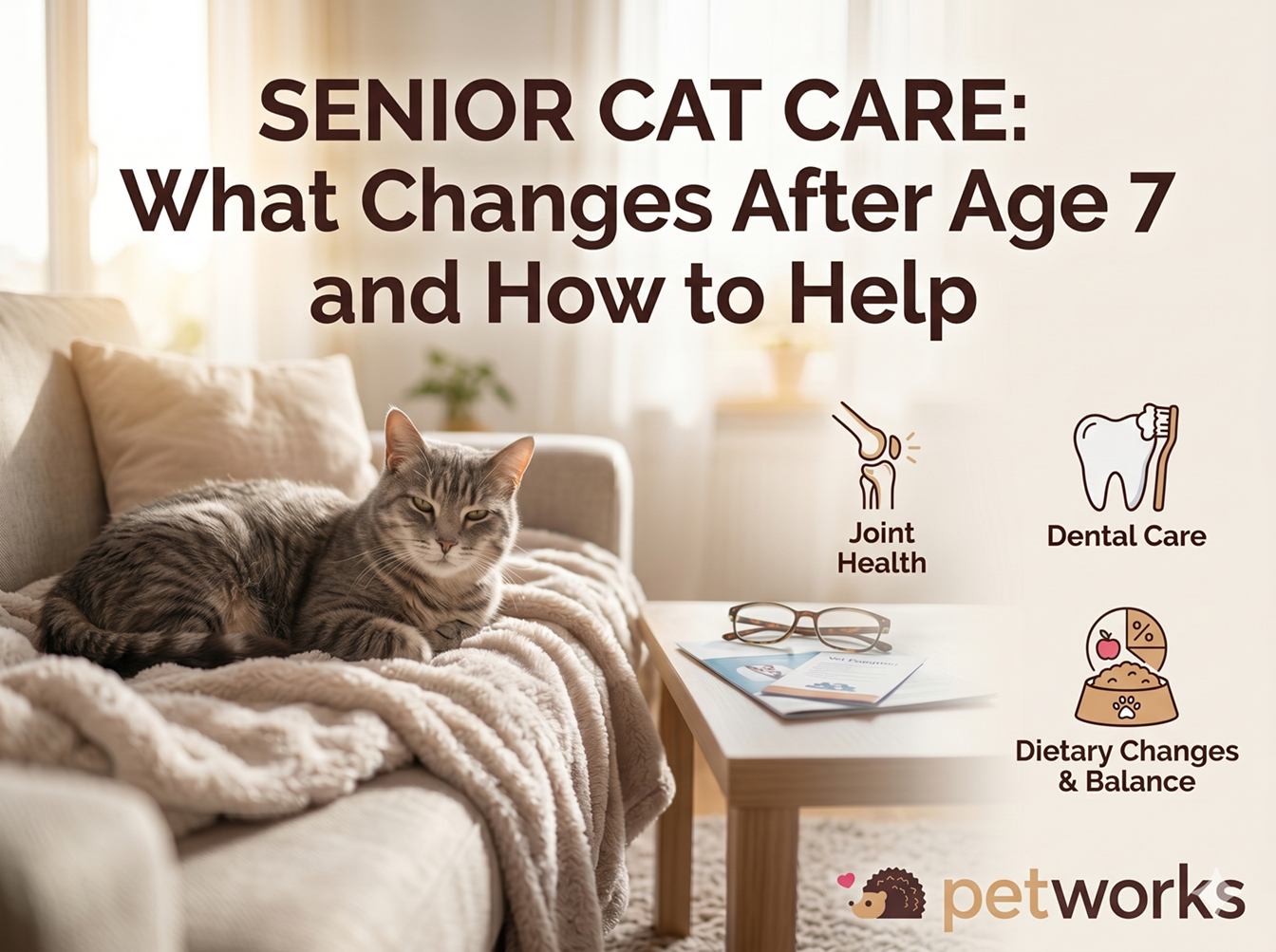
Most cat parents are caught off guard by how gradually it happens. The cat who used to sprint down the hallway now takes the stairs more slowly. The one who once demanded breakfast at 5am sleeps through the morning. The coat that was always glossy has gotten a little dull. It is easy to write these shifts off as personality or just getting older. However, they are often signals worth closer attention.
Cats are generally considered seniors starting at age 7, and geriatric from around 11 onward. Those categories matter because the health risks, nutritional needs, and behavioral patterns that define a cat’s life change meaningfully across that window. Understanding what to expect and what to watch for is one of the most valuable things a cat parent can do for an aging cat.
🐱 How Cat Aging Actually Works
The old “one cat year equals seven human years” rule is inaccurate. This misconception leads many owners to underestimate how quickly cats age. In reality, a 7-year-old cat is roughly 44 in human years, a 10-year-old cat is closer to 56, and a 15-year-old cat is well into their 70s.
What this means practically is that the window between early senior and geriatric is not as long as it can feel. A cat who seems fine at 9 can develop significant health changes by 12 or 13. Start proactive senior care early, typically around age 7. This gives you more time to catch developing conditions before they become serious. It also helps you build habits that support long-term quality of life.
🩺 Health Changes to Watch For After Age 7
The conditions that affect senior cats most commonly are not random. Several have well-established patterns that make them reasonably predictable, which means they are also reasonably manageable when caught early.
Kidney disease is the most prevalent health condition in older cats. It is estimated that more than 30 percent of cats over 10 years old have some degree of chronic kidney disease. Early signs include increased thirst and urination, weight loss, reduced appetite, and occasional vomiting. Because cats compensate well, these signs often do not become obvious until kidney function has already declined significantly. Annual bloodwork starting at age 7 gives a veterinarian the ability to catch early kidney markers before clinical symptoms appear.
Hyperthyroidism, caused by an overactive thyroid gland, is extremely common in cats over 10. It accelerates the metabolism. This causes weight loss despite a strong or even ravenous appetite. It also leads to hyperactivity, a rough coat, and increased vocalization. It is very treatable when diagnosed, with options including medication, radioactive iodine therapy, and dietary management.
Dental disease affects the majority of cats by middle age and worsens progressively into the senior years. Painful teeth and gums reduce food intake, contribute to weight loss, and are a source of chronic low-grade infection that can affect organ health over time. Many senior cats who seem to have reduced appetite are actually managing dental pain. A dental evaluation is a worthwhile part of any senior wellness visit.
Arthritis In Senior Cats
Arthritis is significantly underdiagnosed in cats because cats hide pain effectively and their symptoms do not always look like what people expect. Rather than limping, an arthritic cat may stop jumping to high surfaces, hesitate before using stairs, resist touch along the spine or hindquarters, or spend more time in one spot. Mobility changes in a senior cat are worth raising with a veterinarian even when the cat does not appear to be in obvious distress.
Diabetes, high blood pressure, inflammatory bowel disease, and cognitive dysfunction are additional conditions that become meaningfully more common after age 7. The common thread across all of them is that earlier detection leads to better management and slower progression.

Are you finding this article useful? Would you like 100% free access to more articles like these, and free access to over 5,000 vetted pet care service professionals throughout the United States? Sign up here for a free PetWorks account, and we’ll email you a 10% discount code, good towards your first pet care services booking on PetWorks!
🍽️ How a Senior Cat’s Nutritional Needs Change
Diet is one of the most direct levers cat parents have for supporting a senior cat’s health, and it is also one of the areas where generic advice falls shortest. Senior cats are not a uniform group. A healthy, active 8-year-old has different needs than a 13-year-old with early kidney disease and muscle wasting. What a cat eats should reflect their specific condition, not just their age bracket.
That said, there are some consistent patterns worth understanding. Protein needs in senior cats are often higher than in younger adults, not lower. Aging reduces the efficiency with which cats digest and absorb protein, which means a senior cat may need more dietary protein to maintain the same muscle mass. Many commercial senior cat foods reduce protein in anticipation of kidney disease, which is appropriate for cats who have a confirmed kidney diagnosis but can accelerate muscle loss in healthy seniors. Unless kidney disease affects your cat, a high-protein senior formula or a quality adult formula often fits better than a standard senior food.
Hydration becomes more critical with age. Senior cats are at higher risk for kidney disease and urinary issues, and their already-low thirst drive does not increase with age. Wet food, broths, and water fountains are all useful tools for keeping an older cat adequately hydrated.
Watch The Weight
Weight management cuts in both directions for seniors. Some gain weight due to reduced activity and a slowing metabolism. Others lose weight due to muscle wasting, dental pain, reduced digestive efficiency, or underlying disease. Both trajectories carry real health consequences. Both benefit from a feeding plan built around that specific cat rather than a general guideline.
A certified cat nutritionist is one of the most practical resources for senior cat diet questions, particularly when a health condition is involved. Navigating the tension between muscle maintenance, organ support, and palatability in an aging cat is exactly the kind of individualized problem a cat nutritionist is trained to solve.
🧠 Behavior Changes in Senior Cats
Behavioral shifts in older cats are common and often meaningful. Some reflect normal aging. Others are symptoms of underlying medical conditions. Telling the difference requires paying attention to the pattern and the context.
Increased vocalization, particularly at night, is one of the most frequently reported changes in senior cats. It can reflect cognitive dysfunction, hearing loss, hyperthyroidism, high blood pressure, or pain. A cat who suddenly becomes more vocal after years of being quiet is worth a veterinary evaluation rather than an assumption that it is simply a personality shift.
Reduced grooming is another common senior change. Older cats may groom less due to arthritis that makes reaching certain areas painful, dental disease that makes the tongue sensitive, or general fatigue. A coat that has become dull, matted, or unkempt in a cat who was previously well-groomed is a signal worth noting.
Litter box changes, whether avoiding the box, missing the edges, or eliminating more frequently, can reflect kidney disease, diabetes, arthritis making entry and exit difficult, or cognitive decline. Any change in litter box behavior in a senior cat deserves attention rather than frustration.
Cognitive dysfunction syndrome, sometimes called feline dementia, affects a meaningful percentage of cats over 15 and a smaller but real percentage starting as early as 11. Signs include disorientation, getting stuck in corners, forgetting familiar routines, reduced interaction, and disrupted sleep cycles. It is not reversible, but it is manageable, and a certified cat behaviorist can help cat parents develop environmental strategies and routines that reduce confusion and support quality of life for a cognitively affected cat.
🏡 Setting Up Your Home for a Senior Cat
Small environmental changes can make a meaningful difference in a senior cat’s daily comfort and independence. High-sided litter boxes that were fine at age 3 can become difficult to navigate for a cat with arthritis at age 12. Lowering entry points or switching to a box with a cutout entry reduces the barrier significantly.
Floor-level food and water stations are easier for cats with joint stiffness than raised feeders. However, the opposite is sometimes true for cats with neck or spine issues.
You can also improve a senior cat’s quality of life with simple, easy-to-overlook changes. Provide soft, warm bedding in accessible locations. Add ramps or steps to favorite perches that are now hard to reach. Finally, maintain a consistent daily routine to reduce stress.
Litter box placement matters more for seniors than for younger cats. A box on every floor of a multi-story home, and boxes placed in quiet low-traffic locations, reduces the likelihood of accidents related to mobility or urgency that comes with age-related conditions.
❤️ Planning for the Later Stages
Caring for a senior cat also means thinking ahead in ways that can be uncomfortable but matter. Knowing what signs indicate a significant decline in quality of life, understanding what palliative and end-of-life options are available, and having a relationship with a veterinarian you trust makes those decisions less overwhelming when the time comes.
In-home pet euthanasia is an option that many cat parents find profoundly meaningful when it becomes relevant. The ability to say goodbye in a familiar, quiet environment rather than a clinical setting is something many families wish they had known was available sooner.
The earlier years of senior cat care are not about preparing for the end. They are about building the awareness and habits that give your cat the best possible quality of life through their senior and geriatric years. Most cats who receive attentive senior care live comfortably and happily well into their teens.
❓ Senior Cat Care: Frequently Asked Questions
What age is considered senior for a cat?
Cats are generally considered seniors starting at age 7. From around age 11 onward they are classified as geriatric. These categories matter because health risks, nutritional needs, and behavioral patterns shift meaningfully across that window. Starting proactive care at age 7 gives cat parents the best chance to catch developing conditions early.
How often should a senior cat see the vet?
Most veterinarians recommend twice-yearly wellness visits for cats over 7, compared to once a year for younger adults. Senior cats can develop and progress through health conditions quickly, and biannual visits that include bloodwork and urinalysis give the best chance of early detection for conditions like kidney disease, hyperthyroidism, and diabetes.
What should I feed my senior cat?
Senior cats generally need high-quality animal protein, adequate hydration through wet food or broths, and a caloric intake calibrated to their specific weight and activity level. The right diet depends heavily on whether a health condition is present. A cat with kidney disease has very different dietary needs than a healthy 8-year-old. A certified cat nutritionist can build a plan specific to your cat rather than relying on generic senior food guidelines.
More FAQS about Senior Cats
Why is my senior cat losing weight?
Weight loss in older cats is one of the most common signs that something needs attention. The most frequent causes are hyperthyroidism, chronic kidney disease, dental pain, diabetes, and inflammatory bowel disease. If your cat loses weight while eating normally, a veterinarian should evaluate them; once you identify any underlying condition, a cat nutritionist should review their diet.
Why does my senior cat yowl at night?
Cognitive dysfunction, hearing loss, hyperthyroidism, high blood pressure, or pain often cause nighttime vocalization in older cats. It is rarely just a behavioral quirk when it starts in a cat who was previously quiet. Start with a veterinary evaluation. If a cognitive or anxiety component is involved, a certified cat behaviorist can help develop management strategies.
Can arthritis affect cats?
Yes, and it is significantly underdiagnosed because cats hide pain well and their symptoms are subtle. An arthritic cat may stop jumping to high surfaces. They may hesitate on stairs or avoid being touched along the back or hindquarters. Some simply become less active overall. Any of these changes in a senior cat are worth raising with a veterinarian, even when the cat does not appear to be limping or in obvious distress.
What is feline cognitive dysfunction?
Feline cognitive dysfunction is a neurological condition similar to dementia in humans. It affects a meaningful percentage of cats over 15 and can begin as early as age 11.
Cognitive decline causes senior cats to become disoriented, get stuck in corners, and forget familiar routines. Affected cats also interact less and suffer from disrupted sleep.
The condition is not reversible, but it is manageable. Environmental adjustments guided by a certified cat behaviorist can meaningfully reduce confusion and improve daily quality of life.
How do I know if my senior cat is in pain?
Cats rarely vocalize pain directly. More common signs include reduced grooming and changes in posture. A cat in pain may also show reluctance to jump or climb, decreased appetite, or withdrawal from interaction. Subtle facial changes such as a tightened brow or half-closed eyes can also indicate discomfort. If your senior cat noticeably shifts their behavior or activity level, consider pain as a factor and discuss it with a veterinarian.
🔍 Getting Support Through PetWorks
Veterinarians and feline specialists like Dr. Marty Goldstein DVM, trusted by Oprah and Blue Buffalo Founder Bill Bishop Jr., have long emphasized that senior cat care is not a single conversation but an ongoing practice. The PetWorks pet care marketplace connects cat parents with certified professionals across the full range of senior cat needs, from cat nutritionists who build age-specific diet plans to cat behaviorists who help manage cognitive and behavioral shifts as cats age.
If your cat is 7 or older and you have not yet had a senior care conversation, now is the right time to start.
About PetWorks
 In 2021, Dr. Marty Goldstein DVM joined the pet care platform PetWorks as an advisor in its Animal Nutrition care division. Dr Marty Nature’s Blend is on a mission to help your pets live their healthiest lives possible. Dr. Marty’s expertise in pet nutrition has helped PetWorks grow. Today, we are North America’s leading animal nutrition consultation service. We are proud to help pet parents everywhere give their animals the best care possible.
 In 2022, Blue Buffalo Founder Bill Bishop Jr. joined PetWorks as Senior Advisor in our Animal Nutrition Care Division. Bill brings his extensive expertise in pet food innovation and business leadership. His guidance helps PetWorks enhance our pet nutrition service offerings. This ensures that pet parents throughout the world receive trusted, science-backed nutritional support. Coverage includes dogs, cats, and a wide range of other animals.
About The Author
 PetWorks Co-Founder Kevin Kinyon is a life-long animal lover who works tirelessly to improve the lives of pets and their parents. Human and animal qualities he values most are integrity, humor, and empathy.

 petworks tm