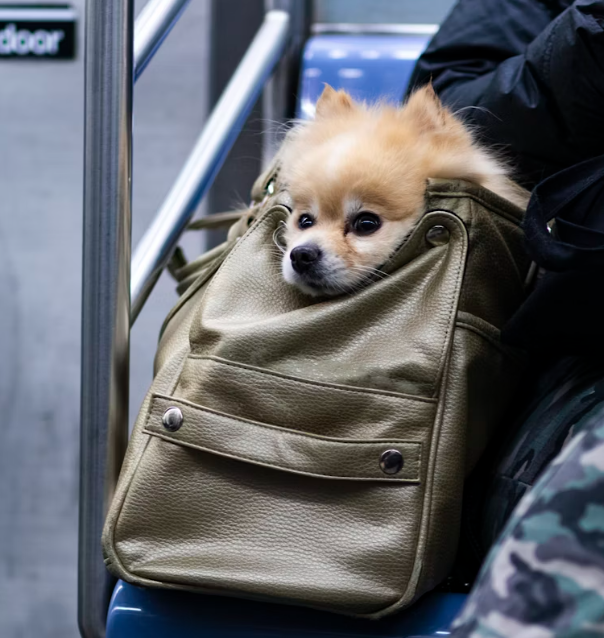
Whether you’re moving across town, relocating to a new state, or traveling for vacation, ensuring your pet’s safety during transportation is crucial. Dogs, cats, and other animals can experience stress, anxiety, and even health risks if not transported properly. By following a detailed pet transportation safety checklist, you can make sure your furry family member arrives happy, healthy, and ready to enjoy the journey with you.
1. Choose the Right Mode of Transport
The first step in safe pet transportation is deciding how your pet will travel. Options include car, plane, train, or professional pet transport services. Each mode has unique considerations:
-
Car Travel: Ideal for short to medium distances. Pets should ride in secured carriers or harnesses, with frequent stops for exercise, water, and bathroom breaks.
-
Air Travel: Often necessary for long-distance relocation. Some pets may fly in the cabin if small enough, while larger pets travel in the cargo hold. Always choose airlines with strong safety records and pet-friendly policies.
-
Professional Pet Transport: A trusted pet transportation service, like a flight nanny or door-to-door pet mover, can provide a stress-free and safe experience for pets, especially for long-distance travel.
 Choosing the right method ensures your pet’s comfort and reduces the risk of injury or anxiety during transit.
2. Prepare Your Pet Early
Preparation is key to reducing stress and ensuring safety. Start weeks before the trip:
-
Health Check: Schedule a vet visit to confirm your pet is healthy for travel. Update vaccinations and obtain a health certificate if required, especially for air travel.
-
Acclimate to the Carrier: Introduce your pet to its travel carrier or crate in advance. Encourage them to explore it with treats, toys, and comfortable bedding to create a positive association.
-
Exercise and Feeding: Avoid feeding your pet immediately before travel. A light meal a few hours before the trip helps prevent motion sickness. Ensure your pet gets adequate exercise to reduce anxiety and restlessness.
A well-prepared pet is calmer, safer, and more comfortable during transportation.
3. Use the Right Carrier or Crate
A properly sized, sturdy carrier is essential for pet safety. Consider these guidelines:
-
Size: Your pet should have enough room to stand, turn around, and lie down comfortably.
-
Ventilation: Ensure adequate airflow on all sides of the carrier. Proper ventilation helps prevent overheating and stress.
-
Security: Check that doors and latches are secure to prevent accidental escape. Reinforced carriers are especially important for air travel.
-
Comfort: Add familiar bedding, a favorite toy, and absorbent pads to make the journey more pleasant.
For car travel, a harness or seatbelt designed for pets can also provide extra security and prevent injury during sudden stops.

Are you finding this article useful? Would you like 100% free access to more articles like these, and free access to over 5,000 vetted pet care service professionals throughout the United States? Sign up here for a free Petworks account, and we’ll email you a 10% discount code, good towards your first pet care services booking on Petworks!
4. Identification and Documentation
Pets must be easily identifiable and have the proper documentation for a smooth journey:
-
ID Tags: Ensure your pet wears a collar with a current ID tag, including your name, phone number, and address.
-
Microchip: A microchip provides a permanent form of identification, increasing the chances of reunification if your pet gets lost.
-
Health Certificates: Required for air travel and some long-distance moves. These documents verify your pet’s vaccinations and overall health.
-
Travel Permits: Certain destinations may require additional permits or vaccination records, so check local regulations in advance.
Proper identification is a critical safety step, especially for pets traveling by plane or professional transport services.
5. Plan for Food, Water, and Bathroom Breaks
Pets need regular access to food, water, and bathroom breaks during transport:
-
Hydration: Bring fresh water and a portable bowl. For long trips, consider a spill-proof water bottle or bowl designed for travel.
-
Food: Offer small meals at intervals, particularly if your pet is prone to motion sickness. Avoid feeding immediately before travel to reduce nausea.
-
Bathroom Breaks: Schedule stops every 2-3 hours for dogs during car travel. For cats, a portable litter box or scheduled pre-trip bathroom break works well.
Proper nourishment and hydration reduce stress and ensure your pet remains comfortable and healthy throughout the journey.
6. Maintain a Calm Environment
Pets are sensitive to their surroundings. Creating a calm, secure environment helps prevent stress-related behaviors:
-
Familiar Scents: Include a blanket, towel, or toy with your scent to provide comfort.
-
Minimize Noise: Avoid loud music or sudden noises, especially for anxious pets.
-
Temperature Control: Ensure the vehicle or transport area is adequately ventilated and climate-controlled to prevent overheating or chilling.
-
Quiet Travel: For pets prone to anxiety, speak softly and offer reassurance during stops and boarding.
A calm environment helps your pet stay relaxed, reducing the risk of stress-induced health issues.
7. Monitor Health and Behavior
During transport, closely monitor your pet for signs of stress or illness:
-
Signs of Anxiety: Panting, trembling, excessive drooling, whining, or pacing may indicate discomfort.
-
Motion Sickness: Vomiting or drooling can be signs of motion sickness. Consult your vet beforehand about motion sickness remedies or medications if necessary.
-
Dehydration: Check for dry gums, sunken eyes, or lethargy, which can indicate dehydration. Offer water frequently.
If any concerning symptoms arise, pause the journey safely or contact a vet for advice. Professional pet transport services are trained to recognize and manage these situations.
8. Choose Professional Help When Needed
For long-distance or complex moves, hiring a professional pet transport service can provide peace of mind:
-
Flight Nannies: Experienced pet flight attendants travel with your pet in-cabin or supervise them during cargo transport, ensuring safety and comfort.
-
Door-to-Door Services: Many services offer pickup and delivery directly to your home, reducing stress and handling risk.
-
Specialized Handling: Professionals are trained to accommodate medical needs, senior pets, or anxious animals, ensuring a smooth journey.
Professional services are especially valuable for air travel, international relocations, or when pet parents cannot accompany their animals.
9. Post-Travel Care
Arrival is not the end of your pet transportation checklist. Post-travel care ensures your pet adjusts safely:
-
Observation: Monitor your pet for signs of stress, fatigue, or digestive upset.
-
Hydration and Food: Offer fresh water and a light meal after travel. Avoid overfeeding immediately after a long trip.
-
Exercise and Comfort: Allow pets to stretch, explore, and relieve themselves. Create a quiet space with familiar bedding to help them settle.
-
Veterinary Check: For long journeys or particularly anxious pets, a post-travel vet check can ensure they remain healthy.
Proper post-travel care helps your pet transition smoothly and recover from any travel-related stress.
10. Extra Tips for Stress-Free Travel
-
Practice Short Trips: Acclimate pets to travel gradually by taking short car rides before longer trips.
-
Avoid Sedatives Without Vet Approval: Some sedatives can cause complications during travel; consult your vet before use.
-
Keep Emergency Contacts: Have your vet’s contact info and local emergency numbers handy.
-
Travel Insurance: Consider pet travel insurance for added protection, especially for long-distance moves.
Small steps like these can make a significant difference in keeping pets calm and safe.
Safe pet transportation requires careful planning, preparation, and attention to detail. From choosing the right mode of transport and carrier to monitoring health, hydration, and stress levels, every step contributes to a safe and happy journey. Whether traveling by car, plane, or using a professional pet transport service like a flight nanny, following this pet transportation safety checklist ensures your furry family member arrives healthy, comfortable, and ready to enjoy their new destination.
By prioritizing safety, preparation, and comfort, you can travel confidently, knowing your pet is in good hands. A little planning goes a long way toward stress-free, safe, and enjoyable travel for both you and your pet.
About Petworks
 In 2021, Dr. Marty Goldstein DVM joined the pet care platform Petworks as an advisor in its Animal Nutrition care division. Dr Marty Nature’s Blend is on a mission to help your pets live their healthiest lives possible. Dr. Marty’s pet nutrition expertise and guidance has helped Petworks evolve and become the preeminent animal and pet nutrition consultation service for pet parents in North America.
 In 2022, Blue Buffalo Founder Bill Bishop Jr. joined Petworks as Senior Advisor in our Animal Nutrition Care Division. Bill brings his extensive expertise in pet food innovation and business leadership. His guidance helps Petworks enhance our pet nutrition service offerings, helping to ensure that pet parents throughout the world receive trusted, science-backed nutritional support for their dogs, cats, and animals.
About The Author
 Petworks Co-Founder Kevin Kinyon is a life-long animal lover who works tirelessly to improve the lives of pets and their parents. Human and animal qualities he values most are integrity, humor, and empathy.

 petworks tm