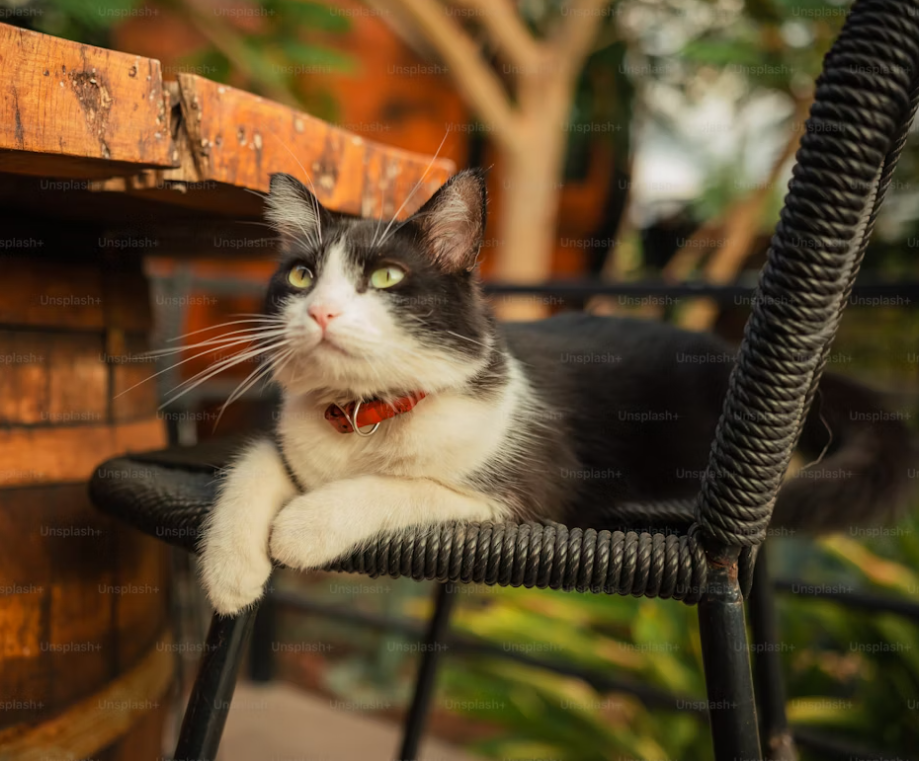
Should I let my cat outside? Many cat parents face a familiar dilemma: should I let my cat explore the great outdoors, or keep them safely inside? Cats are curious, agile, and natural hunters — and the outdoors can seem like the perfect playground. But it also comes with real risks. In this article, we’ll explore the pros and cons of letting your cat roam outdoors, how to keep outdoor cats safer, and how to give indoor cats the stimulation they crave without ever setting a paw outside.
The Case for Letting Cats Go Outdoors
Let’s start with the benefits. Cats evolved as outdoor animals, and many behaviors — like climbing, hunting, and exploring — are deeply instinctual. Outdoor access can help satisfy these needs.
1. Exercise and Mental Stimulation
Outdoor cats get more physical activity than indoor cats. They climb, chase, stalk, and roam, which helps maintain a healthy weight and muscle tone. The variety of sights, sounds, and smells also provides mental enrichment that can reduce boredom-related behaviors like scratching furniture or overgrooming.
2. Natural Hunting and Exploration
The outdoors allows cats to express their natural instincts. Hunting small insects, chasing leaves, or stalking birds engages their senses and provides satisfaction that indoor play sometimes can’t fully replicate.
3. Reduced Behavioral Problems
Some cat parents notice fewer behavioral issues — such as aggression or destructive scratching — when their cats have outdoor time. Exploring the world gives cats a positive outlet for their energy.
4. Sunlight and Fresh Air
Just like people, cats benefit from moderate exposure to natural sunlight, which helps regulate their circadian rhythm and boosts mood. Fresh air and a changing environment can also help relieve stress.
The Case Against Outdoor Freedom
Despite these benefits, outdoor life is far more dangerous for cats than most people realize.
1. Cars and Traffic
One of the biggest risks to outdoor cats is traffic. Even cautious cats can misjudge a moving car, and outdoor cats are frequently injured or killed by vehicles.
According to the American Veterinary Medical Association (AVMA), outdoor cats face a significantly shorter average lifespan — often just 2 to 5 years, compared to 10 to 15 years for indoor-only cats.
2. Predators and Other Animals
Outdoor cats may encounter dogs, coyotes, or other wildlife. Even territorial fights with other cats can lead to serious injuries, abscesses, or infections.
3. Disease and Parasites
Outdoor cats are at higher risk for diseases such as feline leukemia virus (FeLV), feline immunodeficiency virus (FIV), and parasites like fleas, ticks, and intestinal worms. Even vaccinated cats can contract some illnesses through contact with infected animals or contaminated soil.
4. Toxins and Poisons
Outdoor cats can accidentally ingest antifreeze, rodenticides, pesticides, or toxic plants. These substances can be fatal even in small doses.
5. Getting Lost or Stolen
Curious cats can wander too far, get trapped in sheds or garages, or be taken by well-meaning strangers who assume they’re strays.
6. Environmental Impact
Free-roaming cats are estimated to kill billions of birds and small mammals each year in the U.S. alone. This predation can disrupt local wildlife populations and ecosystems.
 Should I Let My Cat Outside? A Veterinarian’s Perspective
“Cats that roam outdoors are at a greater risk of injury or death from other animals. Wild animals are usually more aggressive than domesticated cats.” – Krista Williams, DVM & Cheryl Yuill, DVM, in ‘Cats and the Perils of Outdoor Living’
Many veterinarians agree that the safest choice is keeping cats indoors — but with plenty of stimulation and opportunities to express their instincts.
Safe Outdoor Alternatives for Cats
The good news? You can give your cat the best of both worlds. These safe alternatives offer fresh air and excitement without the hazards of free roaming.
1. Leash Training
Yes, cats can be leash-trained! With a properly fitted harness and patience, many cats learn to enjoy short walks in quiet areas. Start indoors, reward with treats, and keep initial outings brief and calm. Hire a cat behaviorist for an online consultation if you need some help!
2. “Catios” — Enclosed Outdoor Spaces
A “catio” (cat patio) is a secure, enclosed space that allows cats to safely experience the outdoors. They can range from simple window boxes to full backyard structures. Catios protect against predators and escape while offering fresh air, sunshine, and safe views of nature.
3. Screened Porches or Window Perches
If a catio isn’t an option, screened porches or sturdy window perches can provide visual enrichment and a taste of the outdoors without exposure to danger.
4. Supervised Outdoor Time
Some cat parents choose supervised outdoor sessions in enclosed yards. Always remain nearby and ensure fences or gates are escape-proof.
5. Interactive Indoor Enrichment
Indoor cats still need adventure. Puzzle feeders, climbing trees, tunnels, and rotating toys keep cats engaged and mimic hunting behavior. Bird feeders placed near windows can also offer “cat TV” entertainment.

Are you finding this article useful? Would you like 100% free access to more articles like these, and free access to over 5,000 vetted pet care service professionals throughout the United States? Sign up here for a free Petworks account, and we’ll email you a 10% discount code, good towards your first pet care services booking on Petworks!
How to Keep Outdoor Cats Safer
If you decide your cat will spend time outdoors, take steps to minimize risk:
-
Microchip and ID Tags: Make sure your cat is microchipped and wears a collar with updated contact info.
-
Vaccinations: Keep core vaccines current, including rabies and feline leukemia.
-
Parasite Prevention: Regular flea, tick, and worm prevention is essential.
-
Set Boundaries: Limit outdoor time to daylight hours, when traffic is lighter and predators are less active.
-
Regular Vet Checkups: Outdoor cats should visit the vet at least twice a year for health screenings.
Indoor vs. Outdoor Cats: Which Is Right for You?
The decision depends on your cat’s personality, your environment, and how much time you can dedicate to supervision.
-
Indoor-only cats live longer, healthier lives, and their risks are much lower.
-
Outdoor access cats may experience more stimulation, but at the cost of safety.
Ultimately, the goal is to meet your cat’s emotional and physical needs while keeping them safe — and there are many ways to do that indoors.
FAQs About Letting Cats Roam Outdoors
Q1: Is it cruel to keep a cat indoors all the time?
Not at all. Indoor cats can live happy, enriched lives with enough playtime, climbing opportunities, and interaction. Mental stimulation and environmental variety are key.
Q2: How can I make my indoor cat’s life more exciting?
Rotate toys, add vertical climbing spaces, use puzzle feeders, and schedule daily play sessions. Cat trees, window perches, and “cat TV” (birdwatching through a window) also help.
Q3: What’s the safest way to let my cat explore outside?
Use a harness and leash or build a secure catio. Supervised time in a fenced yard can also work if you’re present and your cat can’t escape.
Q4: Do outdoor cats really have shorter lifespans?
Yes. Studies from the AVMA and other veterinary groups show that indoor cats live roughly twice as long as outdoor cats due to fewer accidents, diseases, and predator encounters.
Q5: Can indoor cats become overweight or depressed?
They can, if they lack exercise or stimulation. Regular playtime, vertical climbing spaces, and interactive toys help maintain both physical and mental health.
Q6: What if my cat has always been an outdoor cat?
Transitioning an outdoor cat indoors takes patience. Start by limiting outdoor access gradually and enriching their indoor space. Over time, many cats adjust and thrive indoors.
Should I Let My Cat Outside? The Bottom Line…
While letting your cat roam outdoors might seem like a way to make them happy, the risks often outweigh the rewards. Fortunately, today’s pet parents have creative alternatives — from leash walks to catios — that allow cats to safely enjoy the outdoors.
Whether your feline stays inside or ventures out under supervision, what matters most is providing love, stimulation, and security every day.
About Petworks
 In 2021, Dr. Marty Goldstein DVM joined the pet care platform Petworks as an advisor in its Animal Nutrition care division. Dr Marty Nature’s Blend is on a mission to help your pets live their healthiest lives possible. Dr. Marty’s pet nutrition expertise and guidance has helped Petworks evolve and become the preeminent animal and pet nutrition consultation service for pet parents in North America.
 In 2022, Blue Buffalo Founder Bill Bishop Jr. joined Petworks as Senior Advisor in our Animal Nutrition Care Division. Bill brings his extensive expertise in pet food innovation and business leadership. His guidance helps Petworks enhance our pet nutrition service offerings, helping to ensure that pet parents throughout the world receive trusted, science-backed nutritional support for their dogs, cats, and animals.
About The Author
 Petworks Co-Founder Kevin Kinyon is a life-long animal lover who works tirelessly to improve the lives of pets and their parents. Human and animal qualities he values most are integrity, humor, and empathy.

 petworks tm