
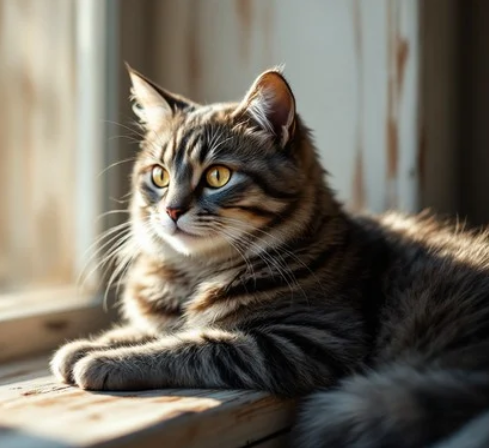
Bird Flu In Cats: Symptoms and Treatment. Avian influenza, commonly known as bird flu, is primarily a disease affecting birds. However, certain strains, notably the highly pathogenic avian influenza (HPAI) H5N1 virus, have crossed species barriers, infecting various mammals, including domestic cats. Understanding the symptoms, treatment options, and preventive measures is crucial for cat owners, especially in light of recent developments in the United States as of February 2025.
 Symptoms of Bird Flu in Cats
Cats infected with H5N1 may exhibit a range of clinical signs, from mild to severe. Common symptoms include:
-
Respiratory Issues: Coughing, nasal discharge, and difficulty breathing.
-
Neurological Signs: Lack of coordination, tremors, seizures, and in severe cases, inability to stand.
-
Gastrointestinal Symptoms: Vomiting and diarrhea.
-
General Malaise: Decreased energy, loss of appetite, and severe depression.
In some instances, cats may succumb to the virus without displaying noticeable signs of illness.
 Treatment Options
Currently, there is no specific antiviral treatment approved for H5N1 infection in cats. Veterinary care focuses on supportive measures to alleviate symptoms and bolster the cat’s immune response. Depending on the severity, treatments may include:
-
Fluid Therapy: To prevent dehydration.
-
Nutritional Support: Ensuring adequate caloric intake.
-
Medications: To manage fever, pain, or secondary bacterial infections.
Severely affected cats might require hospitalization for intensive care. It’s essential to consult a veterinarian promptly if a cat exhibits any of the aforementioned symptoms.
Preventing H5N1 infection in cats involves minimizing their exposure to potential sources of the virus:
-
Indoor Living: Keep cats indoors to reduce contact with wild birds and other wildlife.
-
Dietary Precautions: Avoid feeding cats raw meat or unpasteurized dairy products, as these can harbor the virus. Consult with your vet or a clinical feline nutritionist for further guidance on best cat diets.
-
Environmental Control: Prevent cats from accessing areas frequented by poultry or wild birds, especially in regions with known H5N1 outbreaks.
-
Hygiene Practices: Wash hands thoroughly after handling birds or being in environments where birds are present.
By implementing these measures, cat owners can significantly reduce the risk of their pets contracting bird flu.
History of Bird Flu
Avian influenza viruses have been recognized for over a century, with various strains causing outbreaks in poultry populations worldwide. The H5N1 strain emerged in the late 20th century and garnered significant attention due to its high pathogenicity and the potential to infect humans and other mammals.
The first major outbreak of H5N1 occurred in Hong Kong in 1997, leading to widespread culling of poultry to contain the virus. Since then, H5N1 has caused numerous outbreaks in Asia, Europe, and Africa, affecting both domestic and wild bird populations. Occasional transmissions to humans, often through direct contact with infected birds, have been documented, leading to severe respiratory illness and a high mortality rate.

Are you finding this article useful? Would you like 100% free access to more articles like these, and free access to over 5,000 vetted pet care service professionals throughout the United States? Sign up here for a free Petworks account, and we’ll email you a 10% discount code, good towards your first pet care services booking on Petworks!
Status of Bird Flu in the United States as of February 2025
In recent years, the United States has experienced significant challenges related to H5N1:
-
Poultry Industry Impact: Since November 2023, over 12.1 million poultry birds have been affected in states like Iowa, leading to substantial economic losses and disruptions in the food supply chain.
-
Human Cases: As of January 6, 2025, there have been 66 confirmed human cases of H5N1 bird flu in the United States since 2024, with the first reported death occurring in Louisiana. Most cases have been linked to direct exposure to infected poultry or dairy cattle.
-
Mammalian Infections: Beyond avian species, H5N1 has been detected in various mammals, including domestic cats. In February 2025, a stray cat in Half Moon Bay, California, tested positive for the virus, underscoring the importance of vigilance among pet owners.
Bird Flu Detected
The Centers for Disease Control and Prevention (CDC) continues to monitor the situation, emphasizing that while the risk to the general public remains low, individuals working closely with poultry or wild birds should exercise caution.
Bird flu, particularly the H5N1 strain, poses a multifaceted threat affecting avian species, mammals, and humans. For cat owners, understanding the symptoms and preventive measures is vital to safeguard their pets’ health. Staying informed about the evolving status of bird flu in the United States and adhering to recommended guidelines can help mitigate risks associated with this virus.
Let’s Hear From The Experts
🐾 Dr. Deborah Thomson, DVM
Dr. Deborah Thomson, founder and executive director of One Health Lessons, emphasized the role of cats as indicators of H5N1 presence in the community:
“Cats are a really good measure of where bird flu is in the community because they could be serving as sentinels.”
She advises veterinarians to isolate suspected cases and consult local public health authorities for guidance.
🐾 Dr. Jane Sykes, DVM
Dr. Jane Sykes, a board-certified internal medicine specialist at the University of California-Davis School of Veterinary Medicine, discussed the severity of H5N1 infections in cats:
“Cats are easily susceptible to the highly pathogenic avian influenza H5N1 strain (bird flu). Cats with the disease should be seen by a veterinarian immediately, as an infection can often result in death.”
🐾 Bird Flu (H5N1) in Cats: What You Should Know in 2026
As of early 2026, H5N1 avian influenza remains a significant concern for domestic cats, particularly those exposed to infected birds or contaminated environments. While rare, cases of H5N1 in cats have been reported across multiple states, underscoring the importance of vigilance among pet owners.
🦠 How Cats Contract H5N1
Cats typically become infected with H5N1 through:
-
Consuming raw or undercooked poultry: Ingestion of infected birds or contaminated raw pet food is a primary route of transmission.
-
Contact with infected wild birds: Direct exposure to sick or dead wild birds can lead to infection.
-
Contaminated environments: Areas frequented by infected birds, including parks and backyards, can harbor the virus.
🩺 Symptoms to Watch For
Infected cats may exhibit:
-
Fever and lethargy
-
Loss of appetite
-
Respiratory distress (e.g., coughing, sneezing)
-
Discharge from eyes or nose
-
Neurological signs (e.g., tremors, seizures)
Prompt veterinary attention is crucial, as early intervention can improve outcomes.
🧪 Diagnosis and Treatment
Diagnosis involves laboratory testing, including PCR assays to detect the virus. While no specific antiviral is approved for cats, early administration of oseltamivir has shown promise in treating infected felines. A study indicated that cats treated promptly with oseltamivir had a higher survival rate .
🛡️ Prevention Strategies
To reduce the risk of H5N1 infection:
-
Keep cats indoors, especially during peak migration seasons when wild birds are prevalent.
-
Avoid feeding raw or undercooked poultry to cats.
-
Limit exposure to wild birds and their droppings.
-
Practice good hygiene when handling pet food and cleaning litter boxes.
⚠️ Notable Incidents in 2025
-
FDA Warning: In September 2025, the FDA identified H5N1 contamination in specific lots of RAWR Raw Cat Food Chicken Eats following the death of a cat in San Francisco. The affected lots were voluntarily withdrawn from circulation U.S. Food and Drug Administration.
-
State Reports: Cases of H5N1 in cats were reported in several states, including Oregon, California, and Colorado, often linked to exposure to infected wild birds or consumption of contaminated raw pet food Oregon.
📌 Bird Flu Going Forward
While H5N1 infections in cats are uncommon, they pose significant health risks. Pet owners should remain informed and take preventive measures to protect their feline companions. If you suspect your cat has been exposed to H5N1 or is showing symptoms, contact your veterinarian promptly.
About Petworks
 In 2021, Dr. Marty Goldstein DVM joined the pet care platform Petworks as an advisor in its Animal Nutrition care division. Dr Marty Nature’s Blend is on a mission to help your pets live their healthiest lives possible. Dr. Marty’s pet nutrition expertise and guidance has helped Petworks evolve and become the preeminent animal and pet nutrition consultation service for pet parents in North America.
 In 2022, Blue Buffalo Founder Bill Bishop Jr. joined Petworks as Senior Advisor in our Animal Nutrition Care Division. Bill brings his extensive expertise in pet food innovation and business leadership. His guidance helps Petworks enhance our pet nutrition service offerings, helping to ensure that pet parents throughout the world receive trusted, science-backed nutritional support for their dogs, cats, and animals.
About The Author
 Petworks Co-Founder Kevin Kinyon is a life-long animal lover who works tirelessly to improve the lives of pets and their parents. Human and animal qualities he values most are integrity, humor, and empathy.

 petworks tm









As a Newbie, I am constantly browsing online for articles that can benefit me. Petworks posts about pet care are excellent. Thank you.
Thank you, I’ve just been looking for info about this topic for ages and yours is the best I have discovered so far. Bird Flu In Cats is very top of mine this time of winter!
Thanks for posting. I really enjoyed reading it, especially because it addressed my questions about Bird Flu In Cats.
Thanks this is a timely post
Thanks for the post…