
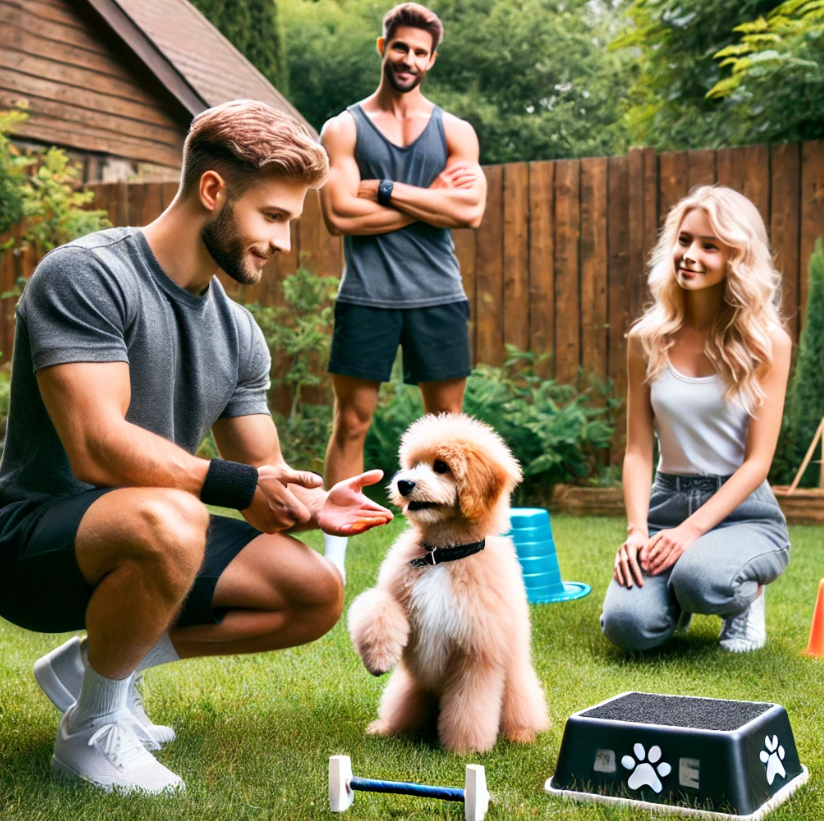
Training Poodle Puppies: The Benefits of Hiring a Certified Puppy Trainer. Poodles are intelligent, energetic, and eager-to-learn puppies that thrive with proper training. Their intelligence makes them highly trainable, but without structure, they can develop stubborn or undesirable behaviors. Hiring a certified puppy trainer ensures that your poodle learns obedience, socialization, and good manners from an early age. My post below explores the benefits of professional training, key areas of focus, and what to look for in a certified puppy trainer.
 Why Poodles Need Professional Training
Poodles, whether Toy, Miniature, or Standard, are known for their sharp minds and high energy levels. While their intelligence makes them easy to train, it also means they require consistent mental stimulation and guidance. Without proper training, a poodle puppy can become bored, leading to destructive behaviors such as excessive barking, chewing, or separation anxiety. A certified puppy trainer provides structured lessons that help channel a poodle’s intelligence in a positive way, fostering discipline and confidence.
Key Benefits of Hiring a Certified Puppy Trainer
- Early Socialization Socialization is critical for poodle puppies to develop into well-adjusted adults. A certified trainer introduces puppies to different environments, people, and other dogs in a controlled setting. This exposure reduces fearfulness and aggression, making social interactions smoother as they grow.
- Housebreaking and Crate Training One of the first challenges of puppy ownership is housebreaking. A certified trainer provides proven techniques to establish a consistent potty schedule, teaching the puppy to relieve itself in appropriate areas. Crate training is also emphasized, helping poodles view their crate as a safe space rather than a punishment.
- Obedience and Basic Commands Certified trainers teach essential commands such as sit, stay, come, and leave it. These commands lay the foundation for good behavior and ensure that your poodle listens to you in different situations. Obedience training enhances communication between you and your puppy, leading to a more enjoyable companionship.
- Prevention of Problem Behaviors Poodles can develop behavioral problems such as excessive barking, nipping, and jumping if not trained properly. A professional trainer identifies and corrects these behaviors early, preventing them from becoming ingrained habits.
- Leash Training and Recall Walking a poodle on a leash should be a pleasant experience, but untrained puppies tend to pull or become distracted easily. Trainers use positive reinforcement techniques to teach proper leash etiquette. Recall training ensures that your poodle returns when called, providing safety in off-leash situations.
- Mental Stimulation and Enrichment Poodles require mental engagement to prevent boredom. A certified trainer incorporates problem-solving games, agility exercises, and interactive play sessions to keep the puppy mentally stimulated. This reduces anxiety and prevents destructive behaviors caused by pent-up energy.
- Personalized Training Plans Each poodle puppy has a unique temperament and learning style. Certified puppy trainers assess the puppy’s personality and create customized training plans that cater to their specific needs. This personalized approach ensures effective learning and positive reinforcement.
How to Choose the Right Certified Puppy Trainer
When hiring a trainer for your poodle puppy, consider the following factors:
- Certifications and Credentials Look for trainers certified by reputable organizations such as the Association of Professional Dog Trainers (APDT) or the International Association of Canine Professionals (IACP). Certified trainers have undergone rigorous training and follow ethical, science-based methods.
- Experience with Poodles While many trainers work with various breeds, finding one with experience training poodles is beneficial. Poodles have specific traits that require tailored training methods. A trainer familiar with the breed’s intelligence and energy level can provide better results.
- Training Methods Positive reinforcement techniques are the most effective for poodles. Avoid trainers who use harsh punishment or dominance-based training. Look for professionals who reward good behavior with treats, praise, and play.
- References and Reviews Ask for references from previous clients and read online reviews to gauge the trainer’s reputation. Positive testimonials and successful case studies indicate a reliable and skilled trainer.
- Class Format and Location Trainers offer different formats, including group classes, private sessions, or in-home training. Consider what works best for your poodle’s personality and your schedule. Group classes provide socialization, while private sessions offer personalized attention.
- Ongoing Support The best trainers offer continued support beyond the initial training sessions. Look for trainers who provide follow-up lessons, online resources, or ongoing guidance to ensure your poodle maintains its training.
The Training Timeline for Poodle Puppies
Training should begin as early as 8 weeks old and progress through different developmental stages:
- 8-12 Weeks: Basic obedience, socialization, crate training, and housebreaking.
- 3-6 Months: Leash training, recall, impulse control, and preventing problem behaviors.
- 6-12 Months: Advanced obedience, off-leash training, and continued socialization.
Consistency is key throughout the training process. Reinforcing commands at home and maintaining regular training sessions ensures long-term success.

Are you finding this article useful? Would you like 100% free access to more articles like these, and free access to over 5,000 vetted pet care service professionals throughout the United States? Sign up here for a free Petworks account, and we’ll email you a 10% discount code, good towards your first pet care services booking on Petworks!
 “It may sound crazy but poodles can be a nightmare to train. Next to the border collie, they are the most intelligent dog there is, and people massively underestimate the amount of work that it takes to raise a happy poodle.” – Shelina Duke (award-winning dog trainer specializing in poodles)
“I don’t use choke chains, pinch/prong collars, or shock collars. Such methods can lead to aggression and destroy the bond with your dog.” – Lisa Walden, CPDT-KA certified professional dog trainer
🐩 Top Questions And Answers About Poodle Puppy Training
How do I potty train a Poodle puppy?
Potty training a Poodle puppy takes patience and consistency. Start by setting a regular schedule for bathroom breaks every 2–3 hours, especially after eating, playing, or napping. Take your Poodle puppy to the same spot each time to reinforce the scent. Use positive reinforcement—such as praise or treats—when they go outside. Avoid punishment, as it can make housebreaking your Poodle puppy more difficult. With steady effort, most Poodle puppies can be reliably house trained within a few weeks.
How long does it take to train a Poodle puppy?
The Poodle puppy training timeline depends on consistency, environment, and your puppy’s personality. Basic obedience and potty training usually take 4–8 weeks, but full behavioral training can take several months. Because Poodles are intelligent and eager to please, they often learn commands faster than many breeds. Daily short training sessions help your Poodle puppy retain what they learn.
Are Poodle puppies easy to train?
Yes. Poodle puppies are considered one of the easiest breeds to train. They’re highly intelligent, sensitive, and motivated by positive reinforcement. Whether you’re teaching basic commands or more advanced tricks, Poodle puppy training tends to go smoothly with consistency and gentle guidance.
When should I start training my Poodle puppy?
The best age to start training a Poodle puppy is around 8 weeks old. At this stage, your Poodle is capable of learning simple commands like “sit,” “stay,” and “come.” Early socialization and gentle structure help prevent behavioral problems later. Starting Poodle puppy training early lays the foundation for confident, obedient behavior as they grow.
What are the best training methods for Poodle puppies?
The best way to train a Poodle puppy is through positive reinforcement, rewarding good behavior with praise, treats, or playtime. Avoid harsh corrections or punishment. Clicker training and short, upbeat sessions work well for this intelligent breed. Keep lessons fun and consistent, and always end on a positive note.
How do I crate train my Poodle puppy?
Crate training a Poodle puppy helps with house training and provides a safe, comfortable space for rest. Introduce the crate slowly by letting your puppy explore it with the door open. Use treats, toys, and soft bedding to make it inviting. Gradually increase crate time, keeping sessions short at first. Never use the crate for punishment, your puppy should associate it with calm and safety.
Why is my Poodle puppy biting or nipping?
Poodle puppy biting or nipping is normal puppy behavior, especially during teething. Redirect biting onto chew toys and discourage rough play. When your puppy bites, stop play immediately to show that biting ends the fun. Consistent redirection and calm corrections will help stop Poodle puppy biting and teach gentle manners.
How do I train my Poodle puppy not to bark?
To stop Poodle puppy barking, first identify the cause, boredom, anxiety, or excitement. Use calm, consistent cues like “quiet” and reward silence. Avoid yelling, which can make barking worse. Provide mental stimulation and exercise, as well-trained, engaged Poodles are less likely to bark excessively.
How can I socialize my Poodle puppy properly?
Socializing your Poodle puppy early is key to a confident, friendly adult dog. Introduce them to new people, sounds, environments, and other pets in controlled, positive ways. Puppy socialization classes and short outings are excellent for building confidence. Proper Poodle puppy socialization reduces fear-based behaviors later in life.
What are the best commands to teach a Poodle puppy first?
Start with basic obedience commands such as “sit,” “stay,” “come,” “down,” and “leave it.” Poodles learn quickly when commands are taught with consistency and rewards. Once your Poodle puppy masters the basics, you can move on to more advanced obedience or trick training.
How do I leash train a Poodle puppy?
Leash training your Poodle puppy begins indoors or in a quiet area. Allow your puppy to wear the collar and leash to get used to the feeling. Encourage walking beside you with treats and praise. Avoid pulling. Use gentle guidance to teach loose-leash walking. With consistency, leash training a Poodle puppy becomes easy and enjoyable.
What are common Poodle puppy training mistakes?
Common mistakes include inconsistency, punishment-based methods, and long, overwhelming training sessions. Poodles respond best to short, focused lessons and positive feedback. Avoid skipping daily practice and don’t expect instant results. Patience and repetition are key for successful Poodle puppy training.
Should I hire a professional trainer for my Poodle puppy?
If you’re struggling with behavior issues or want expert guidance, enrolling in Poodle puppy training classes can be beneficial. A professional trainer provides structure, consistency, and socialization opportunities. Look for trainers who use positive reinforcement and have experience with intelligent breeds like Poodles.
How do I train my Poodle puppy to be calm and well-behaved?
A calm Poodle puppy comes from balanced training, exercise, and enrichment. Provide regular physical activity, mental stimulation, and quiet rest periods. Teach impulse control through commands like “wait” and “settle.” Reward calm behavior and avoid overstimulation during play or training sessions.
What’s the difference between training a Toy, Miniature, and Standard Poodle puppy?
While all Poodles are intelligent and trainable, their sizes affect training needs. Toy Poodle puppies require gentle handling and patience due to their small size. Miniature Poodles are energetic and benefit from frequent mental stimulation. Standard Poodles need more physical exercise and structured routines. The core training principles remain the same—positive reinforcement and consistency work best for every type of Poodle.
The Role of Owners in Puppy Training
Hiring a certified puppy trainer is an excellent step, but owners must also participate actively. Reinforcing training at home, following the trainer’s guidance, and maintaining consistency are essential for long-term success. Training should be fun, rewarding, and a bonding experience between you and your poodle.
Training a poodle puppy requires patience, consistency, and expertise. Hiring a certified puppy trainer provides structured learning, socialization, and behavioral guidance that sets your poodle up for a lifetime of success. With the right trainer and commitment from the owner, poodles develop into well-mannered, confident, and obedient companions. Investing in professional training early on ensures a rewarding and harmonious relationship with your poodle for years to come.
About Petworks
 In 2021, Dr. Marty Goldstein DVM joined the pet care platform Petworks as an advisor in its Animal Nutrition care division. Dr Marty Nature’s Blend is on a mission to help your pets live their healthiest lives possible. Dr. Marty’s pet nutrition expertise and guidance has helped Petworks evolve and become the preeminent animal and pet nutrition consultation service for pet parents in North America.
 In 2022, Blue Buffalo Founder Bill Bishop Jr. joined Petworks as Senior Advisor in our Animal Nutrition Care Division. Bill brings his extensive expertise in pet food innovation and business leadership. His guidance helps Petworks enhance our pet nutrition service offerings, helping to ensure that pet parents throughout the world receive trusted, science-backed nutritional support for their dogs, cats, and animals.
About The Author
 Petworks Co-Founder Kevin Kinyon is a life-long animal lover who works tirelessly to improve the lives of pets and their parents. Human and animal qualities he values most are integrity, humor, and empathy.

 petworks tm








Thank you for your articles. Poodle Puppy Training is helpful!