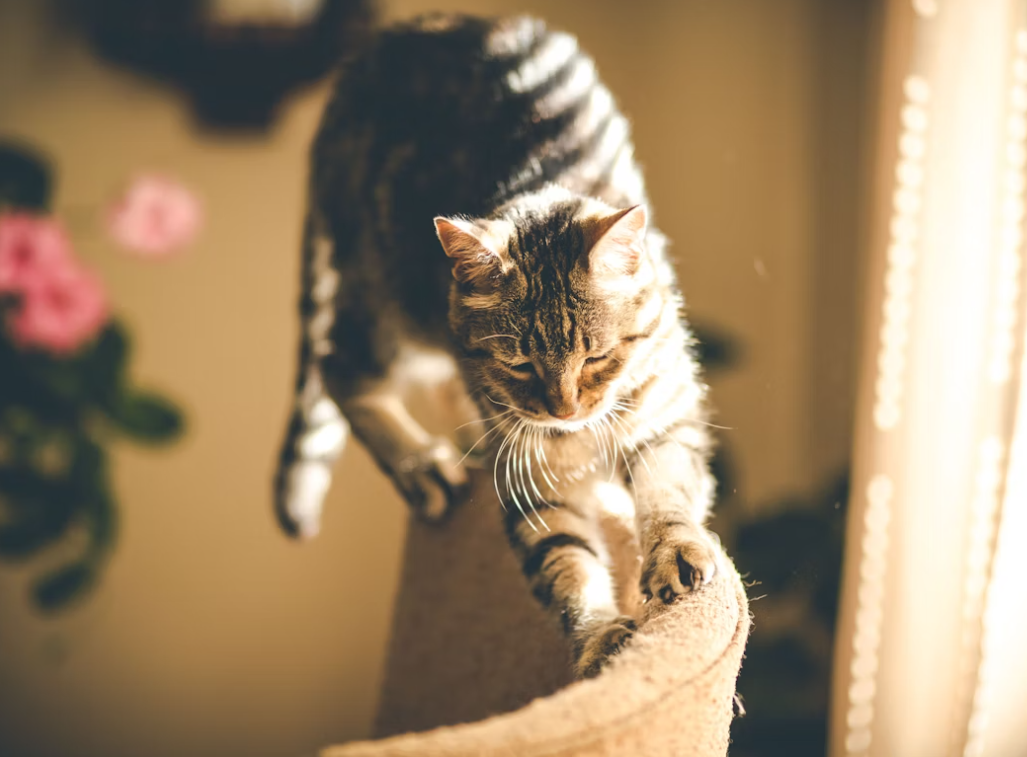
Cats are famously independent animals. But while they may seem content lounging in sunbeams or atop a cozy perch, cat exercise is an essential part of maintaining their health and happiness. Indoor cats, in particular, often miss out on the natural movement and mental stimulation they would experience outdoors. Understanding how much activity your cat actually needs each day, and how to provide it safely and effectively, can improve your cat’s overall well-being.
Why Indoor Cat Exercise Is Important
Even if your cat spends most of the day napping, daily physical activity is crucial.
“Indoor cats often face a higher risk of obesity and related health issues because they don’t naturally get the exercise they need. Structured play and movement are vital for their physical and mental health.” – Dr. Lisa Lippman, DVM, a certified feline behaviorist
Cats need cat exercise for several reasons:
-
Weight management: Indoor cats are more prone to obesity due to limited space and fewer opportunities for natural movement. Regular exercise helps maintain a healthy weight and reduces risks of diabetes, arthritis, and other health complications.
-
Mental stimulation: Hunting, chasing, and exploring are instinctual behaviors. Without proper enrichment, cats can develop boredom-related behaviors like excessive grooming, scratching furniture, or aggression.
-
Preventing behavior problems: Engaging your cat in daily activity channels their energy into positive outlets, improving overall behavior and strengthening the human-animal bond.
How Much Cat Exercise Does Your Cat Really Need?
There’s no one-size-fits-all formula, as each cat’s age, breed, personality, and health status can affect activity needs. However, feline experts recommend at least 30–60 minutes of playtime per day for most adult indoor cats. This can be split into several short sessions throughout the day, which is often more effective than one long playtime.
Kittens are naturally more active and may require several short bursts of energetic play, whereas senior cats may benefit from gentler, lower-impact activities like puzzle feeders or wand toys.

Are you finding this article useful? Would you like 100% free access to more articles like these, and free access to over 5,000 vetted pet care service professionals throughout the United States? Sign up here for a free Petworks account, and we’ll email you a 10% discount code, good towards your first pet care services booking on Petworks!
Types of Indoor Cat Exercise
To provide well-rounded activity for your indoor cat, aim to combine physical, mental, and interactive stimulation.
1. Interactive Play
Toys that mimic prey, such as feather wands, laser pointers, or small moving balls, encourage your cat’s natural hunting instincts. Experts suggest at least two interactive play sessions of 10–15 minutes each day to meet activity needs.
2. Climbing and Exploring
Cats love vertical space. Cat trees, shelves, or window perches allow your cat to climb, jump, and survey their territory. Climbing supports muscle strength and coordination, which are key components of cat exercise.
3. Puzzle Feeders and Food Enrichment
Using puzzle feeders or hiding treats around the home stimulates your cat’s problem-solving abilities and encourages movement. This approach can help combat obesity, reduce boredom, and provide mental enrichment.
4. Safe Indoor Hunting
Hide toys or treats in different areas to mimic hunting behavior. This encourages exploration, stalking, and pouncing—activities that satisfy natural instincts while keeping your cat active.
5. Short, Frequent Bursts of Activity
Cats are crepuscular by nature—they are most active at dawn and dusk. Scheduling play sessions during these periods aligns with their natural rhythms, making cat exercise more effective and enjoyable.
Signs Your Cat Needs More Activity
Even indoor cats that seem content lounging may need more stimulation. Watch for these signs:
-
Weight gain or obesity
-
Destructive behavior (scratching furniture, knocking objects over)
-
Over-grooming or fur loss
-
Restlessness or excessive meowing
-
Lack of interest in toys or interaction
If you notice these signs, increasing structured playtime and providing a variety of toys and enrichment can make a significant difference.
Tailoring Exercise to Your Cat’s Needs
Different cats have different exercise requirements. Consider these factors when planning daily activity:
-
Age: Kittens require more vigorous, frequent play, while seniors may benefit from gentle activity to maintain mobility.
-
Breed: Active breeds like Bengals or Siamese often need more stimulation, whereas Persian or British Shorthair cats may be less energetic.
-
Personality: Some cats are naturally independent and may prefer solo activities like puzzle feeders, while others thrive on interactive play with their human companions.
-
Health: Always consult your veterinarian before starting a new exercise routine, especially if your cat has medical conditions or mobility issues.
Tips for Increasing Indoor Cat Activity
-
Schedule short play sessions throughout the day to keep your cat engaged.
-
Rotate toys regularly to maintain interest and prevent boredom.
-
Use food as a motivator, like puzzle feeders or treat scavenger hunts.
-
Provide vertical space through shelves, cat trees, or window perches.
-
Incorporate interactive play using wands, laser pointers, or balls.
-
Observe your cat’s energy cycles and tailor playtimes to when they’re most active.
Benefits Beyond Physical Health
Daily indoor exercise doesn’t just support physical health—it also improves emotional and behavioral well-being. Cats that are mentally and physically stimulated are less likely to exhibit destructive behavior, aggression, or anxiety. Structured playtime strengthens the bond between you and your pet, providing social interaction and mental enrichment.
Expert Advice on Safe Cat Exercise
Dr. Emily Stanton, DVM, emphasizes safety during play:
Safety is critical, especially for indoor cats with access to windows, climbing structures, or small toys. Always monitor your cat during interactive play to prevent injury.
Recommended Indoor Activities for Cats
Here’s a quick guide for a balanced indoor activity routine:
| Activity Type | Recommended Duration | Benefits |
|---|---|---|
| Interactive play | 10–15 min, 2–3x/day | Mental & physical stimulation |
| Climbing & exploring | Unlimited, supervised | Strength, coordination, enrichment |
| Puzzle feeders / treats | 5–10 min, 1–2x/day | Mental engagement, slows eating |
| Hide-and-seek / hunting | 10–15 min | Natural instincts, exercise |
By mixing different types of activities, your cat stays engaged, happy, and healthy.
FAQ – Cat Exercise & Indoor Activity
Q1: How much daily exercise does an indoor cat need?
Most adult cats benefit from 30–60 minutes of activity per day, split into short sessions.
Q2: What are the best ways to provide indoor cat exercise?
Interactive toys, climbing structures, puzzle feeders, and hide-and-seek games are all effective.
Q3: Can indoor cats stay healthy without outdoor access?
Yes—structured play and mental stimulation can meet their exercise needs safely indoors.
Q4: How do I know if my cat isn’t getting enough activity?
Watch for weight gain, boredom behaviors (scratching, knocking items), restlessness, or disinterest in toys.
Q5: Are short play sessions better than one long session?
Yes. Short, frequent sessions match cats’ natural energy patterns and keep them more engaged.
Providing daily cat exercise for your indoor feline is essential for physical health, mental stimulation, and behavioral well-being. Whether through interactive play, climbing opportunities, puzzle feeders, or safe indoor hunting games, incorporating structured activity into your cat’s routine can prevent obesity, reduce stress, and strengthen your bond. Remember, every cat is unique. Observe their needs, preferences, and energy levels to create a routine that keeps them active and content.
About Petworks
 In 2021, Dr. Marty Goldstein DVM joined the pet care platform Petworks as an advisor in its Animal Nutrition care division. Dr Marty Nature’s Blend is on a mission to help your pets live their healthiest lives possible. Dr. Marty’s pet nutrition expertise and guidance has helped Petworks evolve and become the preeminent animal and pet nutrition consultation service for pet parents in North America.
 In 2022, Blue Buffalo Founder Bill Bishop Jr. joined Petworks as Senior Advisor in our Animal Nutrition Care Division. Bill brings his extensive expertise in pet food innovation and business leadership. His guidance helps Petworks enhance our pet nutrition service offerings, helping to ensure that pet parents throughout the world receive trusted, science-backed nutritional support for their dogs, cats, and animals.
About The Author
 Petworks Co-Founder Kevin Kinyon is a life-long animal lover who works tirelessly to improve the lives of pets and their parents. Human and animal qualities he values most are integrity, humor, and empathy.

 petworks tm