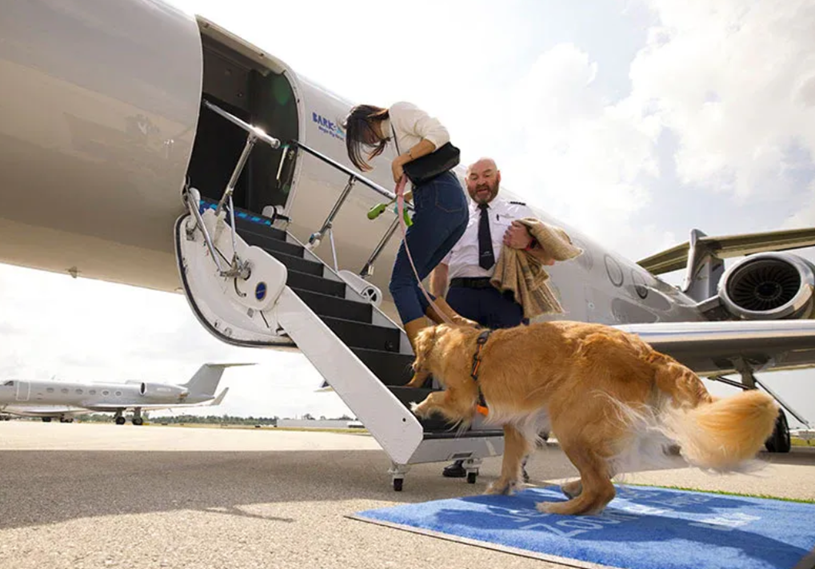
Traveling with a dog—whether for a move, vacation, or long-distance relocation—often raises an important question: do dogs need sedation for travel? It’s a natural concern. Many dogs experience anxiety in cars, crates, or unfamiliar environments, and pet parents want to make dog transportation as safe and stress-free as possible. Sedation can seem like an easy solution. However, in most cases, veterinarians advise against it.
The general consensus in veterinary medicine is that most dogs do not need sedation for travel, and in some cases, sedatives can actually introduce unnecessary risks.
🐶 Why Sedation Is Usually Not Recommended for Dog Transportation
For routine dog transportation, whether by car or professional pet transport service, sedation is typically discouraged unless there is a specific medical reason.
Sedatives can affect a dog’s ability to regulate body temperature, maintain balance, and respond to stress. These effects become more pronounced during travel conditions such as altitude changes, heat exposure, or prolonged confinement.
The American Veterinary Medical Association specifically cautions against sedating pets during transport, particularly air travel.
💡“Sedation of animals during air transport is not recommended because it may increase the risk of respiratory and cardiovascular problems.” – American Veterinary Medical Association
Source: AVMA Guidelines for Pet TravelThis is one of the key reasons veterinarians often recommend alternative approaches for managing anxiety during dog transportation rather than relying on medication.
🐾 When Dog Sedatives for Travel May Be Considered
Although sedation is not typically recommended, there are situations where a veterinarian may prescribe dog sedatives for travel.
This might include dogs with:
- Severe separation anxiety
- Panic responses to confinement or crates
- History of trauma during travel
- Medical conditions where stress poses a greater risk than sedation
Even in these cases, sedation is carefully prescribed and monitored. It is never a one-size-fits-all solution and should never be given without veterinary guidance.
The American Kennel Club also emphasizes caution when using sedatives in pets during travel.
💡“Most pets do not need sedation for travel, and in some cases sedation can actually increase the risk of injury.” – American Kennel Club
🚗 Better Alternatives for Dog Transportation Comfort
Instead of sedation, most veterinarians and professional transporters focus on behavioral conditioning and environmental comfort to reduce travel stress.
One of the most effective tools is crate training, especially when introduced well before travel. A familiar crate acts as a safe, predictable space, which significantly reduces anxiety during dog transportation.
Other commonly recommended strategies include:
- Short practice trips before long travel
- Exercise before departure to reduce excess energy
- Pheromone sprays or calming wraps
- Familiar bedding or toys inside the crate
- Calm, consistent handling during loading and breaks
For longer journeys, especially cross-country relocations, professional dog transportation services can also make a significant difference. Experienced transporters understand how to manage pacing, rest stops, hydration, and environmental comfort in a way that reduces stress without medication.

Are you finding this article useful? Would you like 100% free access to more articles like these, and free access to over 5,000 vetted pet care service professionals throughout the United States? Sign up here for a free Petworks account, and we’ll email you a 10% discount code, good towards your first pet care services booking on Petworks!
✈️ What About Sedation for Air Travel?
Air travel is where concerns about dog sedatives for travel come up most often—and also where vets are most cautious.
Because cabin pressure, temperature variation, and cargo conditions can affect how sedatives behave in the body, most veterinarians advise against sedating dogs before flights.
In fact, many airlines either discourage or restrict sedated animals due to safety concerns.
🧠 How to Tell If Your Dog Is Anxious During Travel
Not all stress means sedation is needed. Dogs commonly show anxiety in predictable ways during dog transportation, including:
- Panting or drooling
- Whining or vocalizing
- Restlessness in the crate
- Refusal to settle
- Pacing or shifting frequently
These behaviors are important signals, but they are usually best addressed through training, desensitization, and environmental adjustments—not medication.
❓ FAQs: Do Dogs Need Sedation for Travel?
Do dogs need sedation for travel?
In most cases, no. Veterinarians generally recommend avoiding sedation unless a dog has severe anxiety or a medical condition that requires it.
Are dog sedatives safe for transportation?
They can be safe when prescribed by a veterinarian, but they carry risks and should never be used without professional guidance.
What can I use instead of dog sedatives for travel?
Safer alternatives include crate training, pheromone sprays, calming supplements (vet-approved), and pre-travel exercise.
Can I sedate my dog before flying?
Most veterinarians and airlines advise against it due to increased health risks during air travel.
How do professional dog transportation companies handle anxiety?
They rely on structured routines, experienced handling, comfort measures, and environmental management—not sedation.
🐾 Final Thoughts
So, do dogs need sedation for travel? In most cases, they don’t.
While dog sedatives for travel may be appropriate in rare or extreme cases, the safest and most effective approach to dog transportation is almost always preparation, training, and proper handling—not medication.
With the right planning and support, most dogs can travel safely, comfortably, and without sedation at all.
About PetWorks
 In 2021, Dr. Marty Goldstein DVM joined the pet care platform PetWorks as an advisor in its Animal Nutrition care division. Dr Marty Nature’s Blend is on a mission to help your pets live their healthiest lives possible. Dr. Marty’s pet nutrition expertise and guidance has helped PetWorks evolve and become the preeminent animal and pet nutrition consultation service for pet parents in North America.
 In 2022, Blue Buffalo Founder Bill Bishop Jr. joined PetWorks as Senior Advisor in our Animal Nutrition Care Division. Bill brings his extensive expertise in pet food innovation and business leadership. His guidance helps PetWorks enhance our pet nutrition service offerings, helping to ensure that pet parents throughout the world receive trusted, science-backed nutritional support for their dogs, cats, and animals.
About The Author
 PetWorks Co-Founder Kevin Kinyon is a life-long animal lover who works tirelessly to improve the lives of pets and their parents. Human and animal qualities he values most are integrity, humor, and empathy.

 petworks tm