
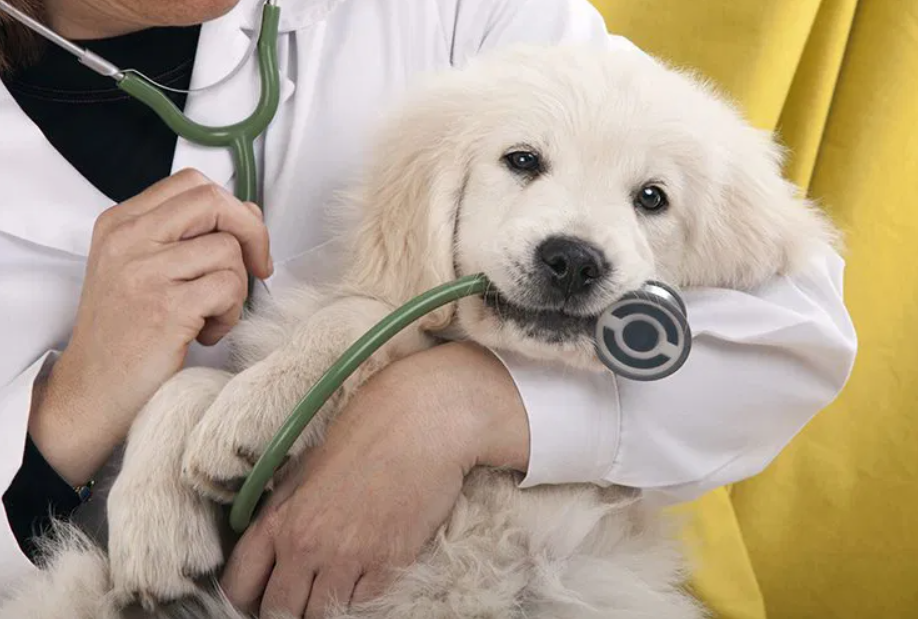
Chiropractic care for dogs is becoming an increasingly popular part of integrative veterinary wellness. Pet owners are turning to canine chiropractic treatments to help improve mobility, support recovery from injury, and enhance overall comfort—especially in aging dogs and active working breeds. But what exactly does dog chiropractic care involve, and is it right for your pet?
This guide explains how it works, what conditions it may help with, its potential benefits and limitations, and what responsible pet owners should know before scheduling an appointment.
What Is Dog Chiropractic Care?
Dog chiropractic care is a hands-on therapy focused on evaluating and improving the alignment and movement of a dog’s spine and joints. The goal is to restore proper motion in areas of restriction, which may help improve nervous system function and musculoskeletal balance.
Rather than using medication or surgery, canine chiropractic care relies on precise manual adjustments designed to improve joint mobility and reduce stiffness.
It is most commonly used as a complementary therapy alongside traditional veterinary medicine, physical rehabilitation, massage therapy, or acupuncture.
How Canine Chiropractic Adjustments Work
During a dog chiropractic session, the practitioner begins by observing how the dog moves. This may include walking, trotting, sitting, and lying down. Movement patterns often reveal subtle signs of discomfort or imbalance.
After the initial assessment, the chiropractor performs a hands-on examination of the spine, limbs, and surrounding muscles. Areas of restricted motion are identified through gentle palpation.
If needed, the practitioner applies a controlled adjustment known as a “high-velocity, low-amplitude thrust.” These adjustments are:
- Very quick and precise
- Applied to specific joints
- Designed to restore normal motion
- Not forceful or painful when properly performed
Dogs often tolerate treatment well and may relax during or after the session. Some even show immediate improvements in movement or posture.
Conditions That May Benefit From Dog Chiropractic Care
Canine chiropractic care is not a cure for disease, but it may support dogs experiencing musculoskeletal or mobility-related issues.
Common conditions include:
1. Back and Neck Stiffness
Dogs may show reduced flexibility, difficulty turning, or stiffness after activity or rest.
2. Hip and Joint Discomfort
Large breeds and senior dogs often experience joint restrictions that affect movement quality.
3. Limping or Gait Abnormalities
Subtle limping or uneven stride patterns may indicate spinal or joint imbalance.
4. Recovery After Injury
Chiropractic care is sometimes used as part of rehabilitation after orthopedic injuries or surgery (under veterinary guidance).
5. Senior Mobility Decline
Older dogs may benefit from improved joint motion and reduced stiffness associated with aging.
6. Performance Issues in Active Dogs
Working, sporting, or agility dogs may experience reduced performance due to small biomechanical restrictions.
7. Postural or Behavioral Changes Linked to Pain
Some dogs become irritable, hesitant to jump, or resistant to movement when experiencing discomfort.
“A dog chiropractor will palpate the dog’s spine, limbs, and even the skull to detect abnormalities in how the bones come together. Even small misalignments can impact joint function, comfort, and nerve function.”
— Kate Basedow, LVT, Whole Dog Journal
Benefits of Dog Chiropractic Care
When performed by a properly trained professional and used appropriately, canine chiropractic care may offer several benefits.
Improved Mobility and Flexibility
Many pet owners report noticeable improvements in their dog’s ability to move freely, especially after several sessions.
Pain Relief Support
By addressing joint restrictions and muscle tension, chiropractic care may help reduce discomfort associated with stiffness or musculoskeletal imbalance.
Enhanced Performance and Coordination
Active dogs may experience smoother movement patterns, better agility, and improved coordination.
Better Posture and Balance
Correcting spinal or joint dysfunction can help restore more natural posture and weight distribution.
Support for Aging Dogs
Senior dogs may experience improved comfort and easier movement during daily activities.
Complement to Veterinary Rehabilitation
Chiropractic care often works best when integrated into a broader treatment plan that may include physical therapy, controlled exercise, and veterinary care.
What Happens During a Dog Chiropractic Appointment?
A professional canine chiropractic session typically includes several structured steps:
1. Health History Review
The practitioner reviews your dog’s medical background, lifestyle, activity level, and any current symptoms.
2. Movement Observation
Your dog is observed walking and moving naturally to identify asymmetries or stiffness.
3. Physical Examination
The chiropractor evaluates spinal alignment, joint motion, and muscle tension through hands-on assessment.
4. Adjustment Session
Specific joints are gently adjusted using precise manual techniques designed to restore normal movement.
5. Post-Session Recommendations
You may receive guidance on rest, exercise modifications, or follow-up care depending on your dog’s condition.
Is Dog Chiropractic Care Safe?
When performed by a certified animal chiropractic professional working in coordination with veterinary oversight, canine chiropractic care is generally considered safe for many dogs.
However, it is not appropriate for every situation.
Dogs with the following conditions may require alternative care:
- Fractures or acute trauma
- Infections affecting the spine or joints
- Severe neurological disorders
- Certain advanced orthopedic diseases
This is why veterinary evaluation is essential before beginning treatment. Chiropractic care should always complement, not replace, veterinary diagnosis and care.
Veterinary Collaboration Is Essential
Responsible canine chiropractic care involves collaboration between chiropractors and veterinarians.
In many cases, veterinary referral is required before treatment. This ensures:
- Proper diagnosis of underlying conditions
- Safe treatment planning
- Avoidance of contraindicated conditions
- Integrated care with other therapies if needed
This team-based approach provides the safest and most effective outcomes for dogs.

Are you finding this article useful? Would you like 100% free access to more articles like these, and free access to over 5,000 vetted pet care service professionals throughout the United States? Sign up here for a free Petworks account, and we’ll email you a 10% discount code, good towards your first pet care services booking on Petworks!
Chiropractic Care For Dogs vs. Traditional Veterinary Care
It is important to understand that chiropractic care is not a substitute for veterinary medicine.
Veterinarians diagnose and treat medical conditions such as infections, fractures, disease, and systemic illness. Canine chiropractors focus specifically on musculoskeletal alignment and movement function.
The two approaches work best together, especially for dogs with chronic mobility issues or performance-related concerns.
When Should You Consider Dog Chiropractic Care?
You may want to explore chiropractic care for your dog if you notice:
- Stiffness after exercise or rest
- Difficulty jumping, climbing, or running
- Uneven walking or limping
- Decreased athletic performance
- Slower recovery after activity
- Behavioral changes linked to movement discomfort
Early intervention can be especially helpful in preventing minor restrictions from becoming long-term mobility issues.
What Does the Research Say?
Research on canine chiropractic care is still developing. Some clinical observations and limited studies suggest improvements in mobility, flexibility, and comfort in dogs receiving chiropractic adjustments.
However, the scientific evidence base is not yet as strong as conventional veterinary treatments.
Because of this, most veterinary professionals consider chiropractic care a complementary therapy rather than a primary medical treatment.
Despite limited large-scale studies, many pet owners and integrative veterinarians report positive outcomes when chiropractic care is used appropriately.
Final Thoughts
Dog chiropractic care can be a valuable tool for improving mobility, comfort, and quality of life—especially when used as part of a comprehensive veterinary care plan.
While it is not a cure-all, it may help dogs move more comfortably, recover more effectively from physical strain, and maintain better function as they age.
The key to success is proper diagnosis, qualified practitioners, and collaboration with your veterinarian.
For many dogs, chiropractic care is not just about alignment—it’s about restoring the freedom to move, play, and live comfortably.
FAQs About Chiropractic Care For Dogs
Is dog chiropractic care safe?
Yes, when performed by a certified professional in coordination with a veterinarian. However, it is not suitable for dogs with fractures, infections, or certain neurological conditions.
How long does a chiropractic session take for dogs?
Most sessions last between 20 and 45 minutes, depending on the dog’s size, condition, and tolerance.
How many sessions will my dog need?
This varies. Some dogs improve after a single visit, while others with chronic conditions may benefit from ongoing care.
Will my dog feel pain during an adjustment?
No. Adjustments are typically gentle and quick. Most dogs tolerate or even relax during treatment.
What types of dogs benefit most from chiropractic care?
Senior dogs, active sporting dogs, large breeds prone to joint issues, and dogs recovering from injury often benefit the most.
Do I need a vet referral for dog chiropractic care?
In many regions, yes. Veterinary referral or co-management is often required to ensure safe and appropriate treatment.
About PetWorks
 In 2021, Dr. Marty Goldstein DVM joined the pet care platform PetWorks as an advisor in its Animal Nutrition care division. Dr Marty Nature’s Blend is on a mission to help your pets live their healthiest lives possible. Dr. Marty’s pet nutrition expertise and guidance has helped PetWorks evolve and become the preeminent animal and pet nutrition consultation service for pet parents in North America.
 In 2022, Blue Buffalo Founder Bill Bishop Jr. joined PetWorks as Senior Advisor in our Animal Nutrition Care Division. Bill brings his extensive expertise in pet food innovation and business leadership. His guidance helps PetWorks enhance our pet nutrition service offerings, helping to ensure that pet parents throughout the world receive trusted, science-backed nutritional support for their dogs, cats, and animals.
About The Author
 PetWorks Co-Founder Kevin Kinyon is a life-long animal lover who works tirelessly to improve the lives of pets and their parents. Human and animal qualities he values most are integrity, humor, and empathy.

 petworks tm









Hi, my name is Kenneth Neijstrom and I work at Bite restaurant. I noticed your sign today and we have a 4 year old yellow lab. We’ve gone to a chiropractor in Reno a few times but a local place would be great. What do you charge for a visit and where exactly are you located??
Good Morning, Kenneth! Thank you for reaching out to PetWorks for your canine chiropractic needs. We’ll DM you about this to get you started… – PetWorks Concierge