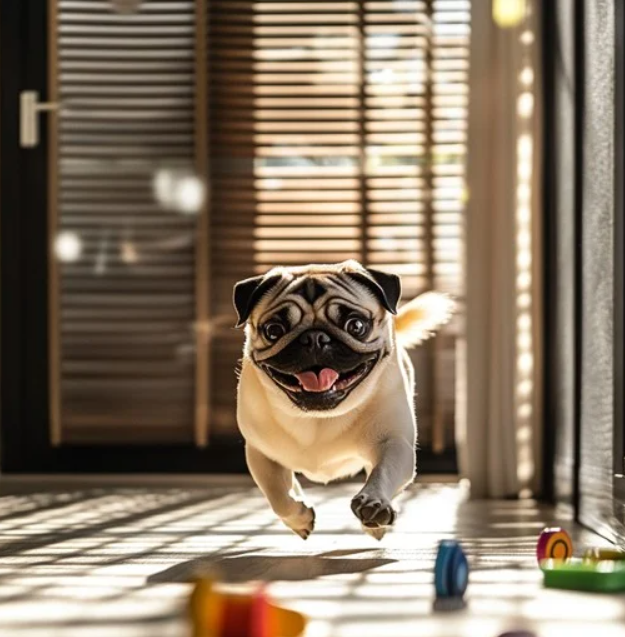
Dog Pees When Excited. How to Address the Behavioral Challenge of Excited Urination in Dogs. Excited urination is a common behavioral issue in dogs, particularly in puppies and young dogs. This behavior occurs when a dog involuntarily urinates in response to excitement, playtime, greetings, or even during moments of overstimulation. While excited urination can be frustrating for pet parents, it is typically a manageable issue that improves with time, training, and patience. In this article, we’ll explore the causes of excited urination in dogs and provide effective strategies to help pet owners address this challenge.
Understanding Excited Urination in Dogs
Excited urination is often seen in young puppies and some adult dogs who have not yet developed full bladder control. This behavior is different from submissive urination, which is a response to fear or anxiety. Excited urination happens when a dog is overly stimulated, such as when greeting family members, meeting new people, or playing energetically. The bladder contracts involuntarily due to the excitement, leading to unexpected accidents.
Certain breeds, particularly those known for their high energy levels and affectionate personalities, may be more prone to excited urination. Puppies generally grow out of this behavior as they mature and gain better bladder control, but some adult dogs may continue to exhibit it if not properly managed.
My Dog Pees When Excited, Please Help Me!
Common Triggers of Excited Urination
Overenthusiastic Greetings: Dogs often urinate when they are thrilled to see their owners return home or when guests arrive.
Energetic Playtime: Some dogs become so absorbed in play that they temporarily lose control of their bladder.
Receiving Attention or Petting: Sudden interaction, especially if unexpected, can trigger urination.
Loud or Exciting Environments: Stimulating environments with a lot of noise, movement, or new experiences can overwhelm a dog and lead to accidents.
Lack of Bladder Control: Puppies, in particular, may not yet have the physical ability to hold their urine during moments of high excitement.
 Effective Strategies to Address Excited Urination
1. Keep Greetings Calm and Low-Key
One of the most effective ways to manage excited urination is to minimize overly enthusiastic greetings. When returning home, avoid making a big fuss over your dog. Instead, enter the house calmly, ignore your dog for a few minutes, and wait for them to settle before engaging. If guests are visiting, ask them to greet your dog in a quiet, gentle manner rather than with high-pitched voices and excessive petting.
2. Encourage Frequent Bathroom Breaks
A full bladder increases the likelihood of accidents, so ensure your dog has frequent opportunities to relieve themselves. Before engaging in play, training, or greetings, take your dog outside to urinate. This proactive approach can help reduce the frequency of accidents caused by excitement.
3. Reinforce Calm Behavior
Training your dog to remain calm in exciting situations is crucial. Teach commands like “sit,” “stay,” and “settle” to help them control their excitement. Reward calm behavior with treats and praise. If your dog begins to exhibit signs of overexcitement, redirect their focus to a task or command that promotes self-control.
4. Avoid Punishment
Punishing a dog for excited urination is counterproductive and may lead to anxiety-based urination problems. Since this behavior is involuntary, scolding your dog can make them fearful, exacerbating the issue rather than resolving it. Instead, focus on positive reinforcement and consistency in training.
5. Manage Playtime and Exercise Levels
Providing adequate physical and mental stimulation can help dogs manage their excitement. Regular exercise helps burn off excess energy, reducing the intensity of excitement in situations where urination may occur. Engage in structured activities like obedience training, agility courses, or interactive toys to provide mental stimulation and encourage impulse control.
Expert Tip:
“The key is reducing emotional intensity and reinforcing calm behavior. Most dogs improve with consistent routines and patient training,” says Dr. Lisa Radosta, DVM, veterinary behaviorist.
6. Desensitize Your Dog to Triggers
Gradual desensitization to excitement-inducing situations can help dogs learn to control their reactions. For example, if your dog tends to urinate when greeting guests, practice short and calm greetings multiple times a day. Start with brief, quiet interactions and gradually increase the level of engagement as your dog learns to remain composed.
7. Use a Command to Signal Calmness
Introducing a cue, such as “easy” or “calm,” can help signal to your dog that they should remain relaxed. Use this command consistently when your dog begins to show signs of overexcitement, and reward them for calming down. Over time, they will associate the command with a state of composure.
8. Consider Medical Causes
In some cases, frequent urination may be linked to an underlying medical issue, such as a urinary tract infection or weak bladder control. If your dog’s urination persists despite training efforts, consult a veterinarian to rule out any medical concerns.

Are you finding this article useful? Would you like 100% free access to more articles like these, and free access to over 5,000 vetted pet care service professionals throughout the United States? Sign up here for a free Petworks account, and we’ll email you a 10% discount code, good towards your first pet care services booking on Petworks!
FAQs: How To Stop A Dog From Peeing When Excited
Why does my dog pee when excited?
Excitement urination is common in puppies and some adult dogs. It happens when emotional overstimulation triggers an involuntary bladder release. Most dogs outgrow it with patience and training.
How can I reduce excitement peeing during greetings?
Keep greetings calm and low-key. Avoid direct eye contact, loud voices, or high-energy interactions. Ask guests to ignore your dog for the first few minutes.
Does punishment help stop excitement peeing?
No. Scolding or punishment increases anxiety and usually makes the problem worse. Focus on positive reinforcement and confidence-building instead.
Are there training techniques that help?
Consistent potty breaks, reward-based calm behavior, and obedience training can help your dog manage arousal. Use cues like “sit” before greeting people.
Will my dog grow out of excitement urination?
Many puppies improve by 6–12 months as their bladder control matures. Adult dogs may take longer and benefit from consistent training and routine.
When should I see a vet?
If your dog pees frequently, has sudden changes in urination, or shows discomfort, rule out medical issues like UTIs, incontinence, or bladder problems.
My Dog Pees When Excited. When Should I Seek Professional Help?
While most cases of excited urination improve with consistent training and management, some dogs may require additional support. If your dog is an adult and continues to exhibit frequent excited urination, consider working with a certified dog trainer or animal behaviorist. They can provide tailored strategies to help your dog develop better bladder control and impulse regulation.
 Excited urination is a common and manageable issue that many dog owners face. With patience, training, and a proactive approach, most dogs can learn to control their bladder even in moments of high excitement. By keeping greetings calm, reinforcing relaxed behavior, providing adequate bathroom breaks, and ensuring proper exercise, pet parents can help their dogs overcome this challenge. Understanding that this behavior is involuntary and focusing on positive reinforcement will lead to a happier and more confident dog over time.
About Petworks
 In 2021, Dr. Marty Goldstein DVM joined the pet care platform Petworks as an advisor in its Animal Nutrition care division. Dr Marty Nature’s Blend is on a mission to help your pets live their healthiest lives possible. Dr. Marty’s pet nutrition expertise and guidance has helped Petworks evolve and become the preeminent animal and pet nutrition consultation service for pet parents in North America.
 In 2022, Blue Buffalo Founder Bill Bishop Jr. joined Petworks as Senior Advisor in our Animal Nutrition Care Division. Bill brings his extensive expertise in pet food innovation and business leadership. His guidance helps Petworks enhance our pet nutrition service offerings, helping to ensure that pet parents throughout the world receive trusted, science-backed nutritional support for their dogs, cats, and animals.
About The Author
 Petworks Co-Founder Kevin Kinyon is a life-long animal lover who works tirelessly to improve the lives of pets and their parents. Human and animal qualities he values most are integrity, humor, and empathy.

 petworks tm