Pet Transport Services in Madison, WI USDA-Registered Ground & Air Pros
-
 7BOOKINGS
 -
 Paws N Us Transport
-
Paws N Us Pet Transport Service - Beaver Dam, WI
(39 miles from Madison)
-
 (3 reviews)
 -
 INSTANT
CHECKOUT
INSTANT
CHECKOUT
 RAPID
RESPONDER
RAPID
RESPONDER
 USDA
REGISTERED
USDA
REGISTERED
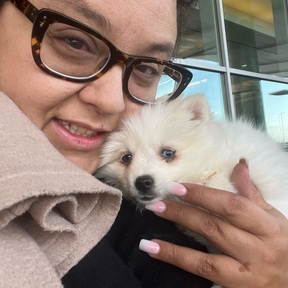
- Beaver Dam, WI - At Paws N Us Pet Transport Service, we delight in providing exceptional pet transportation services, whether your beloved animal companion needs to travel near or far....
-
- Insured
- Mobile Services
-
 3BOOKINGS
 -
Nyssa Smyth
-
Overnyt Pet Transportation Services - Milwaukee, WI
(77 miles from Madison)
-

-
INSTANT
CHECKOUT
RAPID
RESPONDER
 RED CROSS
CERTIFIED
USDA
REGISTERED
RED CROSS
CERTIFIED
USDA
REGISTERED
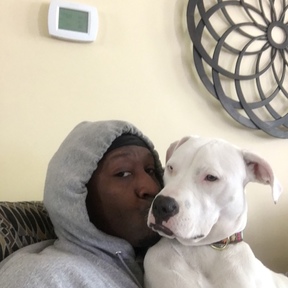
- Milwaukee, WI - Hi! I offer a pet transportation and taxi service serving both flights and ground deliveries nationwide. We have delivered buddies to all 50 states and 3 countries!...
-
- Licensed
- Certified
- Online Sessions
- Mobile Services
-
-
Herman Davis
- All Aboard Pet Transportation - Elk Grove Village, IL
-
-
INSTANT
CHECKOUT
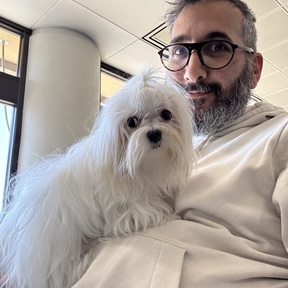
- Elk Grove Village, IL - We are a ground transportation company that will travel all 48 states. Create options are open to all customers we also offer water, leashes ,treats...
-
-

-
Christie Olson
- Experienced Veterinary Transport Service - Pet Taxi - Black Creek, WI
-
-
INSTANT
CHECKOUT
- Black Creek, WI - I am a prior veterinary assistant and own Cozy Country Pet Care where I provide in home visits for cats and other small animals or reptiles....
-
-
 8BOOKINGS
 -
Rocky Ventrello
- International and Domestic Flight Nanny - Chicago, IL
-
(6 reviews)
-
INSTANT
CHECKOUT
RAPID
RESPONDER
USDA
REGISTERED
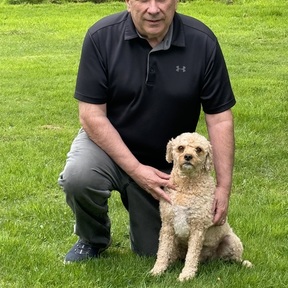
- Chicago, IL - Tail Swagger Pet Transport Service is located in the heart of Chicago and specializes in both domestic and international pet transportation. We provide tailored services that include...
-
- Licensed
- Insured
- Online Sessions
- Mobile Services
-
-
Timothy Hagedorn
- Pet Transport Service - Wausau, WI
-
-
RAPID
RESPONDER
USDA
REGISTERED
- Wausau, WI - As a dedicated pet transport professional with a USDA license under the Animal Welfare Act, I specialize in providing safe and loving transportation for dogs of all...
-
- Licensed
- Certified
- Insured
-

-
Kit Evans
- Kit Evans - Transportation Flight Nanny - Calumet City, IL
-
- Calumet City, IL - As a dedicated pet transportation specialist with certification as a Flight Nanny and expertise in International Pet Shipping, I take pride in providing exceptional care and...
-
- Online Sessions
-

-
Tracy Seppla
- Will Get Your Loved Fur Baby Home To You - Pet Transport - Hudsonville, MI
-
-
INSTANT
CHECKOUT
- Hudsonville, MI - I will get your pet safely home to you via flight/car. Let's discuss our options. My pet transport business is nestled in the heart of Hudsonville, Michigan,...
-
-
 1BOOKINGS
 -
Ian Mansfield
- One Man Dog Travels - Pet Transport - Grand Rapids, MI
-
(1 review)
-
RAPID
RESPONDER
USDA
REGISTERED
- Grand Rapids, MI - For the past five years, I've been dedicated to providing VIP pet delivery services that prioritize your beloved pets’ comfort and safety. As a certified professional...
-
-

-
Guardian Paws Pet Transportation
NEW
- Guardian Paws Pet Transportation - Grand Rapids, MI
-
-
INSTANT
CHECKOUT
RAPID
RESPONDER
USDA
REGISTERED
- Grand Rapids, MI - I provide safe, compassionate, and reliable in-cabin pet transportation for puppies, kittens, dogs, and cats. Every pet is treated like family from pickup to delivery, with...
-
- Licensed
- Certified
- Insured
-
-
Leann Alexander
- Alexander Pet Transport - Door to Door Pet Taxi - Lakeville, IN
-
-
USDA
REGISTERED
- Lakeville, IN - My husband Don and I have been transporting animals for 20 years. We began by helping the Mastiff Rescue with fostering, doing home visits, and transporting dogs...
-
- Licensed
- Insured
- Online Sessions
- Mobile Services
-

-
Lisa Hopkins
- Here2There Pet Transport - Big Rapids, MI
-
-
RAPID
RESPONDER
USDA
REGISTERED
- Big Rapids, MI - Here2There Pet Transport🐾 Flying ✈️ ✔️I will personally be your Flight nanny. ✔️Flights are in cabin only. Never cargo, under the plane. ✔️I will be with...
-
- Licensed
- Insured
- Mobile Services
-

-
Shawna Schmidt
- SLS Pet Transport- Caring and Reliable Pet Transporter - Ames, IA
-
-
INSTANT
CHECKOUT
- Ames, IA - Offering pet transport anywhere in the Midwest! I live in Iowa. Accepting transportation for all kinds of pets! I am a 45 year old wife, mother, and...
-
- Insured
- Online Sessions
- Mobile Services
-

-
Stephen Mwaura
- SnuggleTails Delivery - Pet Transportation - Minneapolis, MN
-
-
INSTANT
CHECKOUT
- Minneapolis, MN - Hello! I’m Stephen, your dedicated pet delivery driver. I absolutely love what I do—helping furry (and sometimes feathered or scaly) friends safely find their way to their...
-
-
 2BOOKINGS
 -
Zhongfu Ma
NEW
- Professional Pet Relocation - Mounds View, MN
-
(1 review)
- Mounds View, MN - We provide safe, reliable, and compassionate pet relocation services specializing in cats. Our services include local, regional, and interstate transportation, helping pet owners move their cats...
-
-
 1BOOKINGS
 -
Kris Williamson
- VIP Flight Nanny and Ground Pet Transport - LEO-CEDARVLE, IN
-
(1 review)
-
INSTANT
CHECKOUT
RAPID
RESPONDER
RED CROSS
CERTIFIED
USDA
REGISTERED
- LEO-CEDARVLE, IN - Hello! I'm an animal enthusiast and former travel agent with a passion for providing exceptional pet care services. With a solid background in pet relocation and over...
-
- Certified
more info
✈️🚗 Pet Transport in Madison, WI: Safe, Reliable Travel for Your Pet
Pet transport is the professional movement of your pet from one location to another — whether across Wisconsin or coast to coast. PetWorks connects you with USDA-registered, verified pet transport professionals serving Madison, Dane County, and the surrounding area, including Sun Prairie, Fitchburg, Middleton, Waunakee, Verona, Stoughton, Oregon, McFarland, DeForest, and Monona. Every transporter on PetWorks is held to the same high standards you'd expect — properly licensed, fully insured, and committed to getting your pet to their destination safely, comfortably, and on time.
What Does Pet Transport Cost in Madison, WI in 2026?
Pricing varies based on distance, mode of travel, and service level. As a general guide: local ground transport typically ranges from $100–$350; long-distance ground transport from $350–$1,200+; shared ground rides from $0.50–$1.00 per mile; private ground rides from $1.00–$3.00 per mile; and flight nanny services from $500–$1,500 domestically. Air cargo transport typically ranges from $300–$1,200 depending on pet size and carrier fees. Many PetWorks transporters serving Madison and Dane County offer free quotes so you can compare options before committing.
Certifications & Credentials to Look For
Not all pet transport providers are equal. When evaluating professionals on PetWorks, look for USDA APHIS registration — required for interstate and long-distance travel — as well as state and local business licensing, professional pet handling training, and liability insurance or bonding. Red Cross pet first aid and CPR certification is an additional mark of quality worth noting. These credentials signal that your provider meets the professional standards your pet's safety deserves.
✅ Vet Documentation & Travel Requirements
Most regional and long-distance pet transport requires documentation. A Certificate of Veterinary Inspection (CVI) issued by a licensed vet within 10 days of travel is standard for interstate moves. Up-to-date vaccination records including rabies are typically required, and ISO-compliant microchipping is recommended. Your transport professional can advise on exactly what documentation is needed for travel to or from Madison.
Madison Area Logistics: Airport & Highways
Understanding Madison's airport and highway geography is essential for planning any pet transport pickup or drop-off — and it matters more than most people expect.
Dane County Regional Airport (MSN) is Madison's primary commercial airport, located approximately 5 miles north of the Capitol Square on the city's northeast side. MSN is a mid-sized regional facility served by American Airlines, Delta, United, and Frontier, with direct service to major hubs including Atlanta, Chicago, Dallas/Fort Worth, Denver, Minneapolis, and New York. For flight nanny services, MSN's compact and manageable layout is a genuine advantage — security lines are typically short, parking is straightforward, and the airport is easy to reach from most Madison-area addresses without the stress of a major hub. Plan to arrive at least 90 minutes before departure to allow for check-in and security. For itineraries requiring broader connectivity, international routing, or more airline options, Chicago O'Hare International Airport (ORD) and Chicago Midway International Airport (MDW) are both approximately 2.5 to 3 hours south on I-90/I-39, and experienced local transporters regularly coordinate pickups and drop-offs at all three airports.
For ground transport, Madison's highway geography is defined by two major interstates and the city's distinctive isthmus layout. I-90 and I-94 share a corridor approaching Madison from the east before splitting: I-90 continues northwest toward the Wisconsin Dells and La Crosse, while I-94 branches southwest toward Milwaukee and Chicago. The two interstates rejoin briefly on Madison's south and west sides before diverging again — this shared stretch, running through the Beltline corridor, is the most congested section of road in the metro area. Peak congestion windows run roughly 7:00–9:00 AM and 4:00–6:30 PM on weekdays. For pet transport, it's worth noting that Madison's isthmus location — the city center sits on a narrow strip of land between Lake Mendota and Lake Monona — limits east-west movement through downtown and makes proper routing genuinely important. Most cross-city pet transport pickups and drop-offs route around the isthmus via the Beltline (US-12/18) rather than through it.
The Beltline Highway (US-12/18) functions as Madison's primary inner loop, connecting the east, south, and west sides of the city and providing the main surface road access to both interstates. It is the most-used corridor for local and intra-city pet transport pickups. US-51 (Stoughton Road) runs north-south on Madison's east side, connecting the city to the suburb of Stoughton to the south and Waunakee and DeForest to the north. For pickups in the outer suburbs — Middleton and Verona to the west via US-14/151, Sun Prairie and DeForest to the northeast via US-151, or Stoughton and Oregon to the south via US-51 — drive times are generally 15–30 minutes from downtown in normal conditions, though Beltline congestion can extend those windows significantly during peak hours. Always provide your exact address when requesting a quote; the difference between a Waunakee pickup and a Stoughton pickup can be 30 miles of driving and a completely different approach route.
Pet Transport in Madison: What Makes the City Unique
Madison has several characteristics that define the local pet transport market and are worth understanding clearly before planning your move.
The most defining factor is Madison's identity as a major university city. The University of Wisconsin–Madison is one of the largest public research universities in the country, and with roughly 50,000 students and a substantial faculty and staff population, the city experiences a high volume of academic relocation — graduate students finishing programs, faculty accepting positions at peer institutions, and researchers moving between labs and universities across the country. Academic job transitions often involve compressed timelines, sometimes requiring pet transport to be coordinated in weeks rather than months. If your move is driven by a university or research appointment, ask your transporter specifically about experience working within academic relocation windows. This is a pattern Madison transporters deal with frequently.
The second factor is Madison's status as Wisconsin's state capital. State government employment creates a consistent and year-round base of professional relocation — people entering and exiting government roles, moving from Madison to positions elsewhere in Wisconsin or nationally, or relocating to Madison from other states. State-employee relocations often come with employer-provided moving support but typically do not include pet logistics, which means pet transport is handled separately. Transporters familiar with the Madison market understand this dynamic and can work within the tighter coordination timelines that government job transitions sometimes require.
The third factor is Madison's geography relative to Chicago. Madison sits approximately 150 miles northwest of Chicago on I-90, which makes it one of the closer major metro areas to the country's third-largest city. A meaningful share of Madison's long-distance pet transport moves — both incoming and outgoing — involve Chicago as either an origin, destination, or transit point. Transporters serving Madison are well-acquainted with the I-90 corridor and the logistics of coordinating with Chicago-area airports, addresses, and traffic patterns. If your move involves the Chicago area, ask your transporter specifically about their experience with that route.
Finally, Madison's four-season Wisconsin climate creates significant practical transport planning considerations. Summers are warm and humid, with temperatures frequently reaching the mid-80s, and climate-controlled vehicles are strongly preferred for summer transport. Brachycephalic breeds — bulldogs, pugs, French bulldogs, Boston terriers — warrant a specific conversation with your transporter about vehicle setup and timing during warmer months. Winters in Madison are genuinely severe by national standards: the city averages around 50 inches of snow annually, and temperatures regularly fall below zero during January and February. Road conditions can deteriorate quickly with winter storms, and I-90/I-94 corridors — while generally well-maintained — are subject to closures and significant delays during major events. If you're booking transport during winter months, discuss weather contingency protocols and alternative scheduling options with your transporter before confirming dates.
Keeping Your Pet Safe & Comfortable
A smooth transport experience is about more than getting from A to B — it's about your pet's wellbeing throughout the journey. IATA-approved crates provide the right space and ventilation for safe travel. Climate-controlled vehicles protect against temperature extremes. Regular water breaks, potty stops, and comfort checks reduce stress on longer journeys. Bringing a familiar blanket or toy can also help keep anxious pets calm during transit.
Booking Tips & Red Flags
When comparing pet transport professionals in Madison, always request a detailed quote covering pickup, any overnight stops, vet paperwork assistance, and drop-off — vague pricing is a warning sign. Ask how your transporter communicates during the journey and whether GPS tracking or scheduled check-ins are available. Avoid any provider without verifiable USDA registration, proper licensing, or insurance. On PetWorks, every listed professional has been reviewed for credibility so you can compare with confidence.
❤️ Your Pet Is Family — Treat Their Journey That Way
Handing your pet over to a transporter for a long journey takes real trust. Whether it's a nervous dog on their first road trip or a cat making a cross-country move, your pet is counting on you to choose the right professional. Every transporter on PetWorks is properly licensed, fully insured, and committed to treating your pet with the same care and attention you would. And when you book through PetWorks, you're never alone in the process — PetWorks' live Concierge team is available throughout your booking to answer questions, resolve concerns, and make sure everything goes smoothly. Your pet deserves a journey that feels safe, calm, and handled with genuine care. That's exactly what PetWorks is here to help you find.
Frequently Asked Questions
How much does pet transport cost in Madison, WI in 2026? Costs range from $100 for shorter regional trips to $1,200+ for long-distance ground transport and up to $1,500 for domestic flight nanny services. The best way to get an accurate estimate is to request free quotes from verified professionals on PetWorks.
Do I need a vet health certificate for pet transport from Madison? Yes — most interstate and long-distance transport requires a Certificate of Veterinary Inspection issued within 10 days of travel, along with up-to-date vaccination records. Your transport professional can advise on any additional requirements for your specific route.
What is USDA registration and why does it matter? USDA APHIS registration is a federal requirement for pet transport professionals operating across state lines. It ensures your transporter meets federal standards for the safe handling and movement of animals. Always verify your provider's USDA registration before booking.
Which airport is best for flight nanny services from Madison? For most domestic routes, Dane County Regional Airport (MSN) is the most convenient option — it's compact, easy to navigate, and far less stressful than a major hub for both pets and handlers. For routes requiring broader connectivity or international travel, Chicago O'Hare (ORD) and Midway (MDW) are both roughly 2.5–3 hours south on I-90 and offer significantly more flight options. Discuss which airport best fits your itinerary with your transporter before booking.
Can my pet travel safely during Wisconsin winters? Yes — with climate-controlled vehicles and experienced handling, professional transporters are equipped for winter conditions. That said, Madison winters are legitimately severe, with heavy snowfall and temperatures that regularly fall below zero. If you're booking transport during winter months, discuss weather contingency protocols with your transporter in advance, especially for moves involving I-90/I-94 corridors during storm events.
How does Madison's highway network affect pet transport timing? The Beltline Highway (US-12/18) is the primary surface corridor for cross-city movement, and peak congestion runs roughly 7:00–9:00 AM and 4:00–6:30 PM on weekdays. Madison's isthmus layout limits east-west routes through downtown, so most pickups and drop-offs route around the city center rather than through it. Always provide your exact address when requesting a quote — pickup location significantly affects both routing and timing.
I'm moving for a UW–Madison position. Is that common? Very. Academic and research relocation is one of the most consistent drivers of long-distance pet transport in Madison. Transporters who regularly serve the area are familiar with compressed academic timelines and can often accommodate the shorter booking windows that university moves typically involve.
What should I prepare for my pet's transport? Have your pet's leash, collar with ID tags, any medications, vet paperwork, and a familiar blanket or toy ready for pickup. Your transporter will confirm exactly what's needed when you book.
What's the difference between pet transport and pet relocation? Pet transport refers to the professional movement of your pet from one point to another — typically regional or long-distance ground or air travel. Pet relocation is a broader service that includes documentation management, customs handling, and end-to-end logistics for more complex moves, including international travel.
🦔 How to Book Pet Transport in Madison on PetWorks
Browse USDA-registered pet transport professionals serving Madison and Dane County on PetWorks, compare credentials, service areas, and real client reviews, and use ''Get Custom Quote' to connect with a pro and initiate a conversation. Take a moment to read each transporter's profile carefully — including their transport methods, routes, and the species they work with — to find the right fit for your pet's specific journey. Payment is handled securely through PetWorks — Visa, Mastercard, American Express, Discover, Apple Pay, Google Pay, Affirm, Link, or Klarna. Care Coverage at checkout gives you access to PetWorks' live Concierge team, full refunds if a booking is canceled through no fault of yours, and help resolving any booking issues that may arise.
Book Pet Transport in Madison with Confidence
Whether you need a regional trip or a coast-to-coast journey, PetWorks connects you with USDA-registered, verified pet transport professionals serving Madison, Dane County, and surrounding areas including Sun Prairie, Fitchburg, Middleton, Waunakee, Verona, Stoughton, Oregon, McFarland, DeForest, and Monona — so your pet arrives safely, comfortably, and stress free. Browse professionals, compare services, and get free quotes today.

 petworks tm