Hire the Right Certified Dog Trainer in Boston, Massachusetts
-
- Aubrey Sperry
- Sit Pretty In Home Private Dog Training - Boston, MA
-

-
 CERTIFIED
CPDT-KA
CERTIFIED
CPDT-KA
 AKC CGC
EVALUATOR
AKC CGC
EVALUATOR
 IAABC
CERTIFIED
IAABC
CERTIFIED
- Boston, MA - At Sit Pretty Dog Training, we understand the unique bond between you and your furry family members. Our team is committed to enhancing that connection through compassionate,...
-
- Licensed
- Certified
- Insured
- Online Sessions
- Mobile Services
-
- Margaret A Daley
-
Daley Care - Private Dog Training Service - Medford, MA
(6 miles from Boston)
-
- Medford, MA - At Daley Care, we pride ourselves on delivering exceptional pet services with over 18 years of experience in the industry. Our journey started from scratch and has...
-
- Mobile Services
-
- Cara Armour
-
Active Paws Inc. - Dog Walking, Canine Training, Dog SItting - Belmont, MA
(6 miles from Boston)
-
-
 RED CROSS
CERTIFIED
AKC CGC
EVALUATOR
RED CROSS
CERTIFIED
AKC CGC
EVALUATOR
- Belmont, MA - At Active Paws Inc., we are dedicated to enhancing the lives of pets and their owners through our specialized services, including positive reinforcement dog training, dog walking,...
-
- Certified
- Online Sessions
- Mobile Services
-
-
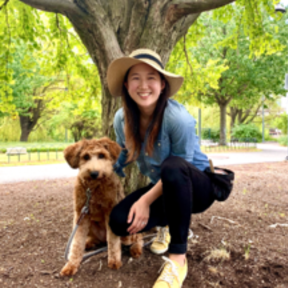
 Elizabeth Park
-
True Fit Dog Training - Arlington, MA
(7 miles from Boston)
-
 (3 reviews)
 -
CERTIFIED
CPDT-KA
- Arlington, MA - At True Fit Dog Training, we pride ourselves on providing top-notch, science-based dog training services to the Arlington, MA community and neighboring towns. Our team, certified as...
-
- Certified
- Online Sessions
-
-
Maura Porter
-
Basic and Low Confident - Reactive Dog Training - Quincy, MA
(8 miles from Boston)
-
(2 reviews)
-
 INSTANT
CHECKOUT
INSTANT
CHECKOUT
 RAPID
RESPONDER
CERTIFIED
CPDT-KA
AKC CGC
EVALUATOR
RAPID
RESPONDER
CERTIFIED
CPDT-KA
AKC CGC
EVALUATOR
- Quincy, MA - At Clear Skies Dog Training and Evaluation, I specialize in providing comprehensive training and behavior modification services for dogs, particularly focusing on low-confident and reactive canines. With...
-
- Certified
- Online Sessions
-
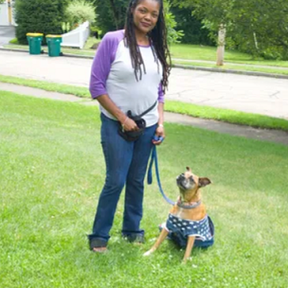
- Pamela Brown
-
Down 4 Paws - Certified Private Dog Trainer - Norwood, MA
(15 miles from Boston)
-
-
CERTIFIED
CPDT-KA
- Norwood, MA - Pamela Brown, a highly qualified dog trainer serving Massachusetts, brings her expertise to pet parents seeking reliable and effective solutions for their canine companions. With certifications including...
-
- Certified
-
- Bruce Billings
-
Canine College - Bow Wow Resort - Private Dog Training - Holbrook, MA
(15 miles from Boston)
-
- Holbrook, MA - Welcome to my private dog training classes, where I specialize in helping your furry friends thrive! With an extensive background in Detection Dog Training, Dog Agility Training,...
-
- Licensed
- Insured
- BBB Accredited
- Mobile Services
-
- Shauna Norton
-
Little Critters Training and Care - Private Dog Trainer - Framingham, MA
(20 miles from Boston)
-
-
IAABC
CERTIFIED
- Framingham, MA - Welcome to Little Critters Training and Care! Whether you just took home a puppy or kitten or have had your dog or cat for many years, we...
-
- Certified
- Bonded
- Insured
- BBB Accredited
- Mobile Services
-
- Dorothy Turcotte
-
The Happy Retriever - Dog Training Services - Holliston, MA
(23 miles from Boston)
-
-
AKC CGC
EVALUATOR
- Holliston, MA - For over a decade, Dorothy Turcotte has been transforming the lives of dogs and their families through The Happy Retriever - Dog Training Services. Based in Massachusetts,...
-
- Licensed
- Certified
- Insured
- Mobile Services
-
 1BOOKINGS
 -
Karen Lanoue-Lambrecht
-
Pawsitively Obedient - Dog Training Services - Marshfield, MA
(25 miles from Boston)
-
-
AKC CGC
EVALUATOR
IAABC
CERTIFIED
- Marshfield, MA - CELEBRATING 30 years of instructing people and their pets using positive reward-based training methods. Our Certified Instructors are required to have 36 Continuing Education hours every 3...
-
- Certified
- Insured
- Online Sessions
- Mobile Services
-
- Michelle Allen
-
Gemini Dogs - Private Dog Training Sessions - Littleton, MA
(26 miles from Boston)
-
-
CERTIFIED
CPDT-KA
RED CROSS
CERTIFIED
AKC CGC
EVALUATOR
- Littleton, MA - Gemini Dogs is your go-to destination for exceptional private dog training sessions in New England. Led by Michelle Allen, a highly qualified expert with over three decades...
-
- Certified
- Mobile Services
-
- Lee Desmarais
-
Zippity Do Dog Training and Behavior Modification LLC - Norton, MA
(28 miles from Boston)
-
- Norton, MA - Since 1993, Lee Desmarais has been dedicated to transforming the lives of dogs and their owners in Southeastern Massachusetts through Zippity Do Dog Training and Behavior Modification...
-
- Online Sessions
- Mobile Services
-
- (Phil) Walk My Paws, LLC.
-
Walk My Paws, LLC. - Dog Training - Newbury, MA
(31 miles from Boston)
-
- Newbury, MA - Since 2000, Walk My Paws, LLC has been a trusted name in dog training and daycare services in Massachusetts. With over two decades of experience, they have...
-
- Mobile Services
-
- Carol Whitney
-
Whit Dogs Training Services - Mendon, MA
(32 miles from Boston)
-
-
CERTIFIED
CPDT-KA
- Mendon, MA - After training several of our dogs with many different dog trainers over the years, I decided to become a trainer myself. Having done obedience, agility, rally, disc...
-
- Certified
- Online Sessions
-
- Joe Trevisone
-
K9s Private Training and Doggy Daycare Services - Plaistow, NH
(33 miles from Boston)
-
-
AKC CGC
EVALUATOR
- Plaistow, NH - Since 2002, Joe Trevisone has been transforming lives in Plaistow, NH, through exceptional dog training and daycare services. With an extensive range of offerings, including puppy training,...
-
- Licensed
- Certified
- Bonded
- Insured
- Mobile Services
-
- Alicyn Lambert
-
Alicyn Lambert - CPDT-KA Private Dog Trainer - Shirley Center, MA
(33 miles from Boston)
-
-
CERTIFIED
CPDT-KA
- Shirley Center, MA - For over a decade, I have been passionately serving pet families with my fear-free, reward-based training techniques. As a Certified Professional Dog Trainer (CPDT-KA) and a...
-
- Certified
-

- Jean McCord
-
FairPlay Private Dog Training Services - Pepperell, MA
(33 miles from Boston)
-
-
AKC CGC
EVALUATOR
- Pepperell, MA - I am a relationship-based clicker trainer with over 20 years experience, and use classical and operant conditioning to help dogs and owners learn the sacred art of...
-
- Certified
- Insured
- Mobile Services
-

- Elizabeth McIsaac
-
Nantucket K9 Obedience - Private Dog Training Service - Plymouth, MA
(34 miles from Boston)
-
- Plymouth, MA - I began my career at the MSPCA ' s Boston Animal Shelter in 1985. It was truly heartbreaking to me as a young adult to care for...
-
- Licensed
- Insured
- Mobile Services
-
- Patricia Inman
-
Lazybones Private Dog Training - Glocester, RI
(44 miles from Boston)
-
-
CERTIFIED
CPDT-KA
IAABC
CERTIFIED
- Glocester, RI - Hello, and welcome to LazyBones Dog Training! Thank you for taking the time to read this brief introduction. I am a Certified Dog Behavior Consultant and a...
-
- Certified
-
- Vicki Bissonnette
-
4 on The Floor Private Dog Training - Milford, NH
(44 miles from Boston)
-
-
CERTIFIED
CPDT-KA
AKC CGC
EVALUATOR
- Milford, NH - As a Certified Professional Dog Trainer (CPDT-KA) and an AKC Canine Good Citizen Approved Evaluator, I specialize in positive reinforcement training for dogs across Southern New Hampshire....
-
- Certified
other categories
more info
🦔 Dog Training in Boston, Massachusetts. What You Need to Know.
Boston is one of the most walkable, dog-populated cities in the Northeast - a compact, historic city where dogs navigate brick sidewalks, narrow streets, T stops, dense neighborhood foot traffic, and a genuine year-round outdoor culture. The city's density is wonderful, but it asks real things of dogs: loose-leash walking in tight spaces, calm behavior in close quarters, and the kind of steady focus that city life demands every single day. PetWorks connects you with certified, vetted trainers across Greater Boston who understand exactly what urban dog training looks like in practice here.
❤️ There's a moment every Boston dog owner knows — when you make it down Newbury Street on a Saturday without your dog losing its mind at every passing stroller and dog, when Jamaica Pond becomes a weekend pleasure instead of a weekly test of patience, when the walk from your South End brownstone to the park finally feels like the uncomplicated thing it should be. That moment doesn't happen by accident. It happens because the right trainer helped you and your dog find your rhythm together.
Average Cost of Dog Training in Boston in 2026
Private dog training in Boston typically ranges from $120–$185 per hour, reflecting Greater Boston's cost of living, strong demand for certified trainers, and the complexity of training in a dense urban environment. Multi-session packages of 3–6 sessions commonly run $500–$1,050, which provides the consistency that real behavior change requires. Board-and-train programs with Boston-area trainers generally range from $2,000–$4,000+ for multi-week placements. Virtual sessions are typically available at $60–$100 per session.
Training Methods That Work for Dogs in Boston
Boston trainers overwhelmingly rely on positive, reward-based methods — reinforcing desired behaviors with treats, praise, and play. As Vera Wilkinson, CDBC, CPDT-KA, founder of The Cooperative Dog in Brookline and a long-time Boston-area behavior consultant, puts it: "Boston dogs live in tight, bustling environments where calm manners and clear communication make everyday life more enjoyable for both pet and owner. Positive, science-based training builds confidence and cooperation in real-world situations — from crowded sidewalks to busy parks — so dogs thrive in city living."
Certifications to Look For in a Boston Dog Trainer
Massachusetts does not legally require licensure for dog trainers, making credentials your most reliable indicator of quality. Look for CPDT-KA (Certified Professional Dog Trainer – Knowledge Assessed), KPA-CTP (Karen Pryor Academy Certified Training Partner), CDBC (Certified Dog Behavior Consultant through IAABC), or Fear Free Certified credentials. These reflect formal education, independent assessment, and a commitment to humane, evidence-based methods — not just years of self-taught experience.
Training Challenges Unique to Boston
Boston presents a specific and layered set of training demands shaped by its historic urban form. The city's narrow streets and brick sidewalks mean dogs often walk within arm's length of strangers, other dogs, cyclists, food delivery scooters, and T buses — all at the same time. Dogs living in brownstone apartments in the South End, Back Bay, Beacon Hill, and Charlestown navigate close-contact building entrances, tight stairwells, and sidewalk encounters with zero buffer, making loose-leash walking and neutral dog-to-dog greetings essential daily skills rather than aspirational ones. Leash reactivity is the single most common training request across Boston's dense neighborhoods. Dogs in Jamaica Plain, Allston, and Somerville navigate vibrant, crowded commercial corridors where outdoor dining, street festivals, and high foot traffic are the norm. And Boston's large student population, with frequent apartment turnover and new roommates, means many dogs experience disrupted routines and separation anxiety at a higher rate than in more settled residential cities — making separation anxiety support a consistently high-demand training goal across the metro.
Boston's Four-Season Training Reality
Boston's New England climate shapes training logistics in genuinely significant ways. Winters bring cold, ice, and road salt — the salt and de-icing chemicals used heavily on Boston's sidewalks can irritate and damage paw pads, and many Boston trainers incorporate paw balm as a practical early habit. Ice and compacted snow change how dogs read and respond to their environment, and the disruption to routine that comes with brutal stretches of February weather can set back training progress if owners aren't prepared to adapt. Summers bring heat and humidity that make midday outdoor sessions uncomfortable and potentially risky — Boston's urban heat island effect is real, and the pavement test applies here as it does anywhere. Spring and fall are Boston's best training seasons: mild temperatures, beautiful light, and ideal conditions for working on the Esplanade, Jamaica Pond, and neighborhood parks.
Dog Parks & Outdoor Training in Boston
Boston's park system offers excellent real-world training environments. The Charles River Esplanade — the landscaped riverside path running from the Science Museum to the BU Bridge — is one of the most popular dog walking routes in the city and an ideal environment for leash manners work amid consistent foot traffic, cyclists, and other dogs. Jamaica Pond in Jamaica Plain is a beloved off-leash-adjacent destination, popular with dog owners from JP, Roxbury, and the Longwood area. Peters Park Dog Park in the South End is a well-used fenced off-leash area central to many of the densest Boston neighborhoods. In Cambridge, Danehy Park and various Cambridge park facilities provide off-leash areas serving the large dog population in that city. Minuteman Bikeway in Arlington and the surrounding trail network offer excellent leash work environments for dogs in the metro's inner suburbs.
Dog-Friendly Spots in Boston
Boston's patio and outdoor culture has grown significantly and offers good real-world training environments. Night Shift Brewing in Everett and its Boston Tap Room locations welcome well-behaved dogs and draw a regular crowd. Harpoon Brewery in the Seaport has outdoor space that's frequently dog-friendly. Along the Cambridge and Somerville corridor, a number of dog-welcoming brewery patios and outdoor café seats on Massachusetts Avenue provide the kind of moderate ambient activity ideal for proofing patio settle and public manners. The Esplanade in summer, with its outdoor events, rollerbladers, and families, is one of the best natural distraction-proofing environments in the region.
Most Requested Dog Training in Boston
Leash reactivity on narrow brick sidewalks and in dense neighborhoods, apartment and building manners for brownstone and condo living, separation anxiety support, patio settle and public manners, recall and focus on the Esplanade and at Jamaica Pond, and cold-weather paw care and winter acclimation.
Boston Dog Laws & Public Regulations
Massachusetts does not license dog trainers, but Boston and its surrounding municipalities regulate dog behavior in public. Boston's leash law requires dogs to be on a leash in all public spaces outside designated off-leash areas. All dogs in Massachusetts must be licensed by their municipality and current on rabies vaccination — Boston Animal Control enforces this, and many trainers verify it before outdoor public sessions. Off-leash areas in Boston parks require current vaccination records and city licensing. Noise ordinances cover excessive barking, and in Boston's dense residential neighborhoods where walls are thin and units are close, nuisance barking is a practical concern that makes it a meaningful training priority.
Neighborhoods & Areas Served in Boston
PetWorks connects dog owners across Greater Boston, including Back Bay, the South End, Beacon Hill, Charlestown, Dorchester, Jamaica Plain, Roxbury, Allston, Brighton, Cambridge, Somerville, Brookline, Medford, Arlington, Newton, Quincy, Framingham, Norwood, and surrounding communities throughout Suffolk, Middlesex, Norfolk, and Plymouth counties.
How Booking a Dog Trainer on PetWorks Works
Booking a certified dog trainer in Boston is secure and straightforward. Browse verified trainer profiles, compare credentials and reviews, then use Send Message, Get Custom Quote, or Book Now to start a conversation about your dog's specific needs. Your trainer can send a personalized quote through the PetWorks inbox. You'll only pay when you book, and payment is handled securely on PetWorks — Visa, Mastercard, American Express, Discover, Apple Pay, Google Pay, Affirm, Link, or Klarna. Care Coverage at checkout gives you access to PetWorks' live Concierge team, full refunds if a booking is canceled through no fault of yours, and help resolving any booking issues — so you can focus on what matters most: your dog.
Dog Training FAQs for Boston, Massachusetts
Why should I hire a professional dog trainer in Boston? Boston's narrow streets, dense neighborhoods, year-round outdoor culture, and New England winters create daily challenges that most dogs need real training to handle well. A professional trainer gives you practical tools for your specific neighborhood and lifestyle, and for dogs with reactivity, anxiety, or aggression, the right trainer can meaningfully change daily life in the city.
What dog training services are available in Boston? PetWorks trainers offer private in-home sessions, mobile training, and on-site lessons covering obedience, leash training, behavior modification, apartment and brownstone manners, separation anxiety support, and more — each tailored to your dog's temperament and the specific demands of Boston living.
How much does dog training cost in Boston? Private sessions typically run $120–$185 per hour in Greater Boston. Multi-session packages of 3–6 sessions commonly cost $500–$1,050. Board-and-train programs range from $2,000–$4,000+ for multi-week placements. Virtual sessions are typically the most accessible option at $60–$100 per session.
What does it mean if a dog trainer is certified? Certification shows the trainer completed formal education, passed an independent assessment, and follows ethical, evidence-based methods. Most certified trainers in Boston emphasize reward-based techniques that build trust and confidence — particularly important in a high-density, high-stimulation city environment.
How experienced are PetWorks dog trainers in Boston? Many trainers on PetWorks have 10–20+ years of professional experience and hold recognized certifications including CPDT-KA, CDBC, KPA-CTP, and AKC CGC Evaluator credentials. Browse profiles, read verified reviews, and compare by specialty to find the right fit for your dog and your neighborhood.
Serving Boston, Suffolk County, and surrounding areas including Cambridge, Somerville, Brookline, Arlington, Medford, Newton, Quincy, Framingham, Norwood, and communities throughout Greater Boston and the Massachusetts metro, MA.

 petworks tm